
To light up your outdoor space in the Philippines with festive cheer, choosing the right solar Christmas string lights requires balancing holiday aesthetics with the realities of a tropical climate. Outdoor holiday displays face intense heat, high humidity, and sudden heavy downpours. Selecting the right setup means looking beyond visual appeal to verify technical specifications like weatherproofing, battery capacity, and solar panel efficiency. By focusing on these durable features, you can ensure your holiday display remains bright and safe throughout the festive season without increasing your electricity bill.
Using solar-powered decorations is an excellent way to decorate sustainably, but tropical weather presents unique challenges. Heavy monsoon rains and prolonged cloud cover can limit charging times, while intense sunlight can degrade low-quality plastics. Understanding how to evaluate these products ensures your investment lasts for multiple holiday seasons.
Essential Specs for Withstanding Tropical Weather
When shopping for outdoor solar decorations, the technical specifications listed on the packaging are your first line of defense against premature product failure. The most critical rating to check is the Ingress Protection (IP) rating, which indicates how well the light string and solar panel housing resist dust and water. For outdoor displays in the Philippines, look for a minimum rating of IP44, which protects against splashing water from any direction. However, for areas fully exposed to heavy tropical downpours, choosing lights rated IP65 or higher is highly recommended, as this rating ensures the enclosure is dust-tight and protected against water jets.
Products mentioned in this guide
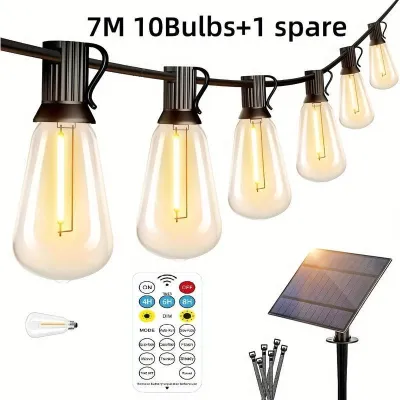
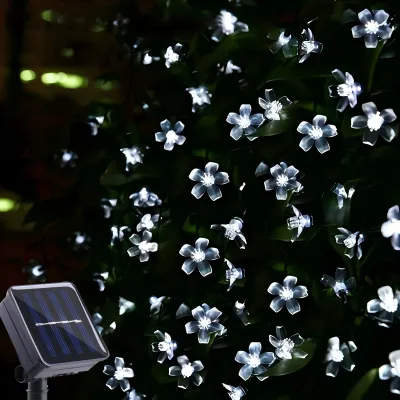
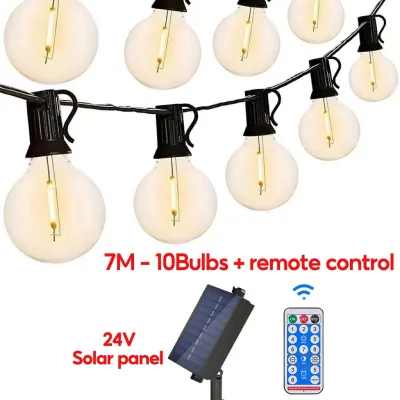
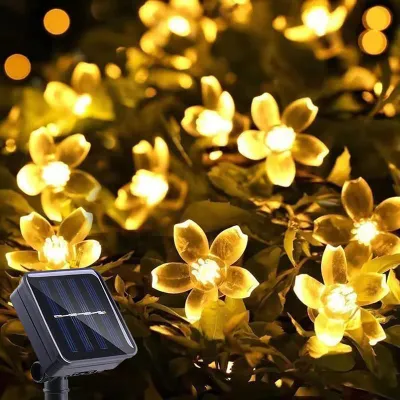
Prices are valid at publication and may change. Please refer to the product page for the latest price.
The efficiency of the solar panel and the capacity of the rechargeable battery directly determine how long your lights will stay illuminated each night. Solar panels generally come in two types: monocrystalline and polycrystalline. Monocrystalline panels are typically more efficient at converting sunlight into energy, making them a practical choice for areas that experience frequent afternoon cloud cover. Pair this with a battery capacity of at least 1200 milliampere-hours (mAh) to ensure the system can store enough energy to power the light string for six to eight hours after a full day of charging.
Material quality is another essential factor in tropical environments. Look for light strings made with heavy-duty, UV-resistant wiring, such as thick copper wires insulated with durable PVC or rubber. Cheap, thin plastic insulation can quickly become brittle and crack under intense tropical sun, exposing the wires to moisture and causing short circuits. Additionally, opt for shatterproof plastic bulbs rather than fragile glass, especially if you plan to hang them in areas where strong winds or falling leaves could cause them to swing against hard surfaces.
Finally, verify the electrical safety certifications on the product packaging. Look for recognized quality marks or international certifications such as CE or RoHS, which indicate that the low-voltage components have been tested for safety and environmental compliance. If the solar light set includes an optional auxiliary plug-in adapter for indoor use, ensure it carries the appropriate local electrical safety markings before connecting it to your home’s mains power.
Selecting the Right Style and Brightness for Your Space
Choosing the style and brightness of your solar Christmas lights is a matter of personal preference, but matching the design to your outdoor layout ensures a cohesive look. Bulb shapes range from delicate micro-fairy lights that blend seamlessly into foliage to larger globe bulbs and classic teardrop shapes that make a bold statement. The color temperature you select will define the mood of your display: warm white bulbs (2700K to 3000K) offer a traditional, cozy glow, while cool white bulbs (6000K and above) provide a bright, modern look. Multi-color strings add a playful, festive energy suitable for family-friendly displays.

To avoid running out of wire mid-installation, carefully calculate the required string length and bulb spacing for your project. If you plan to wrap tree trunks or coconut palms, measure the circumference of the trunk and estimate the number of turns required; this often demands significantly more length than a straight run along a fence. When outlining rooflines or lining pathways, allow for a small amount of slack so the wires are not pulled taut, which can strain the connections and lead to wire breakage. Check the bulb spacing on the product specifications: closely spaced bulbs create a dense, vibrant line of light, while wider spacing is ideal for soft, ambient background illumination.
Lumen output is another key consideration when planning your display. Solar decorative lights are designed primarily for ambient accent lighting rather than high-intensity illumination. If you want your holiday lights to double as functional pathway markers, look for sets with a higher lumen rating per bulb. For purely decorative displays on trees or fences, lower-lumen bulbs are actually advantageous, as they consume less battery power and allow the lights to remain illuminated longer into the night.
Strategic Placement for Optimal Solar Charging
The performance of your solar Christmas lights depends entirely on the placement of the solar panel. To maximize energy absorption, position the panel in an unshaded location where it can receive direct, unobstructed sunlight for at least six to eight hours daily. Avoid placing the panel directly under deep roof eaves, dense tree canopies, or in the shadow of walls and fences. Even partial shading during peak daylight hours can drastically reduce the amount of electricity generated, leading to dim lights or a short runtime at night.
When mounting the solar panel and routing the light strings, prioritize safety and stability. Most solar lights come with a ground stake or a mounting bracket that can be screwed onto walls or wooden posts. Ensure the panel is angled upward toward the sun and secured firmly to withstand sudden gusts of wind during tropical storms. Use outdoor-rated, UV-resistant plastic zip ties or insulated cable clips to secure the light strings along fences, railings, or branches. Avoid using metal staples or nails, which can easily pinch or cut through the wire insulation, creating a safety hazard.
Keep all wiring neat and elevated where possible to prevent tripping hazards in garden pathways or lawn areas. If you must run wires across a walkway, use a durable rubber cable protector ramp to shield the wires from foot traffic and prevent guests from tripping.
While installing low-voltage solar string lights is generally a safe DIY project, certain scenarios require professional assistance. If your holiday display involves working at significant heights, such as mounting lights along high rooflines or wrapping exceptionally tall trees, stop and consult a qualified professional. Additionally, if you plan to integrate your solar setup with permanent outdoor electrical fixtures or fixed wiring, always isolate the mains power at the breaker before starting work, and have a licensed electrician inspect the installation to ensure compliance with local electrical codes.
Seasonal Maintenance and Basic Troubleshooting
Regular maintenance is key to keeping your solar Christmas lights operating efficiently throughout the holiday season. Dust, pollen, and dried water spots from tropical rain can quickly accumulate on the surface of the solar panel, blocking sunlight and reducing charging efficiency. Wipe the panel clean weekly using a soft, damp microfiber cloth. Avoid using abrasive scrubbing pads, harsh chemical cleaners, or solvents, as these can scratch or cloud the protective plastic cover, permanently reducing the panel’s ability to absorb light.
High humidity and heavy rain can sometimes cause moisture to seep into the battery compartment, leading to corrosion on the metal contacts. Periodically open the battery compartment to inspect for signs of moisture, rust, or white powdery residue. If you detect any corrosion, gently clean the contacts with a dry cloth or a small wire brush. Ensure the rubber sealing gasket is properly aligned and intact before securely closing the compartment to prevent future water ingress.
If your solar lights fail to turn on automatically at dusk, follow a few basic diagnostic steps before assuming the product is defective. First, check that the solar panel is not positioned near ambient light sources, such as streetlamps, security floodlights, or bright porch lights. The built-in light sensor in the solar panel may detect this ambient light and prevent the string lights from activating. You can test the sensor by completely covering the solar panel with a piece of cardboard or a dark cloth; if the lights turn on, the sensor is functioning correctly, and you may need to reposition the panel. Finally, verify that the power switch on the back of the panel is in the “on” position and that the rechargeable battery is securely seated in its holder.
Frequently Asked Questions (FAQ)
Do solar string lights work during the rainy season?
Yes, solar panels can still charge on cloudy or rainy days, but their efficiency is significantly reduced. Because cloud cover filters out a large portion of direct sunlight, the solar panel will generate less electricity, resulting in a shorter runtime at night. To mitigate this, look for solar lights equipped with high-efficiency monocrystalline solar panels and larger battery capacities, which can maximize energy absorption even on overcast days.
Are the batteries in solar Christmas lights replaceable?
Many solar string lights use standard rechargeable batteries, such as AA or AAA Ni-MH cells, which can be replaced once they no longer hold a charge. Always consult the manufacturer’s instructions or product manual before attempting to open the battery compartment. When replacing the batteries, ensure you use rechargeable cells of the exact voltage and type specified by the manufacturer, and dispose of the old batteries safely at a designated local recycling center.

Community discussion
Share your experience or ask a question. Comments are reviewed before publication.