
Selecting the ideal solar pathway lights for a garden in the Philippines requires balancing aesthetic appeal with the realities of a tropical climate. With intense sun exposure followed by heavy monsoon rains and high humidity, outdoor fixtures must be exceptionally durable to survive year-round. The right choice depends on understanding how weatherproofing, light output, and fixture design interact with your specific landscape layout. By focusing on key specifications such as ingress protection, material durability, and solar panel efficiency, you can establish a reliable, low-maintenance lighting system that enhances both safety and nighttime beauty. Whether you are illuminating a winding stone path, highlighting tropical foliage, or securing a dark perimeter, evaluating these factors ensures your investment withstands the elements.
Evaluating Weather Resistance for Heavy Rain and Humidity
Tropical environments present severe challenges for outdoor electronics, making weather resistance the most critical factor when choosing solar pathway lights. The primary specification to verify is the Ingress Protection (IP) rating, which indicates how well the fixture prevents water and solid particles from entering the housing. For garden pathways exposed to heavy downpours, splashing mud, and occasional pooling water, look for fixtures with a minimum rating of IP65. An IP65 rating signifies that the light is dust-tight and protected against water jets from any angle, while an IP67 rating offers even greater protection, allowing the unit to withstand temporary submersion during flash floods or severe storms.
The choice of housing material directly impacts how well the light resists degradation over time. Stainless steel and high-grade ABS plastic are excellent choices for tropical gardens, as they resist the corrosive effects of high humidity and acidic soils. In coastal areas of the Philippines, salt spray can accelerate the corrosion of metal fixtures, making high-grade ABS plastic or marine-grade stainless steel even more critical. If you select plastic fixtures, ensure the manufacturer specifies UV-resistant treatment to prevent the housing from becoming brittle and cracking under intense tropical sunlight. Glass lenses are generally preferred over cheap plastics for the light cover, as glass does not yellow or cloud when exposed to prolonged solar radiation, ensuring consistent light output over the years.
Products mentioned in this guide
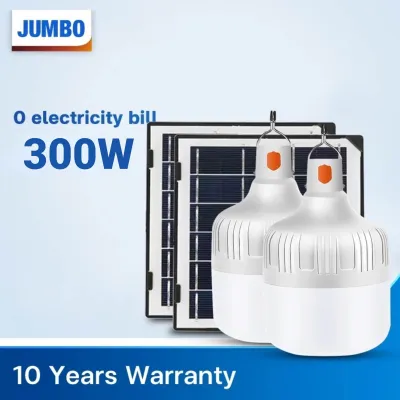
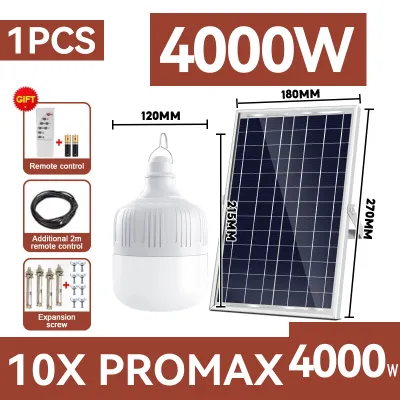
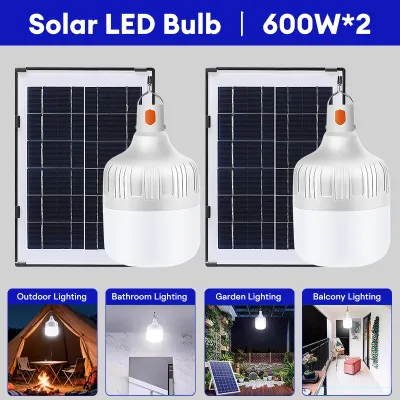
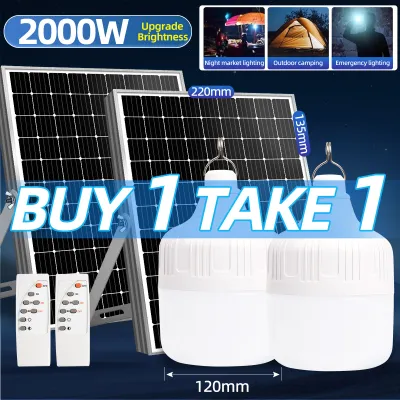
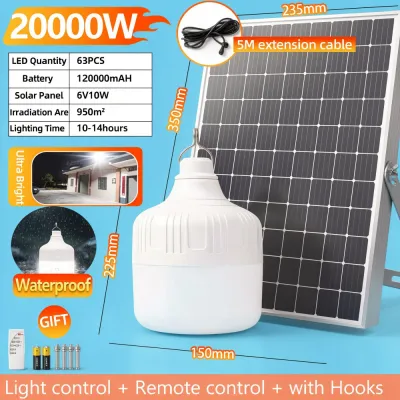
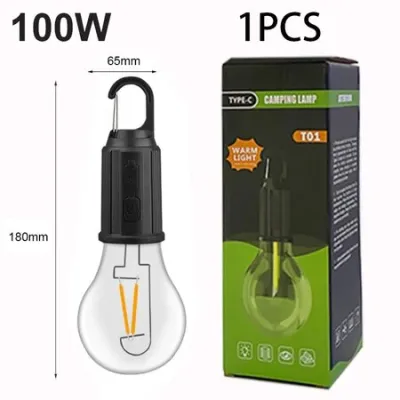
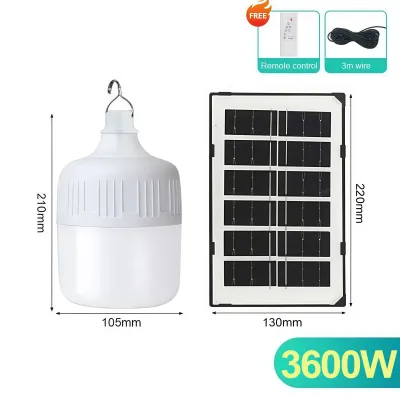
Prices are valid at publication and may change. Please refer to the product page for the latest price.
Beyond the outer shell, inspect the physical construction and seal integrity of the light. High-quality fixtures feature durable silicone or rubber gaskets around the solar panel seams, the battery compartment door, and any cable entry points. When purchasing, check that these seals are thick, flexible, and securely seated in their grooves. For lights that use external wiring or separate solar panels, verify that the connectors feature threaded, waterproof collars to prevent moisture from wicking into the electrical contacts, which can cause short circuits or rapid corrosion.
Matching Brightness and Coverage to Your Garden Walkway
Achieving the right balance of brightness and coverage ensures your garden paths are safe to navigate without creating harsh glare or distracting light pollution. Light output is measured in lumens, and the ideal level depends on the primary function of the pathway light. For subtle accent lighting along a clearly defined path, fixtures emitting 10 to 50 lumens are usually sufficient to guide the foot. If the walkway features uneven steps, water hazards, or dense overhanging foliage, a higher output of 100 to 200 lumens may be necessary to ensure clear visibility and security.

The beam angle and reflector design determine how the light is distributed across the ground. Some solar pathway lights feature downward-facing reflectors that cast a wide, circular pool of light directly onto the walkway, which is ideal for broad coverage and minimizing glare. Others use structured lenses to project decorative patterns, which can add visual interest but may leave dark gaps if the fixtures are spaced too far apart. When evaluating options, consider whether you need focused path illumination or a broader wash of light that also highlights adjacent flowerbeds and low-lying shrubs.
Color temperature is a conditional preference that significantly influences the atmosphere of your garden. Warm white light, typically ranging from 2700K to 3000K, creates a cozy, inviting ambiance that complements natural wood, stone, and warm-toned tropical landscaping. Cool white light, ranging from 5000K to 6500K, provides a brighter, high-contrast appearance that can enhance security and visibility, though some users find it clinical. Additionally, softer, warmer tones are often preferred for minimizing disruption to local nocturnal wildlife and insects, making them a thoughtful choice for ecologically conscious homeowners.
Choosing Between Integrated Fixtures and Replaceable Solar Bulbs
Understanding the structural differences between integrated solar fixtures and systems utilizing a standalone solar bulb helps you select the right configuration for your garden’s layout. Integrated fixtures are all-in-one units where the solar panel, rechargeable battery, and LED light source are permanently built into a single stake or bollard. These units are incredibly easy to install, requiring no wiring—you simply push the stake into the ground in a sunny spot. However, if the internal circuitry fails, the entire fixture usually needs to be replaced. While simple integrated stakes might cost as little as ₱150 per unit, they can become more expensive over time if you must replace the entire fixture frequently.
In contrast, systems designed around a replaceable solar bulb offer greater flexibility and long-term serviceability. These setups often feature a standard light fixture, such as a garden lantern or wall sconce with an E27 or B22 socket, powered by a separate solar panel connected via a low-voltage cable. Using a dedicated solar bulb allows you to retrofit existing decorative garden fixtures with clean energy. When the bulb eventually reaches the end of its lifespan, you can simply unscrew it and install a replacement without discarding the entire decorative housing or the solar panel assembly.
When deciding between these two options, consider the installation environment and your maintenance preferences. Integrated stake lights are perfect for lining open lawn borders and dirt paths where soil penetration is easy. Replaceable solar bulb systems are highly advantageous for covered patios, shaded walkways, or stone pillars where the light fixture must be mounted in the shade while the solar panel is positioned several meters away in direct sunlight. If your installation involves connecting separate panels to fixed outdoor wiring or mounting fixtures in damp areas at height, always isolate the power source before starting, follow the manufacturer’s instructions, or consult a qualified professional. Always verify the voltage compatibility, base interface (such as E27), wattage limits, and electrical certifications of any separate components to ensure safe and reliable operation.
Optimizing Placement for Reliable Sun Exposure
The performance and nightly runtime of your solar pathway lights depend entirely on how much direct sunlight the solar panels receive during the day. In tropical gardens, which often feature dense foliage, tall palm trees, and architectural overhangs, finding the right placement requires careful observation. Position your lights or their remote solar panels in areas that receive unshaded, direct sunlight for at least six hours daily. Avoid placing fixtures directly under thick tree canopies or in the permanent shadow of garden walls, as even partial shading can drastically reduce the panel’s ability to charge the internal battery.
It is also important to account for seasonal changes in the sun’s path and the growth of your garden plants. A spot that receives full sun during the dry season might be cast into deep shadow during other months as the sun’s angle shifts. Furthermore, rapidly growing tropical plants can quickly overshadow low-profile stake lights. Regularly trim back surrounding ground cover and low branches to keep the solar panels clear. If you are planning a new garden layout, observe the shadow patterns at different times of the day before permanently securing your light fixtures.
For pathways that remain permanently shaded by structures or dense vegetation, integrated stake lights may not perform adequately. In these scenarios, utilize solar lighting systems that feature a detachable solar panel connected to the light fixtures via an extension cable. This design allows you to install the light fixtures along the dark, shaded walkway while mounting the solar panel high on a nearby fence, wall, or roofline where it can access unobstructed sunlight. When routing these cables, ensure they are buried safely or secured along garden borders to prevent tripping hazards and damage from lawnmowers.
Routine Maintenance and Battery Care
Regular maintenance is essential to keep your solar pathway lights operating at peak efficiency and to extend the lifespan of their internal components. Over time, solar panels accumulate a layer of dust, pollen, bird droppings, and mineral spots from rain or garden sprinklers. This debris acts as a barrier, blocking sunlight and reducing charging efficiency. Establish a routine to wipe the solar panels clean using a soft, damp microfiber cloth and mild soapy water. Avoid using abrasive scrubbers or harsh chemical cleaners, which can scratch the protective coating on the panel and permanently degrade its performance.
Monitoring the health of the rechargeable batteries is another crucial aspect of long-term care. If you notice that your lights are turning off much earlier in the night than they used to, or if they fail to illuminate at all after a sunny day, the battery may be reaching the end of its usable life. Check the manufacturer’s guidelines to determine if the battery is user-replaceable. When replacing batteries, always match the exact chemistry, voltage, and capacity specified by the manufacturer—such as replacing a 1.2V NiMH AA battery with an identical type—to prevent electrical hazards or damage to the charging circuitry.
Finally, perform regular physical inspections of the entire lighting setup. Check that ground stakes and spikes remain firmly anchored in the soil, as heavy rains can soften the ground and cause fixtures to tilt or fall over. Inspect any external low-voltage wiring for signs of wear, chewing by pests, or accidental damage from garden tools like weed eaters and shovels. If you discover exposed wires or cracked housings, address them promptly to prevent moisture from entering and causing permanent electrical failure.
Frequently Asked Questions (FAQ)
Do solar pathway lights work during the rainy season?
Yes, solar pathway lights continue to charge during the rainy season, though their performance and nightly runtime will be reduced due to heavy cloud cover. Standard solar panels can still generate electricity from diffuse daylight, but the charging rate is significantly slower than under direct sunlight. To optimize performance during overcast periods, look for fixtures equipped with highly efficient monocrystalline solar panels, which perform better in low-light conditions than polycrystalline alternatives. Additionally, choosing lights with larger battery capacities helps store more energy on sunny days to carry the system through consecutive cloudy nights.
Can I replace the battery in my solar garden light?
Whether you can replace the battery depends entirely on the design of the specific fixture. Many high-quality solar pathway lights feature an accessible, screw-secured battery compartment on the underside of the light housing, allowing for easy replacement when the original battery degrades. However, some budget-friendly or ultra-compact models are completely sealed units with non-replaceable batteries, meaning the entire fixture must be recycled once the battery dies. Always consult the manufacturer’s instructions and ensure any replacement battery matches the exact voltage, chemistry (such as NiMH or Li-ion), and physical dimensions of the original.
How far apart should I space solar lights along a path?
The ideal spacing for solar pathway lights depends on their lumen output, beam angle, and the specific lighting effect you want to achieve. For standard accent lights emitting 10 to 50 lumens, spacing them 4 to 6 feet apart generally creates a continuous, gently overlapping path of light. High-output fixtures or those with wide beam angles can be spaced further apart, often 8 to 10 feet, without leaving dark gaps. A practical approach is to purchase a few units first and temporarily place them along your walkway at night to observe the actual light spread before committing to permanent installation.

Community discussion
Share your experience or ask a question. Comments are reviewed before publication.