
Creating a relaxing evening sanctuary on a condominium balcony requires lighting that balances soft aesthetics with practical durability. Solar tube lights—often referred to as solar rope lights—are an exceptional choice for this task, offering a continuous, diffused glow that avoids the harsh glare of exposed bulbs. Because they run entirely on solar energy, they eliminate the need for outdoor electrical outlets, making them highly convenient for high-rise living. To select the best solar tube lights for your balcony, you must evaluate key factors such as weatherproofing, color temperature, battery capacity, and the specific sunlight patterns of your outdoor space. By choosing a system designed to withstand tropical elements while delivering a warm, amber ambiance, you can easily transform a stark concrete balcony into a cozy, inviting retreat.
Understanding Solar Tube Lights for Balcony Ambiance
To design a comfortable outdoor space, it is helpful to understand how solar tube lights differ from other common outdoor fixtures. Unlike traditional string lights, which feature exposed, point-source bulbs that can cast sharp shadows and create uneven bright spots, tube lights encase a series of small light-emitting diodes (LEDs) inside a flexible, protective plastic or silicone sleeve. This outer tubing acts as a natural diffuser, spreading the light evenly along its entire length. The resulting illumination is soft, continuous, and subtle, mimicking the high-end look of architectural accent lighting rather than temporary party decorations. This diffused effect is particularly beneficial for small condo balconies, where harsh, direct light can feel overwhelming and ruin the intimate, relaxing atmosphere.
The color temperature of your lighting plays a critical role in establishing a cozy mood. Light color is measured in Kelvin (K), with lower numbers representing warmer, more golden tones and higher numbers representing cooler, bluish-white light. For an evening wind-down space, warm white light is highly recommended. It mimics the gentle glow of candlelight or sunset, which helps signal to your body that it is time to relax. Cool white lights, while useful for task-oriented areas like kitchens or workspaces, can feel clinical and sterile on a balcony, disrupting the peaceful ambiance you want to create.
Products mentioned in this guide
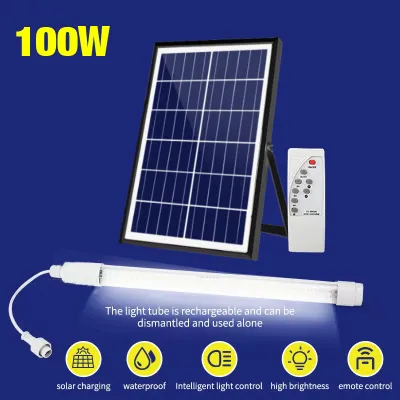
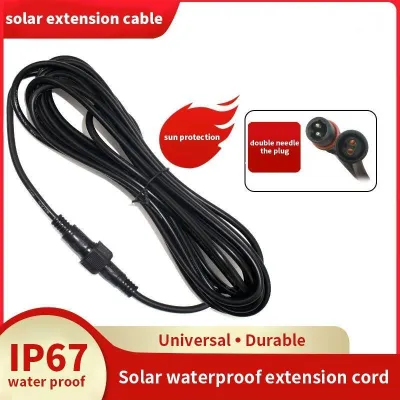
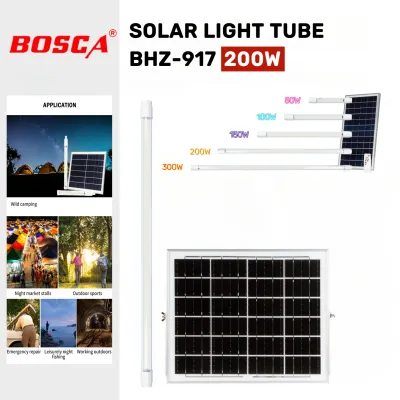
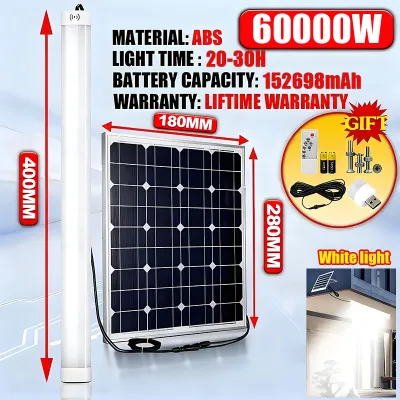
![[Free shipping]Solar Tube Light Outdoor Waterproof IP67 Rechargeable 120000W 80000W 60000W LED Solar Emergency Light Spotlight Outdoor Portable Automatic Lighting With Panel Remote Control](https://img.lazcdn.com/g/p/bd04ebc116180d92113f132c1ce5d8ea.png_400x400q80.png_.webp)
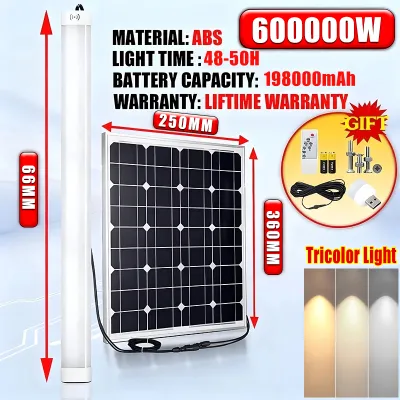
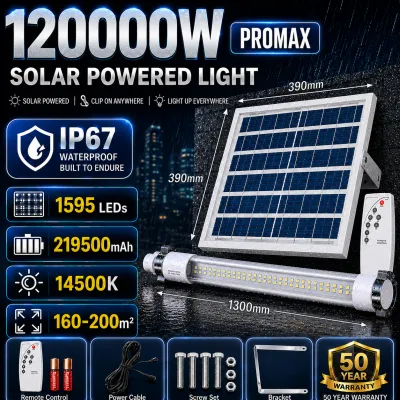
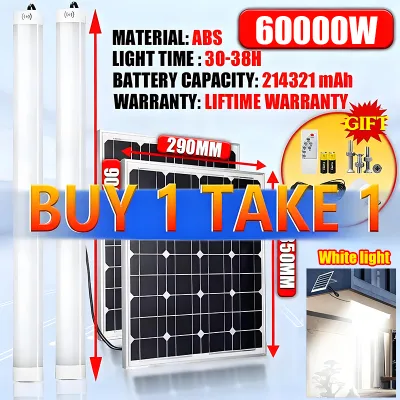
Prices are valid at publication and may change. Please refer to the product page for the latest price.
Every solar tube light system consists of four primary components: a solar panel, a rechargeable battery, the LED tube itself, and the protective housing. During the day, the solar panel absorbs sunlight and converts it into electrical energy, which is stored in the rechargeable battery. When twilight falls, an integrated light sensor automatically triggers the battery to power the LEDs. Under normal operating conditions, high-quality LED components can last for several years, while the rechargeable batteries typically have a lifespan of one to three years before they require replacement. Understanding these components helps you set realistic expectations for maintenance and longevity, ensuring your balcony remains beautifully lit for seasons to come.
Key Features to Look for in Ambient Solar Tube Lights
When shopping for solar tube lights on local ecommerce platforms or at home improvement stores—where quality options typically range from ₱500 to ₱1,500—paying close attention to technical specifications will help you avoid buyer’s remorse. The first specification to verify is the color temperature. To achieve a truly cozy and warm atmosphere, look for products explicitly labeled between 2200K and 3000K. This range delivers a soft, golden-yellow glow that enhances wood finishes, potted plants, and outdoor textiles. Avoid any products labeled “cool white” or those with Kelvin ratings above 4000K, as these will cast a stark, bluish light that is poorly suited for relaxation.

Brightness and battery capacity are equally important considerations. Balcony lighting should enhance your space without causing glare or discomfort. Look for tube lights with a moderate lumen output—generally between 50 and 150 lumens for the entire length—which provides enough visibility to read or converse without overpowering the area. To ensure your lights remain illuminated throughout the evening, check the battery capacity listed on the packaging. A battery capacity of 800mAh to 1200mAh is usually sufficient to power low-lumen LED tube lights for six to eight hours on a full charge, which is more than enough for typical evening use.
Given the tropical climate of the Philippines, material durability and weatherproofing are non-negotiable. High humidity, intense daytime heat, and heavy seasonal rains can quickly ruin poorly made outdoor electronics. Always check the Ingress Protection (IP) rating of the light fixture. An IP rating consists of two numbers: the first indicates protection against solids like dust, and the second indicates protection against liquids. For a condo balcony, look for a minimum rating of IP44, which protects against water splashes from any direction. However, if your balcony is highly exposed to driving rain during typhoon season, upgrading to IP65 or IP67 fixtures is a much safer choice. Additionally, ensure the outer tubing is made of UV-resistant silicone or heavy-duty PVC to prevent the material from yellowing, cracking, or becoming brittle under the intense tropical sun.
Finally, consider the design of the solar panel and how it connects to the tube light. Solar tube lights generally come in two configurations: integrated designs, where the solar panel is built directly into the light fixture or sits at the very end of the tube, and split-panel designs, where a separate solar panel is connected to the tube light via a long lead wire. For most condo balconies, especially those with deep concrete overhangs that block overhead sunlight, split-panel designs are highly practical. This setup allows you to mount the solar panel on the outermost edge of your railing where it can capture maximum sunlight, while the decorative tube light is routed safely along the inner walls or ceiling of your shaded balcony.
Assessing Your Condo Balcony for Solar Light Placement
Before purchasing any lighting equipment, it is essential to conduct a thorough assessment of your balcony’s layout and environmental conditions. Start by tracking the daily sunlight exposure your balcony receives. Because high-rise buildings are often shaded by neighboring towers or deep structural overhangs, your balcony may only receive direct sunlight for a few hours a day, or perhaps only during specific seasons. Note which areas receive uninterrupted, direct sunlight, as this is where your solar panel must be positioned. If your balcony faces north or is heavily shaded throughout the day, you will need to be highly strategic with panel placement, or consider whether a solar-powered system is viable for your specific location.
Next, evaluate the physical structure of your balcony to plan your installation. Measure the length of your railings, walls, and any overhead beams to determine how many meters of tube lighting you will need. Take note of the materials used in your balcony’s construction, such as concrete, glass, metal railings, or wooden accents. This will dictate the mounting methods you can use. For instance, metal railings are perfect for securing flexible tube lights with zip ties, while glass panels may require specialized suction cups or non-damaging adhesive clips.
It is also crucial to review your condominium association’s house rules and guidelines regarding exterior modifications. Many condo developments in urban areas have strict regulations to maintain a uniform building appearance and ensure safety. Drilling into exterior concrete walls or structural columns is almost always prohibited, as it can compromise waterproofing membranes or structural integrity. Furthermore, hanging heavy items over the edge of the balcony is a major safety hazard, particularly during high winds or typhoons. Ensure your planned lighting setup is completely non-invasive, temporary, and securely fastened within the interior perimeter of your balcony.
Lastly, plan your lighting layout with neighborly courtesy in mind. High-rise living means your neighbors are often just a few meters away. To prevent light pollution and maintain privacy, position your solar tube lights so that the glow is directed inward toward your seating area or downward along the floor. Avoid wrapping lights in a way that casts bright, direct light into adjacent units or onto the windows of buildings opposite yours. Soft, diffused tube lights are naturally less intrusive than exposed bulbs, but thoughtful placement ensures your cozy retreat does not become a nuisance to others.
Installation, Maintenance, and Safety Checks
Installing solar tube lights on a condo balcony is a straightforward task that can be completed safely without professional electrical help, provided you follow a few basic guidelines. For a secure, damage-free installation, use high-quality, UV-resistant plastic zip ties to attach the tube lights to your balcony railing. If you are mounting the lights along a concrete wall or ceiling, opt for outdoor-rated, removable adhesive clips designed to withstand moisture and heat. Avoid using metal staples, nails, or screws, as these can easily puncture the protective plastic tubing, exposing the internal wiring to moisture and creating a short-circuit hazard. When positioning the solar panel, angle it upward at approximately 10 to 15 degrees to maximize sun exposure and allow rainwater to run off easily.
Routine maintenance is essential to keep your solar lighting system operating efficiently, especially in dusty urban environments. Over time, a thin layer of dust, soot, and atmospheric grime can accumulate on the surface of the solar panel, significantly reducing its ability to absorb sunlight. Wipe the panel clean with a damp microfiber cloth every few weeks; avoid using harsh chemical cleaners or abrasive pads that could scratch the protective glass or plastic cover. Additionally, inspect the tube housing periodically for any signs of water ingress, such as internal condensation or cloudiness. If you notice moisture buildup inside the tube, turn off the system, disconnect the power source if possible, and allow it to dry completely in a shaded area before checking for cracks in the seals.
Rechargeable batteries are the heart of your solar lighting system, but they do not last forever. If you notice that your tube lights only stay illuminated for an hour or two after a sunny day, or if they fail to turn on at all, the battery is likely reaching the end of its useful life. Check the manufacturer’s specifications to determine if the battery is user-replaceable. Most systems use standard rechargeable AA or AAA NiMH batteries, which can be easily swapped out by opening the battery compartment on the back of the solar panel. Always replace old batteries with the exact voltage and capacity recommended by the manufacturer, and ensure you dispose of the old batteries responsibly at a local e-waste recycling center rather than throwing them in the household trash.
Safety should always be your top priority when working on a condo balcony. Never attempt to mount lights or solar panels on the outside of high-rise railings where you must lean over the edge or use unstable ladders. If your installation requires routing wires through exterior walls or mounting fixtures at a height that feels unsafe, stop and consult your building’s maintenance team or a qualified professional. Always ensure that all electrical connections, plugs, and battery compartments are kept dry and positioned well above the balcony floor to prevent contact with standing water during heavy downpours.
Frequently Asked Questions (FAQ)
Do solar tube lights work on covered or shaded balconies?
Yes, solar tube lights can work on covered or shaded balconies, but their performance depends heavily on the design of the system. Standard integrated solar lights, where the panel is attached directly to the light, will struggle to charge if placed under a deep balcony roof. To solve this issue, choose a split-panel solar tube light system. This design features a separate solar panel connected to the light tube by a long wire, allowing you to mount the panel on the outermost edge of your railing where it can receive direct sunlight, while the decorative tube light remains shaded. If your balcony receives absolutely no direct sunlight due to surrounding buildings, solar lights may not be viable, and you should consider USB-rechargeable or battery-powered alternatives instead.
How long do the batteries in outdoor solar tube lights typically last?
The rechargeable batteries inside outdoor solar tube lights typically last between one and three years before they need to be replaced. High ambient temperatures and humidity, which are common in tropical climates, can accelerate the degradation of these batteries. You can identify a failing battery when the lights run for a significantly shorter duration at night or fail to turn on even after a full day of clear sunlight. To replace the battery, check the product manual or the back of the solar panel to see if the compartment is accessible. Always use replacement batteries that match the exact chemistry, voltage, and capacity specified by the manufacturer to ensure safe and efficient operation.

Community discussion
Share your experience or ask a question. Comments are reviewed before publication.