
Selecting the right spot lights for wall installations in narrow corridors requires balancing physical clearance, visual comfort, and proper light distribution. In typical Filipino homes, where hallways are often compact and high-traffic, the ideal fixtures are low-profile, adjustable wall spot lights. These fixtures should feature a shallow depth to prevent physical obstruction, offer adjustable heads to direct light away from eye level, and operate safely on the standard local voltage. By focusing on these key specifications, you can transform a dark, cramped passage into a welcoming, visually spacious walkway.
Lighting Challenges in Narrow Philippine Corridors
Narrow hallways in Filipino homes—whether in modern vertical condominiums, traditional townhouses, or suburban family residences—present unique spatial and visual constraints. Because these passages are highly confined, any light fixture mounted on the wall sits in close proximity to your eyes. This close range increases the risk of harsh glare, which can cause immediate visual discomfort and eye strain as you walk through the space.
Physical obstruction is another major concern in tight corridors. Bulky or heavily protruding fixtures can easily become physical hazards. Family members can bump into them while carrying laundry baskets, moving furniture, or navigating the dark at night. A poorly chosen fixture that sticks out too far narrows the usable walkway even further, making the space feel cramped and uncomfortable.
Products mentioned in this guide
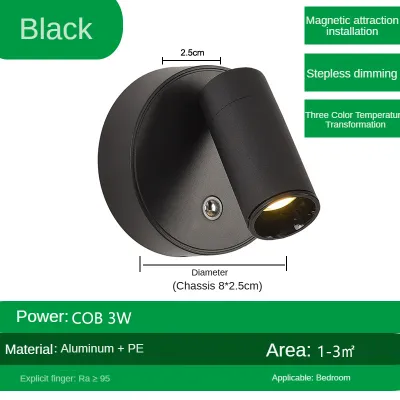
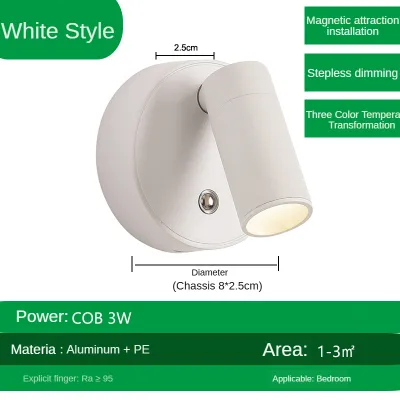
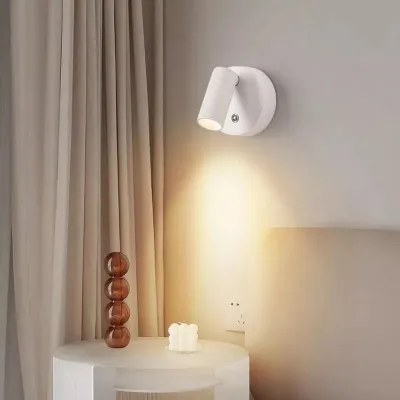
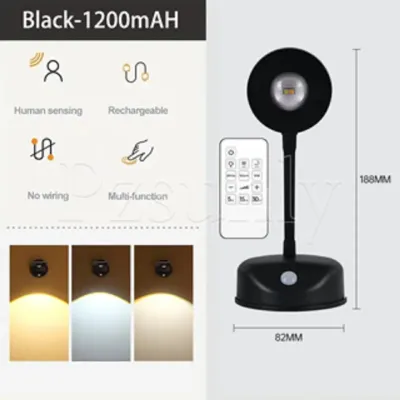
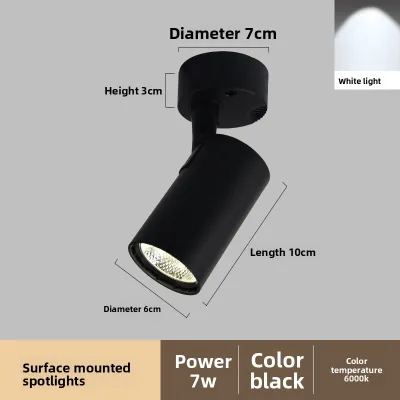
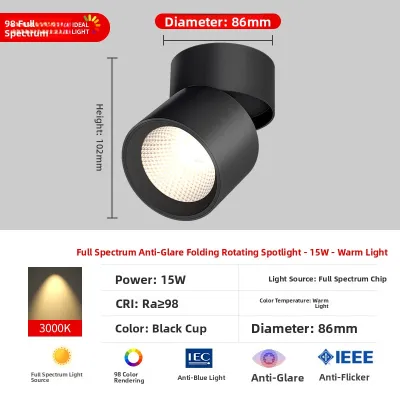
Prices are valid at publication and may change. Please refer to the product page for the latest price.
Finally, achieving the right balance between ambient illumination and accent lighting is a delicate task. Too much direct light can overwhelm a small area, creating harsh shadows and a clinical atmosphere. Conversely, insufficient light makes the corridor feel gloomy and unsafe. The goal is to use wall-mounted spot lights to add visual depth, highlighting wall textures or artwork without overpowering the limited physical space.
Key Specifications for Corridor Wall Spot Lights
To find the perfect spot lights for wall mounting, you must carefully evaluate how their technical specifications align with your hallway’s physical dimensions. The interaction between beam angle, physical profile, and light output determines how comfortable and functional the space will be. Before making any purchase, always read the manufacturer’s specification sheets to verify these details.

Beam Angle and Light Distribution
The beam angle of a wall spotlight dictates how the light spreads across your corridor surfaces, directly influencing how large or small the space feels.
- Narrow Beam Angles (15 to 24 degrees): These tight beams are excellent for accent lighting. If you want to highlight family photographs, paintings, or specific architectural features along the corridor, a narrow beam focuses the light precisely on the target without spilling excess light into the rest of the hallway.
- Wide Beam Angles (36 degrees or more): If your goal is general illumination, wider beam angles are more suitable. They allow for wall washing, a technique where light is spread evenly across the wall surface. This soft, diffused light bounces off the walls, making the narrow corridor feel visually wider and more open.
- Adjustable Spotlight Heads: Look for fixtures that offer rotation and tilt adjustments. Checking product labels for these rotation limits ensures you can direct the light exactly where it is needed, preventing the beam from shining directly into the eyes of anyone walking down the hall.
Fixture Size and Wall Protrusion
In a narrow corridor, every centimeter of physical space matters, making the physical dimensions of your wall sconce a critical safety and comfort factor.
- Measuring Wall Clearance: Before browsing online marketplaces or local lighting stores, measure the exact width of your corridor and the typical shoulder clearance needed for comfortable passage.
- Flush-Mount vs. Adjustable Designs: Flush-mount spotlights sit flat against the wall, offering the lowest profile and minimizing the risk of accidental bumps. Semi-flush or adjustable arm designs offer more flexibility in directing light but protrude further into the walkway.
- Verifying Protrusion Limits: Always check the exact product dimensions on the packaging or spec sheet. For narrow corridors, aim for fixtures with a minimal protrusion depth—ideally keeping the fixture profile as close to the wall as possible to maintain an unobstructed path.
Brightness and Color Temperature
The intensity and tone of the light play a massive role in setting the mood and ensuring visual comfort in a confined space.
- Lumen Output Over Wattage: Do not rely solely on wattage equivalents when choosing your bulbs or integrated LED fixtures. Instead, read the actual lumen output on the product label. For a narrow corridor, you generally want soft, low-to-medium brightness that provides sufficient visibility without blinding glare.
- Color Temperature Selection: Warm white (2700K to 3000K) and neutral white (4000K) are the most suitable options for residential hallways. Warm white creates a cozy, inviting atmosphere that complements traditional wood finishes and warm paint colors. Neutral white offers a cleaner, more modern look that pairs well with cool gray or crisp white walls.
- Dimming Compatibility: Consider choosing dimmable wall spot lights. This feature allows you to adjust the brightness levels based on the time of day, transitioning from bright daytime guidance to soft, low-level night lighting. Always verify that the fixture is compatible with your existing wall switches or dimming controllers.
Electrical and Installation Safety Checks
Installing wall-mounted fixtures requires careful attention to electrical safety and local standards to ensure long-term reliability in your home.
- Voltage Compatibility: In the Philippines, the standard residential electrical supply is typically 220V to 240V at 60Hz. Before purchasing any spot lights for wall mounting, verify the voltage rating on the fixture's rating plate to prevent electrical hazards or premature product failure.
- Junction Box Requirements: Determine whether your corridor walls already have built-in junction boxes. If you are replacing old fixtures, the existing boxes must match the mounting bracket of your new spotlights. For new installations where no wiring exists, you will need to plan safe routing for electrical wires, whether through internal wall conduits or neat surface-mounted molding.
- Power Isolation: Before starting any installation or maintenance work, always isolate the power by turning off the corresponding circuit breaker at your home's main electrical panel. Never rely solely on the wall switch to cut the power.
- Professional Boundaries: While basic fixture replacement can sometimes be a DIY task, you should consult a licensed electrician for complex jobs. This includes running new electrical lines, making structural modifications to your walls, or installing fixtures in damp-prone areas, such as corridors adjacent to bathrooms or semi-outdoor entryways exposed to tropical humidity.
How to Build Your Corridor Lighting Shortlist
Creating a shortlist of potential wall spot lights involves matching your corridor’s physical layout with the technical specifications of the fixtures.
- Mapping Fixture Spacing: Measure the total length of your corridor and note the positions of doors and intersecting rooms. Space your wall spotlights evenly along the hallway to ensure consistent light coverage without dark zones. Avoid placing fixtures directly opposite doors where they might obstruct movement or shine directly into bedrooms.
- Aesthetic and Functional Balance: Choose a design style that complements your home's interior decor, but never sacrifice functional clearance for aesthetics. A beautiful, elaborate fixture is impractical if it constantly gets bumped by passersby.
- Warranty and IP Ratings: Review the manufacturer's warranty terms and return policies before finalizing your purchase. If your corridor is exposed to high humidity, steam from an adjacent bathroom, or outdoor drafts, look for fixtures with an appropriate Ingress Protection (IP) rating to ensure they are protected against moisture and dust.
Frequently Asked Questions (FAQ)
Can I use standard ceiling spotlights on the wall?
It is crucial to check the manufacturer’s instructions before mounting a ceiling spotlight on a wall. Some fixtures are designed specifically for vertical downward orientation and may not dissipate heat correctly when mounted horizontally on a wall. Wall mounting can alter the airflow around the fixture, potentially leading to overheating, reduced LED lifespan, or even safety hazards. Additionally, using a fixture outside its rated application can void the manufacturer’s warranty. Always select fixtures explicitly certified for wall-mount installation.
How do I prevent glare from wall spotlights in a narrow hallway?
To minimize direct eye exposure to the light source in a tight space, select spot lights for wall mounting that feature deep baffles, louvers, or built-in glare shields. These design elements recess the light source deeper within the fixture housing, hiding the bulb from direct view. Another effective method is adjusting the tilt angle of the spotlight head. Aim the light downward toward the floor or directly at the wall surface rather than at eye level. This creates an indirect wall-washing effect, bouncing soft, comfortable light off the wall to illuminate the corridor safely.

Community discussion
Share your experience or ask a question. Comments are reviewed before publication.