
Selecting the ideal CBlue solar light for your garden in the Philippines requires matching the physical design and technical specifications of each fixture to the unique demands of your outdoor spaces. Whether you want to guide footsteps safely along a winding pathway, highlight the lush textures of tropical foliage in your flower beds, or establish a warm, inviting ambiance on an open patio, the right choice depends on understanding how these fixtures function in a tropical environment. Because product lineups and specific model numbers frequently change, the most reliable approach is to evaluate the physical form factor, light distribution pattern, and certified specifications printed on the product packaging. By verifying key metrics such as Ingress Protection (IP) ratings, battery capacities, and lumen outputs, you can design a reliable, energy-independent lighting system that withstands intense seasonal rains and high humidity.
Understanding Garden Lighting Needs by Zone
Designing an effective outdoor lighting layout begins with separating functional requirements from purely aesthetic goals. Pathways and transition zones demand functional lighting that prioritizes safety, clear visibility, and consistent coverage to prevent trips and falls. In contrast, flower beds, ornamental trees, and architectural features benefit from accent lighting, which uses focused beams to create depth, shadow, and visual interest after dark. Social spaces like patios, decks, and outdoor dining areas require ambient lighting that provides comfortable, low-glare illumination suitable for extended gatherings.
The spread and intensity of light must align with these spatial purposes to avoid visual discomfort. A wide, diffused light spread is ideal for general area illumination and pathways, as it minimizes harsh shadows and covers more ground with fewer fixtures. Focused, narrow beams are better suited for highlighting specific vertical elements, such as the trunk of a palm tree or a stone garden wall, without spilling light into unwanted areas. Balancing these light patterns prevents light pollution within your yard and ensures that your garden feels cohesive rather than chaotic.
Products mentioned in this guide
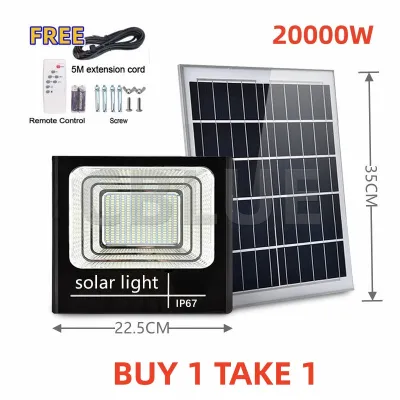
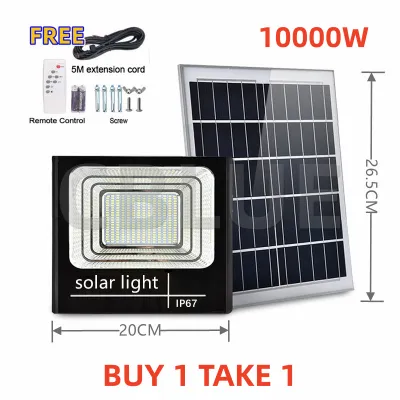
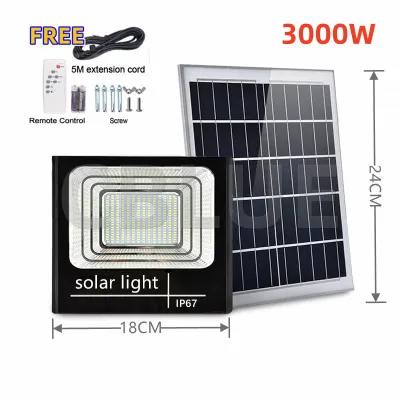
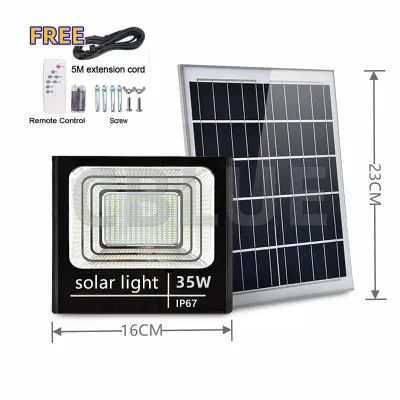
![[BUY 1 TAKE 1]CBLUE Solar Ceiling light Energy Saving 5 Years Warranty Indoor waterproof Outdoor Garden pandent light With Line Corridor light for Decor lighting](https://img.lazcdn.com/g/p/735ec1047e58611652d8307a3effe9a8.png_400x400q80.png_.webp)
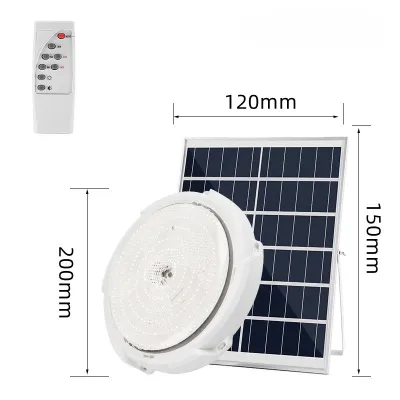
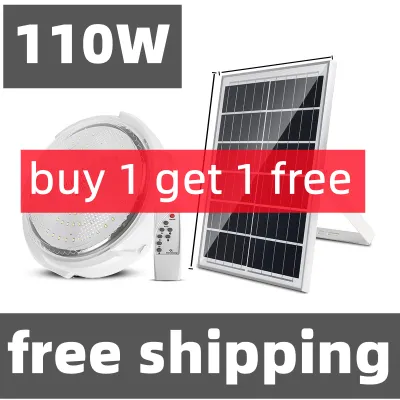
Prices are valid at publication and may change. Please refer to the product page for the latest price.
Surrounding foliage and hardscaping materials also play a critical role in how light behaves in your garden. Dense tropical plants, such as broad-leafed monsteras or thick ferns, can block light paths and cast deep, unpredictable shadows if fixtures are placed too low or too close to the ground. Conversely, light-colored concrete pathways, light stone tiles, or painted retaining walls reflect light, effectively multiplying the perceived brightness of lower-lumen fixtures. Analyzing these reflective surfaces and potential obstructions beforehand helps you determine the exact placement and height required for each solar light.
Matching CBlue Solar Light Types to Your Garden Zones
To achieve a balanced and functional landscape design, you must match the physical form factor of your CBlue solar lights to the specific environmental conditions and visual goals of each garden zone. Different areas require distinct mounting styles, light directions, and physical durability levels to perform reliably over time.

Pathways and Walkways
When illuminating pathways, walkways, and garden steps, the primary objective is to guide movement safely without projecting blinding light directly into the eyes of walkers. For these areas, look for CBlue path lights designed with downward-facing LEDs or integrated frosted diffusers that direct the light output toward the ground. This design ensures that the walking surface remains clearly visible while keeping the light source shielded from direct view, reducing glare and eye strain.
Before purchasing, check the product packaging or manufacturer specifications for recommended installation heights and spacing intervals. Path lights that sit too low to the ground may have a very narrow light footprint, requiring you to buy and install more fixtures to cover the same distance. Spacing recommendations help you calculate exactly how many units are needed to create a continuous, overlapping path of light along your walkway, preventing dark gaps where hazards might hide.
Additionally, verify that the mounting mechanism of the path light is compatible with your specific ground conditions. Most solar path lights use ground stakes, which are ideal for soft garden soil, grass, or mulched borders. If your pathway is bordered by solid concrete, stone pavers, or wooden decking, you will need to look for models that offer flat-mounting bases or brackets that can be secured with screws to hard surfaces.
Flower Beds and Landscape Features
Accenting the natural beauty of flower beds, shrubs, and unique landscape features requires directional lighting that can be adjusted to highlight specific focal points. CBlue spotlights and well lights are excellent choices for these zones, particularly models featuring adjustable heads or pivoting joints. This flexibility allows you to position the solar panel toward the sun while angling the light fixture itself directly at a prized plant, statue, or architectural detail.
To achieve the desired visual effect, review the beam angle specifications printed on the product label. A narrow beam angle, typically between 15 and 30 degrees, creates a concentrated spotlight effect that is perfect for tall, slender features like palms or columns. A wider beam angle, ranging from 60 to 120 degrees, provides a broad floodlight effect that is better suited for illuminating wide shrubberies, low flower beds, or expansive garden walls.
Color temperature is another critical factor that influences the mood and appearance of your landscape features. Warm white light (around 2700K to 3000K) highlights the rich earthy tones of wood, stone, and warm-colored flowers, creating a cozy and inviting atmosphere. Cool white light (4000K to 5000K) can make green foliage appear more vibrant and modern, though it should be used selectively to avoid a stark, clinical look. Treat these color temperatures as conditional preferences based on your personal style and the existing colors of your garden.
Patio and Seating Areas
Patios, decks, and outdoor seating areas serve as extensions of the home where family and friends gather to relax, meaning the lighting must be comfortable and atmospheric. For these social zones, prioritize CBlue ambient lights, such as solar-powered string lights, hanging lanterns, or low-profile deck post lights. These fixtures provide soft, omnidirectional illumination that spreads gently across the space, avoiding the harsh, directional glare associated with security spotlights.
When selecting ambient lights, pay close attention to the total coverage length of string lights or the stated lumen output of individual deck fixtures. For string lights, measure your patio structure or railing beforehand to ensure the product length is sufficient to drape across the desired area without tension. The goal is to achieve a gentle wash of light that allows for face-to-face conversation and safe movement, rather than high-intensity illumination that mimics indoor task lighting.
Mounting compatibility is also vital for patio installations, as these fixtures are often attached to permanent structures rather than inserted into the ground. Check the product details to confirm that the mounting hardware—such as clips, hooks, zip-tie loops, or screw brackets—is compatible with your wooden pergolas, metal railings, or concrete walls. Ensuring a secure attachment prevents the lights from sagging, blowing away during strong winds, or damaging your outdoor structures.
Key Specifications to Check Before Buying
To ensure your CBlue solar lights deliver reliable performance in the demanding outdoor environments of the Philippines, you must carefully evaluate several technical specifications before making a purchase. Relying solely on product photos or basic descriptions can lead to premature product failure or inadequate lighting.
First and foremost, check the Ingress Protection (IP) rating printed on the product label or user manual. The IP rating consists of two digits: the first indicates protection against solid objects like dust, and the second indicates protection against liquids. For general garden use, look for a minimum rating of IP65, which certifies that the fixture is dust-tight and protected against water jets. For ground-level well lights or fixtures placed in areas prone to temporary pooling water during heavy downpours, an IP67 rating is highly recommended to ensure the light remains completely sealed against water submersion.
Next, compare the battery capacity and the type of solar panel integrated into the fixture. Solar panels made of monocrystalline silicon generally offer higher energy conversion efficiency than polycrystalline panels, allowing them to charge more effectively on overcast days. Pair this with the battery capacity, typically measured in milliampere-hours (mAh). A larger battery capacity allows the fixture to store more energy, which is crucial for maintaining illumination throughout the night, especially when daytime charging conditions are less than ideal.
Verify the stated lumen output and estimated lighting duration to ensure they match your practical expectations. Lumens measure the total amount of visible light emitted by the source; path lights typically require 50 to 200 lumens, while accent spotlights may need 300 lumens or more. Check the packaging to see how many hours of continuous light the fixture can provide on a full charge, keeping in mind that these estimates are based on optimal sunlight exposure during the day.
Finally, always verify the warranty terms, electrical certifications, and return policies when purchasing CBlue solar lights from online marketplaces or official brand stores. A reputable manufacturer or seller should offer a clear warranty period covering manufacturing defects, water ingress, or premature battery failure. Understanding these policies protects your investment and provides a clear path for replacements or repairs if a fixture fails to perform as advertised.
Installation and Maintenance in the Philippines
Proper installation and regular maintenance are essential to maximize the lifespan and performance of your solar lights, particularly under the intense sun, high humidity, and heavy rainfall characteristic of the Philippine climate. Taking a proactive approach to placement and care ensures your lights charge efficiently and operate safely year-round.
When installing your solar lights, position the solar panels in areas that receive direct, unshaded sunlight for the maximum number of hours each day. Take note of the local sun path, which shifts slightly throughout the year, and avoid placing panels directly under wide roof eaves, dense tree canopies, or the shadow of your home. Even partial shading on a small portion of a solar panel can drastically reduce its charging efficiency, leading to dim lights or short runtimes at night.
Routine cleaning is vital to keep your solar lights functioning at their peak. Over time, a film of dust, pollen, salt spray, and tropical grime can accumulate on the surface of the solar panel and the light cover, blocking sunlight and reducing energy absorption. Wipe the panels and light covers down periodically with a soft, damp microfiber cloth and mild soapy water; avoid abrasive scrubbers or harsh chemical cleaners that could scratch or degrade the protective plastic coatings.
Safety must always be your top priority during installation. If your lighting plan involves working at heights—such as mounting solar panels or string lights along high rooflines or tall trees—ensure you use stable ladders and appropriate safety gear. Furthermore, if you are integrating solar fixtures near existing electrical wiring, or if you decide to modify permanent outdoor electrical outlets to support your setup, stop immediately and consult a qualified professional. Always isolate the power supply before working near any active electrical lines to prevent accidental shocks.
Lastly, monitor the health of the rechargeable batteries inside your fixtures. Over several years of continuous charge and discharge cycles, solar batteries naturally lose their capacity to hold a charge. When you notice a significant decrease in nightly runtime despite sunny daytime conditions, check the user manual for instructions on replacing the rechargeable cells. Always use the exact battery chemistry, voltage, and size specified by the manufacturer, and dispose of the old batteries responsibly at an authorized recycling center.
Frequently Asked Questions (FAQ)
Do CBlue solar lights work during the rainy season in the Philippines?
Yes, solar lights continue to function during the rainy season, but their performance and nightly runtime will be reduced. During periods of prolonged cloud cover and heavy monsoon rains, solar panels receive significantly less direct sunlight, which limits their ability to fully charge the internal battery. To mitigate this, check the product specifications for a high-capacity battery and an efficient monocrystalline solar panel, which can maximize energy absorption even on overcast days. Some advanced models also feature power-saving modes that automatically dim the light output to conserve battery life, allowing the fixture to provide basic visibility over multiple cloudy days.
Can I replace the batteries in my CBlue solar garden lights?
Whether you can replace the batteries depends entirely on the specific design of your CBlue solar light model. You must consult the product’s user manual or inspect the underside of the fixture to determine if it features a user-accessible battery compartment secured by screws. If the compartment is accessible, you can replace the old rechargeable battery once it reaches the end of its lifecycle. When doing so, it is critical to match the exact battery type (such as NiMH or Li-ion), voltage (such as 1.2V or 3.7V), and milliampere-hour (mAh) capacity specified by the manufacturer to prevent damaging the internal circuitry or creating a safety hazard. If the housing is completely sealed to maintain water resistance, attempting to force it open will void the warranty and compromise the light’s waterproof seal.

Community discussion
Share your experience or ask a question. Comments are reviewed before publication.