
Creating a cozy reading corner at home requires more than just a comfortable armchair; it demands a lighting solution that balances targeted task illumination, glare control, and spatial aesthetics. A designer floor lamp serves as both a functional tool and a striking visual anchor for your nook. To find the perfect match, you must look beyond the exterior design and evaluate how the lamp directs light, fits your physical space, and integrates with your home’s electrical setup. By focusing on these practical elements, you can curate a reading environment that is both visually inspiring and comfortable for extended use.
Identifying the Right Light Direction and Quality for Reading
Reading requires focused, glare-free illumination to prevent eye strain during long sessions. When evaluating a designer floor lamp, prioritize models with adjustable lamp heads or articulated arms. These features allow you to direct the light beam precisely onto your book, e-reader, or notebook, preventing shadows cast by your head or shoulders. A swing-arm design or a flexible gooseneck offers the versatility needed to adjust the light angle as you shift your seating position.
Next, check the product specifications for anti-glare shades or built-in diffusers. A solid metal or opaque shade concentrates light downward in a defined cone, which is excellent for task lighting but can create harsh contrast if the rest of the room is dark. Conversely, a frosted glass, fabric, or paper shade diffuses the light more evenly, softening the output. Look for designs where the bulb is recessed or shielded from direct line of sight when you are seated.
Products mentioned in this guide
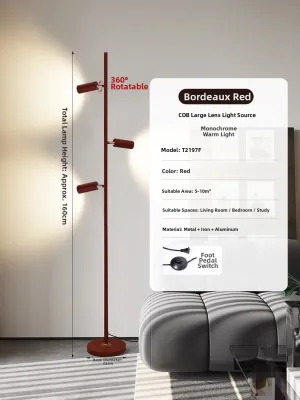
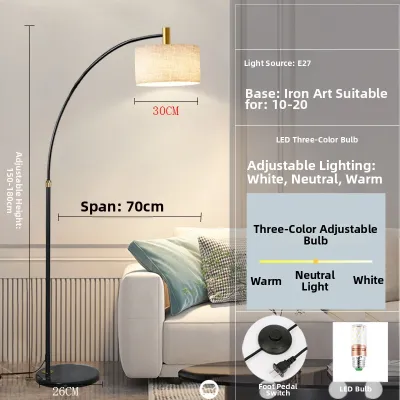
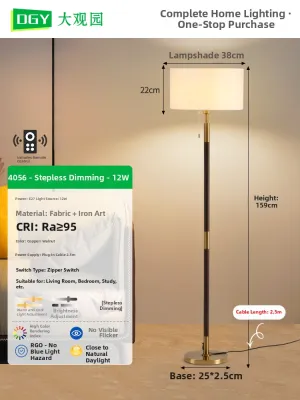
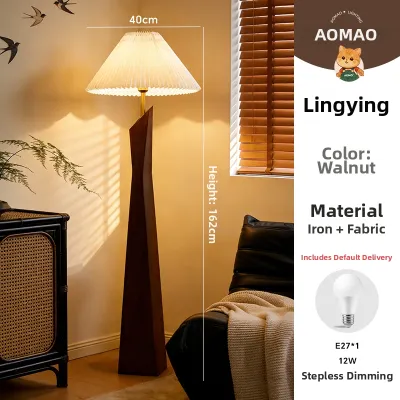
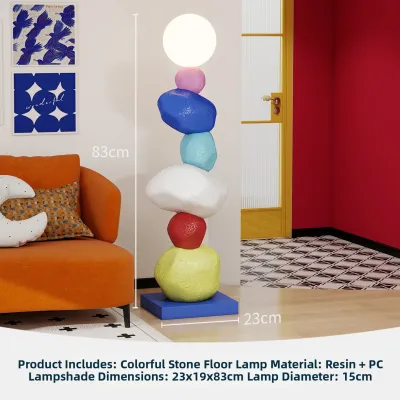
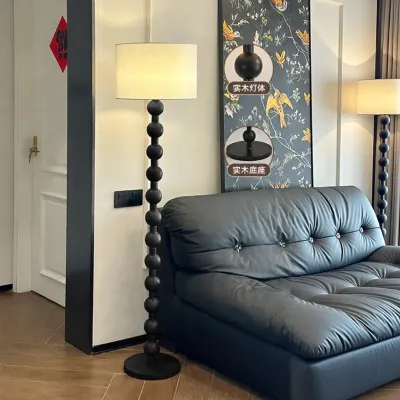
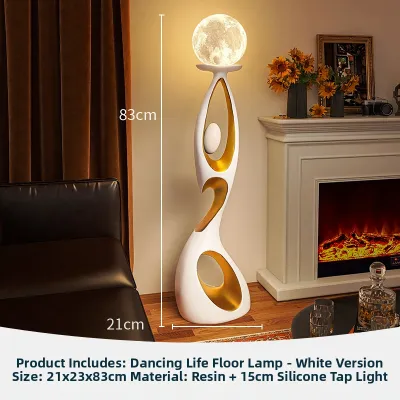
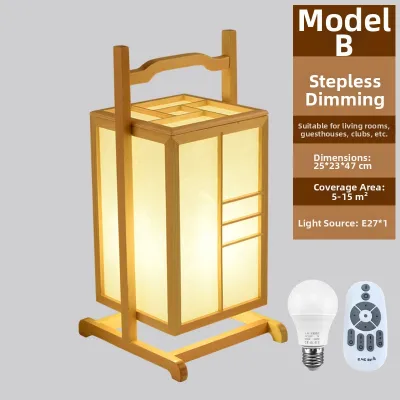
Prices are valid at publication and may change. Please refer to the product page for the latest price.
Finally, verify the availability of dimming functions and adjustable color temperature ranges on the product label. For reading, a warm white light of around 2700K to 3000K is highly recommended to promote relaxation, while a neutral white of around 4000K can enhance text contrast. Choosing a lamp that supports dimmable LED bulbs or features integrated step-dimming allows you to transition the space from a bright study nook to a relaxed evening retreat.
Choosing a Designer Silhouette That Fits Your Nook
The physical footprint of a designer floor lamp must align with your reading corner’s layout to ensure both comfort and safety. Compare the spatial footprint of arc lamps versus straight task lamps based on the measured floor area around your reading seat. Arc lamps feature a dramatic, curved arm that extends the light source over the back of an armchair or sofa. This design allows you to position the light directly overhead without placing the base immediately next to your seat, though it requires significant overhead clearance and a larger floor area to accommodate the sweeping arm.

In contrast, straight task lamps or classic club lamps have a much smaller footprint, making them ideal for tight corners or compact spaces. When selecting a straight lamp, assess the base weight and diameter specifications on the product packaging. A heavy, wide base is essential for maintaining stability and preventing tipping hazards, particularly in high-traffic areas or homes with active pets and children.
Additionally, evaluate the material finishes and structural lines to ensure visual harmony with your existing room decor. In tropical climates like the Philippines, high humidity can affect certain materials over time. Look for durable finishes such as powder-coated steel, treated brass, or sealed wood. These materials not only resist moisture-related wear but also add a sophisticated texture that complements your home’s aesthetic.
Verifying Electrical and Functional Specifications
Before purchasing any designer lighting, verify its electrical compatibility with local standards to ensure safe and reliable operation. Confirm the voltage compatibility and plug type for local use in the Philippines. The standard residential voltage is 220V at 60Hz, typically utilizing Type A or Type B plugs. Importing a lamp designed solely for 110V systems without a compatible transformer can lead to electrical failure, short circuits, or safety hazards.
Next, check the bulb socket type and the maximum wattage limits specified by the manufacturer. Many designer lamps utilize standard E27 screw bases, which accommodate a wide variety of energy-efficient LED bulbs. Always adhere to the maximum wattage limit printed on the socket label; exceeding this limit can cause heat buildup, damaging the lamp’s wiring, shade, or delicate internal components.
Finally, evaluate the placement and type of physical switches or smart controls. A foot-pedal switch on the power cord is convenient if the cord is easily accessible on the floor, but an inline switch or a rotary switch located on the lamp pole or head is much easier to operate while seated. If you plan to integrate the lamp into a smart home system, verify that the switch mechanism supports continuous power flow to allow for remote or voice-controlled operation.
Positioning Your Lamp for Comfort and Safety
Proper placement of your designer floor lamp maximizes reading comfort while maintaining a safe living environment. Determine the optimal height and distance between the lamp shade and your reading material to avoid shadows and direct glare. Ideally, the bottom of the lamp shade should be roughly at eye level when you are seated in your reading chair. Placing the lamp slightly behind and to the side of your shoulder—opposite your dominant hand—prevents your body from casting shadows across the pages.
Plan your power cord routing carefully to maintain a clean aesthetic and prevent tripping hazards. Keep cords taut and routed along walls, or secure them under furniture legs. Avoid running cords under heavy rugs where heat can build up, or across open walkways where they can easily be caught.
For advanced setups, such as hardwired wall-mounted companion lights, integrated smart home hubs, or heavy suspended fixtures, always isolate the power at the main circuit breaker before installation. If the setup involves complex wiring or mounting at height, consult a qualified professional electrician to ensure compliance with local electrical codes and safety standards.
Frequently Asked Questions (FAQ)
Can a designer floor lamp provide enough light for reading without overhead lighting?
Yes, a designer floor lamp can serve as the primary light source for a reading nook, provided you evaluate its lumen output and beam angle specifications. For comfortable reading, look for a lamp or compatible LED bulb that delivers at least 450 to 800 lumens. Additionally, consider the impact of ambient natural light and wall color reflectivity in the room. Lighter walls reflect more light, making the space feel brighter and reducing the contrast strain on your eyes, whereas darker walls absorb light and may require a lamp with a wider beam angle or higher output to achieve the same level of comfort.
How do I clean and maintain the finish on a designer floor lamp?
To preserve the premium materials of your designer floor lamp, always check the manufacturer’s specific care instructions before applying any cleaning agents. Turn off and unplug the lamp, allowing the bulb to cool completely before cleaning. Use a dry or slightly damp microfiber cloth to gently wipe away dust from the shade, pole, and base. Avoid harsh chemical cleaners, abrasive pads, or alcohol-based solvents, which can strip, tarnish, or scratch specialized finishes like brass, copper, or delicate matte powder coatings.

Community discussion
Share your experience or ask a question. Comments are reviewed before publication.