
Illuminating your outdoor spaces requires balancing safety, functional visibility, and aesthetic appeal. If you are looking to upgrade your home’s exterior with an eecko outdoor solar light, understanding where and how you install these fixtures is key to getting the best performance. Garden pathways and driveways serve entirely different purposes, meaning a single lighting style cannot effectively serve both areas. By matching the specific features of your chosen solar fixtures to the unique demands of these two zones, you can create a beautifully lit landscape that withstands the elements while keeping your family safe.
Choosing the right outdoor lighting involves evaluating how people and vehicles interact with your property at night. While a pathway requires low-intensity, glare-free guidance for pedestrians, a driveway demands bright, wide-reaching illumination to ensure safe vehicular navigation. This guide breaks down the essential design, durability, and technical factors to consider when selecting solar lights for your garden paths and driveways.
Pathway vs. Driveway: Understanding the Core Lighting Differences
Garden pathways and driveways have distinct functional requirements that dictate the type of light fixtures you should install. Pathways are designed for foot traffic, where the primary goal is to guide pedestrians safely along a walkway without blinding them. This requires ambient, low-glare lighting that casts a soft glow downward onto the path. High-intensity beams in these areas can cause harsh shadows and temporary blindness, making it difficult to navigate uneven garden stones or steps.
Products mentioned in this guide
![TOP SELLER [32.4k Sold] EEKOO BUY 1 TAKE 1 Solar light promo sale outdoor waterproof with solar panel complete set home 60W 100W 200W 300W 5 Year Warranty Outdoor original Solar Induction Integrated Street LED Light automatic night light](https://img.lazcdn.com/g/p/d54239891162a2c3c1b4f6c6270967c2.jpg_400x400q80.jpg_.webp)
![TOP SELLER [161.1K Sold] EEKOO Solar Lights BUY 1 TAKE 1 Heavy Duty Led Outdoor Flood Light Street Lamp with Panel Set IP67 Waterproof for Garden yard wall gate post Automatic With Remote control 5 Year Warranty](https://img.lazcdn.com/g/p/cb0d1f87d5b1daba210fa7954f4230ce.jpg_400x400q80.jpg_.webp)
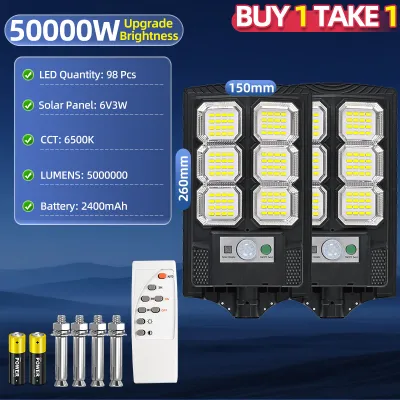
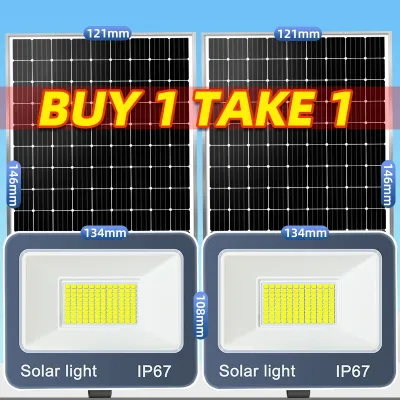
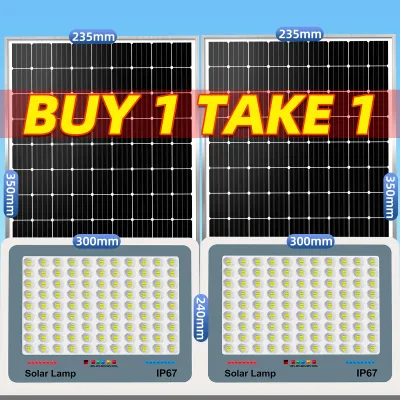
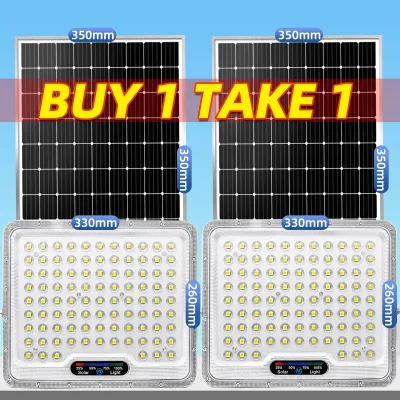
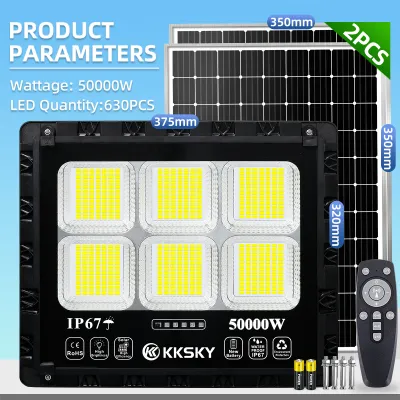
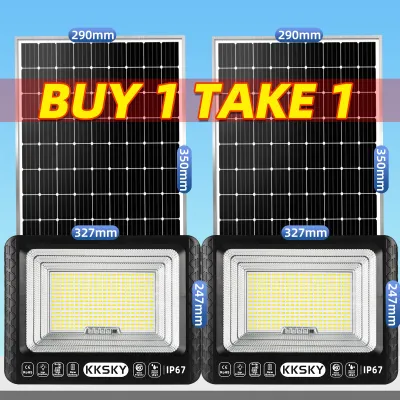
Prices are valid at publication and may change. Please refer to the product page for the latest price.
Driveways, on the other hand, require high-visibility, broad-coverage lighting to accommodate vehicles. Drivers need a clear view of the entire driveway boundary, potential obstacles, and the transition from the street to the parking area. Insufficient lighting in this zone increases the risk of minor accidents, such as running over garden borders, scraping walls, or failing to spot obstacles left in the driveway. Therefore, driveway lights must deliver a higher lumen output and a wider beam spread than pathway lights.
The physical environment also dictates the build quality and installation methods for each zone. Pathway lights are typically installed in soft soil, grass, or garden beds, where they face exposure to moisture, fertilizers, and routine garden maintenance. Driveway lights, however, are placed adjacent to hard surfaces like concrete, asphalt, or pavers. They must withstand the physical stress of nearby heavy vehicles, engine heat, exhaust emissions, and constant ground vibrations. Using a delicate pathway light near a driveway often leads to premature product failure due to accidental impacts or structural fatigue.
What to Look for in an Eecko Outdoor Solar Light for Garden Pathways
When selecting an eecko outdoor solar light for your garden pathways, height and beam angle are critical factors. Shorter stake lights, typically standing between 30 and 50 centimeters tall, are ideal for pedestrian walkways. These fixtures keep the light source close to the ground, directing the illumination downward or in a 360-degree diffuse pattern. This layout ensures the walking surface is clearly visible while keeping the bulb shielded from direct eye contact, preventing uncomfortable glare for anyone walking down the path.

The aesthetic appeal and light color temperature play a major role in how your garden looks at night. For pathways, warm white light temperatures (ranging from 2700K to 3000K) are highly recommended. Warm light creates a cozy, welcoming ambiance that complements natural landscaping, highlighting the textures of plants, flowers, and stone paths. Cool white light can often look clinical or overly harsh in a lush garden setting, detracting from the natural beauty of your outdoor decor.
Durability and placement stability are also essential for pathway installations. Because these lights are placed in soil or grass, they must feature high-quality, corrosion-resistant ground stakes that keep them upright during heavy rains. While they do not need the heavy impact resistance required for driveways, pathway lights must be durable enough to withstand accidental bumps from lawnmowers, weed whackers, or active pets. Choosing fixtures with UV-resistant housings ensures they will not crack or discolor under continuous exposure to intense tropical sunlight.
Key Features for Eecko Driveway Solar Lights
Driveway illumination demands a completely different set of specifications, starting with high brightness and wide coverage. To guide vehicles safely, look for solar lights that offer a higher lumen output—often starting at 200 lumens or more per fixture. The beam angle should be wide enough to cast light across the width of the driveway, reducing dark spots where hazards could go unnoticed. This level of brightness is particularly important during stormy nights when heavy rain can severely impair a driver’s visibility.
Mounting styles and fixture height must be chosen carefully to prevent damage from vehicles. Low-profile ground stakes are generally unsuitable for driveways because they are easily run over by car tires or obscured by vehicle overhangs. Instead, prioritize taller bollard styles, pillar lights mounted on concrete bases, or wall-mounted solar floodlights installed on adjacent walls or fences. Elevating the light source keeps the fixtures safely out of the path of vehicles while allowing the light to project further across the driveway surface.
Impact and weather resistance are paramount for driveway installations. The constant vibrations from vehicles passing over concrete or gravel can loosen poorly constructed fixtures over time. Driveway solar lights should feature robust housing materials, such as die-cast aluminum or heavy-duty stainless steel, coupled with secure mounting bases that can be bolted directly into hard surfaces. These heavy-duty materials ensure the lights can handle accidental bumps, high winds, and the corrosive effects of vehicle exhaust without degrading.
Technical Specifications to Verify Before You Buy
Before purchasing any solar lighting model, it is crucial to verify the technical specifications on the product label to ensure compatibility with your installation environment. Here is a practical checklist of specifications to check:
- Ingress Protection (IP) Rating: Look for an IP rating of at least IP65 for fully exposed outdoor installations. This rating ensures the fixture is completely dust-tight and protected against water jets, making it resilient against heavy tropical downpours.
- Battery Capacity and Solar Panel Type: Check the battery capacity, measured in milliampere-hours (mAh), and the solar panel type. Monocrystalline solar panels are preferred for their higher energy conversion efficiency, especially in areas that experience frequent overcast skies. Ensure the battery capacity is sufficient to support the fixture's rated runtime throughout the night.
- Material Build and Coating: Verify that the housing is made of UV-stabilized plastics, powder-coated aluminum, or marine-grade stainless steel. These materials prevent premature yellowing, rust, and structural degradation caused by high humidity and intense sun exposure.
- Electrical and Safety Certifications: Check for relevant electrical certifications on the packaging to ensure the internal circuitry meets international safety standards. If you are considering hybrid models that connect to your home's main power grid as a backup, verify the voltage requirements, base interface types, and maximum wattage limits.
Installation and Maintenance Tips for Tropical Climates
Installing solar lights in a tropical climate like the Philippines requires strategic planning to maximize sunlight exposure and ensure longevity. Position your solar lights in areas that receive at least six to eight hours of direct, unshaded sunlight daily. Avoid placing fixtures directly under dense tree canopies, thick foliage, or deep roof eaves. During the wet season, even partial shading can significantly reduce the solar panel’s ability to fully charge the internal battery, leading to shorter runtimes at night.
Routine maintenance is simple but essential for keeping your solar lights operating at peak efficiency. Dust, pollen, salt residue, and bird droppings can accumulate on the solar panels, blocking sunlight and reducing charging efficiency. Wipe the panels regularly with a damp, soft microfiber cloth; avoid using abrasive cleaners or harsh chemicals that could scratch the surface. Periodically inspect the light housings for any signs of moisture ingress, insect nesting, or debris buildup, and clear them out to prevent electrical shorts.
Always prioritize safety when handling outdoor electrical fixtures. Refer to the manufacturer’s instruction manual for specific installation and care guidelines. If your outdoor lighting setup involves fixed wiring, hybrid power connections, or working at heights, always isolate the power source at the main breaker before performing any work. If you discover structural damage, exposed wiring, or severe water accumulation inside the electrical compartments, stop using the fixture immediately and consult a qualified professional to address the issue.
Frequently Asked Questions (FAQ)
Can I use the same Eecko solar light model for both my pathway and driveway?
Using a single solar light model for both zones is generally not recommended because pathways and driveways have conflicting lighting requirements. Pathway lights are designed to be low-intensity and diffuse to prevent glare, making them too dim and low to provide safe visibility for driving or parking. Conversely, high-output driveway lights installed along a narrow garden path can create blinding glare, ruin the relaxing garden ambiance, and look awkwardly oversized. For the best results, select dedicated models designed specifically for the unique demands of each area.
How do I know if the solar panel is getting enough sunlight in my yard?
To verify if a location is suitable for a solar light, observe the proposed installation spot at various times throughout the day before permanently mounting the fixture. The area should receive direct, unshaded sunlight during peak daylight hours, typically between 9:00 AM and 3:00 PM. If the spot is shaded by trees, fences, or your home’s roofline for most of the day, the solar panel will not charge efficiently. In such cases, consider trimming nearby foliage or relocating the fixture to a sunnier spot to ensure reliable overnight performance.

Community discussion
Share your experience or ask a question. Comments are reviewed before publication.