
Wrapping a flower bouquet in delicate fairy string lights is an effortless way to elevate your bedroom’s ambiance, turning a simple floral arrangement into a soft, glowing focal point. To achieve this look safely and beautifully, the ideal choice is micro LED copper wire fairy lights. These lights are incredibly lightweight, highly flexible, and emit virtually no heat, making them perfect for draping over delicate petals and leaves. In the warm, humid climate of the Philippines, selecting the right power source and wire material is essential to ensure your decorative setup remains safe, durable, and visually stunning.
Using ambient lighting in the bedroom helps transition the space from a functional room to a relaxing sanctuary. When paired with flowers—whether fresh, dried, or artificial—fairy lights add a whimsical, romantic touch that enhances the natural textures of the foliage. By understanding the key specifications, sizing rules, and safety practices, you can easily create a beautiful floral light display that complements your personal style and bedroom layout.
Key Specifications for Bouquet Fairy Lights
Selecting the right power source is the first step in planning your floral light display. Battery-operated fairy lights offer unmatched mobility, allowing you to place your glowing bouquet on a bedside table, a floating shelf, or a vanity without worrying about trailing cords or finding a nearby wall outlet. For small to medium bouquets, micro-battery packs using coin-cell batteries (such as CR2032) are highly recommended because they are lightweight and easy to conceal. For larger, permanent arrangements, USB-powered lights are a practical alternative, as they can be plugged into a USB wall adapter or a portable power bank hidden behind a vase, though the cords are typically thicker and less discreet.
Products mentioned in this guide
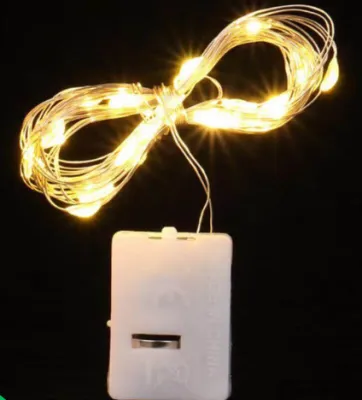
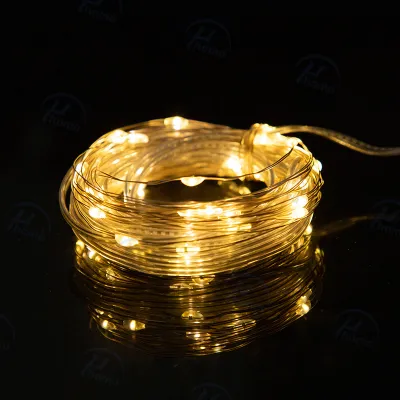
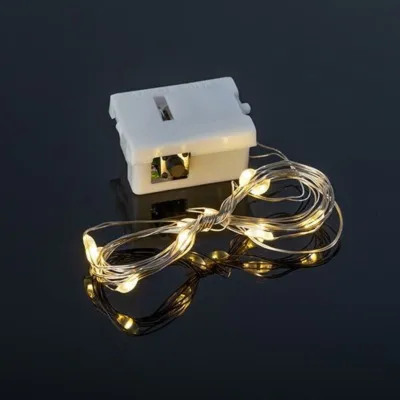
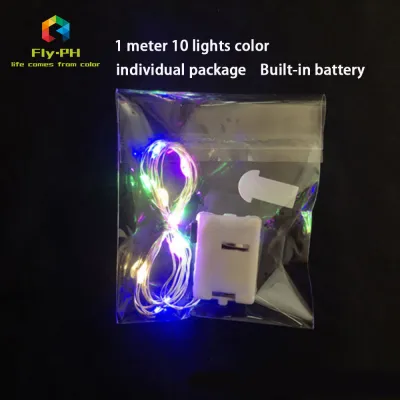
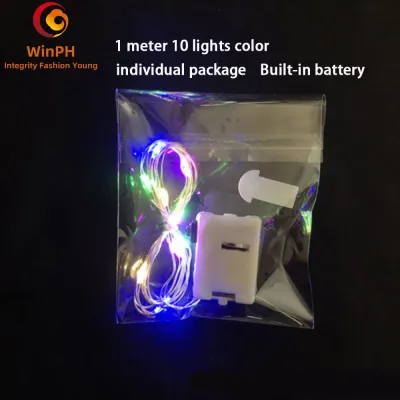
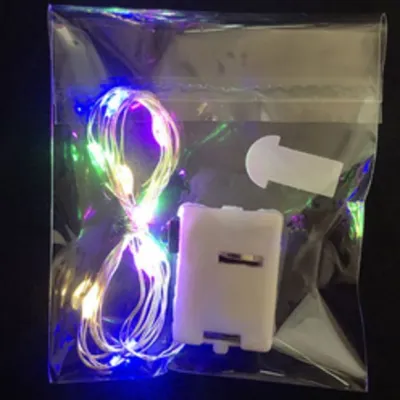
Prices are valid at publication and may change. Please refer to the product page for the latest price.
Wire material plays a crucial role in how easily the lights can be shaped around your flowers. Copper wire fairy lights consist of thin, insulated metal threads that can be bent, twisted, and shaped around stems with ease. The insulation is essential because it prevents short circuits while keeping the wire safe to touch. Bare copper wire has a warm, golden-brown hue that blends seamlessly with dried flowers, pampas grass, and warm-toned wrapping paper. Silver-coated copper wire, on the other hand, has a bright, reflective finish that complements cool-toned flowers, white roses, and modern, minimalist bedroom decors.
Color temperature is a key factor in establishing the right bedroom mood. For a cozy, relaxing atmosphere, warm white lights (ranging from 2700K to 3000K) are generally preferred because they emit a soft glow that mimics candlelight and helps promote a restful environment. Cool white lights (5000K and above) tend to look stark and clinical in a bedroom setting, though they can be used intentionally for high-contrast, modern floral displays. Ultimately, color temperature is a personal preference, but warm white remains the standard for creating a soothing, inviting space.
Always verify that the fairy lights operate on low voltage, typically 3V to 5V. Low-voltage lights are inherently safer because they do not pose a significant shock hazard and generate minimal heat. Look for products that carry basic electrical safety certifications or quality marks from reputable manufacturers to ensure the insulation and wiring are up to standard before introducing them to organic materials.
Matching Light Length and Density to Bouquet Size
To avoid a cluttered or sparse look, you must match the length of the light string to the physical dimensions of your bouquet. A helpful guideline is to use approximately 1 to 2 meters of wire for every 10 to 15 stems. For a compact bedside arrangement, a 1-meter micro string is usually perfect. For a large, dramatic bouquet featuring dense foliage and multiple flower varieties, you may need a 3-meter or 5-meter string to ensure even coverage across the entire arrangement.

The spacing between individual LED bulbs determines the overall lighting effect. Micro fairy lights typically feature bulb spacing of 5cm to 10cm. A 5cm spacing creates a dense, vibrant cluster of light, which works beautifully for compact bouquets where you want the flowers to glow intensely. A 10cm spacing offers a more delicate, twinkling effect, allowing the natural beauty of the flowers to remain the main focus while the lights provide a subtle accent.
If your light string is too long, do not bunch the excess wire in one spot, as this can create an untidy appearance. Instead, gently wind the extra wire down the stems toward the base of the bouquet. The battery pack must be positioned carefully to maintain a clean visual profile. Heavy battery packs, such as those requiring three AA batteries, should sit flat on the tabletop or be tucked securely at the bottom of a sturdy vase to prevent the arrangement from tipping over.
Safety and Maintenance for Floral Lighting
One of the most critical safety factors when combining lights with organic materials is heat. Traditional incandescent bulb strings should never be used, as they generate significant heat that can quickly wilt fresh petals, dry out preserved flowers, or even pose a fire hazard. LEDs are highly efficient and remain cool to the touch even after hours of continuous use. Always double-check the manufacturer’s specifications to confirm that the lights are rated for low heat emission.
In the Philippines, high humidity levels can accelerate wear on electrical components. If your bouquet includes fresh flowers that require water or wet floral foam, moisture protection is paramount. While the copper wire portion of many fairy lights is coated in a waterproof resin (often rated IP65), the battery compartment, switch, and USB plug are highly vulnerable to water damage. Keep these power components completely dry and positioned well away from any water source.
Before wrapping your lights around a bouquet, perform a quick inspection. Unravel the wire and look for any signs of damage, such as cracked insulation, exposed copper, or loose connections. Check the battery compartment for corrosion or white powdery residue, which is common in humid climates when batteries are left inside devices for extended periods. If you notice any damage, replace the light string immediately to prevent short circuits or electrical hazards.
Step-by-Step Guide to Wrapping Lights Around Flowers
Before you begin weaving, insert the batteries or plug in the USB connector to ensure all the LED bulbs light up. It is much easier to replace a faulty string before it is intricately woven into your floral arrangement. Once verified, turn the lights off to make the wrapping process easier on your eyes.
Start at the base of the bouquet to position the power source. If you are using wrapping paper or a decorative box, tuck the battery pack into the bottom or back of the arrangement. For a vase setup, place the battery pack behind the vase or conceal it within the wrapping material, ensuring the switch remains easily accessible for daily use.
Slowly work your way upward from the base, wrapping the wire gently around the stems. Do not pull the wire tight; instead, let it drape naturally. Weave the wire between the stems and foliage, allowing the micro LEDs to nestle close to the flower heads without crushing the delicate petals or snapping thin branches.
Once you reach the top of the bouquet, loop the wire back down slightly to secure it. You can use a small piece of green floral tape, a clear twist tie, or a discreet ribbon to hold the end of the wire in place. Ensure the wire is not pinched or bent at a sharp angle, which could break the internal copper threads and cause the string to fail.
Frequently Asked Questions (FAQ)
Can I use fairy lights with fresh flowers in water?
Yes, but you must take strict precautions. While the LED wire itself is typically waterproof and safe to submerge, the battery pack, USB plug, and any wire joints are not. Never allow the power source or connection points to come into contact with water. To keep your setup safe, run the wire up and out of the vase, keeping the battery pack completely dry on the table behind the vase. Alternatively, you can use a double-walled vase or place the water-filled container inside a larger, dry decorative vessel, running the lights only around the dry outer layer.
How do I hide the battery pack in a small bouquet?
Concealing the power source in a compact bouquet requires a bit of creativity. One of the easiest methods is to wrap a wide, decorative ribbon, such as satin, organza, or burlap, around the base of the stems, tucking a slim coin-cell battery pack inside the folds of the fabric. You can also use dense filler foliage, like eucalyptus leaves or leatherleaf ferns, to create a natural pocket that hides the battery box from view. For the cleanest look, select micro fairy lights that use small CR2032 coin-cell batteries, as their housings are significantly smaller and easier to hide than standard AA battery packs.

Community discussion
Share your experience or ask a question. Comments are reviewed before publication.