
Creating a dedicated reading corner at home offers a personal sanctuary for relaxation, learning, and escape. To make this space truly functional, the choice of lighting is just as important as finding the perfect armchair. A high-quality lamp stand does more than simply illuminate a room; it delivers targeted task lighting that prevents eye strain while contributing to a warm, inviting ambiance. Selecting the right fixture requires balancing physical design, adjustability, and electrical safety to ensure your reading nook remains comfortable for hours on end.
In tropical environments like the Philippines, setting up a reading corner comes with unique spatial and environmental considerations. Homes often feature open layouts to maximize airflow, and reading nooks are frequently positioned near windows, ceiling fans, or air conditioning units. This means your lighting choice must not only provide excellent optical performance but also offer physical stability against drafts and compatibility with local electrical standards. By focusing on how a lamp stand directs light and fits into your physical space, you can create a reading retreat that is both beautiful and highly functional.
Essential Features for Task Lighting and Ambiance
To prevent eye strain during long reading sessions, a floor lamp must meet specific optical and ergonomic criteria. The primary job of a reading lamp is to provide task lighting, which is highly focused illumination directed exactly where you need it. Unlike general ambient lighting that fills a room, task lighting must be concentrated enough to make text highly legible without forcing you to adjust your posture or lean into awkward angles.
Products mentioned in this guide
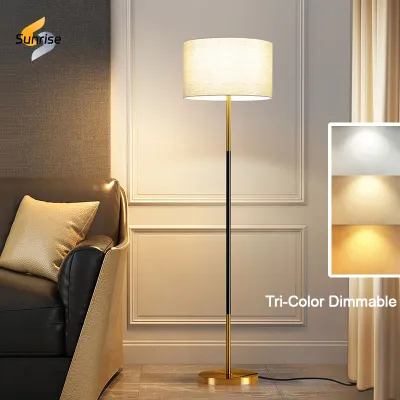
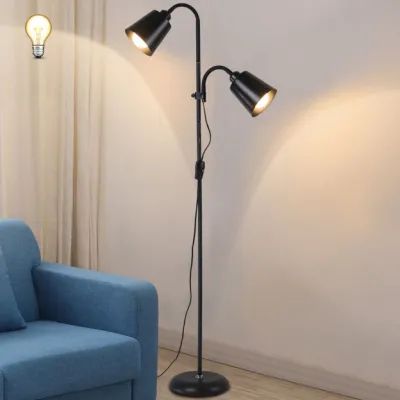
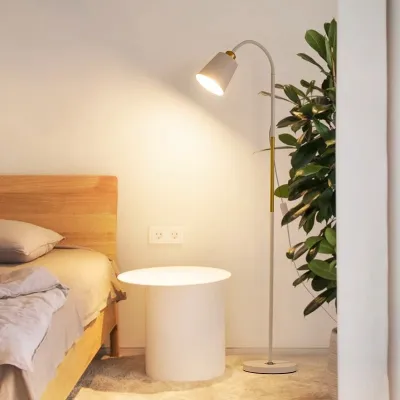
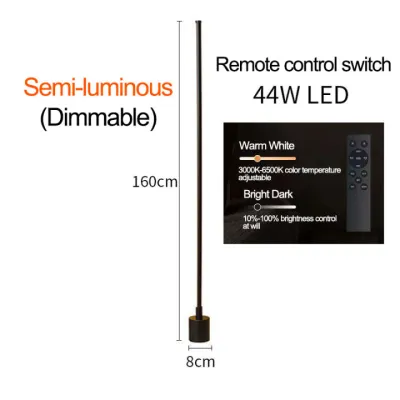
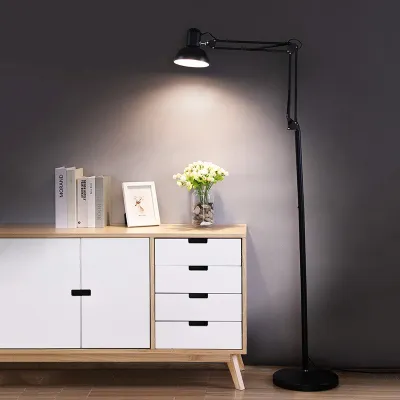
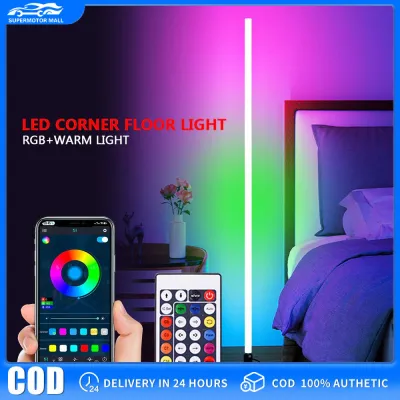
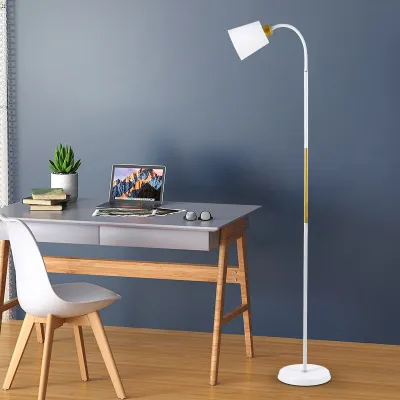
Prices are valid at publication and may change. Please refer to the product page for the latest price.
Adjustability is the foundation of effective task lighting. A high-quality lamp stand should allow you to modify its height, angle, and arm reach. This flexibility ensures you can position the light source directly over your book, tablet, or e-reader, regardless of whether you are sitting upright or reclining. Being able to adjust the light path prevents shadows cast by your head or shoulders, which is a common cause of subtle, unconscious neck strain as you try to find a well-lit angle.
Color temperature plays a critical role in both visual focus and psychological comfort. Light color is measured in Kelvin (K), and different ranges serve distinct purposes. Warm white light, typically between 2700K and 3000K, mimics the soft glow of traditional incandescent bulbs, promoting relaxation and preparing the mind for rest. Neutral white light, ranging from 3500K to 4000K, provides a crisper, high-contrast illumination that makes small text easier to read. For a reading corner, choosing a bulb or fixture that sits in the neutral white range can reduce eye fatigue during active study, while a warmer tone is ideal for casual evening reading.
Brightness control mechanisms allow you to transition your reading corner from an active workspace to a cozy relaxation zone. Dimmers, multi-way switches, or step-dimming features give you the flexibility to adjust light output based on the time of day and the level of natural light in the room. During late afternoon transitions, a gentle boost in brightness can offset fading daylight, while late-night reading sessions benefit from a softer, dimmed setting that does not disrupt your natural sleep cycle.
The design of the lamp shade and its inner surface directly impacts visual comfort. An effective reading lamp features a shade that shields your eyes from direct bulb exposure, preventing harsh glare. Opaque materials like metal or thick fabric direct the light downward in a controlled cone, which is ideal for task lighting. Additionally, shades with reflective white or metallic inner linings help maximize light output without requiring a higher-wattage bulb, ensuring efficient and comfortable illumination.
Comparing Floor Lamp Stand Designs for Reading Nooks
The physical structure of a lamp stand determines how well it integrates with your furniture and fits into your room’s layout. Different designs offer distinct advantages in terms of footprint, adjustability, and aesthetic appeal. Understanding these structural variations allows you to choose a model that complements your armchair or chaise lounge without cluttering the floor.

Arc and curved lamp stands are characterized by a long, sweeping arm that extends upward and outward from a heavy base. This design is highly effective for deep armchairs, sectional sofas, or corners where the base of the lamp cannot be placed directly next to the seat. The curved arm allows the light source to hang directly overhead, delivering optimal downward task lighting while keeping the physical stand tucked neatly out of the way. Because of their dramatic sweep, arc lamps require a substantial base weight to maintain balance, making them best suited for spacious corners.
Swing-arm and articulated task lamps are the gold standard for precision and space efficiency. These stands feature jointed arms that can be pulled closer, pushed away, or rotated in multiple directions. If your reading corner is compact or tucked into a tight alcove, a swing-arm design allows you to adjust the light with minimal effort. This style is particularly beneficial for readers who switch between different tasks, such as reading physical books, sketching, or using digital screens, as the light can be repositioned instantly to eliminate screen glare.
Torchiere lamps with secondary reading arms offer a versatile, dual-purpose lighting solution. The primary, upward-facing bowl of a torchiere bounces light off the ceiling to provide soft, indirect ambient illumination for the entire room. Meanwhile, a smaller, adjustable reading arm extends from the main pole at mid-height, providing focused downward light specifically for your book. This combination is excellent for living rooms or bedrooms where the reading corner also serves as a general living space, allowing you to switch between ambient room lighting and dedicated task lighting as needed.
To help you evaluate these structural options, the following comparison table outlines the key characteristics of each design:
| Design Type | Floor Footprint | Adjustability Range | Ideal Furniture Pairing |
|---|---|---|---|
| Arc / Curved Stand | Large (requires clearance for the sweeping arm) | Moderate (fixed arc height, adjustable shade angle) | Deep armchairs, sectional sofas, low-profile lounge chairs |
| Swing-Arm / Articulated | Small to Medium (compact base) | High (multi-directional jointed movement) | Compact armchairs, study desks, bedside reading setups |
| Torchiere with Reading Arm | Small (vertical pole design) | High for the reading arm; fixed for the main ambient light | Standard armchairs, corner reading nooks in shared living rooms |
Sizing and Placement for Your Reading Space
Proper sizing and placement are essential to ensure your new lamp stand functions safely and comfortably within your reading nook. Before purchasing a fixture, taking a few precise measurements of your seating area can prevent common layout mistakes, such as choosing a lamp that is too tall or a base that blocks foot traffic.
Calculating the correct shade height relative to your seated position is the first step in preventing glare. When you are sitting comfortably in your reading chair, the bottom edge of the lamp shade should ideally align with your eye level or sit slightly below it. This placement ensures that the bright light source remains hidden from your direct line of sight while casting a wide, even pool of light over your reading material. If the shade is positioned too high, you will experience constant, distracting glare from the exposed bulb; if it is too low, the light pool will be too narrow to cover your book comfortably.
Assessing the floor footprint and base weight is critical for safety and stability. A high-quality lamp stand must have a heavy, well-balanced base to prevent tipping, especially if the design features an extended arm. In homes with active pets, children, or high foot traffic, a lightweight or poorly balanced stand poses a significant safety hazard. Furthermore, in tropical climates where floor fans or open windows generate regular drafts, a sturdy base ensures the fixture remains perfectly stable and does not wobble during daily use.
Careful planning of cord routing and power outlet proximity is another essential safety consideration. Ideally, your reading lamp should be positioned close enough to a wall outlet to allow the power cord to run directly along the baseboard or behind furniture. Avoid stretching cords across open walkways, as this creates a severe tripping hazard and can damage the cord over time. If your preferred reading spot is far from an outlet, consider rearranging the layout or using low-profile cord covers to secure the cable safely to the floor.
Electrical Safety and Bulb Compatibility Checklist
Before finalizing your choice of a lamp stand, verifying its electrical specifications and compatibility with modern light sources is crucial for safe, long-term operation. Ensuring that your fixture meets local electrical standards prevents hazards and guarantees optimal performance.
First, verify the maximum wattage rating and voltage compatibility of the lamp stand. In the Philippines, the standard household electrical supply operates at 220 volts (V) at a frequency of 60 hertz (Hz). It is essential to confirm that any imported lamp stand or fixture is rated for 220V use to prevent electrical malfunctions or damage to the socket. Additionally, always check the maximum wattage limit printed on the socket label; exceeding this limit with high-heat bulbs can damage the fixture’s wiring and pose a fire hazard.
Next, identify the socket type of the lamp stand to ensure easy bulb replacement. The most common socket standard in local retail stores is the E27 screw base, which accommodates a wide variety of standard LED, smart, and dimmable bulbs. Other fixtures may use smaller E14 candelabra bases or specialized pin bases like GU10. Choosing a lamp stand with a standard E27 socket ensures you will have no trouble finding compatible replacement bulbs at local hardware stores or online marketplaces.
Modern LED bulbs are highly recommended for reading lamps due to their energy efficiency, low heat emission, and long lifespan. Unlike traditional incandescent bulbs, LEDs remain cool to the touch even after hours of continuous use, which is a significant advantage in warm, tropical climates where minimizing extra heat sources helps keep indoor spaces comfortable. If you plan to use a dimmable LED or a smart bulb, ensure that the lamp stand’s switch mechanism is compatible, as standard non-dimmable switches can cause compatible bulbs to flicker or fail prematurely.
Finally, recognize when it is necessary to seek professional assistance. If your ideal reading corner lacks a nearby power outlet, do not rely on permanent extension cords or daisy-chained power strips, which can overload circuits and create safety risks. Instead, consult a qualified, licensed electrician to install a dedicated, grounded wall outlet near your seating area. A professional can also help if you wish to wire your floor lamp to a convenient wall switch or integrate it into a larger home automation system safely.
Frequently Asked Questions (FAQ)
What is the ideal height for a reading floor lamp?
As a general rule of thumb, the ideal height for a reading floor lamp places the bottom of the shade between 40 and 49 inches (approximately 100 to 125 centimeters) from the floor when measured from a seated position. This height typically aligns the light source with your shoulder or eye level, ensuring the bulb is shielded from direct view while projecting a clear pool of light onto your book. Because armchairs and sofas vary significantly in cushion depth and seat height, it is best to measure your specific furniture before choosing a lamp. If you select a taller lamp stand, look for a model with an adjustable arm or a tilting shade so you can easily customize the light angle to match your seated posture.
Can I use a smart bulb in any floor lamp stand?
You can use a smart bulb in most standard floor lamp stands, provided the socket type matches and there is sufficient physical space inside the shade to accommodate the bulb’s dimensions. However, there are a few important electrical and physical constraints to keep in mind. Smart bulbs require a constant, uninterrupted flow of electricity to maintain their wireless connection; therefore, they should never be installed in a lamp stand that features a built-in manual dimmer switch, as lowering the voltage will cause the smart bulb to flicker, disconnect, or suffer internal damage. Additionally, because smart LEDs contain sensitive electronic components, they require adequate ventilation to dissipate heat. Avoid using them in tightly enclosed or completely sealed shades where heat can build up and shorten the lifespan of the bulb.

Community discussion
Share your experience or ask a question. Comments are reviewed before publication.