
Creating a dedicated reading corner at home requires a thoughtful balance of comfort, utility, and proper illumination. A floor lamp with an integrated table serves as an exceptional, space-saving solution for this setup, combining targeted task lighting with a convenient surface to hold your books, spectacles, or a warm cup of tea. By merging two essential pieces of furniture into a single footprint, these versatile fixtures help declutter small rooms while establishing a clear visual anchor for your relaxation zone. Finding the right model for your home involves evaluating several key factors, including physical dimensions, light quality, structural stability, and electrical safety, to ensure it seamlessly fits your daily routines.
Assessing Your Space and Reading Habits
Before browsing designs, it is essential to analyze the physical layout of your intended reading nook and understand how you interact with your furniture. Begin by measuring the available floor clearance around your favorite reading chair or armchair. Because a floor lamp with an integrated table occupies both vertical and horizontal space, you must ensure the base does not obstruct foot traffic or crowd the seating area. If your armchair has a low profile with open space underneath, you might look for a lamp with a flat, low-profile base that can slide partially under the chair to save valuable floor real estate.
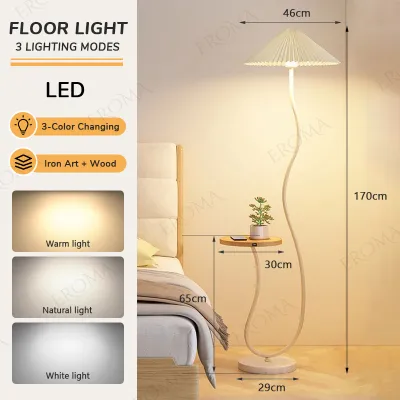
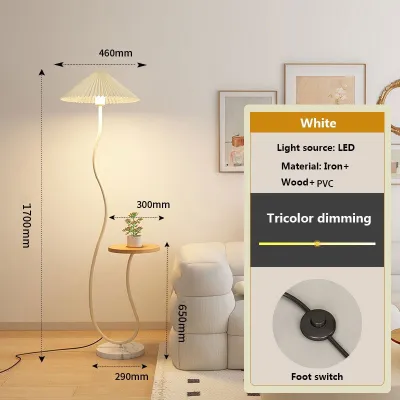
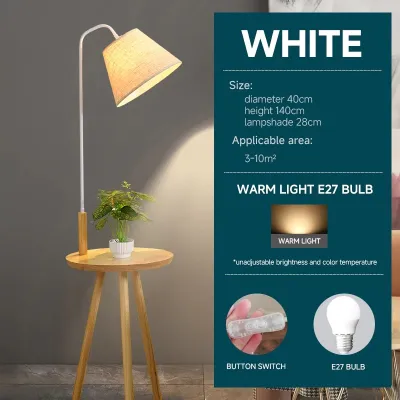
The primary activities you plan to enjoy in your reading corner will dictate the ideal size and weight capacity of the integrated table. If you simply need a spot to rest a pair of reading glasses and a smartphone, a compact, minimalist tray with a diameter of 20 to 25 centimeters will suffice. However, if you frequently enjoy thick hardcover novels, study with a tablet, or like to keep a teapot and cup nearby, you will require a larger surface area with a higher weight rating. Always check the manufacturer’s specifications for the maximum load capacity of the table shelf to prevent overloading, which can lead to structural sagging or tipping.
Products mentioned in this guide
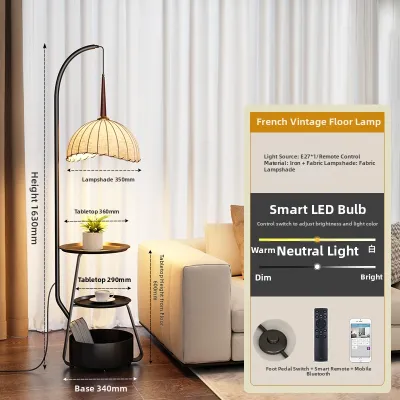
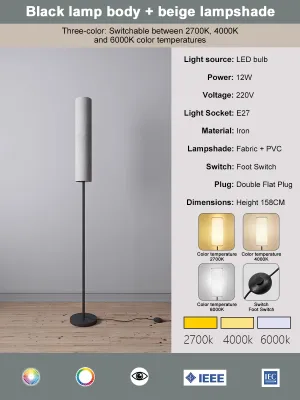
Prices are valid at publication and may change. Please refer to the product page for the latest price.
Ergonomics play a vital role in maintaining comfort during long reading sessions. To avoid straining your back or neck when reaching for items, compare the height of your armchair’s armrests against the height of the lamp’s integrated table. Ideally, the table surface should align closely with or sit slightly below the height of the armrest, typically ranging between 55 and 65 centimeters from the floor. This alignment allows you to naturally reach for a beverage or set down a book without disrupting your comfortable seating posture.
Evaluating Light Quality for Reading Comfort
The primary function of any reading lamp is to provide high-quality illumination that minimizes eye strain and fatigue. When evaluating light quality, focus on the light output, which is measured in lumens, rather than relying solely on wattage. For comfortable reading, task lighting should deliver focused illumination without creating harsh glare on paper pages or digital screens. Look for fixtures that accommodate LED bulbs producing between 450 and 800 lumens, which is roughly equivalent to a traditional 40-watt to 60-watt incandescent bulb. This range provides sufficient brightness to read small print clearly while remaining gentle on the eyes.

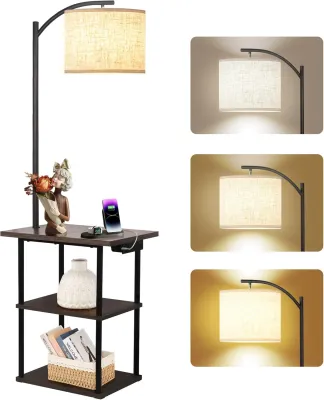
Color temperature is another critical factor that influences both readability and the overall ambiance of your reading nook. Measured in Kelvin (K), color temperature ranges from warm, yellowish tones to cool, bluish tones. For evening reading, a warm white light between 2700K and 3000K is highly recommended, as it promotes relaxation and prepares the body for sleep. If you use your reading corner primarily during the day or for highly detailed work, a neutral white light between 3500K and 4000K can enhance text contrast and improve focus. Avoid extremely cool blue light above 5000K, which can feel clinical and harsh in a cozy home environment.
To maximize the utility of your reading light, prioritize fixtures that offer adjustability and precise light control. A lamp with a fixed, upward-facing shade will only provide ambient room lighting, which is insufficient for reading. Instead, look for models featuring adjustable lamp heads, flexible goosenecks, or directional shades that allow you to aim the light beam directly onto your reading material. Additionally, built-in dimming mechanisms—such as rotary switches, step-dimmers, or touch-sensitive controls—are incredibly useful, enabling you to adjust the brightness levels to match the changing natural light throughout the day.
Checking Table Stability and Surface Durability
Because a floor lamp with an integrated table serves a dual purpose, its structural design must prioritize stability to prevent accidental tipping. A top-heavy lamp can easily wobble or fall if bumped, posing a safety hazard to your household, especially if you have active pets or young children. When evaluating a lamp’s physical build, pay close attention to the weight of the base and the thickness of the central pole. A heavy, solid base made of materials like marble, cast iron, or thick steel provides the necessary low center of gravity to keep the entire fixture securely anchored.
The durability of the table surface is equally important, particularly when considering the environmental conditions of your home. In tropical climates like the Philippines, high relative humidity can cause certain materials to degrade over time. If you plan to place cold drinks on the table, condensation can quickly ruin untreated wood veneers, causing them to warp, bubble, or peel. To ensure long-term durability, look for table surfaces made from moisture-resistant materials such as tempered glass, powder-coated metal, or sealed solid hardwoods like teak or acacia. If you prefer a natural wood finish, always use coasters to protect the surface from moisture rings and heat marks.
Furthermore, inspect the connection mechanism where the table attaches to the central support pole. In poorly constructed lamps, the table may be held in place by simple plastic collars or weak friction screws, which can loosen over time and cause the surface to tilt. High-quality models utilize robust metal brackets, threaded metal collars, or welded joints to secure the table directly to the frame. A secure, rigid connection ensures that the table remains perfectly level and stable, even when supporting its maximum rated weight capacity.
Matching the Design to Your Room Aesthetics
A well-chosen floor lamp with a table should not only be functional but also enhance the visual appeal of your living space. By matching the design profile of the lamp to your existing decor, you can create a cohesive and inviting atmosphere. Mid-century modern designs are characterized by clean lines, tapered wooden legs, and warm brass or copper accents, making them an excellent match for retro-inspired armchairs and neutral color palettes. If your home features an industrial aesthetic, look for lamps constructed from matte black iron pipes, exposed hardware, and rustic, reclaimed wood surfaces.
For modern or minimalist spaces, a sleek, slender metal frame with an integrated LED light strip and a floating glass tray offers a clean, unobtrusive look. Pay close attention to the finishes of the metal pole, base, and table edges, ensuring they coordinate with other hardware in the room, such as drawer pulls, light switches, or curtain rods. Mixing metals can work beautifully if done intentionally, but keeping finishes consistent helps maintain a polished and harmonious appearance.
Additionally, consider the visual weight of the fixture within your reading corner. Visual weight refers to how heavy or prominent an object appears in a space. A lamp with a thick, solid wooden cabinet base or a wide fabric drum shade has a high visual weight, making it a great anchor piece for a large, open living room. Conversely, in a small bedroom or a tight corner, a lamp with a slender metal frame and an open, glass-topped table maintains an airy, spacious feel, preventing the nook from feeling cramped or cluttered.
Verifying Electrical Safety and Placement Rules
Electrical safety should always be a primary consideration when integrating any new lighting fixture into your home. In the Philippines, the standard household electrical system operates at 220 volts at a frequency of 60Hz. When purchasing a floor lamp, verify that all electrical components, including the socket, wiring, and plug, are rated for 220V compatibility. Using a lamp designed solely for 110V systems without a proper transformer can lead to overheating, short circuits, or permanent damage to the fixture. Look for recognized safety certification marks on the product packaging or the manufacturer’s label to ensure the lamp meets local safety standards.
The physical placement of the lamp and the routing of its power cord are critical for preventing accidents. A loose power cord draped across a high-traffic walkway presents a significant tripping hazard and can result in the lamp being pulled down. Position your reading chair close to an electrical outlet so the lamp’s cord can run safely behind the furniture or along the baseboard. If the cord must cross a small section of floor, secure it with a low-profile cord cover or cable clips to keep it flat and immobile.
Additionally, ensure there is adequate clearance between the lamp bulb, shade, and any nearby flammable materials. Curtains, fabric upholstery, throw blankets, and paper decorations should never come into direct contact with the light source. While LED bulbs generate very little heat compared to traditional incandescent or halogen bulbs, maintaining a safe clearance of at least 10 to 15 centimeters from surrounding textiles is a prudent practice to eliminate any fire risk and ensure proper heat dissipation.
Building Your Shortlist Before Purchase
To make a confident purchasing decision, compile a shortlist of potential floor lamps and systematically verify their specifications. Start by cross-referencing the manufacturer’s detailed dimensions against the measurements you took of your reading corner. Double-check the exact height of the table surface, the total height of the lamp, and the diameter of the base. Additionally, confirm the maximum weight limit of the table and the specific bulb base type required—most standard lamps use an E27 screw base, which makes finding replacement bulbs straightforward.
Review the warranty terms and after-sales support options provided by the manufacturer or retailer. A reliable warranty that covers electrical components, switches, and structural parts for at least six months to a year is a strong indicator of product quality and provides valuable protection against manufacturing defects. Avoid purchasing from unverified sellers on online marketplaces who do not offer clear return policies or customer support channels.
Finally, confirm the packaged delivery dimensions and assembly requirements before finalizing your order. Many floor lamps with integrated tables are shipped flat-packed to reduce shipping costs, requiring some degree of home assembly. Ensure that the package can easily fit through your doorways and that you have the basic tools, such as a screwdriver or hex key, required for setup. Reading through the manufacturer’s assembly instructions online beforehand can help you gauge the complexity of the installation process.
Frequently Asked Questions (FAQ)
Can I use a smart bulb in a floor lamp with a built-in table?
Yes, you can generally use a smart bulb in a floor lamp with an integrated table, provided the bulb’s base matches the lamp’s socket type (which is typically a standard E27 screw base) and does not exceed the maximum wattage limit specified by the manufacturer. However, you must check if the lamp features a built-in physical dimmer switch or touch-control system. Standard smart bulbs often conflict with physical dimmers, leading to flickering, buzzing, or internal circuit damage. If your lamp has a physical dimmer, you should only use smart bulbs that are explicitly rated as dimmable, or choose a lamp with a simple on/off toggle switch to control the smart bulb via an app or voice commands.
How do I clean the table surface without damaging the lamp?
To clean the table surface safely, always begin by unplugging the floor lamp from the wall outlet to eliminate any risk of electrical shock. Use a soft, dry microfiber cloth to remove dust and loose debris from the table and the lamp base. For deeper cleaning, slightly dampen the microfiber cloth with water or a mild, material-appropriate cleaner—such as a wood-safe spray for wooden tables or a glass cleaner for glass surfaces. Never spray liquids directly onto the table, as moisture can run down the pole and seep into the electrical joints, switches, or wiring. Wipe the surface dry immediately with a clean towel, and ensure the entire fixture is completely dry before plugging it back into the outlet.

Community discussion
Share your experience or ask a question. Comments are reviewed before publication.