
To create a comfortable reading corner, selecting the right floor standing lamp shade is just as important as choosing the perfect chair. The ideal shade does not merely cover a bulb; it actively directs, softens, and shapes the light to prevent eye strain during long reading sessions. For most reading corners, a semi-translucent linen drum shade or an adjustable metal dome shade offers the best balance of focused task lighting and comfortable glare reduction. The right choice depends on your typical reading posture, the existing light levels in your room, and how you want the light to interact with your surroundings.
Identifying the Lighting Needs of Your Reading Corner
Before browsing styles, it is essential to understand how light functions in a dedicated reading space. Reading requires task lighting, which is a concentrated beam focused directly on your book or tablet. However, relying solely on a harsh spotlight in a dark room creates high contrast, which quickly fatigues your eyes. To prevent this, your reading corner needs a balance of focused task light and soft ambient light to gently illuminate the immediate surroundings.
Your typical reading posture plays a major role in determining where that light should come from. If you prefer sitting upright in a structured armchair, you will need a lamp shade that directs light downward onto your lap. If you tend to recline or shift positions frequently, you will require a more flexible light source that can be angled to avoid shining directly into your eyes.
Products mentioned in this guide
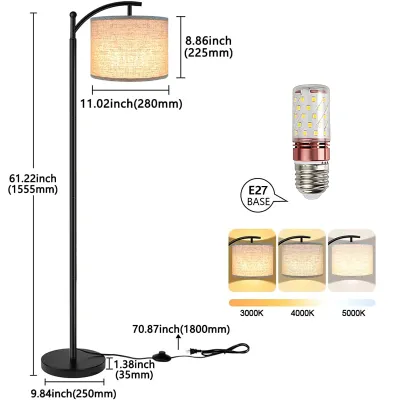
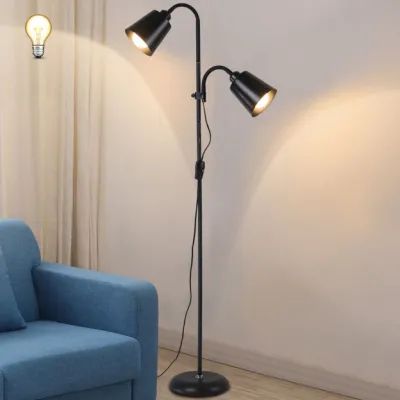
![[Free Bulb]Floor Lamp Nordic Style Stand lamp Shade With Led lampshade for living room study table bedroom](https://img.lazcdn.com/g/p/ca2fa0dd9aa7230c6fee72703d34777a.jpg_400x400q80.jpg_.webp)
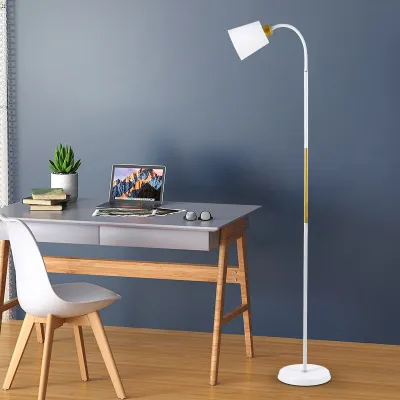
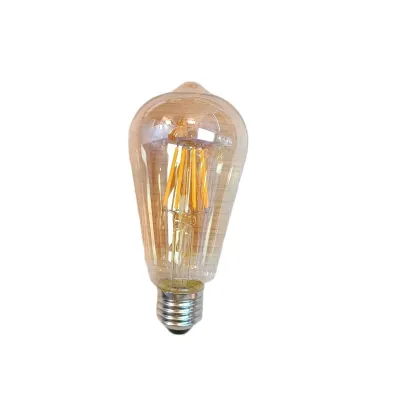
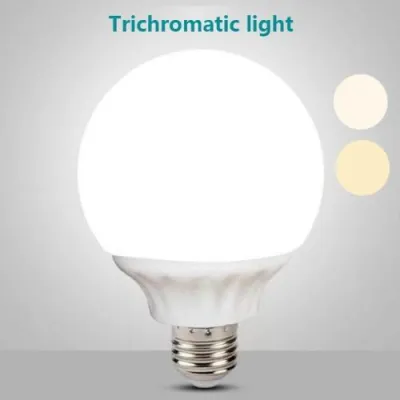
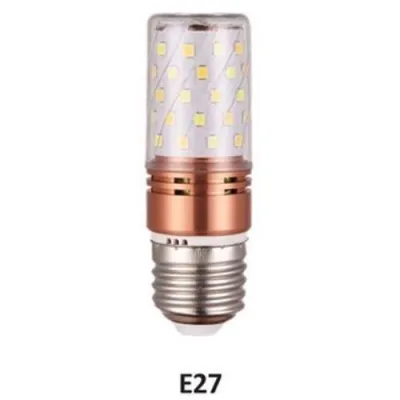
Prices are valid at publication and may change. Please refer to the product page for the latest price.
Additionally, take a moment to assess the natural light patterns in your room. In tropical climates like the Philippines, bright afternoon sun can flood a room, but as dusk approaches, corners quickly fall into deep shadow. A versatile floor standing lamp shade helps bridge this transition, allowing you to maintain consistent, comfortable illumination from afternoon reading sessions straight into the evening.
How Shade Materials Control Glare and Diffusion
The material of your floor standing lamp shade acts as the primary filter for the light bulb, determining whether the light is scattered softly throughout the corner or projected in a sharp, concentrated beam.

Opaque materials, such as spun metal, heavy card stock, or thick lined fabrics, block light from escaping through the sides of the shade. Instead, they channel the light entirely upward and downward. This creates a dramatic, highly focused pool of light directly beneath the lamp, which is excellent for keeping the glare out of your eyes while you read. However, because the sides remain dark, this setup works best in rooms that already have some level of ambient background lighting.
Translucent materials, including linen, cotton, parchment, and frosted glass, allow a portion of the light to pass through the sides of the shade, creating a warm, diffused glow. Linen is particularly well-suited for tropical homes because its natural weave allows for excellent air circulation around the bulb while providing a relaxed, textured aesthetic. The diffused light from a translucent shade softens harsh shadows in the corner, making the entire reading area feel more inviting.
Do not overlook the color of the shade’s interior lining, as it significantly influences the quality of the light. A white or silver interior lining reflects light efficiently, maximizing brightness and keeping the light clean and neutral. A gold or brass lining, on the other hand, warms up the light, creating a cozy, amber glow that many readers find relaxing for evening use, though it may slightly reduce the absolute brightness of the bulb.
Matching Shade Shapes to Your Reading Posture
The geometry of a lamp shade dictates the spread and direction of the light beam, making shape selection a critical step in matching your physical reading habits.
Drum and empire shades are classic choices that excel at task lighting. A drum shade, with its symmetrical top and bottom openings, casts equal amounts of light upward toward the ceiling and downward onto your reading material. An empire shade, which tapers slightly at the top, directs a larger portion of the light downward, concentrating the beam directly onto your book. Both shapes are highly effective if you sit relatively still in an upright chair.
Coolie and bell shapes feature a much wider bottom opening, which allows the light to disperse over a broader area. This wide angle of illumination is ideal if your reading corner includes a side table where you keep a cup of coffee, a notebook, or reference materials. The wider spread ensures that both your book and your immediate surroundings are well-lit without requiring you to sit directly under the bulb.
For readers who frequently adjust their seating position, a standard fixed shade can sometimes feel restrictive. In these cases, adjustable, multi-directional, or swing-arm floor lamps are highly practical. These designs allow you to physically pivot the shade to follow your movement, ensuring the light remains focused on your page whether you are sitting upright, slouching, or reclining.
Sizing the Shade for Proportion and Eye Comfort
A lamp shade must be sized correctly to ensure both visual harmony in your room and physical comfort for your eyes.
As a general rule of thumb, the width of the lamp shade should be proportional to the height of the floor lamp base. A shade that is too small will look unbalanced and may fail to distribute light effectively, while an oversized shade can make the lamp top-heavy and unstable. For a standard floor standing lamp, a shade width of 30 to 45 centimeters is typically appropriate, but you must also consider the physical footprint of your corner to ensure the shade does not block walkways or press against walls.
More importantly, the depth of the shade must be sufficient to completely conceal the bulb and the socket hardware from your seated eye level. When you are sitting in your reading chair, you should not be able to see the bare bulb underneath the shade. Direct exposure to a bare bulb causes immediate glare and eye strain, defeating the purpose of a dedicated reading light.
Before finalizing your purchase, sit in your favorite reading chair and measure the height of your eyes relative to where the lamp will stand. This measurement will help you determine the ideal height of the lamp pole and the necessary depth of the shade to keep the bulb safely hidden from view.
Safety and Placement Checks for Corner Floor Lamps
Setting up a reading corner requires careful attention to electrical and physical safety to ensure your cozy space remains secure.
First, always verify the electrical specifications of your floor lamp. In the Philippines, household electrical systems operate on 220V, so ensure your lamp base, cord, and bulb are fully compatible with this voltage. Check the manufacturer’s safety label inside the socket to identify the maximum wattage limit, and never exceed this rating, as doing so can damage the socket or pose a fire hazard.
Next, pay close attention to clearance. Ensure there is a safe distance of at least several centimeters between the lamp shade and flammable materials such as curtains, bookshelves, or upholstered furniture. This is especially important if you are using halogen or incandescent bulbs, which generate significant heat, though switching to energy-efficient LED bulbs greatly reduces heat output and improves safety.
Finally, manage your power cords carefully. In a tight corner, it is easy to accidentally pinch cords behind heavy furniture, which can damage the protective insulation over time. Route the cord safely along the baseboard to prevent tripping hazards, and avoid running cords under rugs where heat can build up and wear can go unnoticed.
Frequently Asked Questions (FAQ)
Can I use a smart bulb with any floor standing lamp shade?
Yes, you can generally use a smart bulb, but you must verify a few physical and electrical compatibility factors first. Ensure the physical dimensions of the smart bulb fit entirely within the depth of your lamp shade without protruding or touching the material. Additionally, check that the shade allows for adequate heat dissipation, as smart bulbs contain sensitive internal electronics that can degrade if trapped in an unventilated, fully enclosed shade. Finally, if your floor lamp has a built-in manual dimmer switch, ensure it is compatible with smart bulbs, as standard dimmers can cause smart bulbs to flicker or malfunction.
How do I clean a fabric lamp shade without damaging it?
To keep a fabric lamp shade looking fresh, regular dry cleaning is the safest approach. Use a soft-bristled brush, a lint roller, or a vacuum cleaner equipped with a clean upholstery attachment to gently remove dust and pet hair. Avoid using water, liquid cleaners, or damp cloths unless the manufacturer’s care label explicitly states it is safe, as moisture can cause water staining, shrink the fabric, or rust the internal metal frame in humid climates. If you need to treat a specific spot, always test the cleaner on a small, hidden area on the inside of the shade first.

Community discussion
Share your experience or ask a question. Comments are reviewed before publication.