
Selecting the ideal glass wall lamp for a narrow corridor in a Filipino home requires balancing aesthetic appeal with practical spatial constraints. In many local residences, hallways are compact, high-traffic zones connecting bedrooms to living areas. Because these passages are narrow, bulky light fixtures can obstruct movement, create harsh glare, or make the space feel cramped. A well-chosen glass wall lamp can transform a dark hallway into a bright, welcoming transition zone by diffusing light efficiently and visually expanding the boundaries of the walls.
To achieve this balance, homeowners must consider how different glass styles, fixture profiles, and light distributions interact with the unique architectural features of their homes. From concrete wall construction to tropical humidity levels, several local factors influence how a wall sconce performs. By focusing on low-profile designs, appropriate glass textures, and correct installation heights, you can create a safe, beautifully lit walkway that complements your home’s interior design.
Measure Your Corridor: Space Constraints and Lighting Goals
Before purchasing any glass wall lamp, measure your corridor to understand its physical limitations. Begin by measuring the clear width of the hallway from wall to wall, noting any architectural projections such as door frames or decorative moldings. In many Filipino homes, corridors can be as narrow as 90 to 120 centimeters. Knowing the exact width helps you determine how much space is available for a wall-mounted fixture without impeding daily foot traffic.
Products mentioned in this guide
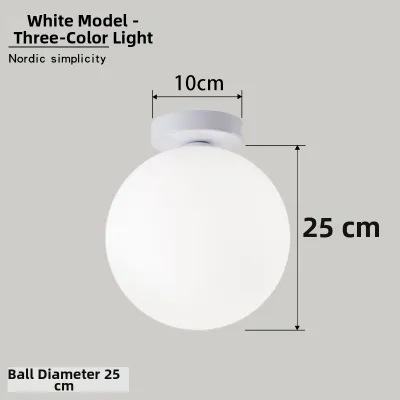
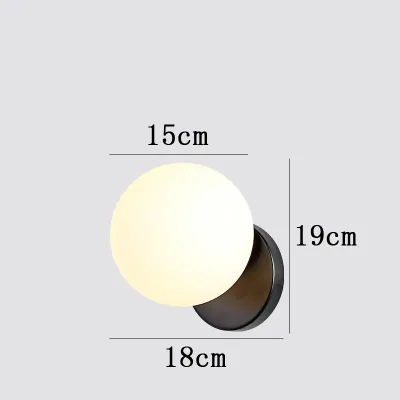
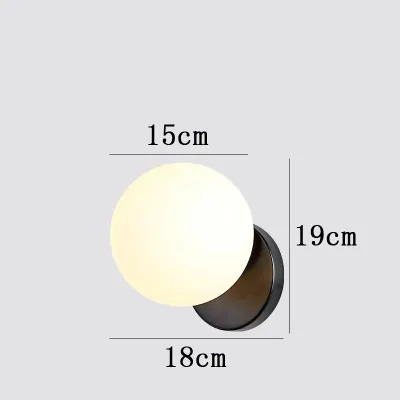
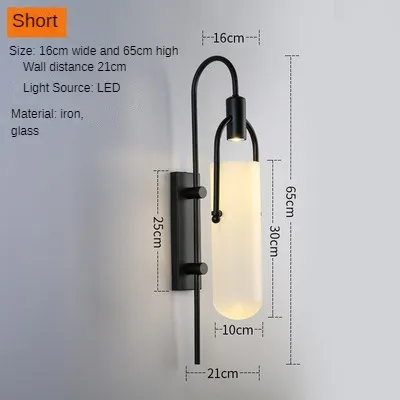
Prices are valid at publication and may change. Please refer to the product page for the latest price.
Next, measure the ceiling height and the distance between existing doorways or alcoves along the corridor. If your hallway features high-traffic bottlenecks, such as a turn near a bathroom or a narrow entry point from the living room, these areas require fixtures that sit exceptionally flush against the wall. Take note of the wall texture as well; rough plaster or painted concrete walls common in local construction can catch light differently than smooth drywall, sometimes casting deep shadows that make a narrow space feel smaller.
Finally, define the primary lighting goal for your corridor. Are you looking for general ambient illumination to make the entire passage feel bright and open, or do you simply need low-level wayfinding light for safe navigation at night? Identifying these goals early will guide your choices regarding glass transparency, bulb wattage, and fixture placement.
Glass Sconce Styles That Maximize Space and Light
When space is limited, the design of the glass wall lamp plays a crucial role in how open and airy the corridor feels. Flush-mount and semi-flush glass sconces are excellent choices because they have a minimal physical footprint and a low visual weight. These fixtures hug the wall closely, reducing the risk of accidental bumps while allowing light to flow freely across the wall surfaces.

Cylindrical or rectangular glass shades are particularly effective in narrow hallways because they typically direct light both upward and downward. This dual-directional light spread washes the walls and ceiling with illumination, drawing the eye upward and creating the illusion of higher ceilings. By contrast, fixtures that project light only outward can feel intense and overwhelming when viewed from a close distance.
The treatment of the glass itself significantly affects the quality of light in a confined space. Frosted, ribbed, or textured glass options are highly recommended because they diffuse light softly, eliminating harsh hot spots and reducing deep shadows. Ribbed glass, in particular, adds a touch of classic elegance while scattering light horizontally, which helps visually widen a narrow passage. Seeded glass offers a rustic, organic look that works well in traditional or transitional Filipino homes, softening the bulb’s glare while maintaining a bright output.
Avoid oversized, heavily ornate, or deeply protruding glass fixtures in narrow corridors. While a large, elaborate lantern might look stunning in a spacious foyer, it can easily overwhelm a tight hallway, making the passage feel cluttered and physically restricted. Stick to clean lines, simple geometries, and compact profiles that enhance the space rather than dominate it.
Sizing and Protrusion Limits for Safe Walkways
To ensure your corridor remains a safe and comfortable walkway, you must establish clear physical boundaries for any wall-mounted fixture. The most critical dimension to check is the fixture’s projection, which is the distance the lamp extends outward from the wall. For narrow corridors, look for fixtures with a shallow projection—ideally 10 centimeters or less. These low-profile designs ensure that family members can walk past without having to dodge the light.
In addition to the projection, evaluate the size of the fixture’s backplate. The backplate must fit securely on the available wall space, which may be limited by door frames, light switches, or structural pillars. In many local homes, concrete columns or wooden posts are integrated into the hallway walls; ensuring the backplate fits within these structural elements prevents an awkward, unstable installation.
Ceiling height is another crucial factor when determining the vertical placement of your glass wall lamp. Standard mounting guidelines suggest placing the center of the fixture approximately 1.5 to 1.7 meters above the finished floor. However, if your household includes exceptionally tall individuals, or if your corridor has low ceilings, you may need to adjust this height upward to ensure the glass shade remains above shoulder-level or head-level obstructions. This prevents accidental contact when carrying laundry baskets or furniture through the hallway.
Managing Light Spread and Glare in Tight Hallways
Managing light spread and glare is vital in a narrow corridor because you will inevitably walk very close to the light source. To determine your lighting needs, consider the length of the hallway, the availability of natural light from nearby windows, and the color of your wall paint. Light-colored walls, which are popular in tropical homes to keep interiors feeling cool and bright, reflect light efficiently and require fewer lumens. Darker or textured walls absorb more light, meaning you may need slightly brighter bulbs or more fixtures spaced evenly along the corridor.
When selecting bulbs for your glass wall lamp, pay close attention to their shape and size. The bulb must fit comfortably inside the glass shade without touching the inner surface. In the warm, humid climate of the Philippines, heat dissipation is critical; if a bulb touches or sits too close to an enclosed glass shade, heat can build up rapidly, potentially cracking the glass or shortening the lifespan of the LED driver. Always check the manufacturer’s maximum wattage and bulb shape recommendations for your specific fixture.
To prevent blinding glare as you walk past the lamp, choose frosted or textured glass shades that shield the bare bulb from direct view. If you prefer the look of clear glass, use low-wattage, warm-toned filament bulbs that offer a soft, decorative glow rather than intense, direct light. Additionally, consider installing dimmable fixtures and placing switches at both ends of the corridor. Dimmability allows you to keep the lights low and gentle during the night for safe wayfinding without waking up the rest of the household with sudden, bright illumination.
Electrical Safety and Installation Boundaries
Installing a glass wall lamp involves working with electrical wiring and structural mounting, which requires strict adherence to safety protocols. Before purchasing a fixture, verify its voltage compatibility. The standard residential electrical system in the Philippines operates at 220V and 60Hz, so ensure the lamp’s socket and internal wiring are rated for this voltage. Additionally, check that the fixture carries recognized safety certifications, indicating it has been tested for safe indoor operation.
Before drilling any holes or mounting a junction box, you must isolate the power at the main circuit breaker. Never rely solely on the wall switch to turn off the power. Use a reliable voltage tester to confirm the wires are dead before touching them. When mounting a glass fixture, ensure the wall junction box is securely anchored and rated to support the weight of the glass, which is significantly heavier than plastic or acrylic alternatives.
In concrete or masonry walls, which are standard in local home construction, drilling requires a masonry drill bit and wall plugs or anchors designed for concrete. Be extremely cautious of hidden electrical conduits, water pipes, or structural steel reinforcement bars embedded within the concrete. If you are unsure of the path of existing wiring, or if your corridor lacks an existing wall junction box, do not attempt to run new wiring yourself. Stop and hire a licensed electrician to handle the installation, run new conduits, or relocate switches safely in compliance with the Philippine Electrical Code.
Frequently Asked Questions (FAQ)
Can I use clear glass wall lamps in a narrow corridor without causing glare?
Yes, you can use clear glass wall lamps in a narrow corridor by choosing the right bulb. Opt for low-wattage, warm-white LED filament bulbs that mimic the soft glow of traditional Edison bulbs, or use frosted bulbs to diffuse the light source internally. Installing a dimmer switch is also highly recommended, as it allows you to lower the light level to a comfortable intensity, preventing direct eye strain when walking through the tight space.
How high should I mount a glass wall sconce in a hallway with low ceilings?
In hallways with low ceilings, aim to mount the glass wall sconce so the center of the fixture is approximately 1.5 to 1.6 meters above the finished floor. This height keeps the light source below or at average eye level while ensuring the top of the fixture does not crowd the ceiling. Adjust the height slightly based on the tallest member of your household to prevent accidental shoulder or head contact.
Are battery-operated glass wall lamps a safe alternative for corridors without wiring?
Battery-operated or rechargeable glass wall lamps can be a convenient alternative, but they require careful consideration of weight and maintenance. Glass fixtures are heavier than plastic ones, so ensure the mounting bracket is securely anchored with screws rather than relying solely on adhesive strips. Keep in mind that battery-powered options generally offer lower light output and require regular recharging or battery replacements to maintain consistent wayfinding illumination.

Community discussion
Share your experience or ask a question. Comments are reviewed before publication.