
Creating a dedicated reading corner in your home offers a personal sanctuary from the hustle and bustle of daily life. In the Philippines, where urban living spaces can feel fast-paced and densely populated, incorporating minimalist, nature-inspired design elements has become a popular way to foster a sense of calm and mindfulness. A Japanese style floor lamp, with its emphasis on organic textures, clean lines, and soft illumination, serves as a fitting focal point for these cozy nooks. It bridges the gap between functional task lighting and emotional relaxation, transforming a simple chair into an inviting retreat.
However, selecting an ideal lamp involves more than just appreciating its aesthetic appeal. You must balance the delicate, traditional materials of Japanese design with the practical demands of reading light quality, physical space limitations, and local electrical standards. This guide provides a comprehensive framework to help you evaluate materials, light warmth, physical dimensions, and safety requirements. By understanding these key factors, you can confidently choose a fixture that enhances both your reading experience and the overall harmony of your living space.
Identifying Authentic Japanese Design Elements for a Calm Reading Space
Authentic Japanese design, often rooted in the principles of wabi-sabi—the appreciation of imperfection and natural simplicity—relies heavily on organic materials that bring the outdoors inside. When searching for a Japanese style floor lamp, the shade material is one of the most critical elements to consider. Traditional designs frequently utilize authentic washi paper, which is crafted from the inner bark of mulberry trees or other native plants. Unlike standard plastic or glass shades, washi paper features unique, visible fibers and a textured surface that scatters light in multiple directions. This natural diffusion transforms the harsh glare of a lightbulb into a soft, even glow, significantly reducing visual fatigue during long reading sessions.
Products mentioned in this guide
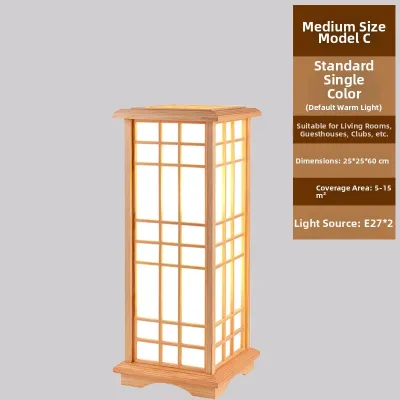
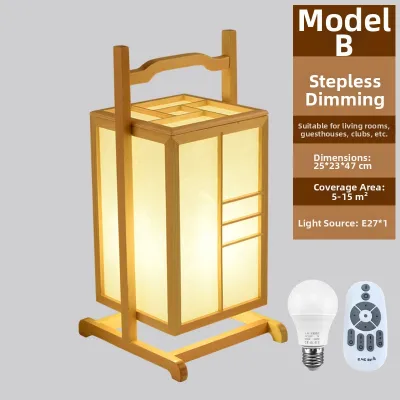
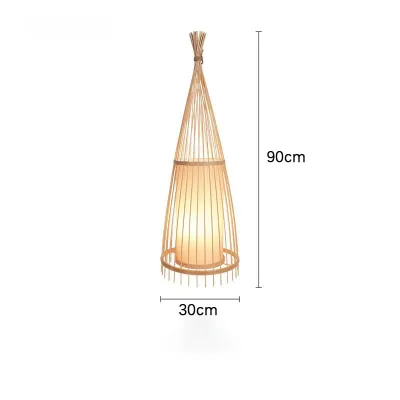
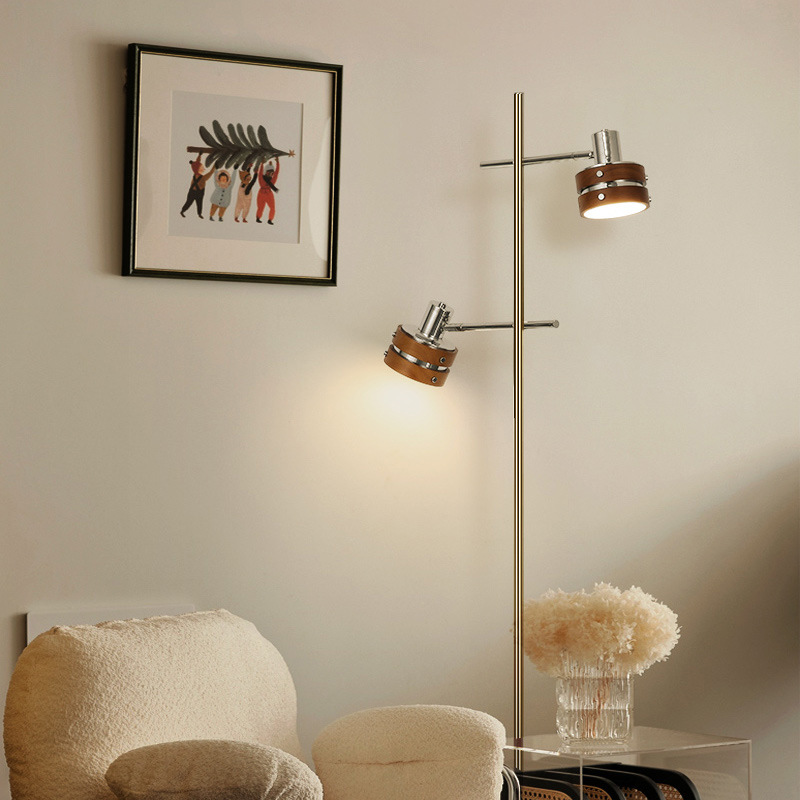
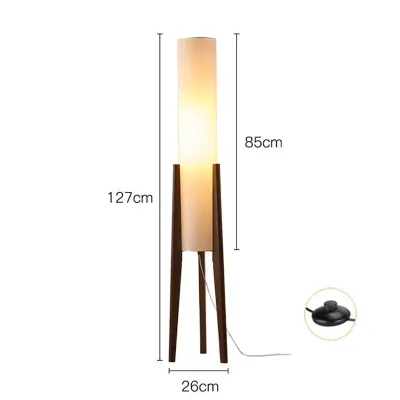
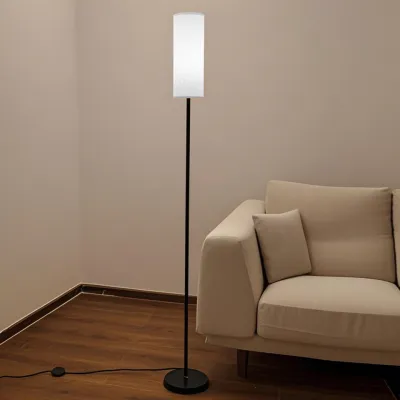
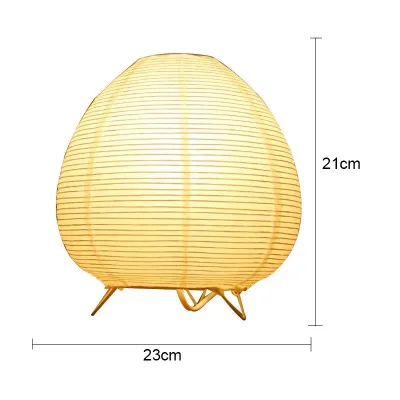
Prices are valid at publication and may change. Please refer to the product page for the latest price.
The structural frame of these lamps typically showcases natural wood, such as bamboo, rattan, oak, or walnut. These materials introduce warmth and tactile texture to your reading corner, contrasting gently with modern concrete walls or sleek synthetic furniture. Rattan and bamboo are particularly well-suited for tropical climates like the Philippines, as they naturally resist warping under moderate humidity when properly treated and finished. The natural grain of the wood should remain visible, celebrating the material’s organic origin rather than hiding it under heavy, glossy paints.
In addition to wood and paper, look for minimalist metal accents that provide structural stability without cluttering the visual field. Authentic designs prioritize clean silhouettes, low-profile bases, and geometric or organic shapes that sit quietly in a corner. A tall, slender column lamp (often reminiscent of traditional andon lanterns) or a delicate tripod base allows the fixture to blend seamlessly into your existing decor rather than dominating the room. This unobtrusive presence is essential for maintaining a calm, uncluttered environment where your mind can focus entirely on your book.
To style these lamps effectively, match the material textures to your reading corner’s existing palette. If your space features cool-toned walls and modern metal bookshelves, a lamp with a dark oak frame and textured cream paper shade can introduce a much-needed organic contrast. Conversely, if your nook is already rich with warm wood tones, a light bamboo or natural rattan lamp will complement the existing setup, creating a cohesive, tranquil environment. Pay attention to how the natural light in the room during the day interacts with the lamp’s materials, ensuring it looks just as beautiful when turned off as it does when illuminated at night.
Matching Light Warmth and Brightness to Your Reading Habits
Achieving the optimal reading light requires a careful balance between ambient warmth and task-focused brightness. The color temperature of your bulb plays a critical role in how your eyes behave during extended reading sessions. Color temperature is measured in Kelvin (K), and selecting the right range can prevent eye strain and headaches. Warm white light, typically ranging from 2700K to 3000K, mimics the gentle glow of sunset and is suitable for evening reading because it promotes relaxation and prepares the mind for sleep.

However, if you primarily use your reading corner during the day or for highly focused study sessions involving small text, a neutral white light around 4000K may be more appropriate. Neutral white provides higher contrast, making words on a page easier to distinguish without causing the visual fatigue associated with cool blue light. Because many Japanese style floor lamps feature semi-translucent paper or fabric shades, the perceived color temperature may shift slightly warmer as the light filters through the material. A 3000K bulb, for example, might emit a cozy, amber-tinted glow when filtered through a textured cream washi paper shade.
When selecting a bulb, always verify the fixture’s maximum wattage limit, which is typically printed on a label near the socket. Exceeding this limit can damage the socket, degrade the shade material, or pose a safety hazard. For reading tasks, look for LED bulbs that deliver sufficient lumens—generally between 450 and 800 lumens (equivalent to a traditional 40W to 60W incandescent bulb)—while consuming minimal energy and generating very little heat. LEDs are well-suited for paper and wooden lamps because they protect the delicate shade materials from heat-induced discoloration or brittleness.
Glare control is another essential factor to consider for comfortable reading. A well-designed Japanese floor lamp uses its shade to direct light downward onto your book or diffuse it evenly across the seating area, preventing direct line-of-sight exposure to the bare bulb. If you plan to use the corner for both intense reading and general relaxation, consider a lamp that supports dimming. You can achieve this by verifying if the lamp has a built-in dimmer switch or by installing a compatible smart bulb that allows you to adjust brightness levels via an app or remote control, giving you the flexibility to transition from a bright reading light to a soft, ambient glow.
Balancing Minimalist Aesthetics with Adjustability and Space Limits
While the visual appeal of a Japanese floor lamp is undeniable, its physical dimensions must align with your reading corner’s layout and your preferred seating height. The height of the light source should ideally sit slightly above or to the side of your shoulder when you are seated. This positioning ensures that the light casts directly onto your book or e-reader without creating awkward shadows from your head or hands. If the lamp is too short, the light may be blocked by the armrest of your chair; if it is too tall, you may find yourself looking directly up into the exposed bulb.
Traditional Japanese floor lamps often feature fixed stems or column designs, which prioritize clean, uninterrupted lines. While these fixed designs look stunning and provide excellent ambient light, they offer less flexibility for directing light precisely where you need it. If you require highly targeted task lighting, you may want to look for modern adaptations that incorporate adjustable joints or subtle goosenecks, allowing you to tilt the shade without sacrificing the minimalist aesthetic. Alternatively, placing a fixed-column lamp on a small riser or choosing a model with a slightly elevated light source can help achieve the correct angle.
Before making a purchase, measure the available floor space in your reading corner, paying close attention to the lamp’s base footprint. A wide tripod base may offer good stability but can easily become a tripping hazard in tight spaces or crowd nearby furniture. Conversely, a heavy, compact disc base keeps the lamp stable while allowing it to tuck neatly behind a chair or beside a small side table. This is particularly important in smaller apartments or condominiums where maximizing floor space is a priority.
Consider also the visual weight of the lamp in relation to your other furniture. A bulky, wide-column paper lamp might overwhelm a delicate, low-profile reading chair, whereas a slender wooden pole lamp with a small spherical shade will maintain a balanced, airy feel. Ensure there is enough clearance between the lamp shade and nearby bookshelves or curtains to keep the space looking organized and uncluttered. The goal is to create a harmonious composition where each element has room to breathe, enhancing the overall sense of tranquility in your reading nook.
Verifying Electrical Compatibility and Safety for Local Use
Because many Japanese style floor lamps are imported, verifying their electrical specifications is crucial for ensuring safe and reliable operation in the Philippines. The standard electrical system in the Philippines operates at 220 volts (V) and a frequency of 60 hertz (Hz). Using a lamp designed strictly for 110V/50Hz systems without a proper transformer can lead to immediate fixture damage, bulb flickering, or electrical hazards. Always check the manufacturer’s specification label on the cord or socket to confirm that the fixture is rated for 220V.
Additionally, pay attention to the plug type. Most homes in the Philippines use Type A (two flat parallel pins) or Type B (two flat pins with a round grounding pin) outlets. If the lamp comes with a different plug type, avoid relying on loose, low-quality adapters, which can cause poor electrical contact, sparking, and potential fire risks. Instead, opt for a high-quality, certified adapter or have a qualified professional replace the plug with a standard local equivalent. Ensuring a secure, grounded connection is especially important for tall floor lamps that could be accidentally bumped.
Safe cord management is essential, especially if your reading corner is located near a high-traffic pathway. Ensure the power cord is long enough to reach the outlet without being stretched taut, and route it along walls or under furniture protectors to prevent tripping. Never run electrical cords under heavy rugs or carpets, as this can trap heat and cause the cord’s insulation to degrade over time, increasing the risk of short circuits. If the cord is excessively long, use neat cable ties to bundle the excess safely behind your furniture.
Finally, pay close attention to heat dissipation, particularly if your lamp features a delicate washi paper, fabric, or wooden shade. While modern LED bulbs emit significantly less heat than older incandescent bulbs, they still require adequate ventilation to prevent heat buildup. Ensure there is sufficient clearance between the bulb and the shade material as specified by the manufacturer. Never drape fabrics, towels, or decorative items over the top of the lamp, as trapped heat can damage the delicate materials or create a fire hazard. If you are installing a lamp in a particularly warm or humid area of your home, ensure there is adequate airflow around the fixture to help dissipate heat naturally.
Frequently Asked Questions (FAQ)
Can I use smart bulbs in traditional washi paper floor lamps?
Yes, you can generally use smart LED bulbs in traditional washi paper floor lamps, and they are often highly recommended. Because LED bulbs emit very little heat compared to traditional incandescent bulbs, they pose a significantly lower risk of scorching or damaging delicate paper shades. However, before installing a smart bulb, always check the lamp’s maximum wattage rating and ensure the physical dimensions of the smart bulb fit comfortably inside the shade without touching the paper walls. Additionally, verify that your smart bulb does not require a specialized dimmer switch if your lamp has a standard on/off rotary or foot switch, as incompatible dimming systems can cause the bulb to flicker or buzz.
How do I clean and maintain a wooden or rattan lamp base?
To clean and maintain a wooden or rattan lamp base, establish a regular routine of dry dusting using a soft microfiber cloth or a soft-bristle brush to reach into the textured crevices of rattan. Avoid using harsh chemical cleaners, abrasive pads, or excessive water, as moisture can cause natural wood to warp, split, or develop mold in humid tropical climates. For deeper cleaning or to restore the wood’s natural luster, consult the manufacturer’s care label for approved wood polishes or oils, and always apply them sparingly. If your reading corner is located near a window with direct sunlight, consider rotating the lamp occasionally to ensure even exposure and prevent uneven fading of the wood finish over time.

Community discussion
Share your experience or ask a question. Comments are reviewed before publication.