
Transforming your outdoor space into a welcoming evening retreat requires a thoughtful approach to illumination, especially when selecting fixtures from the KKKSKY landscape lighting range. In the Philippines, where outdoor living spaces like lanais, pocket gardens, and expansive lawns serve as natural extensions of the home, proper lighting balances aesthetic appeal with practical security. Achieving this balance involves evaluating your garden’s layout, understanding the local tropical climate, and choosing the right power delivery methods. By focusing on key factors such as weather resistance, power configurations, and spatial design, you can curate a lighting setup that highlights your garden’s natural beauty while ensuring safe navigation throughout the night.
Understanding Your Garden's Lighting Needs
Before purchasing any lighting fixtures, it is essential to analyze how you use your outdoor space and identify the specific lighting requirements of each zone. Outdoor illumination generally falls into three categories: task, accent, and ambient lighting. Task lighting focuses on safety and functionality, guiding movement along pathways, steps, and driveways. Accent lighting draws attention to specific features, such as a manicured palm tree, a water fountain, or architectural stonework. Ambient lighting provides a soft, general glow that makes seating areas comfortable for socializing without causing harsh glare.
To plan your layout, walk through your garden after dark and assess its physical characteristics. Take note of high-traffic walkways that require consistent illumination to prevent trips and falls. Identify focal points that would benefit from dramatic uplighting, as well as dark corners that might present security vulnerabilities. If your garden features delicate ornamental plants or a water feature, these areas will require specialized fixtures that can handle moisture and direct light precisely where it is needed.
Products mentioned in this guide
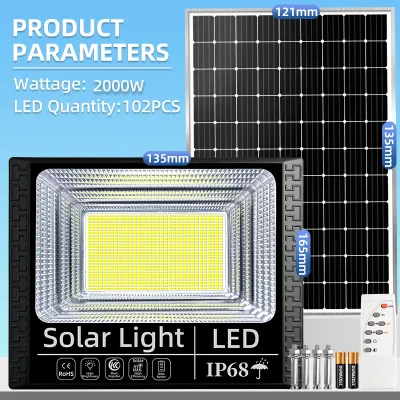
Prices are valid at publication and may change. Please refer to the product page for the latest price.
Additionally, observe the existing light levels around your property. Streetlights, security floodlights, and light spilling from your neighbors’ windows all contribute to the baseline brightness of your yard. Over-illuminating an outdoor space can create an uncomfortable, washed-out environment and contribute to light pollution. By identifying where shadows naturally fall and where existing light already penetrates, you can strategically place your fixtures to complement, rather than compete with, the surrounding environment.
Key Selection Criteria for KKKSKY Landscape Lights
Selecting the right fixtures from the KKKSKY range requires a close examination of technical specifications to ensure they can withstand local environmental conditions. The tropical climate of the Philippines presents unique challenges, including intense solar heat, high humidity, and heavy seasonal rainfall.

Weather resistance is the most critical factor for any outdoor electrical fixture. When browsing KKKSKY products, always check the Ingress Protection (IP) rating printed on the packaging or manufacturer specification sheet. An IP rating consists of two digits: the first indicates protection against solid particles like dust, while the second measures resistance to liquids. For general garden use, look for fixtures with at least an IP65 rating, which indicates they are dust-tight and protected against water jets. For areas prone to temporary pooling or heavy downpours, higher ratings provide greater peace of mind.
The choice between solar-powered and low-voltage wired systems significantly impacts installation complexity and long-term reliability. Solar-powered KKKSKY lights offer unmatched convenience, requiring no trenching or electrical wiring. However, their performance depends entirely on solar panel exposure to direct sunlight. In areas with dense tree canopies or during the prolonged overcast days of the monsoon season, solar lights may experience shorter runtimes. Low-voltage wired systems, typically operating on 12V or 24V, require a transformer connected to a standard GFCI outlet but deliver consistent, controllable brightness regardless of weather conditions.
Light output, measured in lumens, and color temperature, measured on the Kelvin (K) scale, dictate the mood and functionality of your lighting. For pathways and accent areas, lower lumen outputs (typically 50 to 150 lumens) prevent blinding glare. When choosing color temperatures, warm white light (2700K to 3000K) or cool white light (4000K to 5000K) are conditional preferences depending on your desired spatial effect, rather than universal performance indicators. Warm tones generally create a cozy, inviting atmosphere that complements natural wood and foliage, while cool tones provide high contrast and clear visibility for security.
Finally, evaluate the material durability of the light housings. Outdoor fixtures are constantly exposed to UV radiation, moisture, and soil acidity. High-quality ABS plastics, heavy-duty aluminum, and stainless steel are common materials used in KKKSKY construction. Ensure the manufacturer specifications indicate UV-stabilized coatings to prevent plastic housings from becoming brittle and cracking under the intense tropical sun.
Matching KKKSKY Light Types to Specific Garden Zones
A successful landscape design relies on layering different types of light to create depth and visual interest. Rather than relying on a single, bright light source, combining various fixture styles allows you to tailor the illumination to the physical constraints and aesthetic goals of each garden zone.
| Garden Zone | Recommended Light Type | Primary Purpose | Key Specification to Verify |
|---|---|---|---|
| Pathways & Driveways | Stake & Bollard Lights | Safe navigation & boundary definition | Downward beam angle & glare shields |
| Plant Beds & Features | Spotlights & Well Lights | Accentuation & dramatic uplighting | Adjustable brackets & IP rating |
| Patios & Seating Areas | String Lights & Wall Sconces | Ambient warmth & perimeter glow | Wet/damp location certification |
Pathways and Driveways
Illuminating walkways requires a balance between safety and visual comfort. KKKSKY stake lights and bollard lights are highly effective for defining boundaries and guiding guests safely to your entrance. To avoid a cluttered look, space the fixtures evenly along the path, alternating sides to create a gentle, zigzag pattern of light rather than a straight runway effect.
When selecting pathway lights, pay close attention to the design of the light head. Fixtures with integrated shields or top caps direct light downward toward the walking surface, preventing glare from shining directly into the eyes of pedestrians. Ensure the beam angle is wide enough to cover the width of the path without spilling excessively into adjacent plant beds, keeping the focus entirely on safe navigation.
Plant Beds and Focal Points
Highlighting the natural textures of your garden’s flora requires targeted, adjustable illumination. KKKSKY spotlights equipped with ground stakes allow you to position the light source precisely at the base of trees or large shrubs. By angling the beam upward through the branches, you can create dramatic shadows and highlight the intricate structure of the foliage.
For a more seamless look, well lights can be recessed directly into the ground or flush with lawn surfaces. These fixtures project light straight up, making them ideal for illuminating columns, garden walls, or tall palms. When positioning these lights, verify the distance from the target object to prevent over-exposure, and adjust the angles carefully to ensure the light does not spill into neighboring properties or bedroom windows.
Patios and Seating Areas
Outdoor living spaces where family and friends gather require soft, glare-free ambient lighting that encourages relaxation. KKKSKY string lights suspended overhead can instantly transform a pergola or open patio into a festive, warm environment. Wall-mounted sconces installed on exterior walls or fence posts provide excellent perimeter lighting, defining the boundaries of your social space.
Before installing fixtures in these areas, verify their environmental ratings based on their exposure to the elements. If your patio is fully covered, damp-rated fixtures may be sufficient; however, if the lights will be exposed to open air and rain, they must carry a wet-location rating. Always check that the mounting hardware and suspension cables are rated to support the weight of the fixtures, especially in areas prone to strong winds.
Installation Preparation and Safety Boundaries
Proper preparation is essential to ensure a safe, long-lasting landscape lighting installation. Before starting any installation, verify the voltage compatibility, base or interface types, wattage limits, and physical dimensions of your KKKSKY fixtures. Ensure all components carry recognized electrical certifications for outdoor use. If you choose a low-voltage wired KKKSKY system, you must first calculate the total wattage of all planned fixtures to select a compatible transformer. The total wattage of your lights should not exceed 80 percent of the transformer’s rated capacity to account for voltage drop along the cable run.
While low-voltage systems (12V-24V) are generally safe for DIY installation, certain tasks strictly require the expertise of a licensed professional. Any work involving the installation of new 220V mains outlets, running conduit through concrete structures, or connecting transformers directly to your home’s main electrical panel must be handled by a qualified electrician. For any fixed wiring, work in damp areas, or handling suspended loads, always prioritize power-isolation at the breaker, follow the manufacturer’s installation instructions strictly, and recognize when a qualified professional must take over.
When routing cables through your garden, plan the paths carefully to protect the wires from future damage. Dig shallow trenches (typically 6 inches deep for low-voltage lines) along the edges of garden beds or pathways where digging is unlikely to occur. Avoid running cables across open lawn areas where lawnmowers, aerators, or edging tools could easily slice through the insulation. Use protective conduit where cables emerge from the ground to shield them from physical impacts and weed trimmers.
Maintenance and Troubleshooting
Regular maintenance is key to preserving the performance and extending the lifespan of your KKKSKY landscape lights. In tropical environments, dust, pollen, and hard water spots can quickly accumulate on solar panels and light lenses, reducing charging efficiency and light output. Wipe the surfaces clean with a soft, damp microfiber cloth at least once a month, avoiding abrasive cleaners that could scratch the protective covers.
The heavy rains and high humidity of the wet season require proactive inspections of your lighting system. After major storms or typhoons, check each fixture for signs of water ingress, such as internal condensation or fogged lenses. Inspect wire connections, splice connectors, and silicone seals to ensure they remain tight and free from corrosion. If you notice any exposed copper or damaged insulation, wrap the area with electrical tape or replace the damaged section immediately to prevent short circuits.
If a light fixture fails to turn on or begins to flicker, follow a systematic troubleshooting process to identify the cause. For solar lights, ensure the solar panel is not shaded by overgrown foliage and check that the rechargeable battery is seated correctly. If the light still fails, the battery may need replacement after a year or two of continuous charge cycles. For wired systems, verify that the transformer is receiving power, check the circuit breaker, and inspect the cable run for any physical breaks or loose connections at the splice joints.
Frequently Asked Questions (FAQ)
Can KKKSKY solar lights withstand heavy rain in the Philippines?
Yes, KKKSKY solar lights designed for outdoor use can withstand typical rainfall, provided they carry an appropriate weather-resistance rating. When purchasing, verify that the product packaging indicates an IP65 rating or higher, which ensures protection against heavy rain and splashing water. During extreme weather events such as typhoons, where localized flooding or prolonged submersion is possible, it is highly recommended to temporarily remove stake-mounted solar lights and store them indoors to prevent water from bypassing the seals.
How do I determine the right brightness for my garden paths?
To determine the right brightness for your garden paths, aim for a subtle, low-glare illumination level, typically between 50 and 100 lumens per fixture. Walkway lighting should guide steps without creating harsh, blinding hotspots that disrupt your night vision. A practical approach is to purchase a single KKKSKY fixture to test the light spread and height at night before investing in a complete set. This allows you to adjust the spacing and positioning to achieve a continuous, gentle glow along the entire path.

Community discussion
Share your experience or ask a question. Comments are reviewed before publication.