
Selecting the ideal Kksky outdoor solar light for your garden, pathway, or driveway requires balancing aesthetic appeal with practical performance. Because outdoor spaces in the Philippines experience intense tropical sun, heavy seasonal downpours, and high humidity, your choice must go beyond simple visual preference. To find the right match, you must evaluate the specific lighting requirements of each zone, verify critical technical specifications on the product labels, and choose a physical design that aligns with your landscape layout.
By taking a systematic approach to your outdoor lighting, you can avoid common pitfalls such as purchasing fixtures that are too dim for security or models that fail prematurely due to water ingress. This guide provides a clear framework to help you assess your space, understand product specifications, and implement installation and maintenance practices that ensure long-term reliability.
Assessing Lighting Needs for Different Outdoor Zones
Before browsing specific models, you must define what you want your outdoor lighting to achieve. Outdoor illumination generally falls into three categories: ambient, task, and security lighting. Ambient lighting is soft and low-intensity, designed to create atmosphere or gently highlight landscape features like ornamental plants and rock formations. Task lighting provides clear, direct illumination to guide movement along pathways, steps, or gates, ensuring safe navigation after dark. Security lighting uses bright, wide-reaching beams, often triggered by motion, to deter intruders and illuminate dark corners around entryways or driveways.
Products mentioned in this guide
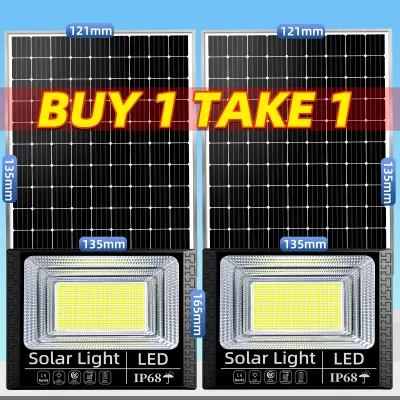
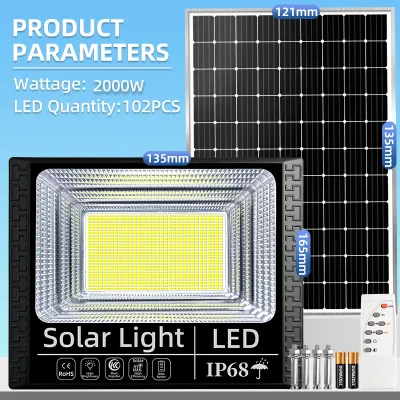
Prices are valid at publication and may change. Please refer to the product page for the latest price.
Evaluating the required beam angle and coverage area is the next step in planning your layout. A narrow beam angle, typically under 45 degrees, acts like a spotlight and is perfect for highlighting a single garden feature or architectural detail. A medium beam angle, ranging from 45 to 90 degrees, works well for pathways where you want to pool light along the walking surface. For driveways and broad open spaces, a wide beam angle of over 90 degrees is essential to cover as much ground as possible with a single fixture.
Mounting height also plays a critical role in how light is distributed across your yard. Ground-level fixtures, such as stake lights, concentrate their output in a small radius, minimizing glare but requiring closer spacing to create a continuous path of light. Conversely, wall-mounted or pole-mounted lights cast a much larger footprint but must be positioned carefully to prevent direct glare from shining into the eyes of pedestrians or drivers. Balancing these factors ensures that your outdoor zones are safely illuminated without causing visual discomfort.
Essential Specifications to Verify on Kksky Product Labels
When evaluating Kksky solar lights, the product label and packaging contain vital technical specifications that dictate how the fixture will perform in your specific environment. The first and most critical specification to check is the Ingress Protection (IP) rating, which measures the light’s resistance to dust and water. For the Philippine climate, where tropical storms and high humidity are common, an IP65 rating is generally the minimum standard for exposed outdoor fixtures. An IP65 rating indicates that the light is dust-tight and protected against water jets from any angle, while an IP67 or IP68 rating offers even greater protection against temporary submersion or heavy pooling water.

Next, examine the solar panel type and physical size indicated on the packaging. Solar panels are typically either monocrystalline or polycrystalline. Monocrystalline panels are more efficient and perform better in low-light or overcast conditions, making them highly suitable for areas that experience frequent cloudy days, though they often come at a higher price point. Polycrystalline panels are recognizable by their blue speckled appearance and are highly cost-effective, but they require more direct sunlight and a larger surface area to achieve the same power output as monocrystalline alternatives.
Battery capacity, measured in milliampere-hours (mAh), is another crucial metric to verify. A higher battery capacity allows the fixture to store more solar energy during the day, which translates to a longer runtime at night or the ability to operate through consecutive rainy days. Compare this capacity with the manufacturer’s estimated runtime, keeping in mind that these estimates are based on optimal charging conditions. If your area experiences frequent overcast weather, prioritizing a larger battery capacity can help maintain consistent performance.
Finally, review the operating modes supported by the fixture to align with your energy conservation goals. Many modern solar lights offer multiple settings, such as dusk-to-dawn sensors that automatically turn the light on at sunset, motion-activated modes that brighten only when movement is detected, or manual switches for seasonal use. Selecting a model with a motion sensor is particularly effective for security lighting, as it conserves battery power by remaining dim or off until needed. Additionally, always verify the voltage, base or interface type, and electrical certifications on the label, especially if you are considering hybrid models that can connect to your home’s electrical grid.
Matching Light Designs to Your Specific Space
Matching the physical design of a solar light to its intended location is essential for both functionality and visual harmony. Outdoor solar lights generally come in three primary form factors: stake lights, bollard lights, and wall-mounted fixtures. Stake lights are designed for easy insertion into soft soil, making them highly portable and ideal for temporary or seasonal adjustments. Bollard lights are sturdier, post-like fixtures that provide structured, low-level illumination along defined borders. Wall-mounted fixtures are secured to vertical surfaces, offering elevated lighting that covers larger areas.
When planning your layout, consider how spacing and placement affect the overall visual continuity of your landscape. Placing fixtures too close together can create a harsh, cluttered appearance, while spacing them too far apart leaves dark, unsafe gaps. The goal is to position the lights so that their outer edges of illumination overlap slightly, creating a gentle, continuous flow of light that guides the eye naturally through the space.
Gardens and Flower Beds
For decorative and low-traffic garden areas, the primary goal is to highlight the natural beauty of your plants without causing distracting glare or light pollution. Low-glare, downward-facing, or diffused designs are ideal for these spaces, as they cast a soft glow directly onto the foliage and soil. This approach keeps the focus on your landscaping rather than the light source itself.
Stake lights are particularly well-suited for gardens and flower beds because they offer maximum placement flexibility. As your plants grow, bloom, or change throughout the seasons, you can easily pull up the stakes and reposition them to ensure your favorite garden features remain illuminated. Using warm color temperatures in these areas can also enhance the natural green and earthy tones of your garden, creating a welcoming and relaxing outdoor retreat.
Pathways and Walkways
Illuminating pedestrian routes requires a focus on safety and clear boundary definition. Bollard lights or low-profile pathway lights are the standard choice for walkways, as they cast light downward and outward directly onto the path where walkers need it most. These fixtures clearly outline the edges of the path, helping guests navigate steps, turns, or changes in terrain.
Even spacing is critical along pathways to prevent dark spots that can hide tripping hazards. To achieve a balanced and organic look, try alternating the placement of the lights on the left and right sides of the path rather than arranging them in a straight, military-style line. This staggered pattern provides sufficient illumination for safety while maintaining a softer, more visually appealing landscape design.
Driveways and Entryways
Driveways and entryways are high-traffic zones that require robust, high-lumen lighting to accommodate vehicles and pedestrians safely. For these areas, prioritize wall-mounted fixtures or floodlight-style designs equipped with motion sensors. These lights provide a bright burst of illumination when a car enters the driveway or when someone approaches the front door, enhancing security and visibility.
Because these fixtures are often mounted on exterior walls, fences, or posts, they require robust mounting hardware to withstand strong winds and tropical weather. Look for designs with wider beam angles to ensure that broad concrete or paved surfaces are fully illuminated. If you choose a model with an adjustable head, you can direct the light downward to cover the driveway surface while avoiding shining light directly into your neighbors’ windows.
Installation and Placement Best Practices
To maximize the efficiency and lifespan of your outdoor solar lights, proper installation and placement are paramount. The solar panel must be positioned in an unshaded location where it can receive direct sunlight for at least six to eight hours daily. Avoid placing panels under roof eaves, dense tree canopies, or near tall walls that cast long shadows during the peak hours of the day. Additionally, keep solar lights away from existing streetlights or bright porch lights, as the ambient light can trick the built-in dusk-to-dawn sensors into thinking it is still daytime, preventing the solar lights from turning on.
When installing wall-mounted fixtures, safety must be your top priority. Before drilling into any exterior wall, fence, or post, always check for hidden utility lines, water pipes, or electrical wiring behind the surface. Use the appropriate anchors and screws recommended by the manufacturer for your specific wall material, whether it is concrete, brick, wood, or siding, to ensure the fixture is securely fastened and will not fall during high winds.
For any installation that requires working at heights, such as mounting floodlights on high eaves or poles, always use a stable ladder and have a second person assist you. If you are integrating solar lights with existing fixed electrical wiring or installing hybrid systems that connect to your home’s power supply, isolate the main power source before beginning any work. For complex installations, high-reach mounting, or fixed electrical connections, always consult a qualified professional to ensure compliance with local electrical codes and safety standards.
Routine Maintenance for Long-Term Performance
Regular maintenance is essential to keep your outdoor solar lights functioning at peak efficiency over time. Dust, pollen, bird droppings, and salt residue can quickly accumulate on the surface of the solar panel, blocking sunlight and significantly reducing its charging capacity. To prevent this, wipe the solar panels regularly with a soft, damp microfiber cloth and clean water. Avoid using abrasive cleaners, harsh chemicals, or rough scrubbing pads, as these can scratch the protective coating of the panel and permanently decrease its efficiency.
In addition to cleaning, perform periodic visual inspections of each fixture to check for physical damage or wear. Look for signs of moisture ingress, such as condensation building up inside the lens, which can damage the internal circuitry. If your fixtures have accessible battery compartments, open them occasionally to check for corrosion or white powdery deposits on the metal contacts. If you spot minor corrosion, you can gently clean the contacts using a dry cotton swab or a specialized electrical contact cleaner.
Over time, all rechargeable batteries will naturally degrade and lose their ability to hold a charge, typically after one to two years of daily use. If you notice that your solar lights are turning off much earlier in the night than they used to, despite receiving plenty of direct sunlight during the day, the battery likely needs to be replaced. Check the manufacturer’s manual or product label to confirm the exact battery type, voltage, and capacity required, and follow the manufacturer’s guidelines for safe replacement to maintain the waterproof seal of the fixture.
Frequently Asked Questions (FAQ)
Do solar lights work effectively during the rainy season?
Yes, solar lights can still charge during the rainy or cloudy season, though their charging efficiency will be reduced. Solar panels utilize daylight to generate electricity, meaning they can still capture indirect or filtered sunlight through cloud cover, but the battery will not charge as quickly or as fully as it would on a bright, sunny day. To ensure consistent performance during prolonged periods of overcast weather, check the product’s battery capacity and look for models that offer energy-saving modes, such as motion-activated settings, which conserve stored power by only illuminating when necessary.
Can I replace the batteries inside the solar lights?
Whether you can replace the batteries depends entirely on the specific design of your solar light model. Many outdoor solar lights are designed with accessible battery compartments that allow users to easily swap out old rechargeable cells for new ones of the same type and capacity. However, some models feature completely sealed housings to achieve a higher waterproof rating, and attempting to force these units open can ruin the waterproof seal, damage the internal components, and void the manufacturer’s warranty. Always consult the product manual or check the label to confirm if the battery is user-replaceable before attempting any maintenance.

Community discussion
Share your experience or ask a question. Comments are reviewed before publication.