
To study effectively without experiencing headaches, dry eyes, or visual fatigue, your workspace needs the right balance of focused task lighting and soft ambient glow. The primary culprit behind study-related eye strain is not the brightness of the bulb itself, but rather the harsh contrast between a blindingly bright desk and a dark room, or the direct glare of an exposed light source. Choosing the right lamp shade for study is the most effective way to control how light is distributed across your books, screens, and writing materials.
Rather than searching for a single, universally perfect shade, the key is matching the shade’s material and shape to your specific desk layout. A well-chosen shade acts as a physical barrier that conceals the intense glare of the bulb while scattering light evenly across your workspace. In tropical climates like the Philippines, where high humidity can affect household items, selecting durable, breathable materials also ensures your study setup remains safe and functional for years to come.
How Lamp Shade Materials Affect Light Diffusion and Eye Comfort
The material of your lamp shade determines its opacity, which directly controls how much light escapes through the sides versus how much is forced out of the top and bottom. Lamp shade materials generally fall into three categories: transparent, translucent, and opaque. Transparent shades, such as clear glass or acrylic, offer virtually no protection from direct bulb glare, making them highly unsuitable for focused study sessions. Opaque shades made of metal, heavy wood, or thick cardboard block all lateral light, directing a concentrated beam straight down. While this creates a bright spotlight, the extreme contrast between the illuminated page and the surrounding darkness quickly tires the eyes.
Products mentioned in this guide
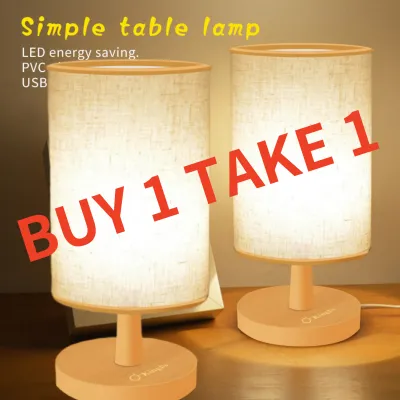
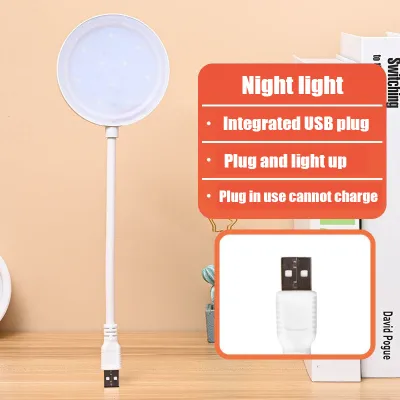
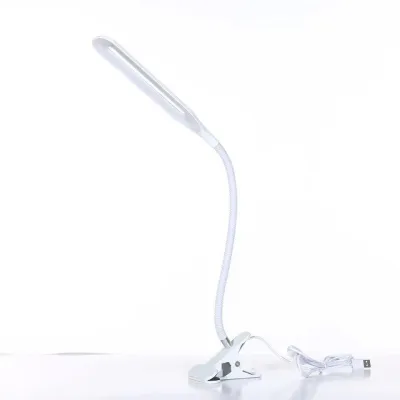
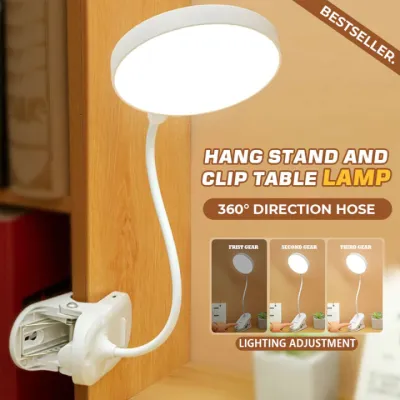
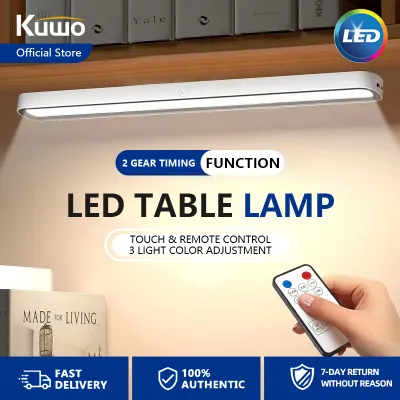
Prices are valid at publication and may change. Please refer to the product page for the latest price.
For most students and professionals, translucent materials like linen, cotton, or high-quality parchment are the most comfortable options. These materials allow a soft, filtered glow to pass through the sides of the shade, which gently illuminates the surrounding room and eliminates harsh shadows. When evaluating fabric shades, look closely at the weave and texture. A tight, uniform weave ensures that light scatters evenly without casting distracting patterns or shadows onto your reading materials.
Furthermore, the material must be practical for your local environment. In humid regions, untreated paper or cheap glues can warp, peel, or attract mold. Opting for treated fabrics or sturdy synthetic blends ensures the shade retains its shape and diffusion properties. Always inspect the inner lining of the material as well; a smooth, heat-resistant backing helps prevent the fabric from scorching while maximizing the light’s downward reflection.
Choosing the Right Lamp Shade Shape for Task Lighting
The shape of a lamp shade dictates the size, direction, and intensity of the light pool on your desk. Different shapes serve different study habits, and understanding their geometry helps you tailor your lighting to your specific tasks. The most common shapes for study desks are conical (or empire), drum (or cylindrical), and bell shapes.

Conical and empire shades feature a narrow top and a significantly wider bottom opening. This classic design creates a wide, generous pool of light that spreads across a large portion of your desk, making it excellent for reviewing physical textbooks, drafting, or spreading out multiple reference sheets. Because the top opening is small, very little light escapes upward, keeping the focus entirely on your workspace.
Drum and cylindrical shades have equal or near-equal top and bottom diameters. This symmetry directs light equally upward and downward, creating a highly balanced ambient feel. Drum shades are ideal if your study desk is integrated into a bedroom or living space, as they help illuminate the surrounding area while still providing sufficient downward light for writing or typing. However, because the top opening is wide, you must ensure the lamp is positioned low enough that the upward light does not shine directly into your eyes when you stand up.
Regardless of the shape you choose, the most critical factor for eye comfort is bulb concealment. When seated at your desk in your normal study posture, the shade’s lower rim must sit below your eye level. If the shade is too shallow or positioned too high, the bare bulb will remain visible in your peripheral vision, causing constant, fatiguing glare.
Essential Checks When Selecting a Study Lamp Shade
Before purchasing a new lamp shade, performing a few technical and physical checks will save you from safety hazards and poor lighting performance. First and foremost, always verify the manufacturer’s maximum wattage and heat clearance labels. Fabric and paper shades can become safety hazards if paired with high-wattage incandescent bulbs that generate excessive heat. Ensure there is at least a two-inch gap between the bulb and the inner surface of the shade to allow heat to dissipate safely.
Next, check the electrical compatibility and mounting style of the shade. Lamp shades attach to bases using different mechanisms, such as spider fitters (which require a harp), uno fitters (which screw directly onto the socket), or clip-on fitters (which attach directly to the bulb). Verify that your lamp base matches the shade’s mounting style, and check that the socket interface (such as E27 or E14) is compatible with your preferred bulb. If you plan to use a dimmable LED bulb to adjust brightness throughout the day, ensure both the lamp base and the bulb support your dimming method.
Finally, examine the physical build quality of the shade. Look for sturdy metal frames with clean, solid welds that will not bend or rattle. Check the seams of fabric shades to ensure the adhesive is clean and tight, as loose seams can allow bright, unfiltered light to leak out horizontally. A quality shade should also carry recognized electrical safety certifications, giving you peace of mind during late-night study sessions.
Adapting Your Lamp Shade to the Study Environment
A lamp shade does not work in isolation; its performance depends heavily on the surrounding room and the surfaces of your workspace. To minimize eye strain, you must balance your desk lamp’s localized brightness with the room’s ambient lighting. Avoid the common mistake of studying in a pitch-black room with only your desk lamp turned on. This high-contrast environment forces your pupils to constantly dilate and constrict as your eyes move between your book and the dark room, leading to rapid fatigue.
Your desk surface also plays a major role in how light behaves. If you study on a glossy, glass, or polished wooden desk, a highly concentrated downward light will bounce off the surface and create blinding reflections. In this scenario, a translucent shade that diffuses light widely is essential, as it softens the impact of the light hitting your desk. Alternatively, you can position the lamp slightly to the side of your non-dominant hand to prevent your body from casting shadows while directing the reflection away from your direct line of sight.
Lastly, consider how your shade interacts with the walls and ceiling. A shade that allows a controlled amount of upward light to softly illuminate the ceiling helps create a more open, comfortable atmosphere, reducing the visual weight of the room and making long hours of concentration much easier to sustain.
Frequently Asked Questions (FAQ)
Can a dark-colored lamp shade cause eye strain while studying?
Yes, a dark-colored exterior shade can contribute to eye strain if it is not paired with adequate ambient room lighting. Dark fabrics or metals absorb a significant amount of light, preventing any lateral glow from softening the room’s shadows. This creates a high-contrast spotlight effect on your desk, which tires the eyes over time. If you prefer a dark exterior for aesthetic reasons, ensure the room has sufficient background light, or choose a shade with a highly reflective white interior lining to maximize the downward light output on your workspace.
Does the inside color of the lamp shade matter for reading?
Absolutely. The interior lining of a lamp shade plays a crucial role in directing and coloring the light. A white or light-colored interior is highly recommended for studying because it reflects the maximum amount of light downward and maintains a neutral, accurate color temperature. Metallic gold or brass interiors, while stylish, warm the light significantly and can create harsh, concentrated hotspots that increase glare on glossy textbook pages. Always check the interior finish specifications to ensure it supports clean, even light diffusion.

Community discussion
Share your experience or ask a question. Comments are reviewed before publication.