
Setting up a home game room in the Philippines requires careful planning, especially when it comes to lighting. A standard room light or a generic decorative pendant cannot provide the specialized illumination needed for a game of pool or billiards. To achieve a high-quality playing experience, you must focus on selecting a dedicated LED billiard light that delivers uniform brightness across the entire slate, minimizes distracting shadows, and prevents harsh glare from straining your eyes during long matches.
By understanding the technical specifications, sizing requirements, and installation safety standards, you can confidently choose a fixture that elevates both your gameplay and your home’s interior design. This guide outlines the core evaluation criteria, sizing rules, and installation boundaries to help you build a reliable shortlist of LED billiard lights available in the Philippines, ensuring your home game room is both functional and visually appealing.
Key Specifications to Evaluate in LED Billiard Lights
Achieving a professional-grade playing surface requires evaluating several technical specifications. Unlike general ambient lighting, billiard lighting must meet strict optical standards to ensure that every shot is visible and that the balls do not cast confusing double shadows on the felt.
Products mentioned in this guide
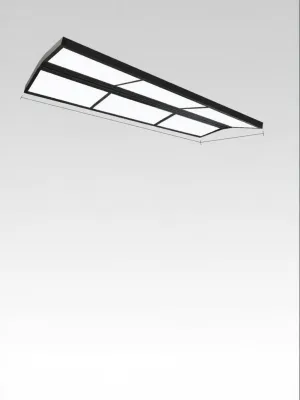
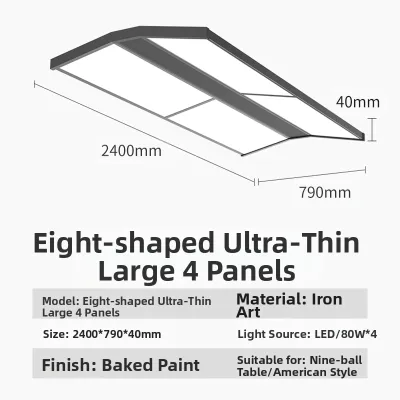
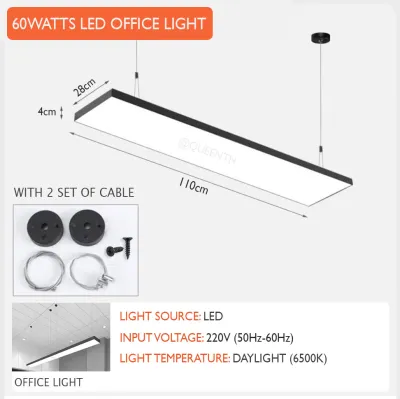
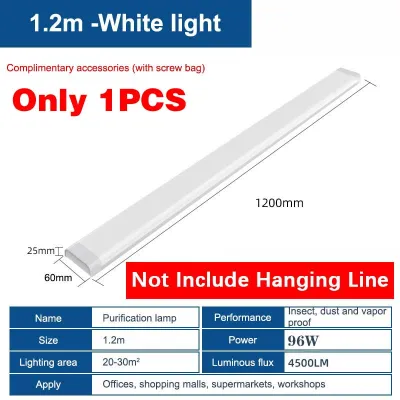
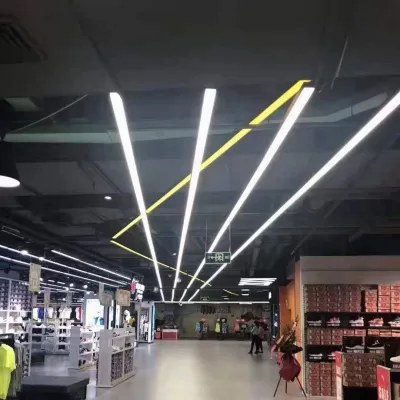
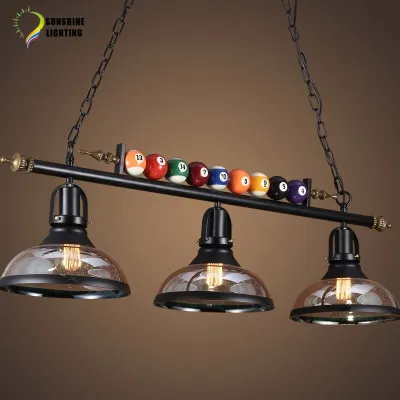
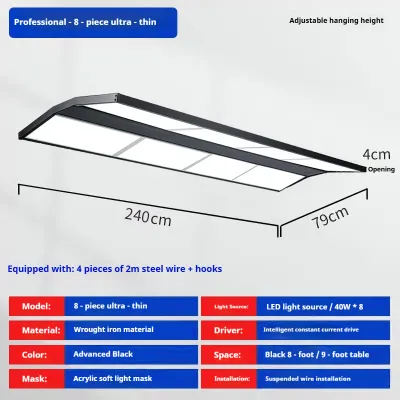
Prices are valid at publication and may change. Please refer to the product page for the latest price.
First, prioritize illumination and uniformity. The light must distribute evenly across the entire playing area, from cushion to cushion. When browsing fixtures, check the manufacturer’s specifications for beam angles or lux distribution. A wide, controlled beam angle—typically between 110 and 120 degrees—helps ensure that light reaches the corners of the table without fading or creating dark zones.
Color temperature is another critical factor that influences both visual clarity and room atmosphere. Warm white light (2700K to 3000K) creates a cozy, traditional pub-like environment, but it can sometimes make green felt look slightly yellowed and soften the contrast of the balls. Cool white or neutral daylight (4000K to 5000K) provides sharp contrast, making ball colors stand out clearly and reducing eye fatigue during intense focus. This is a matter of personal preference, but neutral-to-cool ranges generally offer the best functional performance.
Color Rendering Index (CRI) is essential for accurately distinguishing ball colors and table details. A low CRI can make colors look muddy, which makes it difficult to tell the difference between similar-colored balls under dim conditions. Always verify the exact CRI value on the product label; a rating of CRI 80 or higher is recommended, while CRI 90 or above is ideal for maximum color accuracy.
Finally, evaluate glare control mechanisms. Because players frequently bend over the table and look across the playing surface, exposed LED chips can cause blinding glare. Look for fixtures designed with deep-set physical shades, frosted diffuser panels, or internal honeycomb baffles. These design features shield the light source from direct line of sight at typical standing and bending angles, protecting your eyes during extended play.
Sizing and Suspension Height for Your Pool Table
Selecting a fixture with the correct dimensions and hanging it at the proper height are just as important as the light’s technical specs. An improperly sized or poorly positioned light will either leave the table corners in shadow or spill blinding light into the players’ eyes.

To determine the correct fixture length, use the size of your pool table as a guide. The general rule of thumb is that the light source should cover approximately 60% to 70% of the table’s length. For a standard 7-foot table, look for a fixture length between 36 and 48 inches. An 8-foot table typically requires a light spanning 48 to 54 inches, while a 9-foot table is best paired with a fixture of 54 to 60 inches to ensure complete coverage.
Suspension height standards dictate the clearance between the bottom of the fixture and the playing surface. The industry standard recommendation is to hang the light 31 to 36 inches above the slate. If you hang the fixture too low, players may accidentally strike it with their cues, and the light footprint will be too narrow. If you hang it too high, the light will spread too wide, causing glare and reducing the brightness on the table. Adjust this height slightly based on the height of the tallest player in your home and your ceiling constraints.
When planning your layout, compare single linear configurations with multi-pendant setups. A single continuous linear LED bar provides highly uniform, seamless light with minimal shadow overlap, making it a popular modern choice. Multi-pendant configurations, which feature three or four individual shades suspended from a single canopy, offer a classic aesthetic but require careful spacing to ensure the individual light beams overlap smoothly without creating hot spots or dark gaps on the felt.
Electrical Safety, Ceiling Support, and Installation Rules
Installing a heavy or complex ceiling fixture requires strict adherence to electrical safety and structural guidelines. Because billiard lights are suspended directly over an active play area, ensuring structural integrity is paramount to prevent accidents.
First, perform voltage and certification checks. In the Philippines, the standard residential electrical supply is 220V at 60Hz. When purchasing imported LED billiard lights, always verify that the driver and internal components are rated for 220V/60Hz to prevent overheating, flickering, or premature driver failure. Look for recognized electrical safety marks, such as the Import Commodity Clearance (ICC) sticker or the Philippine Standard (PS) safety mark, on the product packaging.
Next, assess the ceiling load and structural integrity. Billiard lights, especially traditional multi-shade metal fixtures or heavy wooden canopies, can weigh significantly more than standard residential light fixtures. The fixture must be anchored directly into ceiling joists or a reinforced concrete slab rather than relying solely on thin gypsum board or plywood ceilings. Ensure that all mounting hardware, chains, or aircraft cables are rated to support the fixture’s weight safely.
Always respect professional installation boundaries. Any work involving fixed wiring, high-ceiling access, or modifying existing electrical circuits requires turning off the main power at the circuit breaker. For a safe and compliant installation, hire a qualified electrician. Do not attempt DIY structural alterations to your ceiling support beams or complex wiring bypasses, as improper installation can lead to electrical hazards or structural failure.
Building Your Shortlist: Styles, Features, and Purchasing Checks
Once you understand the technical and safety requirements, you can begin categorizing and comparing candidate fixtures based on your game room’s aesthetic and functional needs.
Modern and linear designs are excellent for contemporary game rooms, especially those with lower ceilings. Slim, aluminum-body linear lights offer a minimalist look that keeps the room feeling spacious. Aluminum profiles also act as highly efficient heat sinks, dissipating heat away from the LED chips to prolong their lifespan in the warm, humid tropical climate of the Philippines.
Industrial and vintage styles fit beautifully in classic, wood-paneled game rooms. Traditional multi-shade configurations, often featuring three or four metal domes, provide a nostalgic look. When evaluating these, check the interior finish of the metal shades. A matte white or highly reflective silver interior finish helps maximize downward light reflection and reduces harsh glare compared to dark-colored interiors.
Consider the practicality of dimming and smart controls. A dedicated game room often serves multiple purposes, such as hosting social gatherings or watching sports. Choosing an LED billiard light with a dimmable driver allows you to transition from high-intensity, focused play lighting to soft, ambient social lighting. Verify the dimming protocol of the fixture (such as TRIAC, 0-10V, or smart wireless protocols) and ensure it is fully compatible with your wall dimmer switch to avoid annoying buzzing or flickering.
Finally, conduct thorough purchasing and warranty verification. To ensure you receive a genuine, safe product, source your lighting from official brand stores, authorized local lighting dealers, or reputable e-commerce platforms. Avoid unbranded, ultra-cheap alternatives that lack electrical certifications. Carefully review the warranty terms—ideally looking for at least a one-year warranty on the LED driver and chips—and check the seller’s return policy in case of shipping damage or manufacturing defects.
Frequently Asked Questions (FAQ)
Can I use a standard dining pendant light over a pool table?
Standard dining pendant lights are generally designed to cast a soft, ambient glow or a concentrated pool of light directly onto a dining table, where people sit and remain stationary. They often lack the length, wide beam angle, and precise glare shielding required for a billiard table. Using a standard dining fixture can result in dark corners on the pool table, distracting shadows behind the balls, and blinding glare in the eyes of players standing or bending to take a shot.
How do I clean and maintain the LED billiard light fixtures?
To maintain optimal light output, regularly clean your fixture to remove dust and insect debris, which can accumulate quickly in tropical environments. Always turn off the power at the wall switch and allow the fixture to cool completely before cleaning. Use a dry or slightly damp microfiber cloth to wipe down the exterior shades and diffusers. Avoid using harsh chemical cleaners, solvents, or abrasive pads, which can damage the protective finish or degrade the acrylic diffusers. Periodically inspect the suspension cables, chains, and mounting screws to ensure they remain secure and free of wear.

Community discussion
Share your experience or ask a question. Comments are reviewed before publication.