
Selecting the ideal wall LED fixtures for your home requires balancing two distinct lighting environments: the high-traffic, functional corridor and the intimate, relaxing bedside. For corridors, the best wall LED lights prioritize wide, glare-free illumination that ensures safe navigation through transit zones. For bedside areas, the focus shifts to highly adjustable, low-glare task lighting that supports reading and wind-down routines. By evaluating key technical specifications, physical dimensions, and installation requirements, you can find the perfect balance of safety, utility, and comfort for every wall in your home.
Understanding the Lighting Needs of Corridors vs. Bedside Areas
Corridors and hallways serve as primary circulation paths, requiring lighting that emphasizes safety and clear wayfinding. In these transit zones, the goal is to eliminate dark corners and harsh shadows. Wall LED fixtures in corridors should distribute light uniformly. To prevent eye strain as you walk past, these lights must feature effective glare reduction, often achieved through frosted diffusers or indirect upward or downward light paths.
In contrast, bedside areas are dedicated to relaxation and focused personal activities like reading. The lighting here must transition from functional task illumination to a soft, ambient glow. Bedside wall LED sconces require localized control, allowing you to direct light precisely without disturbing a sleeping partner. Dimmability and warm color temperatures are essential in this zone to support relaxation before bedtime.
Products mentioned in this guide
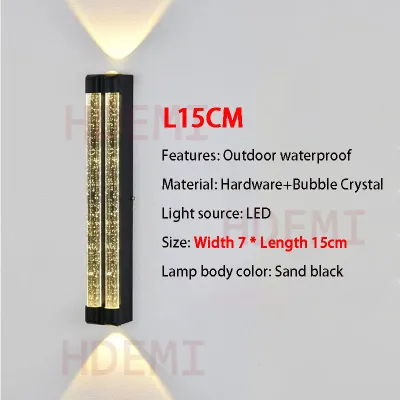
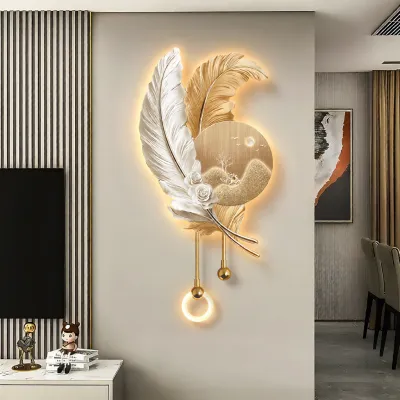
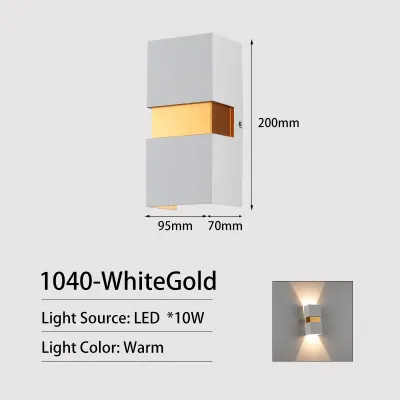
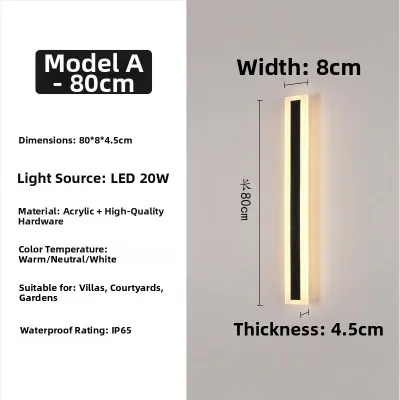
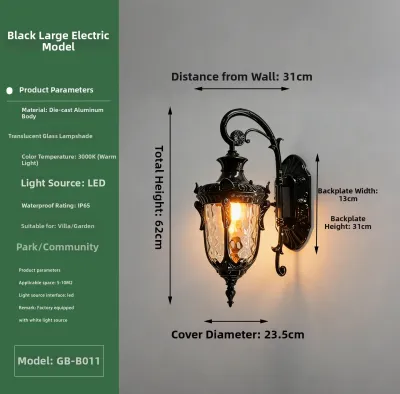

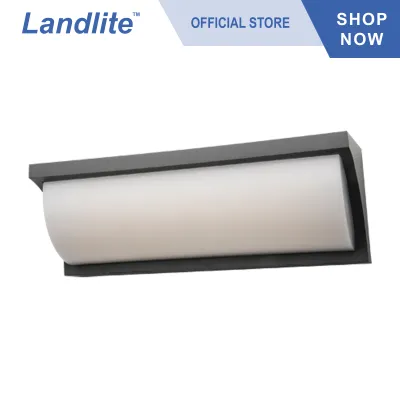
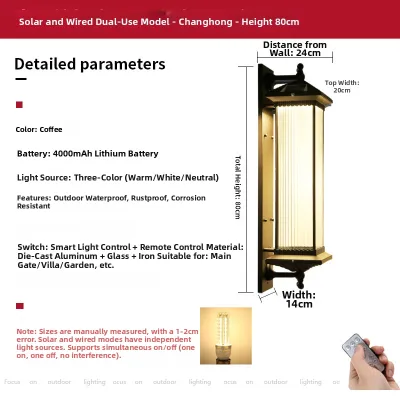
Prices are valid at publication and may change. Please refer to the product page for the latest price.
These differing roles dictate distinct beam angles and lumen outputs. Corridor fixtures typically utilize wide beam angles or omnidirectional diffusion to spread light across a broad area, requiring moderate lumen output to keep the pathway visible. Bedside fixtures benefit from narrow, concentrated beam angles—often delivered via adjustable spotlights or swing-arm designs—paired with lower overall lumen outputs to keep the light focused on a book rather than spilling across the room.
Key Specifications to Check Before Buying
Before purchasing any wall LED fixture, verifying the electrical and technical specifications is crucial for safety. In the Philippines, the standard residential electrical system operates at 220V at 60Hz. Always check the product label to ensure the fixture is rated for this voltage range; importing fixtures designed solely for 110V systems without a compatible transformer can lead to immediate product failure or electrical hazards.

Environmental conditions also play a role in fixture longevity. In tropical climates with high relative humidity, or if you plan to install a wall LED sconce near an en-suite bathroom entrance, pay close attention to the Ingress Protection (IP) rating. While standard dry-rated fixtures are suitable for dry corridors, areas exposed to steam or moisture require at least an IP44 rating to protect the internal electronics from water vapor.
Color quality and temperature directly affect how your spaces feel. Look for a high Color Rendering Index (CRI) of 90 or above to ensure that wall paint, wood finishes, and skin tones appear natural. For color temperature, measured in Kelvin (K), opt for warm white tones between 2700K and 3000K for bedside areas to create a cozy atmosphere. For corridors, a slightly cooler warm white or neutral white (3000K to 4000K) can enhance visibility during transit.
If you plan to install dimmable bedside lighting, you must verify the dimming protocol of both the LED driver and the wall switch. Traditional incandescent dimmers often cause LED lights to flicker or buzz. Ensure the fixture is explicitly labeled as dimmable and check whether it requires a TRIAC (phase-cut) dimmer or a 0-10V system. Matching the driver to the correct switch type guarantees smooth, flicker-free dimming.
Design and Placement Strategies for Each Space
Proper placement of wall LED fixtures is just as important as selecting the right design. In corridors, sconces should be spaced evenly to maintain a continuous path of light without creating dark gaps. A general guideline is to space fixtures approximately 1.5 to 2 meters apart. To prevent glare at eye level, mount corridor sconces so that the center of the light source sits roughly 1.5 to 1.7 meters above the finished floor. In narrow passages, select low-profile fixtures that do not protrude excessively, keeping the walkway clear.
Bedside placement requires a more personalized approach based on your mattress height and reading habits. If you use a fixed wall LED sconce, mount it approximately 60 to 75 centimeters above the top of the mattress, or roughly at shoulder height when sitting up in bed. This height ensures the light shines down onto your reading material rather than directly into your eyes. For ultimate flexibility, swing-arm sconces allow you to pull the light source closer for reading and push it back against the wall when finished.
Always ensure that bedside light switches are easily accessible from a lying position. You should not have to stretch or get out of bed to turn off the wall LED. When planning your layout, balance the physical proportions of the fixture with your wall space. A large, heavy sconce can overwhelm a small bedside area, while an undersized fixture may look lost on a long corridor wall. Measure the projection depth to ensure it does not interfere with curtains or headboards.
Installation Safety and Electrical Considerations
Working with electrical fixtures requires strict adherence to safety protocols to prevent shocks or short circuits. Before beginning any installation or maintenance, always turn off the power at the main circuit breaker panel. Never rely solely on the wall switch to isolate the electrical current. Use a reliable voltage tester on the wires at the junction box to verify that the power is completely off before touching any connections.
Installing a new wall LED fixture typically requires a secure junction box embedded in the wall. If you are replacing an existing fixture, verify that the existing junction box is in good condition and compatible with the new mounting bracket. If you are adding lights to a wall that has no existing wiring, the process involves cutting into the wall, routing electrical conduits, and pulling new wires. Because this process involves structural modifications and direct handling of high-voltage lines, it is highly recommended to hire a licensed professional electrician to perform the rough-in wiring.
Additionally, consider the structural integrity of the wall and the weight of the fixture. Heavy metal or glass sconces require robust support. When mounting on concrete or masonry walls—common in many homes in the Philippines—use appropriate masonry wall plugs and screws to secure the mounting bracket. For drywall or gypsum board partitions, ensure the bracket is anchored directly into a wall stud, or use heavy-duty toggle bolts designed to distribute the weight safely.
Building Your Conditional Shortlist
To find the best wall LED lights for your specific home layout, create a conditional shortlist based on your physical space and maintenance preferences. Start by measuring the exact clearance of your hallways. If your corridor is narrow, prioritize low-profile sconces that project less than 10 centimeters from the wall. This simple check prevents family members from bumping into the fixtures while carrying laundry or moving furniture.
Next, decide between integrated LED modules and fixtures with replaceable LED bulbs. Integrated LED sconces often feature sleeker, more compact designs because they do not need to accommodate a bulky bulb socket. They also offer excellent heat dissipation, which is vital for maintaining LED lifespan in warm tropical climates. However, if the integrated LED driver or module fails, the entire fixture usually needs to be replaced. If you prefer easy, tool-free maintenance, choose sconces with standard screw-in bases (such as E27 or GU10) so you can easily swap out the LED bulbs yourself.
Finally, use a structured checklist to compare your aesthetic preferences against technical realities. Ensure that any fixture you select matches the wattage limits of your existing wiring and junction boxes. If you choose high-wattage fixtures, verify that the design allows for adequate heat dissipation to prevent heat buildup behind the wall. By systematically checking clearance, bulb type, and thermal management, you can confidently select wall LED sconces that deliver long-lasting performance.
Frequently Asked Questions (FAQ)
Can I use the same LED wall sconce for both the corridor and the bedside?
While you can use the same fixture design in both areas to create visual consistency throughout your home, you must carefully manage the light output and control methods. A fixture that works well in a corridor might be too bright or lack the necessary adjustability for a bedside reading light. If you choose a matching design, consider using a lower-wattage, warmer LED bulb for the bedside, or ensure the bedside version is connected to an independent dimmer switch. Alternatively, look for a product family that offers a fixed version for hallways and a matching swing-arm or adjustable version for the bedroom.
Do LED wall sconces require a special dimmer switch?
Yes, LED wall sconces generally require dimmer switches that are specifically designed to handle low-voltage LED drivers. Traditional dimmers designed for incandescent bulbs work by cutting the voltage, which often causes LED lights to flicker, buzz, or fail to turn on at low levels. To avoid these issues, always check the manufacturer’s specifications to ensure your wall LED fixture is dimmable, and pair it with a compatible trailing-edge (ELV) or leading-edge (TRIAC) LED dimmer switch.

Community discussion
Share your experience or ask a question. Comments are reviewed before publication.