
Selecting the best LED wine bottle lamp style depends on whether you need a soft, sleep-friendly glow for your bedside or a striking, decorative focal point for your living room. For bedrooms, low-intensity, warm-toned cork fairy lights or dimmable integrated LED bottles work best to promote relaxation and prevent sleep disruption. For living rooms, larger, more structured industrial or modern geometric bottle lamps with plug-in power sources provide the consistent, eye-catching accent lighting needed to highlight shelves, consoles, or side tables. By matching the lamp’s design, brightness, and power source to your specific space, you can create a cozy atmosphere while ensuring the fixture operates safely.
Matching Light Output to Your Room's Purpose
To choose the right LED wine bottle lamp, identify the specific lighting role it will play. While task lighting requires a focused, bright output (typically 300 to 500 lumens) and ambient lighting provides general illumination, accent lighting focuses on creating visual interest. Decorative bottle lamps fall strictly into this accent category, highlighting specific decor elements rather than illuminating an entire room.
Because most LED wine bottle lamps produce low lumen output, treat them strictly as accent lights. When browsing online marketplaces, check the packaging for the lumen rating. A lamp intended for a bedside table should ideally emit a soft, low-glare glow of around 50 to 150 lumens, which is sufficient to guide you in the dark without straining your eyes.
Products mentioned in this guide
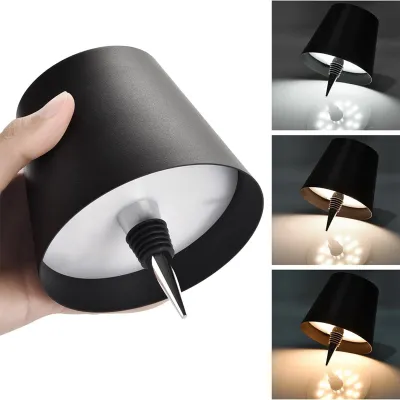
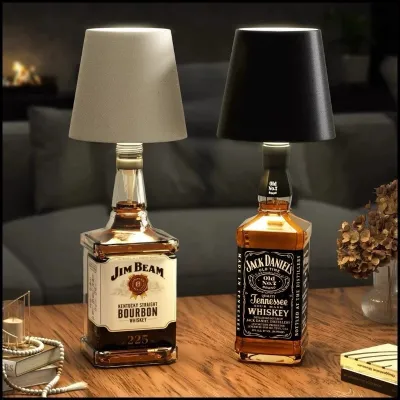
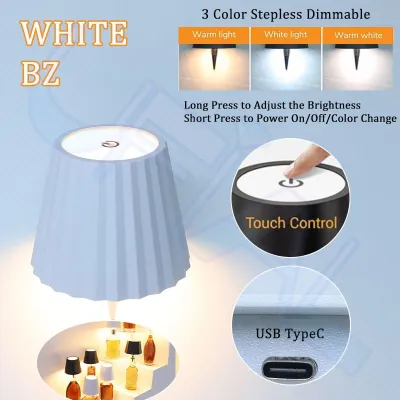
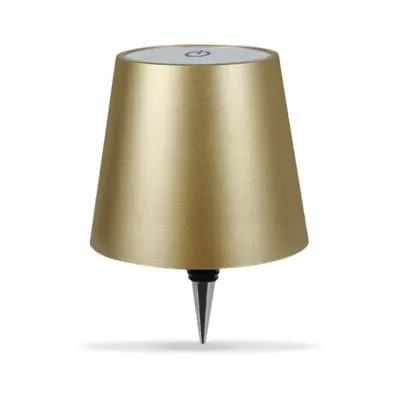
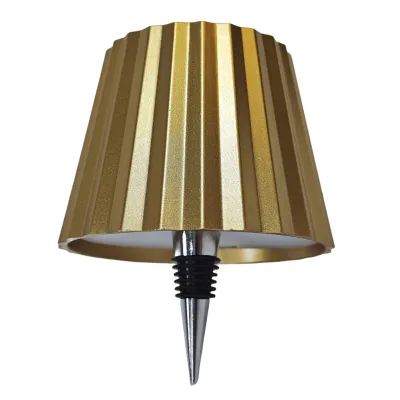
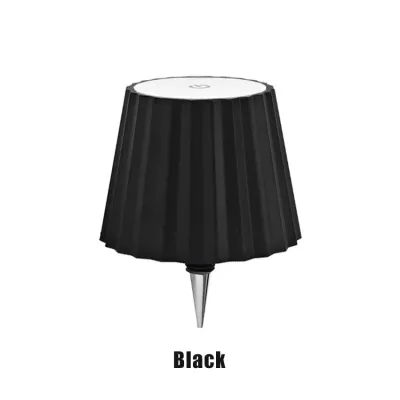
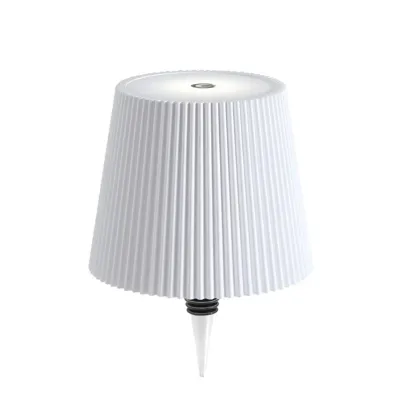
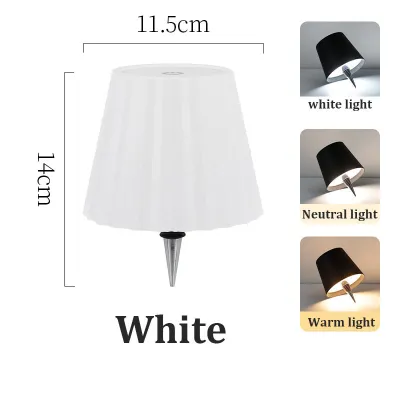
Prices are valid at publication and may change. Please refer to the product page for the latest price.
Color temperature also dictates the mood of your space. For bedrooms and living rooms, look for lamps labeled with warm white light, typically between 2700K and 3000K. Warm light mimics the gentle glow of candlelight, helping signal to your brain that it is time to wind down. Avoid cool white or daylight LEDs (5000K to 6500K) for these areas, as high blue-light content can disrupt your natural sleep cycle.
If you plan to use the bottle lamp on a bedside nightstand, prioritize models with dimmable features or adjustable brightness. Some modern designs feature touch-sensitive dimmers on the base or bottle neck. Additionally, look for built-in timers that automatically shut the lamp off after four or six hours, ensuring you do not waste electricity or battery power if you fall asleep.
Evaluating LED Wine Bottle Lamp Styles for Your Decor
Integrating an LED wine bottle lamp into your home requires a careful evaluation of its visual weight, materials, and overall design style. The lamp should complement your existing furniture, color palette, and hardware finishes rather than clashing with them. By analyzing the structural elements of different lamp styles, you can select a piece that feels like a natural extension of your bedroom or living room decor.

Rustic, Vintage, and Industrial Designs
Rustic and industrial wine bottle lamps are characterized by their rugged materials and nostalgic aesthetic. These designs often feature amber, brown, or deep green glass bottles that naturally soften the light. They are frequently paired with heavy bases made of distressed wood, cast iron pipes, or copper fittings. Visual cues to look for include exposed LED filaments that mimic classic Edison bulbs, burlap wraps, or twine accents around the neck of the bottle.
These lamps are exceptionally well-suited for living room console tables, deep bookshelves, or rustic bedroom nightstands. The warm, amber glow they emit complements natural wood grains, leather upholstery, and earthy color schemes. Because these fixtures often incorporate heavier metal or wood components, they carry significant visual weight and require a sturdy, flat surface to sit on.
When selecting an industrial style, pay close attention to base stability and cord management. A top-heavy bottle mounted on a narrow pipe can easily tip over if bumped. Ensure the base is wide and heavy enough to anchor the bottle securely. Furthermore, check how the power cord exits the fixture; it should be neatly routed through the bottom of the base rather than dangling loosely from the bottle’s neck, which can detract from the vintage look and create a snagging hazard.
Modern, Minimalist, and Geometric Styles
For contemporary, minimalist, or Scandinavian-inspired interiors, look for LED wine bottle lamps that emphasize clean lines and simple forms. These styles typically utilize clear, frosted, or subtly tinted blue and gray glass bottles. They feature sleek, unornamented hardware made of matte black metal, brushed brass, or polished chrome. Some modern designs incorporate geometric wire cages that frame the bottle, adding structural interest without adding visual bulk.
In a minimalist bedroom, a sleek bottle lamp can serve as an elegant, understated accent on a small bedside table. Because minimalist spaces rely on clutter-free surfaces, it is vital to assess the proportion of the lamp. A massive, elaborate fixture will quickly overwhelm a compact nightstand. Choose a slender bottle with a compact footprint to maintain a balanced, airy feel.
Power source integration is crucial for maintaining a clean, modern aesthetic. Look for models that feature hidden wiring or integrated rechargeable batteries that charge via a standard USB-C port. Avoid designs with bulky, external plastic battery packs that hang loosely from the neck of the bottle, as these immediately disrupt the clean lines of a minimalist space. If the lamp is a plug-in model, ensure the cord is thin and color-coordinated with your walls or furniture to keep it as unobtrusive as possible.
Cork, Fairy Light, and Whimsical Designs
Cork-style fairy light lamps are among the most popular and accessible options for quick, low-commitment accent lighting. These designs consist of a standard wine bottle filled with a string of micro-LED copper wire fairy lights. The lights are connected to a plastic or wooden cork that sits in the mouth of the bottle, housing the batteries and a small power switch. They are incredibly lightweight, highly portable, and available in a wide array of glass colors.
These whimsical lamps are best utilized on living room mantels, floating wall shelves, dining table centerpieces, or secondary decorative surfaces. Because they are battery-operated and cord-free, you can place them in areas without nearby electrical outlets. However, they are generally not recommended as primary bedside reading lights. The light emitted by micro-LED fairy lights is highly scattered and low in intensity, making it excellent for mood lighting but insufficient for reading or task-oriented activities.
Before purchasing a cork-style lamp, evaluate the accessibility of the battery compartment and the placement of the power switch. Some models require you to pull the cork completely out of the bottle to flip the switch, which can become tedious over time and risks damaging the delicate copper wires. Look for designs with the switch conveniently located on the top or side of the cork. Additionally, check the battery type; models that run on standard AAA batteries or feature USB-rechargeable corks are far more practical and cost-effective in the long run than those relying on tiny button-cell batteries.
Essential Specifications and Safety Checks Before Buying
When introducing any electrical fixture into your home, safety and compatibility must be your top priorities. This is especially true for decorative lighting like LED wine bottle lamps, which are often handmade, upcycled, or imported. Taking the time to verify technical specifications and inspect the build quality before making a purchase will protect your home from electrical hazards.
First, verify the voltage compatibility and plug type to ensure the lamp can operate safely. In the Philippines, the standard household electrical system operates at 220V at a frequency of 60Hz. If you are buying a plug-in lamp, check the power adapter or plug label to confirm it is rated for 220V (often listed as 100V-240V dual voltage). Using a 110V-only lamp without a proper step-down transformer can cause the fixture to overheat, short-circuit, or permanently fail. Additionally, ensure the plug matches standard local outlets, which typically accept Type A (two flat parallel pins) or Type B (two flat pins with a round grounding pin) plugs.
Next, look for visible safety certifications and compliance marks on the product packaging or the manufacturer’s label. In the local market, electrical products should ideally carry safety marks such as the Philippine Standard (PS) mark or the Import Commodity Clearance (ICC) sticker. For imported goods, look for recognized international certifications such as CE, RoHS, or UL. These marks indicate that the lamp’s electrical components, including the wiring, switch, and LED driver, have undergone rigorous testing to meet safety standards.
Inspect the physical construction of the lamp carefully. Check the length of the power cord; it should be long enough to reach your outlet comfortably without being stretched taut, which can strain the connections. Consider the placement of the power switch. An inline switch located on the cord is generally much easier to access than a switch positioned on the underside of a heavy bottle base. Furthermore, evaluate the heat dissipation design. While LEDs are highly efficient and generate significantly less heat than traditional incandescent bulbs, enclosing them inside a sealed glass bottle can still trap heat over extended periods. Ensure the design allows for some ventilation, or verify that the LEDs used are low-wattage models that remain cool to the touch.
Establish a strict stop condition when shopping: never purchase or use a lamp that exhibits signs of poor craftsmanship or damage. Avoid products with frayed cords, exposed copper wires, loose electrical sockets, or cracked glass. If the lamp is made from an upcycled bottle where a hole was drilled for the power cord, inspect the drilled edge closely. The hole must be fitted with a rubber or plastic grommet. A bare, drilled glass edge is incredibly sharp and will eventually cut through the wire’s protective insulation as the cord moves, creating a severe shock and fire hazard.
Placement Tips and Decor Integration
Once you have selected a safe and stylish LED wine bottle lamp, proper placement is key to maximizing its aesthetic appeal and maintaining a safe living environment. The way you position and integrate the lamp into your room can dramatically alter how the light is perceived and how functional the space remains.
Start by considering the height of the lamp in relation to your furniture. For living room displays, such as on a console table or a sideboard, the lamp should ideally sit at a height where the light source is roughly at eye level when you are seated. This ensures the decorative elements of the bottle are fully visible. For bedside tables, however, the lamp should be positioned slightly lower or shielded so that the direct glare of the LEDs does not shine directly into your eyes when you are lying down in bed.
Cord management is another vital aspect of placement, particularly in high-traffic areas. A loose, dangling cord is not only visually unappealing but also presents a serious tripping hazard. In the bedroom, a cord stretched across the path to the bathroom can lead to accidents in the dark. In the living room, a tripped cord can pull a heavy glass bottle lamp off a table, causing it to shatter. Use adhesive cable clips or hook-and-loop straps to secure the power cord neatly along the back leg of your table or nightstand, keeping it completely out of sight and out of the way.
Be mindful of reflections and glare when positioning your lamp. Because wine bottle lamps are made of glass, they can create intense, concentrated reflections if placed directly in front of mirrors, glossy painted walls, or inside glass-fronted display cabinets. While this can sometimes be used intentionally to create a multiplied, sparkling light effect, it can also result in distracting glare. Test the lamp in different positions during the evening to find an angle that provides a soft, diffused glow without harsh reflections.
Finally, protect your lamp from environmental factors to ensure its longevity. In tropical climates, keep the lamp away from direct sunlight, such as on a windowsill that receives intense afternoon sun. Prolonged exposure to solar heat can degrade the adhesives used in the lamp’s construction, cause colored glass coatings to fade or peel, and overheat internal lithium-ion batteries if the model is rechargeable. Additionally, keep the lamp away from high-humidity zones, such as open-air bathrooms or damp kitchen corners, unless the product specifications explicitly state that it is rated for damp environments.
Frequently Asked Questions (FAQ)
Can I replace the LED bulb inside a wine bottle lamp?
Whether you can replace the light source depends entirely on the lamp’s design. Many commercial wine bottle lamps feature integrated LEDs, such as micro-fairy lights or fixed LED chips, which are permanently sealed inside the bottle. If these LEDs fail, the light source cannot be replaced, and you will need to replace either the entire fixture or the cork assembly. However, some industrial or rustic-style bottle lamps are designed with standard screw-type sockets (such as E14, E26, or E27 bases) where the bottle acts as an external shade. In these models, you can easily replace the bulb by unscrewing it. Always check the manufacturer’s product specifications to determine if the light source is replaceable. Never attempt to disassemble a sealed glass bottle or pull forcefully on glued wires, as this can shatter the glass and cause injury.
Are battery-operated wine bottle lamps safe to leave on overnight?
While low-voltage LED fairy lights generate very little heat, leaving any battery-operated device running unattended overnight carries minor risks and is generally not recommended. In warm, humid tropical environments, prolonged battery discharge can lead to overheating or battery leakage. When batteries leak, they release corrosive chemicals that can ruin the lamp’s electrical contacts and damage your furniture. To ensure safety and prolong the lifespan of your lamp, it is best to turn it off before going to sleep. If you prefer having a light on overnight, look for models equipped with built-in auto-off timers (such as a 6-hour timer) or use a plug-in model that has been certified by local safety standards.

Community discussion
Share your experience or ask a question. Comments are reviewed before publication.