
Integrating a money tree figurine into your garden is an excellent way to combine aesthetic elegance with symbolic meaning. In the Philippines, where outdoor living spaces like verandas, pocket gardens, and lush patios serve as natural extensions of the home, choosing the right garden ornament requires careful thought. These decorative pieces, often inspired by traditional symbols of prosperity and natural growth, can transform an ordinary green space into a serene sanctuary. However, finding a figurine that can withstand the unique challenges of a tropical climate while perfectly complementing your landscape design involves more than simply picking the most attractive option online.
To make a successful purchase, you must evaluate how the figurine will interact with your garden’s existing layout, the durability of its materials under intense sun and heavy rain, and the practical steps required to secure it against strong winds. By focusing on these key factors, you can select a money tree figurine that not only enhances your outdoor decor but also remains a durable and beautiful fixture for years to come. This guide provides a comprehensive framework to help you navigate the selection process, from defining your style to verifying online product listings.
Defining Your Garden Style and Figurine Purpose
Before browsing online marketplaces, it is essential to define the specific role your money tree figurine will play in your garden. A well-placed ornament should feel like an intentional part of the landscape rather than an afterthought. Consider whether you want the figurine to serve as a major focal point that immediately draws the eye, a subtle accent along a winding pathway, or a peaceful companion nestled near a water feature. A large, detailed figurine works beautifully when positioned at the end of a sightline, such as next to a garden bench or at the center of a circular flower bed, where it anchors the entire space. Smaller figurines, on the other hand, are perfect for adding a touch of surprise when tucked among potted ferns, leafy hostas, or ornamental grasses.
Products mentioned in this guide
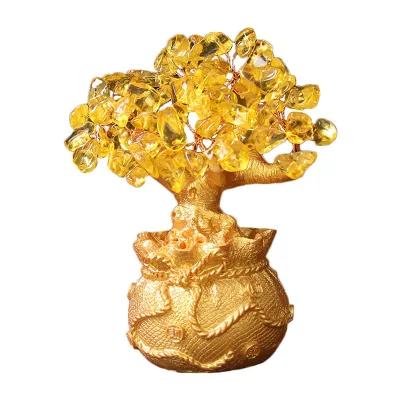
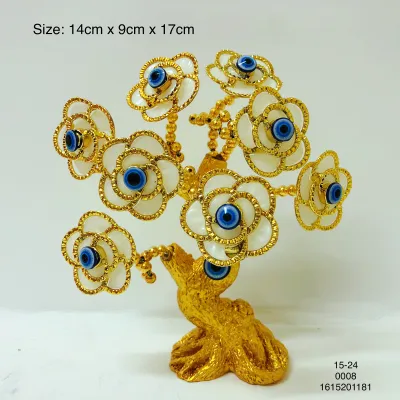
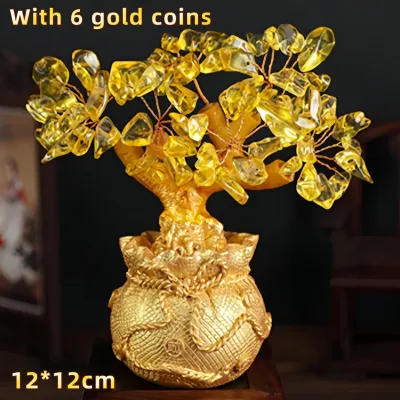
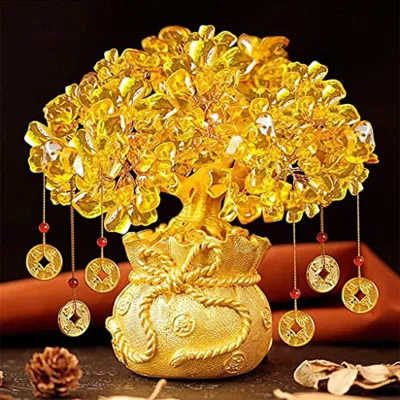
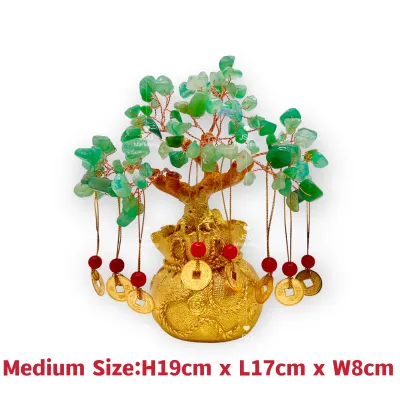
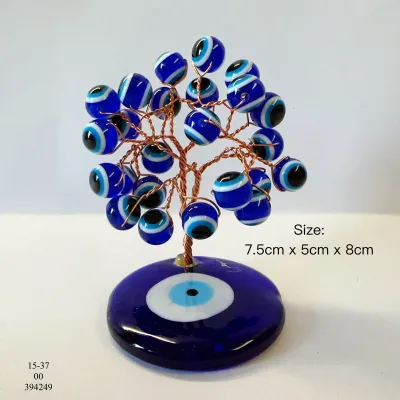
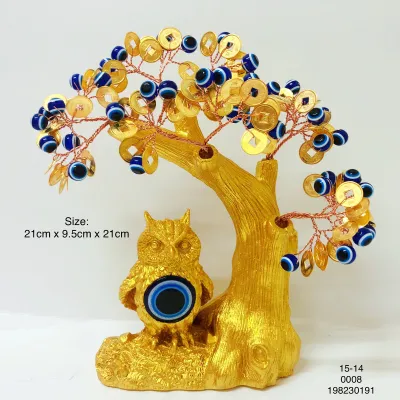
Prices are valid at publication and may change. Please refer to the product page for the latest price.
Matching the design style of the figurine to your existing garden theme is equally important for creating a cohesive look. If your home features a lush, tropical garden filled with vibrant bougainvillea, pocket palms, and broad-leafed monsteras, a rustic stone-look or weathered bronze money tree figurine will blend naturally with the organic textures. For modern homes with minimalist, clean-lined outdoor spaces, a sleek, monochromatic resin or glazed ceramic figurine offers a sophisticated, contemporary contrast. If you prefer a traditional or zen-inspired garden, look for classic designs that emphasize flowing, organic shapes and symbolic motifs, which harmonize beautifully with gravel paths, bamboo screens, and quiet water elements.
The tropical climate of the Philippines must also shape your design priorities from the very beginning. High humidity, intense UV exposure, and seasonal heavy rain mean that delicate, highly intricate designs with deep, narrow crevices may trap moisture and organic debris, leading to rapid mold or algae growth. Opting for slightly simpler silhouettes or materials that are easy to wipe down can save you significant maintenance effort later on. By aligning your aesthetic preferences with the practical realities of outdoor placement, you can narrow down your choices to figurines that are both visually stunning and highly functional in a tropical setting.
Checking Material Durability and Weather Resistance
The longevity of your outdoor money tree figurine depends almost entirely on the material from which it is crafted. Unlike indoor decor, garden ornaments must endure constant exposure to the elements, making material selection a critical decision.

Polyresin and fiberglass-reinforced resin are among the most popular materials for modern garden figurines. Resin is highly versatile, allowing manufacturers to create intricate details and mimic the appearance of natural stone, carved wood, or aged metal. It is also relatively lightweight, which makes shipping affordable and rearrangement easy. However, because resin is light, these figurines can be vulnerable to tipping in strong winds unless they are properly anchored or weighted.
Ceramic figurines offer a classic, polished look with vibrant, glossy glazes that resist fading. However, ceramic is inherently fragile and can easily chip or crack if knocked over by pets, garden tools, or high winds. If you choose ceramic, ensure it is fully glazed, as unglazed or porous ceramic can absorb moisture during the rainy season, which may weaken the structure over time.
Natural stone and cast concrete are the gold standards for outdoor durability. These materials are incredibly heavy, making them virtually windproof and highly resistant to physical damage. While they develop a beautiful, weathered patina over time that enhances their natural look, they are difficult to move and can be expensive to ship due to their weight.
Metal figurines, such as those made of cast iron, bronze, or aluminum, provide a timeless and elegant aesthetic. However, in the humid Philippine climate, ferrous metals like iron are highly susceptible to rust unless they are treated with a specialized rust-resistant coating. Aluminum and bronze are excellent alternatives, as they do not rust and instead develop a protective, attractive patina over time.
When evaluating product listings, always check the specifications for explicit mentions of UV resistance, waterproofing, and heat tolerance. UV stabilizers are crucial for preventing colors from fading and materials from becoming brittle under the intense tropical sun. Be cautious of listings that use vague terms like “weather-resistant” without specifying the material composition, or those that include warnings such as “keep under a covered patio.” If the outdoor suitability of a figurine is unclear, do not hesitate to contact the seller directly to ask about the specific materials and finishes used before making your purchase.
Matching Size and Placement to Your Garden Layout
Achieving the perfect visual balance in your garden requires careful consideration of the figurine’s dimensions and how it fits into your overall layout. A figurine that is too small will easily be swallowed up by surrounding foliage, while one that is too large can overwhelm a compact patio or balcony.
To determine the ideal size, measure the height and width of the area where you plan to place the figurine. Compare these measurements to the heights of the surrounding plants, pots, and hardscaping elements. If you are placing the figurine in a ground-level flower bed, it should be tall enough to remain visible even as your plants grow throughout the wet season. For smaller spaces, such as a pocket garden or a townhouse veranda, a compact figurine measuring between 20 and 40 centimeters in height is often ideal, as it adds character without crowding the limited floor space.
Plan your placement zones carefully to maximize visibility and protect the figurine from accidental damage. Elevating your money tree figurine on a flat garden stone, a concrete paver, or a decorative pedestal is an excellent strategy. This keeps the base of the ornament out of wet, muddy soil, reducing the risk of water staining and making it easier to see from a distance. If you are placing the figurine near a pathway, ensure it is set back far enough to avoid being bumped by passersby or garden hoses.
Consider the sightlines from the areas where you spend the most time, such as your living room window, patio chairs, or garden entrance. Positioning the figurine so that it is clearly visible from these vantage points ensures you can enjoy its beauty daily, regardless of whether you are sitting outdoors or looking out from inside your home.
Finally, prioritize base stability to prevent the figurine from tipping over during the Philippines’ frequent windy days and tropical storms. Ensure the ground beneath the figurine is perfectly level and compacted. For lightweight resin or hollow plastic figurines, you can increase stability by filling the hollow cavity with dry sand or gravel, or by securing the base to a heavy concrete paver using an outdoor-grade construction adhesive.
Evaluating Online Listings and Verifying Seller Claims
Shopping for garden decor on e-commerce platforms requires a discerning eye to ensure you receive a high-quality, durable product that matches the online description. Because you cannot physically inspect the figurine before purchasing, you must rely on strategic search techniques and careful analysis of seller listings.
Begin by using precise search terms to filter out delicate indoor figurines. Instead of searching for a generic “money tree figurine,” use targeted keywords such as “outdoor resin money tree,” “weatherproof garden ornament,” or “heavy stone garden statue.” This helps narrow down the results to items specifically designed to withstand outdoor conditions.
Customer reviews are one of the most reliable sources of information when shopping online. Look for reviews that include real-life photos or videos of the figurine in a garden setting, as these provide a more accurate representation of the product’s actual size, color, and texture than polished promotional images. Pay close attention to feedback regarding how well the figurine has held up over time, looking for any mentions of color fading, paint peeling, or cracking after exposure to rain and sun.
Before making a decision, thoroughly evaluate the seller’s profile. Check their overall rating, the length of time they have been operating on the platform, and customer feedback regarding their packaging quality. Fragile items like ceramics or detailed resin figurines require robust packaging, including multiple layers of bubble wrap and sturdy cardboard boxes, to survive the shipping process. Review the seller’s return and refund policies so you know your options if the item arrives damaged.
Lastly, keep an eye on the total cost, including shipping fees. Heavy materials like stone, concrete, or cast iron can incur substantial shipping surcharges, particularly if they are being delivered to provincial areas outside of major metropolitan hubs. Factor these additional costs, which can range from ₱100 to over ₱500 depending on the weight, into your overall budget to ensure you are getting a fair deal on your new garden ornament.
Frequently Asked Questions (FAQ)
How do I clean and maintain an outdoor money tree figurine?
Keeping your outdoor money tree figurine clean is essential for preserving its appearance and preventing the buildup of dirt, mold, or algae. Start by using a soft-bristled brush or a dry microfiber cloth to gently sweep away loose dirt, dust, and cobwebs from the intricate details of the figurine. For a deeper clean, mix a few drops of mild, biodegradable dish soap with warm water and gently wash the surface using a soft sponge or cloth. Avoid using harsh chemical cleaners, bleach, or abrasive scrubbing pads, as these can strip away protective paint, glazes, or UV-resistant coatings. Always check the manufacturer’s care instructions before applying any aftermarket sealants or protective sprays. During the typhoon season or periods of extreme weather, it is highly recommended to temporarily move lightweight or delicate figurines to a sheltered indoor area to protect them from flying debris and heavy downpours.
Can I paint or customize a money tree figurine for outdoor use?
Yes, customizing a money tree figurine is a wonderful way to personalize your garden decor, but you must use the correct materials to ensure the finish lasts. Always select high-quality, outdoor-grade acrylic paints and primers that are specifically formulated for the material of your figurine, whether it is resin, metal, or stone. Applying a primer first is crucial, as it helps the paint adhere properly and provides an extra layer of protection against moisture. Be aware that painting or modifying your figurine may void any manufacturer warranties and can sometimes affect the material’s natural breathability. To avoid ruining the ornament, always test your primer, paint, and clear topcoat on a small, hidden area on the bottom of the figurine first to ensure they dry properly and do not cause the existing finish to bubble or peel.
What should I do if my figurine arrives damaged from an online order?
If your figurine arrives damaged, taking immediate and documented action is crucial for securing a quick refund or replacement from the e-commerce platform. Before you even open the package, take clear photos of the shipping box if it shows any signs of dents, tears, or rough handling. Record a continuous, unedited unboxing video from the moment you start cutting the tape, making sure the shipping label is clearly visible, and continue filming until you inspect the damaged areas of the figurine. Contact the seller and the platform’s customer support immediately within the official return window, which is typically only a few days after delivery. Keep all original packaging materials, including the box, bubble wrap, and foam inserts, as you will likely need to repackage and ship the damaged item back to complete the return process.

Community discussion
Share your experience or ask a question. Comments are reviewed before publication.