
Choosing the best NSS solar light outdoor setup requires matching the fixture’s specific technical parameters—such as lumen output, beam angle, and mounting style—to the unique demands of your target area. For pathways, safety and glare reduction are paramount, requiring low-profile, downward-directed fixtures. Gardens require subtle accenting, adjustable panels to overcome shade, and customizable color temperatures. Perimeters demand high-intensity, wide-angle illumination with integrated motion sensors to deter intruders and secure boundaries. By evaluating these distinct spatial requirements against product specifications, you can select the ideal fixture to ensure reliable, year-round performance.
Why Different Outdoor Zones Require Different Solar Lights
Installing a single, uniform solar light model across your entire property often compromises both functional safety and visual appeal. A high-lumen floodlight installed along a garden path creates harsh, blinding glare that ruins the night vision of walkers, while a low-wattage decorative stake light placed on a perimeter wall fails to provide the visibility needed for security. Each zone serves a distinct purpose: pathways require directional guidance, gardens need aesthetic highlighting, and perimeters demand broad security coverage.
To achieve optimal performance, you must align the physical characteristics of the light with the specific zone. The beam angle determines how widely the light spreads; a narrow beam acts as a spotlight, while a wide beam floods a large area. Fixture height also plays a critical role, as taller mountings distribute light over a broader footprint but reduce the intensity at ground level.
Products mentioned in this guide
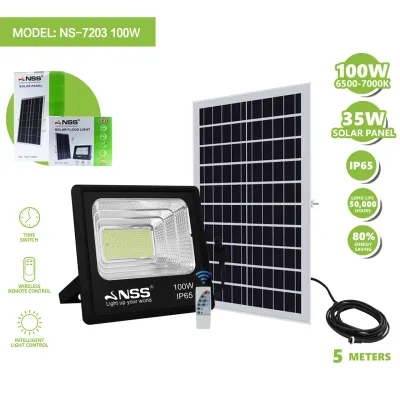
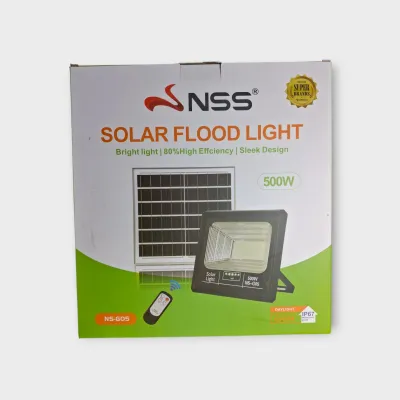
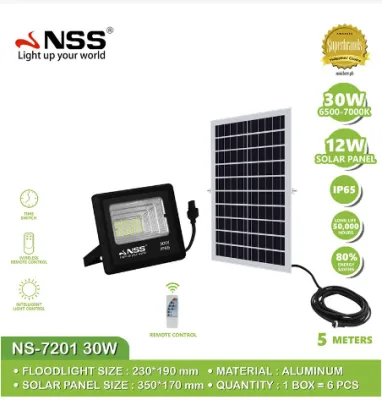
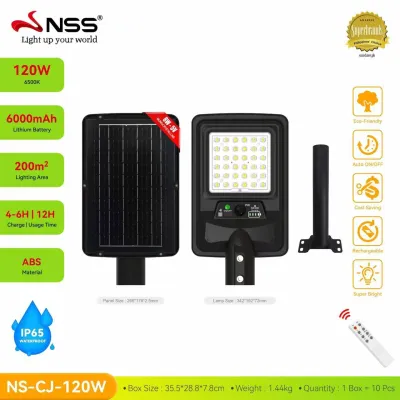
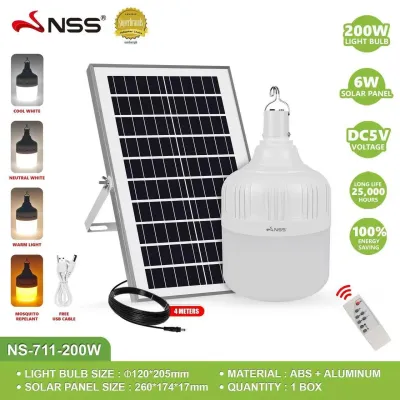
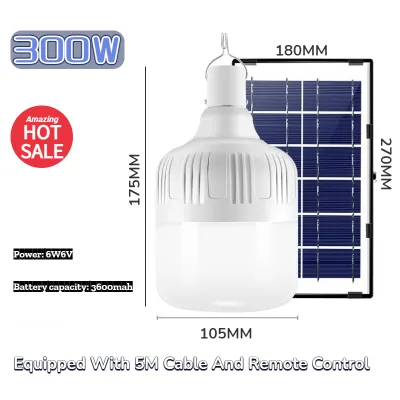
Prices are valid at publication and may change. Please refer to the product page for the latest price.
Rather than relying on a single universal model, homeowners should evaluate NSS product labels for zone-specific features. Look closely at the rated lumen output, beam spread, and mounting configurations listed on the packaging. Matching these technical specifications to the physical layout of your outdoor space ensures efficient energy use and prevents light pollution in areas where softer illumination is preferred.
Pathway Lighting: Prioritizing Safety and Glare-Free Navigation
Pathway lighting must provide clear visibility of the ground to prevent trips and falls without casting light directly into the eyes of walkers. To achieve this, prioritize downward-facing or shielded light designs. These fixtures direct their output toward the ground, protecting your night vision and creating a clearly defined walking path.

Before purchasing, check the product specifications for the recommended fixture height and beam spread. A fixture that sits too low may only illuminate a tiny circle of ground, while one that is too tall might cause glare. For standard walkways, look for low-profile path lights or stake-mounted fixtures that distribute light evenly across the width of the path without dark spots.
Spacing your pathway lights correctly is essential for maintaining continuous illumination. Review the manufacturer’s recommendations and the specific lumen output listed on the packaging. As a general guideline, lower-lumen fixtures (around 50 to 100 lumens) should be spaced closer together—typically 1 to 1.5 meters apart—while higher-output models can be spaced further apart to prevent overlapping hot spots.
Because pathway lights are installed close to the ground, they are highly vulnerable to physical impact. Select sturdy, stake-mounted or low-profile NSS models constructed from impact-resistant ABS plastic or rust-resistant metals. These materials help the fixtures withstand accidental kicks, stray garden hoses, and landscaping equipment during routine yard maintenance.
Garden Lighting: Creating Ambiance and Highlighting Landscaping
Garden lighting is primarily decorative, designed to enhance the natural beauty of your landscaping, highlight architectural features, and create a welcoming atmosphere. The color temperature of the light plays a major role in setting this mood. Verify the Kelvin (K) rating on the product label before buying:
- Warm White (2700K–3000K): Best for creating a cozy, relaxing ambiance that highlights the natural organic tones of wood, stone, and red-toned tropical flowers.
- Cool White (5000K–6500K): Ideal for a modern, crisp aesthetic that emphasizes green foliage, concrete structures, and contemporary water features.
To draw attention to specific garden elements like mature trees, statues, or rock formations, use adjustable spotlights or well lights. These fixtures allow you to direct a concentrated beam of light upward or at an angle. When selecting these models, verify that the mounting brackets and hinge joints are made of durable, corrosion-resistant materials that can hold their position over time.
Lush gardens often present a major challenge for solar lights: shade from overhanging trees and thick foliage. To overcome this, look for NSS models that feature a split design, where the solar panel is separate from the light fixture and connected by an extended, weather-resistant cable. This setup allows you to mount the solar panel on a sunny wall, fence, or pole while placing the light fixture deep within the shaded garden bed.
Perimeter Lighting: Maximizing Security and Wide Coverage
Perimeter lighting serves as your property’s primary line of defense, requiring high lumen output and wide beam angles to eliminate dark corners along walls, fences, and driveways. Look for fixtures that offer at least 1,000 lumens and a beam angle of 120 degrees or wider to ensure maximum coverage across large boundary areas.
Integrated motion sensors are highly valuable for perimeter zones, conserving battery power while acting as a deterrent to intruders. Check the manufacturer’s specification sheet to verify the sensor’s detection range and angle. High-quality sensors typically detect movement up to 8 meters away within a 120-degree arc, automatically switching the light from a dim energy-saving mode to full brightness when activity is detected.
Because perimeter lights are fully exposed to the elements, durability is non-negotiable. Always verify the Ingress Protection (IP) rating on the packaging to ensure the fixture can withstand the heavy rain, dust, and high humidity common in the Philippines. An IP65 or IP66 rating is highly recommended, indicating that the housing is completely dust-tight and protected against powerful water jets from tropical storms.
Installing perimeter lights often involves wall-mounting or high-pole placement. Before starting, verify the weight limits of your mounting surface and ensure all included brackets, anchors, and expansion bolts are suitable for your wall material. For safety, always isolate the power supply if connecting to any backup electrical lines. If you are mounting heavy fixtures at significant heights or working with fixed wiring, consult a qualified professional to ensure a secure and code-compliant installation.
Key Specifications to Check Before Buying NSS Solar Lights
To ensure you are getting a reliable product that fits your budget—whether you are looking at entry-level models under ₱500 or heavy-duty security systems ranging from ₱1,500 to ₱3,000—you must know how to read the technical specifications on the box. Focus on these critical metrics rather than generic marketing claims:
- Battery Type: Check whether the unit uses Lithium Iron Phosphate (LiFePO4), Lithium-ion (Li-ion), or Nickel-Metal Hydride (NiMH) batteries. LiFePO4 batteries are highly recommended for hot tropical climates due to their superior thermal stability, safety profile, and longer lifespan, often lasting over 2,000 charge cycles.
- Solar Panel Efficiency: Look for the panel type listed in the specifications. Monocrystalline panels offer higher efficiency (typically 15% to 20%) and perform better in low-light or overcast conditions compared to polycrystalline panels, making them ideal for maintaining a charge during the rainy season.
- Charging and Run Times: Verify the manufacturer's stated charging time under direct sunlight (usually 6 to 8 hours) and the expected runtime on a full charge (ideally 8 to 12 hours). Keep in mind that real-world performance will vary based on seasonal cloud cover and local shading.
Maintenance Tips for Solar Lights in Tropical Climates
To prolong the lifespan of your solar lights in humid, rainy, and dusty environments, follow a regular, low-risk maintenance routine. These simple steps will keep your fixtures operating at peak efficiency:
- Clean the Solar Panels: Regularly wipe the solar panel with a soft, damp microfiber cloth to remove dust, pollen, bird droppings, and salt residue. Avoid using abrasive scrubbing pads or harsh chemical cleaners, as these can scratch or degrade the protective tempered glass or plastic coating.
- Inspect the Seals: Periodically check the rubber gaskets and housing seals for signs of wear, cracking, or moisture ingress, especially after major typhoons or prolonged monsoon seasons. If you notice internal condensation, turn off the unit, allow it to dry completely in a shaded area, and check if the seal needs adjustment.
- Follow Battery Guidelines: When the battery eventually reaches the end of its lifespan, consult the manufacturer's manual for the safe, approved replacement procedure. Always turn off the fixture's power switch before opening the casing or performing any battery checks, and never mix battery chemistries.
Frequently Asked Questions (FAQ)
Can I use a single NSS solar light model for pathways, gardens, and perimeters?
While some versatile models exist, using a single type of light for all three zones usually results in compromised performance. A light bright enough for perimeter security will cause blinding glare on a garden path, while a soft garden light will fail to secure your boundaries. Selecting purpose-built models for each specific zone ensures the best balance of safety, visual appeal, and security.
What should I do if my garden lacks direct sunlight for the solar panel?
If your garden beds are heavily shaded by trees or building structures, look for NSS solar lights that feature a split design with a detachable solar panel. This design allows you to mount the solar panel on a nearby sunny roof, fence, or pole where it receives unobstructed sunlight, while routing the connecting cable down to the light fixture placed in the shade.

Community discussion
Share your experience or ask a question. Comments are reviewed before publication.