
Selecting the right solar lighting for your outdoor space in the Philippines requires balancing functional needs with environmental realities. While solar lights offer an energy-efficient, wire-free way to illuminate your property, their performance depends heavily on matching the specific model’s technical specifications to your yard’s layout and local weather patterns. To find the most suitable Ookas solar light models for your garden, you must evaluate key factors such as brightness levels, battery capacities, panel types, and weatherproofing. This guide provides a practical framework to help you analyze product specifications, optimize placement for maximum sunlight exposure, and maintain your fixtures for long-term durability.
Identify Your Garden and Yard Lighting Needs
Before browsing through different product listings on an online marketplace, define the primary purpose of each light fixture in your yard. Outdoor lighting generally falls into three functional categories: pathway navigation, security illumination, and decorative accenting. Each category demands different physical designs, brightness levels, and mounting configurations.
Pathway and walkway illumination focuses on safe nighttime navigation and defining the boundaries of your garden. For these areas, you require low-to-medium brightness fixtures that cast light downward to prevent glare while clearly marking steps, borders, and obstacles. Ground-stake lawn lights or low-profile path lights are ideal for this purpose. They should be spaced evenly along walkways to create a continuous path of light without leaving dark, hazardous gaps.
Products mentioned in this guide
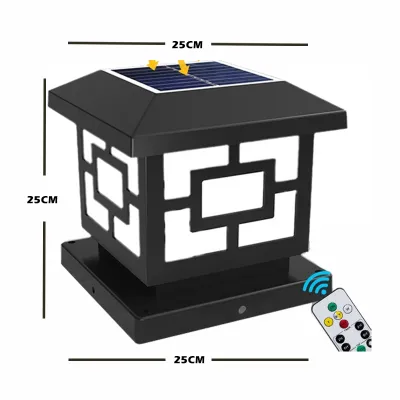
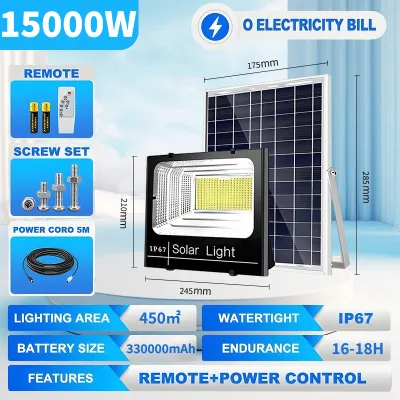
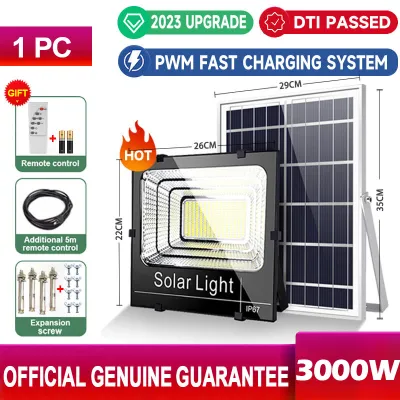
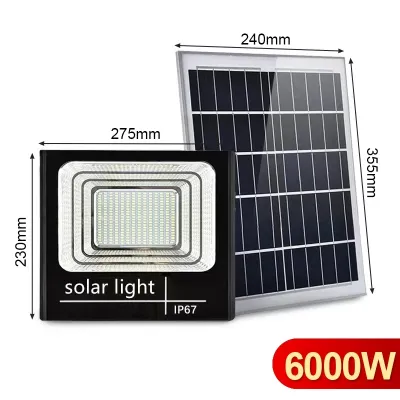
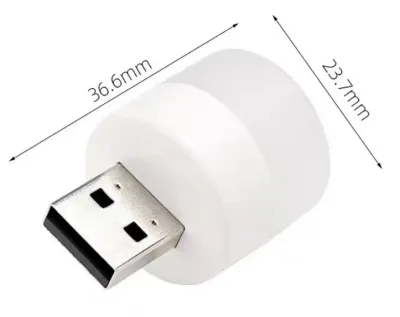
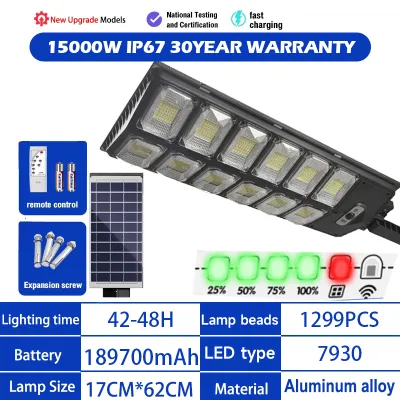
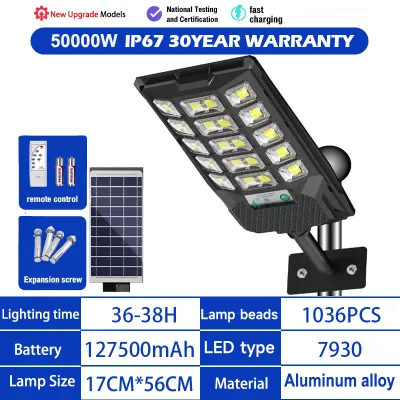
Prices are valid at publication and may change. Please refer to the product page for the latest price.
Security and flood lighting requires high-intensity illumination to cover large areas such as driveways, main gates, backyards, and dark corners. These fixtures often feature integrated motion sensors that trigger full brightness when movement is detected, conserving battery power during quiet hours. When evaluating security models, look for wide-angle lenses and adjustable mounting brackets that allow you to direct the light beam precisely where visibility is needed most.
Decorative and accent lighting is designed to enhance the visual appeal of your garden beds, patios, trees, or architectural features. Rather than providing high-intensity illumination, these lights create ambiance and highlight specific textures or shapes. Spotlights, hanging lanterns, and string lights are popular choices for decorative applications. Because aesthetic appeal is highly subjective, you can choose between warm and cool light outputs to match your personal design preferences and the existing atmosphere of your outdoor living space.
Essential Specifications to Compare Across Models
To ensure your chosen solar lights perform reliably, you must learn to read and compare the technical specifications listed on product labels or official store pages. Relying solely on product photos can lead to mismatched expectations regarding brightness and runtime.

Brightness output is measured in lumens rather than watts. Watts indicate power consumption, whereas lumens measure the actual amount of visible light emitted by the fixture. For subtle decorative accents, fixtures emitting 10 to 50 lumens are usually sufficient. Pathway lights typically require 50 to 200 lumens to guide footsteps safely. For security and flood lighting, look for models that deliver 500 to several thousand lumens to ensure broad, high-visibility coverage. Additionally, consider the color temperature: warm white (around 3000K) offers a soft, inviting glow suitable for relaxation areas, while cool white (5000K to 6500K) provides crisp, high-contrast light that is better suited for security and task-oriented areas.
When comparing different models, always verify the electrical specifications, including the system voltage, base or interface types, wattage limits, and physical dimensions. Ensure the product carries recognized electrical certifications to guarantee safety and compliance. Additionally, check the dimming method—whether the light uses a step-dimming remote, an automatic ambient sensor, or a continuous dimming dial—to ensure it matches your installation environment.
Battery chemistry and capacity determine how long the light can operate after the sun goes down. Modern solar fixtures generally utilize Lithium-ion (Li-ion) or Lithium Iron Phosphate (LiFePO4) batteries, which offer superior energy density, faster charging, and longer lifespans compared to older Nickel-Metal Hydride (NiMH) cells. Check the battery capacity, measured in milliampere-hours (mAh) or watt-hours (Wh), on the product specification sheet. A higher capacity battery can store more solar energy, allowing the light to remain illuminated throughout the night, even during consecutive overcast days.
The solar panel type directly influences charging efficiency, especially in tropical environments with variable cloud cover. Monocrystalline solar panels are highly efficient and perform relatively well in low-light or partially shaded conditions, making them excellent for year-round use. Polycrystalline panels are slightly less efficient but offer a cost-effective alternative for areas that receive consistent, unobstructed sunlight. Ensure the panel’s physical size and wattage rating are sufficient to charge the internal battery fully within a standard daylight window.
Ingress Protection (IP) ratings are critical for verifying that a fixture can withstand outdoor exposure. The IP rating consists of two digits: the first indicates protection against solid objects like dust, and the second indicates protection against liquids. For garden and yard installations, look for a minimum rating of IP65, which certifies that the light is dust-tight and protected against water jets from any direction. For areas prone to temporary flooding or intense tropical downpours, choosing fixtures with IP67 or IP68 ratings provides an extra layer of protection against water submersion.
Optimizing for the Local Climate and Yard Layout
Operating solar lights in the Philippines presents unique environmental challenges, including high humidity, intense seasonal rainfall, and prolonged periods of cloud cover during the monsoon season. Proper planning and strategic placement are essential to maximize the performance of your fixtures.
Managing runtime expectations during the rainy season is a key part of owning solar lights. During heavy rains or overcast weeks, solar panels receive significantly less solar radiation, which limits the energy stored in the battery. As a result, the lights may turn off earlier in the night or appear dimmer than usual. To mitigate this, select models that feature adjustable power modes, such as dimming options or motion-activated settings, which conserve battery power by only operating at full brightness when necessary.
Evaluating your yard’s layout is crucial to ensure the solar panels receive adequate sunlight. Observe your garden at different times of the day to identify potential shading from mango trees, large shrubs, roof overhangs, firewalls, or neighboring structures. Even partial shading on a small portion of a solar panel can drastically reduce its charging efficiency. Position the panels where they will receive at least six to eight hours of direct, unobstructed sunlight daily, preferably facing south or west to capture the strongest afternoon sun.
Choosing the appropriate mounting style depends on your garden’s soil conditions, wall materials, and wind exposure. Ground stakes are convenient for soft garden soil and lawn borders, but they must be pushed deep enough to resist shifting during heavy rains when the ground becomes saturated. For concrete walls, fences, or brick pillars, wall-mounted fixtures offer excellent stability, though they require proper drilling and anchors. If you live in an area prone to strong winds or typhoons, ensure all mounted fixtures are securely fastened, and consider temporarily removing lightweight decorative hanging lights to prevent damage.
Setup, Care, and Safety Guidelines
Proper installation and routine maintenance are vital to extending the lifespan of your solar lights and ensuring they operate safely. While solar lights are generally low-voltage and safe for DIY installation, following basic guidelines prevents premature failure.
Before using your new solar lights for the first time, perform an initial charge. Turn the power switch to the “off” position and place the fixtures in direct sunlight for 24 to 48 hours. This allows the rechargeable battery to reach its full capacity before experiencing its first discharge cycle, which helps preserve long-term battery health. Once fully charged, switch the light to the “on” or “auto” position to activate the light sensor.
Routine cleaning of the solar panel surface is necessary to maintain charging efficiency. Over time, dust, pollen, bird droppings, and salt residue (especially in coastal regions) can accumulate on the glass cover, blocking sunlight from reaching the solar cells. Wipe the panels gently with a soft, damp microfiber cloth and mild soapy water at least once a month. Avoid using abrasive scrubbers, harsh chemical cleaners, or high-pressure water sprays, as these can scratch or crack the protective surface, leading to water ingress.
When the rechargeable batteries eventually lose their ability to hold a charge—typically after one to three years of daily use—they must be replaced safely. Consult the manufacturer’s instruction manual to verify if the battery is user-replaceable and to identify the exact replacement specifications, such as voltage, chemistry, and physical size. Always turn off the fixture before opening the battery compartment, handle the cells carefully to avoid short circuits, and dispose of the old batteries responsibly at an authorized e-waste collection center.
For installations involving fixed wiring, damp areas, work at height, or suspended loads—such as mounting heavy floodlights on high walls or eaves—always prioritize safety. Ensure complete power isolation before handling any electrical connections, strictly follow the manufacturer’s installation instructions, and do not hesitate to hire a qualified professional to handle structural mounting or high-altitude work. Recognize the boundaries of DIY troubleshooting; if a light fails to turn on after cleaning the panel and replacing the battery, the issue may stem from internal wiring corrosion or water damage to the circuit board, requiring professional repair or replacement.
Frequently Asked Questions (FAQ)
Do solar garden lights work effectively during the rainy season?
Yes, solar garden lights continue to work during the rainy season, but their performance and runtime will be reduced. Cloud cover filters out a significant portion of sunlight, which slows down the charging process and prevents the battery from reaching full capacity. To maintain acceptable performance during wet seasons, choose models equipped with highly efficient monocrystalline solar panels and larger battery capacities, or utilize energy-saving modes that dim the light or rely on motion sensors to conserve power.
Can I replace the built-in battery in my solar light?
Whether you can replace the battery depends on the specific design of your solar light model. Many outdoor solar fixtures feature accessible battery compartments that allow users to swap out old rechargeable cells easily. However, some compact or fully sealed waterproof models have integrated batteries that are not designed for user replacement. Always check the manufacturer’s manual to confirm battery accessibility, use only compatible replacement cells of the same voltage and chemistry, and follow proper safety precautions to avoid damaging the waterproof seals.
How long do outdoor solar lights typically last?
The overall lifespan of an outdoor solar light depends on its individual components. The LED light sources are highly durable and can last for 50,000 hours or more of operation. The solar panels typically remain functional for several years with regular cleaning. However, the rechargeable batteries have a limited number of charge-discharge cycles and generally need replacement every one to three years. Regular maintenance, such as cleaning the panels and keeping the fixtures clear of standing water, will help maximize the lifespan of the entire unit.

Community discussion
Share your experience or ask a question. Comments are reviewed before publication.