
Illuminating a garden requires a thoughtful balance between functional safety and aesthetic artistry. To achieve this, a successful landscape design pairs low-glare path lights—such as bollards or stake fixtures—with directional accent lights like spotlights and well lights. Path lights define boundaries and guide footsteps safely along walkways, while directional fixtures draw the eye to architectural elements, mature trees, and water features. By selecting the right combination of these outdoor light types, you can transform a dark yard into an inviting, multi-dimensional outdoor living space after sunset.
Choosing the ideal fixtures involves evaluating how light interacts with different surfaces, plants, and pathways. Walkways demand soft, downward-directed illumination that prevents tripping without causing blinding glare. Meanwhile, focal points like large palms, stone walls, or water features benefit from dramatic uplighting or grazing techniques that highlight texture and form. Balancing these elements ensures your garden remains both safe to navigate and visually captivating throughout the night.
Matching Light Types to Garden Pathways
Path lights serve as the foundational guideposts of your outdoor lighting scheme, illuminating walkways, steps, and borders. These fixtures feature a top cap or shroud that directs light downward, casting a pool of illumination directly onto the walking surface. By shielding the light source from direct view, they prevent glare and allow eyes to adjust comfortably to the dark. Common styles include stake-mounted lights for soil and sturdier bollard lights for a permanent, architectural presence along paved walkways.
Products mentioned in this guide
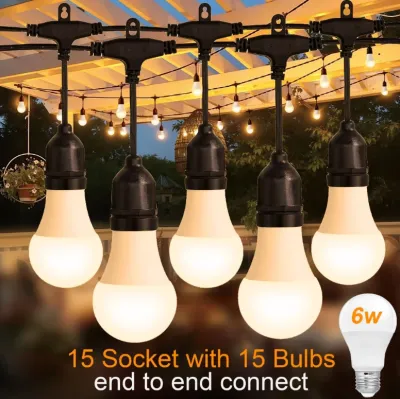
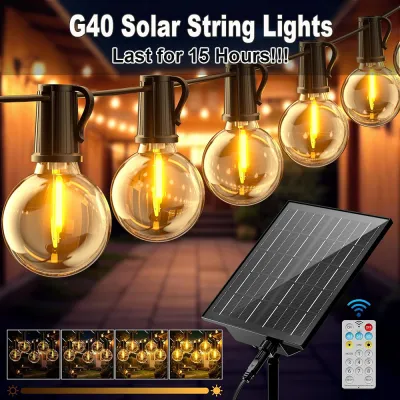
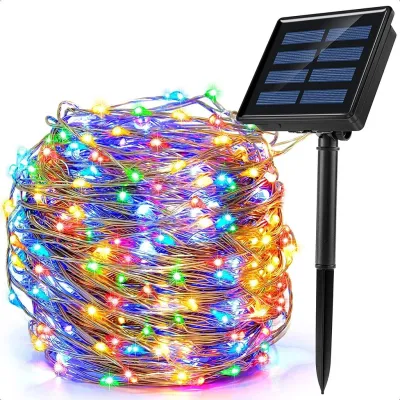
Prices are valid at publication and may change. Please refer to the product page for the latest price.
A frequent mistake in DIY landscape design is placing path lights in a straight, symmetrical line, creating a cold “runway effect.” To achieve a natural flow, stagger the fixtures on alternating sides of the path. Spacing should depend on the fixture’s height and beam spread. For standard path lights standing 12 to 18 inches tall, spacing them roughly 6 to 8 feet apart provides a continuous path of light without leaving dark, hazardous gaps.
Given the tropical climate of the Philippines, selecting fixtures made from highly durable, weather-resistant materials is essential for long-term performance. The outdoor environment presents severe challenges, including intense solar heat, high humidity, and torrential rains during the monsoon season. Look for fixtures constructed from solid brass, copper, or heavy-duty powder-coated aluminum, which resist corrosion far better than cheap plastics or thin metals. Always check the product packaging or specifications for an Ingress Protection (IP) rating of at least IP65, which certifies that the fixture is dust-tight and protected against water jets from any direction.
Additionally, consider how rapidly tropical foliage grows. A fixture perfectly placed today can be swallowed by ground cover or low shrubs within a single rainy season. Opting for fixtures with adjustable risers or taller bollards helps keep the light path unobstructed, while regular trimming prevents moisture from pooling continuously against the housing.
Highlighting Landscape Features with Spotlights and Well Lights
While path lights handle the horizontal plane, spotlights and well lights introduce vertical drama by drawing attention to the standout features of your landscape. Spotlights are highly versatile, directional fixtures mounted above ground on stakes or brackets, allowing you to adjust their angle precisely. They are ideal for uplighting the trunks and canopies of trees, highlighting textured stone walls, or casting a soft glow over water features. When selecting a spotlight, the beam angle is a critical factor; narrow beam angles (around 15 to 25 degrees) create a concentrated spotlight effect for tall, slender trees, while wider floodlight beams (45 degrees or more) are better suited for broad canopies or expansive wall surfaces.

Well lights, or in-ground lights, offer a discreet alternative for uplighting where visible fixtures would disrupt clean lines. Installed flush with the ground, they hide the fixture body entirely. Well lights are ideal along lawns, driveways, or gravel paths where traditional stake lights could be damaged by foot traffic or lawnmowers. Because they sit flush with the earth, they must withstand heavy loads and constant ground moisture, requiring high-quality seals and robust glass lenses.
Achieving professional-grade landscape lighting requires careful positioning to prevent light pollution and glare. Unshielded fixtures pointing directly upward can create a harsh glare that disrupts your view, annoys neighbors, or contributes to skyglow. To avoid this, position spotlights so that the light beam is directed away from seating areas, windows, and neighboring properties. Utilizing fixtures with built-in shrouds, glare shields, or hex-cell louvers helps contain the light to the intended target, ensuring that only the illuminated feature is visible while the light source itself remains hidden.
When illuminating water features like ponds or fountains, submersible spotlights can be placed directly in the water to create a shimmering glow. For safety and longevity, any fixture placed inside or in the splash zone must be rated for underwater use, typically requiring an IP68 rating. These specialized fixtures must operate on low-voltage systems to eliminate electrical hazards.
Key Specifications to Check Before Buying
Before purchasing any outdoor light, you must determine whether a low-voltage (12V) or line-voltage (220V, standard in the Philippines) system is best suited for your property. Low-voltage systems are highly popular for residential gardens because they are incredibly safe, easy to install, and energy-efficient. They require a step-down transformer plugged into an outdoor GFCI outlet to convert your home’s standard voltage to a safe 12 volts. Line-voltage systems, on the other hand, carry the full 220V current and are typically reserved for high-powered commercial applications or heavy-duty security lighting, requiring deep trenching and protective conduit for all wiring.
Understanding lumens and color temperature is vital for creating the right atmosphere. Lumens measure light output; for path lighting, 100 to 200 lumens per fixture is generally sufficient, while accent spotlights require 300 to 800 lumens depending on the feature’s size. Color temperature, measured in Kelvin (K), dictates the light’s appearance. Warm white light (2700K to 3000K) is recommended for residential gardens to enhance foliage and create a cozy ambiance, whereas cooler temperatures (4000K to 5000K) are best reserved for security zones.
Material quality and safety certifications are critical in humid, high-rainfall environments. Cheap metals rapidly corrode, leading to electrical failure and rust stains. Look for fixtures made of solid cast brass, copper, or marine-grade stainless steel, which resist degradation. Always verify that products carry recognized safety certifications on their packaging—such as the Philippine Standard (PS) mark, the Import Commodity Clearance (ICC) sticker, or international safety marks like UL or CE—to ensure they are tested for outdoor use.
Installation Safety and Professional Boundaries
Installing low-voltage (12V) landscape lighting is a highly accessible project for DIY enthusiasts, but it still requires adherence to basic safety protocols. Before inserting stakes or digging shallow trenches for your low-voltage cables, it is crucial to identify and map out any existing underground utility lines, such as water pipes, sewage lines, or main electrical conduits, to avoid accidental punctures. Low-voltage cables do not need to be buried deeply—typically only 6 inches of cover is required—but they should still be routed away from high-traffic digging areas like flowerbeds where garden spades could easily slice through the insulation.
While low-voltage setups are safe for self-installation, certain tasks strictly demand the expertise of a licensed electrician. Any work involving line-voltage (220V) wiring, such as running new circuits from your main electrical panel, installing permanent outdoor junction boxes, or hardwiring heavy-duty security lights, must be handled by a professional to prevent fire hazards and lethal shocks. Furthermore, installing lighting fixtures inside or immediately adjacent to swimming pools, ponds, or active water features requires specialized knowledge of grounding, bonding, and wet-location sealing that only a qualified professional can guarantee.
Always read the manufacturer’s installation manual before beginning. If you encounter site conditions that conflict with the guidelines—such as standing water in your planned trenching route or damaged existing wiring—stop work immediately. Consulting a professional electrician when faced with unexpected challenges ensures your system remains safe and compliant with local electrical codes.
Frequently Asked Questions (FAQ)
Can I use solar-powered lights for main garden pathways?
Solar-powered lights are highly convenient because they require no wiring, but they may not always provide the consistent, high-output illumination needed for primary, high-traffic pathways. Their performance depends entirely on receiving several hours of direct sunlight daily to charge their internal batteries, which can be highly variable during the rainy season or in heavily shaded garden areas. If you choose solar options, carefully check the product specifications for lumen output and battery runtime to ensure they can maintain adequate brightness throughout the night to keep your walkways safe.
How do I prevent landscape lights from glaring into my neighbor's yard?
To prevent light trespass and maintain good neighborly relations, select fixtures that feature built-in glare shields, hoods, or shrouds that direct light downward or focus it tightly on your target. Avoid pointing spotlights directly outward or upward at steep angles near property lines; instead, position them closer to the object they are illuminating and tilt them inward toward your home. You can also lower the mounting height of the fixtures or select bulbs with lower lumen outputs to keep the illumination contained strictly within your garden’s boundaries.

Community discussion
Share your experience or ask a question. Comments are reviewed before publication.