
Choosing the best Philips solar lights for your garden or pathway in the Philippines depends on matching the specific outdoor application—whether decorative accenting, functional pathway guidance, or security—with the physical layout and sunlight exposure of your property. Because tropical climates bring both intense sunshine and heavy monsoon rains, the ideal choice is not a single universal model, but rather a carefully selected combination of weather-resistant fixtures that match your local environment. By verifying key specifications such as Ingress Protection (IP) ratings, battery types, and solar panel configurations on the product packaging, you can select fixtures that deliver reliable illumination throughout the year.
To make an informed decision, you must first evaluate how different areas of your outdoor space are used and how much direct sunlight they receive. A well-planned lighting layout balances aesthetic appeal with practical safety, ensuring that dark corners are illuminated without creating harsh glare. By understanding the technical specifications and design options available, you can create a sustainable, energy-efficient lighting system that enhances your home’s exterior while standing up to challenging tropical weather conditions.
Assessing Your Garden and Pathway Lighting Needs
Before purchasing any solar lighting fixtures, it is essential to map out your outdoor space and identify the primary purpose of each illumination zone. Outdoor lighting generally falls into two main categories: decorative accent lighting and functional safety lighting. Decorative lighting is designed to create ambiance, highlight landscape features, and add visual depth to your garden beds. Functional lighting, on the other hand, focuses on safety and visibility, ensuring that walkways, driveways, steps, and entryways are clearly illuminated to prevent tripping hazards and deter unwanted visitors.
Products mentioned in this guide
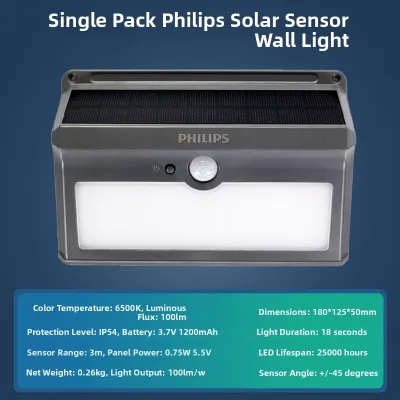
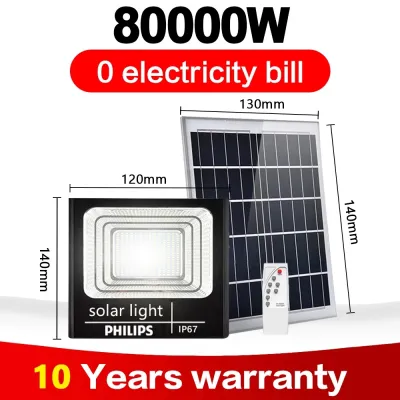
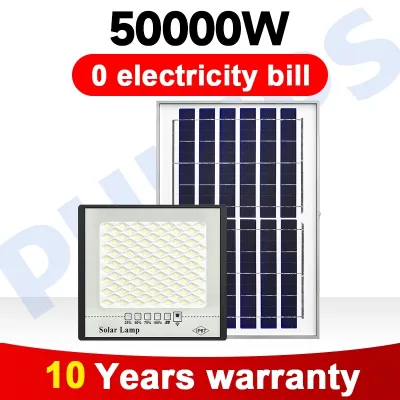
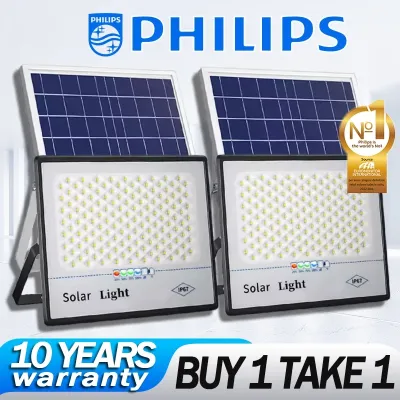
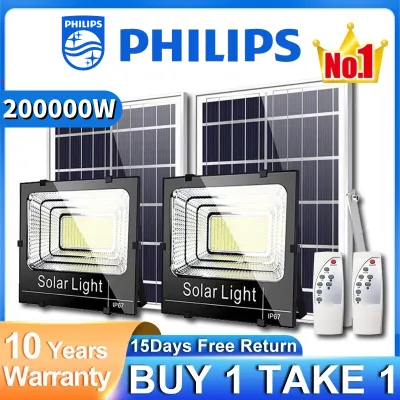
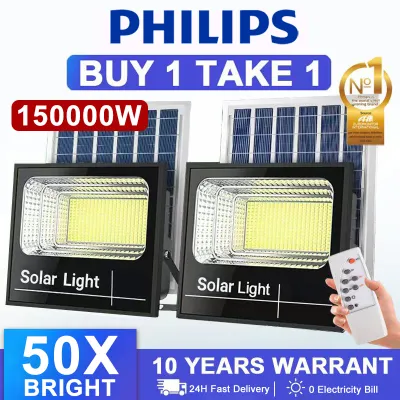
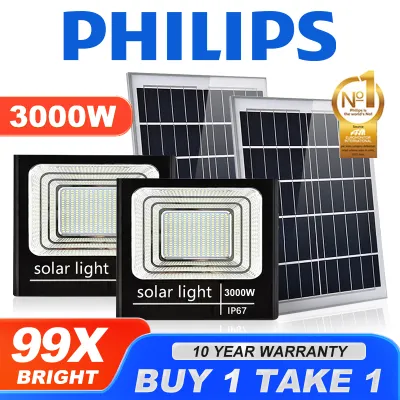
Prices are valid at publication and may change. Please refer to the product page for the latest price.
Evaluating the daily sunlight exposure of your intended installation areas is a critical step in the planning process. Solar lights rely entirely on the energy collected by their panels during the day to power the light at night. In the Philippines, while solar irradiance is generally high, local factors such as dense tropical foliage, roof overhangs, perimeter walls, and neighboring buildings can cast significant shadows. You should observe your garden throughout the day to identify spots that receive at least six to eight hours of unobstructed, direct sunlight. Placing a solar fixture in a permanently shaded area will result in poor charging and extremely limited runtime at night.
Determining the required brightness levels and light color temperatures is another key consideration that varies by zone. Brightness is measured in lumens, and the appropriate level depends on the fixture’s role. For gentle garden accents and decorative borders, low-lumen fixtures (typically between 10 to 50 lumens) are sufficient to create a soft glow. For pathways, driveways, and security areas, you will need higher-lumen fixtures (ranging from 100 to over 500 lumens) to ensure adequate visibility.
Color temperature, measured in Kelvin (K), also plays a significant role in the overall feel of your outdoor space. Warm white light (around 2700K to 3000K) is highly suited for relaxing garden areas, patios, and decorative landscaping, as it creates a cozy and inviting atmosphere. Cool white light (4000K to 6500K) is more functional and is typically preferred for security zones, driveways, and active work areas where high contrast and clear visibility are required. These color choices are subjective preferences that should align with how you intend to use and enjoy each specific outdoor zone.
Essential Specifications to Verify in Philips Solar Lights
When selecting Philips solar lights, verifying the technical specifications on the product packaging or manufacturer descriptions is crucial to ensuring long-term performance. The first and most important specification to check for outdoor fixtures in the Philippines is the Ingress Protection (IP) rating. The IP rating consists of two digits: the first indicates protection against solid objects like dust, and the second indicates protection against liquids. Because the local climate is characterized by high humidity, intense tropical downpours, and seasonal typhoons, your solar lights must be highly water-resistant.

For fixtures placed in fully exposed areas such as open lawns, garden beds, and pathways, look for an IP rating of at least IP65. An IP65 rating ensures that the fixture is dust-tight and protected against water jets from any angle, preventing heavy rain from penetrating the housing and damaging the internal electronics. For semi-sheltered areas, such as under a porch roof or a covered patio, a slightly lower rating like IP44 may be acceptable, but higher protection is always preferable for outdoor installations to ensure durability.
Battery specifications are equally important when evaluating the lifespan and reliability of solar lights. Most modern solar fixtures utilize rechargeable lithium-ion (Li-ion) or lithium iron phosphate (LiFePO4) batteries. LiFePO4 batteries are particularly well-suited for tropical climates because they offer excellent thermal stability under high ambient temperatures, a longer overall cycle life, and more consistent power delivery. You should check the product documentation to see if the manufacturer designates the battery as user-replaceable. Fixtures with accessible, replaceable batteries offer better long-term value, as you can swap out a degraded battery after a few years of use instead of discarding the entire light fixture.
Additionally, pay close attention to the solar panel type and the stated charging time requirements. Monocrystalline solar panels generally offer higher energy conversion efficiency compared to polycrystalline panels, meaning they can generate more power in a smaller surface area and perform better under slightly overcast skies. Review the manufacturer’s estimated charging time under standard sunlight conditions and compare it to the typical daylight hours in your area. This comparison helps ensure that the fixture can achieve a full charge even during days with partial cloud cover.
Finally, evaluate the long-term value of the fixtures by comparing their retail prices in Philippine Pesos (₱) against the provided warranty terms and expected component lifespans. While high-quality solar lights may require a larger initial investment in ₱ compared to unbranded alternatives, they often include comprehensive manufacturer warranties of one to two years. A robust warranty, combined with durable construction materials and a replaceable battery design, ensures that your investment is protected and that the fixtures will continue to illuminate your home for years to come, saving you money on frequent replacements.
Matching Philips Solar Light Designs to Outdoor Applications
Selecting the right solar light design involves matching the physical form factor of the fixture to the specific functional and aesthetic needs of your outdoor space. For pathway and driveway illumination, the primary goal is to guide movement safely without causing uncomfortable glare for pedestrians or drivers. Low-level bollards and ground-stake lights are ideal for this application. These fixtures are designed to direct their light downward and outward, illuminating the walking surface directly while keeping the light source below eye level.
When installing pathway lights, spacing is key to achieving a balanced look and avoiding dark patches. Rather than placing fixtures directly opposite each other in a rigid line, consider staggering them along both sides of the path to create a more natural, flowing visual effect. This staggered arrangement provides continuous illumination along the walkway while using fewer fixtures overall. Ensure that the stakes are securely anchored into the ground so that they remain upright during heavy rains and garden maintenance.
For garden and landscape accenting, the focus shifts to highlighting specific natural or architectural features. Adjustable solar spotlights are highly effective for this purpose, as they allow you to direct a concentrated beam of light toward a specific tree canopy, a stone wall, or a garden sculpture. By positioning the spotlight at the base of a feature and angling it upward (uplighting), you can create dramatic shadows and emphasize textures. Alternatively, decorative solar lanterns and string lights can be hung from pergolas, tree branches, or patio railings to add a soft, festive glow to outdoor seating areas.
Security and entryway lighting require a different design approach, focusing on high visibility and on-demand illumination. Wall-mounted solar lights equipped with integrated passive infrared (PIR) motion sensors are highly suited for these zones. These fixtures typically operate in a low-power standby mode, emitting a dim glow or remaining off entirely until motion is detected within a specific range. Once triggered, the light switches to full brightness, providing clear illumination near doors, gates, and dark side passages. This motion-activated design conserves battery power, ensuring that bright light is available when needed most.
Installation, Placement, and Maintenance Best Practices
Proper installation and regular maintenance are essential to maximizing the performance and operating life of your solar lights. When positioning your fixtures, the solar panel must have an unobstructed view of the sky. Avoid placing panels directly under dense tree branches, roof gutters, or wide overhangs that cast shadows during peak sunlight hours. Even partial shading on a small portion of a solar panel can drastically reduce its charging efficiency, leading to significantly shorter runtimes at night.
In addition to avoiding physical shadows, you must also position solar panels away from competing artificial light sources, such as bright streetlights, porch lamps, or neighbor’s security lights. Most solar fixtures feature an integrated photocell sensor that detects ambient light levels to determine when it is dusk and dawn. If a competing light source shines directly onto the solar panel or sensor, the fixture may falsely register that it is still daytime and fail to turn on at night. If you notice a fixture flickering or failing to illuminate after dark, check its proximity to other light sources.
Before using your new solar lights for the first time, it is important to follow the manufacturer’s instructions regarding the initial charging period. Most manufacturers recommend placing the solar panel in direct sunlight for 24 to 48 hours with the power switch in the “off” position before allowing the light to operate at night. This initial deep charge helps condition the rechargeable battery, ensuring it reaches its maximum capacity and establishing a healthy charge-discharge cycle from the start.
Maintaining your solar lights involves a simple routine of cleaning and physical inspection. Over time, dust, pollen, salt spray, and bird droppings can accumulate on the surface of the solar panel, blocking sunlight and reducing charging efficiency. Gently wipe the panels clean every few months using a soft, damp microfiber cloth and mild, soapy water. Avoid using abrasive scrubbing pads, high-pressure washers, or harsh chemical cleaners, as these can scratch or degrade the protective coating of the panel, permanently reducing its performance.
During your routine cleaning, take a moment to inspect the fixtures for any signs of physical damage, moisture ingress, or battery degradation. Check the lens for cracks and look inside the housing for condensation, which can indicate a compromised seal. If you notice a significant drop in runtime despite sunny weather, the battery may be reaching the end of its useful life. While basic cleaning, battery replacement, and ground-stake adjustments are safe DIY tasks, you should stop troubleshooting and consult the manufacturer or a qualified professional for complex structural mounting issues, damaged wiring on split-panel models, or persistent electrical faults.
Frequently Asked Questions (FAQ)
Do Philips solar lights work during the rainy season in the Philippines?
Yes, solar lights will still function during the rainy season, but their performance will be affected by the weather. Solar panels do not require hot weather to charge; they rely on solar irradiance, which can still penetrate light cloud cover. However, during prolonged overcast days, heavy rain, or tropical storms, the amount of available sunlight is significantly reduced, which means the battery will not receive a full charge. As a result, you should expect shorter runtimes at night during these periods. Some advanced models feature intelligent power management systems that automatically dim the light output to conserve battery life when charging has been insufficient, helping the light stay on longer.
Can I replace the batteries in my Philips solar pathway lights?
Whether you can replace the battery depends entirely on the specific design of your model. Many high-quality solar pathway lights feature accessible battery compartments secured by screws, allowing users to easily replace the rechargeable battery once it naturally degrades after a few years of use. If your model supports battery replacement, always consult the user manual to confirm the exact battery chemistry (such as NiMH or LiFePO4), voltage, and capacity required. Using an incompatible battery can damage the fixture’s internal circuitry. If the fixture is completely sealed to achieve a high IP rating and has no accessible compartment, the battery is not user-replaceable, and attempting to open the housing may void the warranty and ruin the water-resistant seal.
How do I clean the solar panels without damaging them?
To clean the solar panels safely, use a soft, lint-free microfiber cloth dampened with clean water. If there is stubborn dirt, bird droppings, or sticky sap, you can add a drop of mild, non-abrasive dish soap to the water. Gently wipe the surface of the panel in a circular motion until the debris is removed, then wipe it dry with a clean cloth. Never use abrasive materials like steel wool, stiff brushes, or scouring pads, as these will scratch the protective plastic or glass cover of the panel. Additionally, avoid using high-pressure water hoses, steam cleaners, or harsh chemical solvents like bleach or alcohol, which can degrade the seals and cause water to leak into the electronics.

Community discussion
Share your experience or ask a question. Comments are reviewed before publication.