
To fit a small bedroom comfortably, the ideal full-length mirror with storage should have a compact profile, typically measuring 14 to 18 inches in width, 48 to 60 inches in height, and 3.5 to 5 inches in depth for wall-mounted or over-the-door models. If you opt for a freestanding unit, look for a base footprint of no more than 15 to 20 inches square. This size ensures you get a complete head-to-toe reflection without sacrificing precious floor space or making your room feel cramped.
Selecting the right unit requires balancing your personal storage needs with the physical boundaries of your room. In tropical climates like the Philippines, where high humidity can affect both the structural integrity of furniture and the items stored inside, choosing the right materials and placement is just as important as getting the dimensions right. By carefully measuring your space and evaluating how the cabinet doors open, you can find a functional piece that organizes your accessories while making your bedroom feel larger and brighter.
Assessing Your Bedroom's Available Space
Before browsing online marketplaces or local furniture shops, you must establish the exact physical boundaries of your room. Start by measuring the available floor footprint and wall space where you plan to position the mirror. Do not rely on general wall measurements; instead, account for baseboards, wall moldings, and any unevenness in the floor that might cause a freestanding unit to wobble or stand at an angle.
Products mentioned in this guide
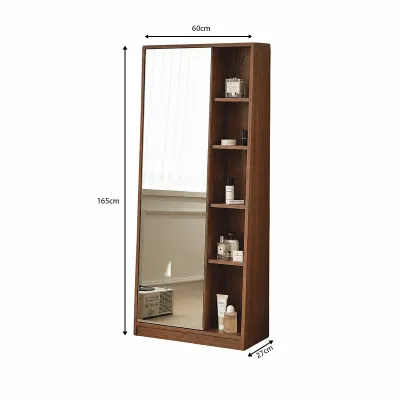
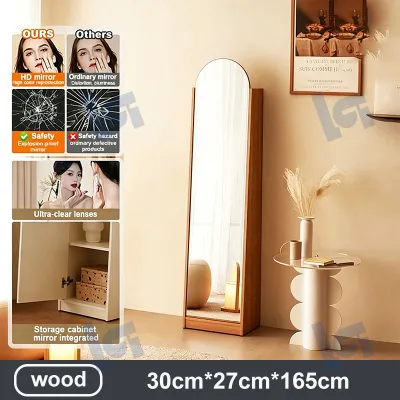
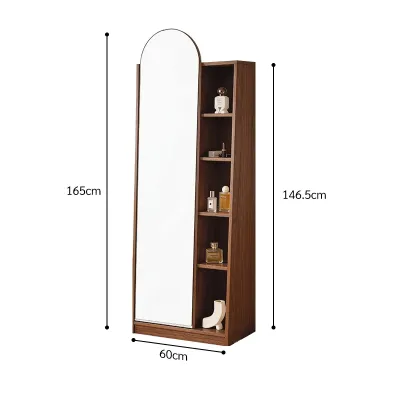
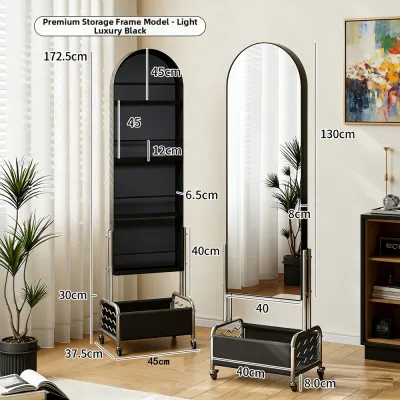

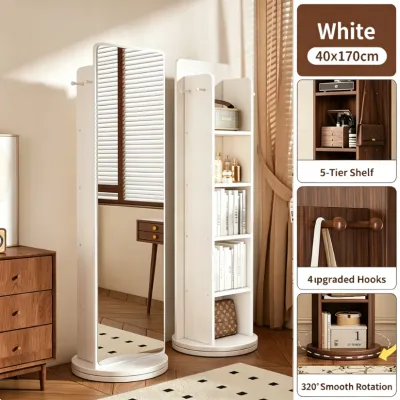
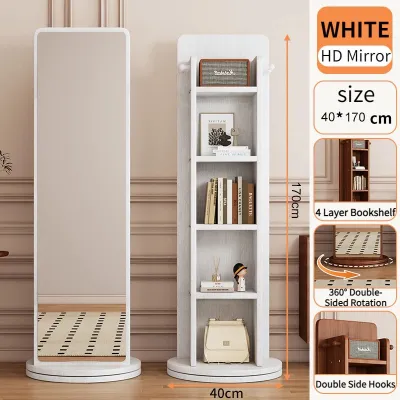
Prices are valid at publication and may change. Please refer to the product page for the latest price.
Next, calculate the necessary clearance for doors, drawers, and daily foot traffic. A storage mirror is only useful if you can actually open it. If the unit features a swing-out cabinet door or slide-out drawers, map out their full range of motion. Ensure that when the storage compartment is fully open, it does not block walkways, collide with your bed frame, or prevent your closet doors from opening.
Finally, check your ceiling height and look for overhead obstructions. In tropical bedrooms, ceiling fans are essential for keeping the air moving, but they can pose a hazard to tall, freestanding mirrors. Ensure there is ample clearance between the top of the mirror and any low-hanging light fixtures, air conditioning units, or fan blades to prevent accidental damage during installation or daily use.
Matching Mirror Dimensions to Room Proportions
To get a complete, undistorted head-to-toe reflection, the mirror glass itself does not need to be as tall as you are. As a general rule, the glass height should be at least half the height of the tallest user in the household. For a person who is 5 feet 6 inches tall, a mirror with at least 33 inches of vertical glass is functional, though standard full-length mirrors of 48 to 60 inches are highly recommended for a more comfortable viewing experience without needing to stand too far back.

In a compact bedroom, the width of the mirror and the depth of the storage cabinet heavily influence the room’s visual balance. A mirror that is too wide (over 20 inches) can overwhelm a small wall, while a cabinet that is too deep (over 5 inches) will protrude awkwardly into the room. Keeping the cabinet depth between 3.5 and 4.5 inches provides plenty of space for jewelry and cosmetics while maintaining a slim, unobtrusive profile.
Consider the visual weight of the frame and the storage structure. Heavy, dark wood frames can make a small room feel crowded and dark. To keep the space feeling airy and open, opt for frameless designs, thin metal borders, or light-colored wood finishes. The reflective surface of the mirror naturally bounces light around the room, which helps visually expand a tight space, provided the frame itself does not dominate the wall.
Evaluating Storage Capacity vs. Footprint
When space is limited, you must choose a storage design that maximizes internal organization without expanding the unit’s physical footprint. Over-the-door and wall-mounted storage mirrors are the most space-efficient options because they occupy zero floor space. If you prefer a freestanding model, look for one with a built-in rotating base or bottom drawers, which utilize vertical space rather than spreading out horizontally.
Inside the cabinet, the layout should match the specific items you plan to store. If you are organizing jewelry, look for dedicated hooks, ring slots, and earring bars. In humid environments, look for cabinets lined with anti-tarnish velvet or felt to help protect delicate metals from moisture-induced oxidation. If you plan to store cosmetics or perfumes, ensure the shelves have protective lips or acrylic barriers to keep bottles secure when the door is opened and closed.
Avoid the temptation to buy an oversized storage unit for items that could easily be kept elsewhere. Storing heavy winter wear, bulky linens, or rarely used items in a bedroom mirror cabinet defeats the purpose of a streamlined organizer. Keep the storage focused on daily essentials like accessories, watches, and makeup, allowing you to choose a slimmer, more elegant mirror that preserves valuable floor space.
Placement and Installation Considerations for Compact Rooms
Deciding between a freestanding and a wall-mounted storage mirror involves evaluating your room’s wall construction. Wall-mounted units are excellent for saving floor space, but they are heavy, especially when fully loaded with jewelry and cosmetics. In the Philippines, bedroom walls are often made of concrete or hollow blocks, which require masonry drill bits, sturdy wall plugs, and heavy-duty screws. If you are mounting onto drywall, you must locate the wall studs or use specialized hollow-wall anchors; never hang a heavy storage mirror directly onto unsupported drywall.
Safety is paramount, particularly for top-heavy freestanding units. If you choose a floor-standing mirror, always install the anti-tip hardware provided by the manufacturer. This anchoring system secures the top of the frame to the wall, preventing the unit from tipping forward when the heavy storage door is swung open, which is a crucial safety measure in households with children or pets.
If your wall space is entirely occupied by wardrobes and windows, consider utilizing corner placements or alcoves. A corner-mounted or rotating triangular storage mirror can turn an otherwise unused nook into a highly functional dressing station. Just ensure the rotating mechanism has enough clearance from the adjacent walls to spin freely without scraping the paint.
If your storage mirror features integrated LED lighting, you must also verify the electrical requirements. Ensure the unit’s voltage is compatible with the local 220V electrical standard, and check whether it uses a standard plug, batteries, or requires fixed wiring. For any fixed electrical installations or wiring modifications, always consult a qualified professional to ensure compliance with safety standards.
Common Sizing and Placement Mistakes to Avoid
One of the most frequent mistakes is forgetting to account for the swing radius of the cabinet door. A mirror might fit perfectly against the wall when closed, but if the door cannot open past 45 degrees because it hits a bedside table, half of your storage becomes inaccessible. Always measure the clearance with the door fully open before finalizing your purchase.
Another common error is choosing a cabinet that is too deep for narrow walkways. Placing a 6-inch-deep cabinet in a high-traffic path, such as the narrow space between the foot of the bed and the wall, creates a physical bottleneck. This leads to frequent bumped elbows and increases the risk of knocking the mirror off its mounts or tipping it over.
Finally, do not ignore the visual bulk of the unit’s side profile. A storage mirror with thick, solid wood sides can look like a heavy box hanging on your wall when viewed from the entrance of the room. To avoid this cluttered look, choose a model where the mirror glass covers the entire front face, or select a cabinet with a white, light gray, or mirrored side finish that blends seamlessly into your bedroom walls.
Frequently Asked Questions (FAQ)
Is it safe to place a freestanding storage mirror in front of a window?
Placing a heavy storage mirror directly in front of a window is generally not recommended for several safety and practical reasons. First, a tall, solid cabinet blocks natural light and restricts airflow, which can make a small bedroom feel dark, stuffy, and damp. In tropical climates, maintaining proper ventilation is essential for preventing mold and mildew growth inside your home.
Additionally, blocking a window can obstruct a vital emergency exit route. From a maintenance perspective, placing a mirror against a window exposes the back of the cabinet to direct sunlight and temperature fluctuations. This heat buildup, combined with trapped moisture or condensation on the window pane, can warp wooden frames, degrade adhesives, and damage the mirror’s silver backing over time, leading to unsightly black spots and desilvering.

Community discussion
Share your experience or ask a question. Comments are reviewed before publication.