
Selecting the right lighting for a low-ceiling condominium in the Philippines requires balancing spatial limitations with electrical safety and performance. Standard residential units often feature ceiling heights of 2.4 to 2.7 meters, leaving very little vertical clearance for traditional hanging fixtures or bulky surface-mounted lights. Ultra-slim LED ceiling lights offer a practical solution, providing bright, even illumination while occupying less than an inch of vertical space.
To find the ideal fixture, you must evaluate your condo’s physical structure, electrical compatibility, and environmental conditions. High ambient humidity and concrete slab ceilings present unique challenges that dictate which materials and mounting styles will perform reliably over time. By understanding these technical requirements, you can select a lighting setup that maximizes your living space without compromising on safety or durability.
Assessing Your Condo's Clearance and Electrical Limits
Before purchasing any slim LED fixture, you must measure your available vertical clearance and inspect the existing ceiling structure. Many modern condominium developments in the Philippines utilize solid concrete slab ceilings, while others feature suspended gypsum board or drywall drop ceilings. If you have a solid concrete ceiling, you will be limited to surface-mounted slim LED panels, as recessed downlights require a ceiling cavity to house the fixture and driver. For suspended ceilings, measure the depth of the plenum space behind the board to ensure a recessed slim panel can fit without contacting structural beams or utility pipes.
Products mentioned in this guide
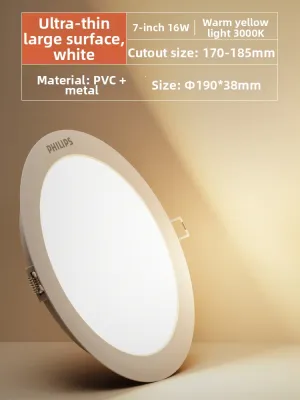
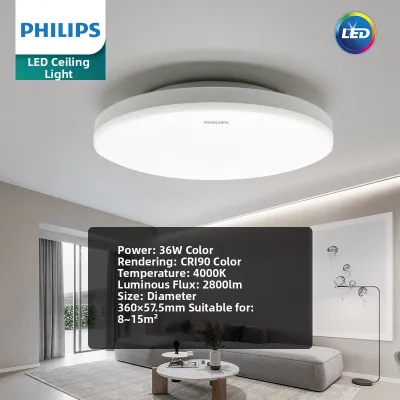
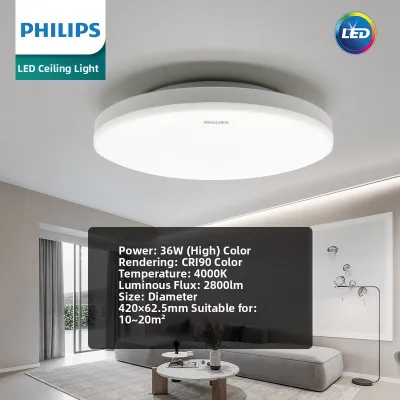
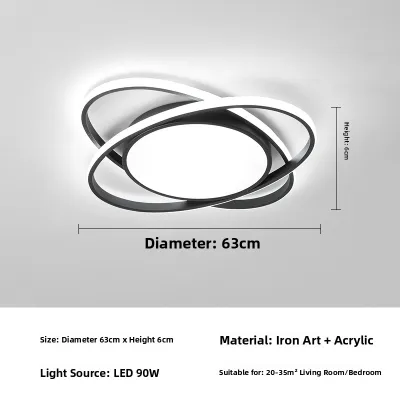
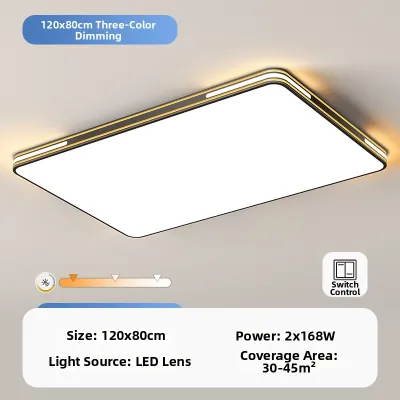
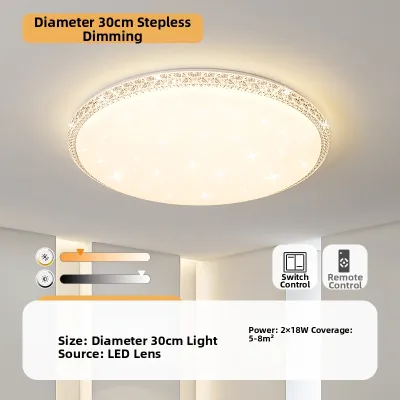
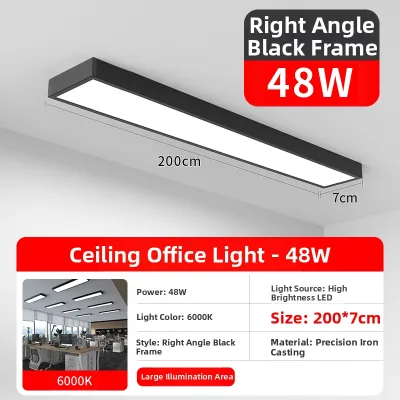
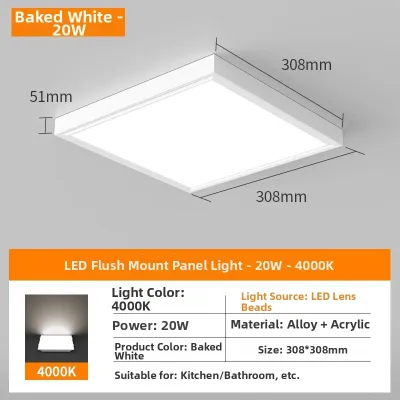
Prices are valid at publication and may change. Please refer to the product page for the latest price.
Next, locate and inspect the existing junction box in your ceiling. Standard utility boxes in local developments are typically circular or octagonal plastic or metal enclosures. Verify that the mounting bracket of your chosen slim LED light aligns with the screw holes of your existing junction box. If the holes do not match, you may need to use a universal adapter plate or drill new mounting holes into the concrete slab, which requires specialized masonry drill bits and anchors.
Electrical compatibility is another critical factor that requires careful verification. The standard electrical grid in the Philippines operates at 220V to 230V at a frequency of 60Hz. Many imported slim LED lights sold online are designed for 110V or 50Hz grids, and using these incompatible fixtures can lead to immediate driver failure, severe flickering, or electrical hazards. Always inspect the product label or specification sheet to confirm the driver is rated for 220V–240V at 60Hz before proceeding with the installation.
Finally, examine the condition of the visible wiring protruding from your ceiling junction box. In older condominium buildings, prolonged exposure to tropical heat and humidity can cause wire insulation to become brittle or cracked. If you observe exposed copper, degraded insulation, or signs of past overheating, do not attempt to connect a new fixture. Isolate the power at the main circuit breaker immediately and consult a licensed electrician to replace the damaged wiring before installing your new LED light.
Matching Light Output and Color to Compact Room Sizes
Achieving comfortable illumination in a compact condo room depends on selecting the correct light output, measured in lumens, rather than relying solely on wattage. Because low ceilings bring the light source closer to eye level, excessive brightness can cause uncomfortable glare, while insufficient light can make a small room feel cramped and dim. To estimate your needs, calculate the square footage of the room and multiply it by a target illumination level. For example, a standard condo bedroom or living area generally benefits from 30 to 40 lumens per square foot, while kitchens and bathrooms require a brighter baseline of 70 to 80 lumens per square foot.

Color temperature, measured in Kelvin (K), significantly influences the perceived atmosphere and functionality of your living space. These color choices are highly subjective and should be tailored to how you use each zone in your condo:
- Warm White (2700K to 3000K): This range produces a soft, yellowish glow that mimics traditional incandescent bulbs. It is highly suited for bedrooms and living rooms where a relaxing, cozy ambiance is preferred.
- Cool White (4000K to 4500K): Offering a clean, neutral white light, this range enhances focus and clarity. It is ideal for home offices, study areas, and kitchen prep zones.
- Daylight (6000K to 6500K): This range delivers a bright, bluish-white light that closely resembles natural midday sun. It is best suited for utility rooms, laundry areas, and bathrooms where high visibility is essential.
The physical construction of the LED panel also dictates how light is distributed across your low-ceiling space. Edge-lit slim panels utilize LEDs arranged around the inner frame, directing light sideways into a light guide plate that diffuses it downward. This design produces an exceptionally uniform, glare-free light with a very thin profile, making it highly suitable for low ceilings. Direct-lit panels, on the other hand, place the LEDs directly behind the diffuser, which can sometimes result in visible bright spots if the diffuser material is thin or of low quality.
Evaluating Ultra-Slim Profiles and Heat Dissipation Designs
When selecting a slim LED ceiling light, the physical thickness of the fixture is a primary consideration. True ultra-slim flush mount lights typically measure between 0.5 inches and 0.9 inches (approximately 12 mm to 24 mm) in thickness. This minimal profile allows the fixture to blend seamlessly with the ceiling plane, preventing the visual obstruction and shadow lines created by bulkier, traditional dome lights. However, reducing the thickness of a fixture limits the physical space available for heat dissipation, which is a critical factor in tropical climates.
High ambient temperatures and humidity levels in the Philippines can accelerate the thermal degradation of LED chips and internal drivers. When LEDs operate, they generate heat that must be drawn away from the sensitive semiconductor components. Look for slim fixtures that incorporate an aluminum backplate or an integrated aluminum heat sink. Aluminum conducts heat far more efficiently than cheap plastic housings, ensuring that the internal operating temperature remains within safe limits and preventing premature dimming or driver failure.
For installation in moisture-prone areas of your condo, such as the kitchen, bathroom, or covered balcony, you must verify the fixture’s Ingress Protection (IP) rating. Standard indoor slim LED lights often carry an IP20 rating, which protects against solid objects but offers no resistance to water. For bathrooms and cooking zones where steam and condensation accumulate, select a fixture with at least an IP44 rating. This ensures the internal electrical components are sealed against splashing water and high humidity, preventing short circuits and corrosion.
The material quality of the outer diffuser also determines the long-term appearance of your lighting. Low-grade polystyrene diffusers tend to degrade and turn yellow when exposed to heat and the UV rays that enter through condo windows. Opt for fixtures featuring high-quality acrylic (PMMA) or polycarbonate diffusers. These materials maintain their clarity and light transmission properties over years of use, ensuring your ceiling lights continue to deliver clean, bright illumination without unsightly discoloration.
Creating a Verification Checklist for Online Purchases
Shopping for slim LED ceiling lights on online marketplaces requires a cautious, methodical approach to avoid low-quality or incompatible products. Many listings feature exaggerated performance claims, such as unrealistic lumen outputs paired with extremely low wattages. To verify these claims, calculate the luminous efficacy by dividing the listed lumens by the wattage. A reliable, high-quality residential LED fixture typically operates within an efficiency range of 80 to 110 lumens per watt; claims significantly higher than this should be treated with skepticism.
Before finalizing your purchase, verify the dimming capabilities of the fixture if you plan to use a dimmer switch. Many budget-friendly slim LED panels feature non-dimmable drivers. Attempting to dim a non-dimmable LED will result in severe flickering, audible buzzing, and potential damage to both the driver and the switch. If you require adjustable brightness, ensure the product description explicitly states “dimmable” and specifies the compatible dimmer type, such as trailing-edge or triac dimming.
Use this checklist to evaluate product listings and seller credibility before spending your hard-earned ₱:
- Voltage and Frequency: Confirm the specifications explicitly state 220V–240V at 60Hz.
- Safety Certifications: Look for recognized certification marks, such as the Philippine Standard (PS) mark, Import Commodity Clearance (ICC), or international equivalents like CE and RoHS.
- Warranty Terms: Verify that the seller offers a clear warranty of at least one to two years, and check their return policy for electrical items.
- Physical Dimensions: Double-check the outer diameter and the exact thickness to ensure it fits your planned mounting location.
- Customer Reviews: Read user reviews, paying close attention to photos of the actual product, complaints about driver failure, or reports of flickering.
Planning a Safe and Compliant Installation Process
Installing new ceiling fixtures in a condominium requires compliance with both safety standards and building regulations. Most condominium corporations in the Philippines enforce strict property management guidelines regarding unit modifications. Before scheduling any installation work, visit your building’s administration office to check if you need to submit a work permit or secure a gate pass for bringing in tools and materials. Some properties restrict noisy work, such as drilling into concrete slabs, to specific hours of the day.
When mounting your slim LED light, you must match the mounting hardware to your specific ceiling material to prevent structural failures. For solid concrete ceilings, use high-quality plastic wall plugs or expansion anchors paired with steel screws to secure the mounting bracket. If you are mounting to a gypsum board or drywall ceiling, never rely on standard wood screws driven directly into the board. Instead, use specialized toggle bolts or hollow-wall anchors that expand behind the board to distribute the weight of the fixture safely.
Electrical safety must be your absolute priority throughout the installation process. Before touching any wires or removing an old fixture, locate your unit’s main electrical panel and switch off the circuit breaker dedicated to the lighting circuit. Use a non-contact voltage tester at the ceiling junction box to verify that the power is completely off. Never assume a wall switch is sufficient to isolate the power, as some circuits may still carry live current even when the switch is in the off position.
While basic surface-mounted installations can be completed by experienced DIY enthusiasts, certain scenarios require professional assistance. If your installation involves running new fixed wiring through concrete slabs, modifying your main electrical panel, installing complex multi-way switching systems, or working at heights that compromise your balance, stop immediately. Contact a licensed electrician to complete the work safely and in compliance with the Philippine Electrical Code.
Frequently Asked Questions (FAQ)
Can I use a standard wall dimmer with integrated slim LED panels?
You cannot use a traditional rotary dimmer switch designed for incandescent bulbs with integrated slim LED panels. Traditional dimmers work by cutting the voltage, which causes LED drivers to malfunction, resulting in severe flickering, loud buzzing, or complete failure to light up. To dim an integrated slim LED panel safely, you must use a fixture equipped with a dimmable driver and pair it with a compatible LED-rated dimmer switch, typically a trailing-edge or electronic low-voltage dimmer. Always verify compatibility with the manufacturer’s specifications before installation.
How do I safely clean the acrylic diffuser without causing yellowing?
To clean your slim LED light’s acrylic diffuser without causing damage or yellowing, always turn off the power and allow the fixture to cool completely. Wipe the surface gently using a clean, dry microfiber cloth to remove loose dust and debris. For stubborn dirt or grease, slightly dampen the microfiber cloth with a mixture of lukewarm water and a drop of mild, non-abrasive dish soap. Avoid using harsh chemical cleaners, alcohol, glass sprays, or abrasive scouring pads, as these substances can degrade the acrylic polymer, causing micro-scratches and permanent yellowing over time.
What happens if the integrated LED chips fail after the warranty expires?
If the integrated LED chips in an ultra-slim ceiling light fail after the warranty has expired, the entire fixture must generally be replaced. Unlike traditional light fixtures that allow you to simply screw in a new bulb, integrated designs solder the LED chips directly to the internal circuit board. While this design enables the fixture’s ultra-thin profile, it makes individual component repair impractical for most users. To minimize waste and long-term costs, invest in high-quality fixtures with robust drivers, and ensure failed units are disposed of at designated electronic waste collection centers.

Community discussion
Share your experience or ask a question. Comments are reviewed before publication.