
Selecting the best solar fairy lights outdoor fixtures for a condo balcony requires balancing aesthetic goals with the practical realities of high-rise living. The most effective options feature a high waterproof rating (such as IP65), a detached solar panel that can be positioned independently in the sun, and a warm color temperature (typically 2200K to 3000K) to create a relaxed, inviting atmosphere. By focusing on these technical specifications and choosing flexible mounting methods, you can transform a compact outdoor space into a cozy evening retreat without violating building rules or risking water damage during heavy rains.
Assessing Your Condo Balcony's Sunlight and Space Constraints
High-rise condo balconies present unique environmental challenges that differ significantly from ground-level gardens. One of the most common obstacles is limited direct sunlight. Because balconies are often recessed, covered by deep concrete overhangs, or shaded by adjacent high-rise towers, they may only receive a few hours of direct sun each day. This makes the placement and efficiency of solar collectors a primary consideration before you make any purchase.
Physical space constraints also dictate the type of lighting you can use. In a compact balcony, bulky light fixtures can quickly clutter the area, leaving little room for seating or potted plants. Light strings must be low-profile and highly adaptable to wrap around existing structures like railings, small trellises, or wall panels. Using lightweight, flexible designs allows you to maximize the vertical and horizontal planes of your balcony without consuming precious floor space.
Products mentioned in this guide
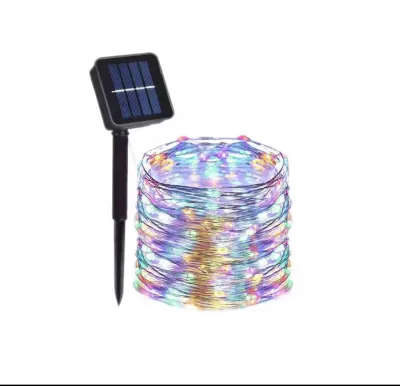
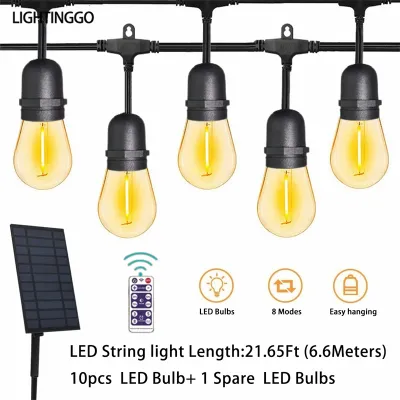
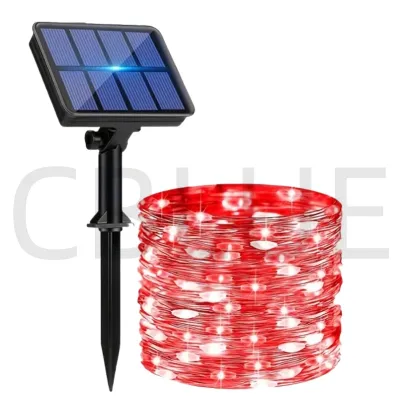
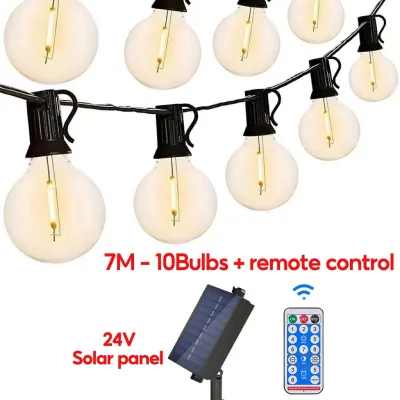
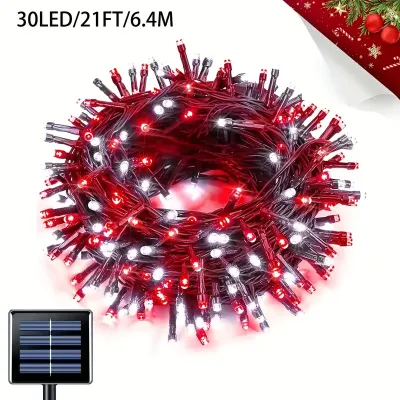
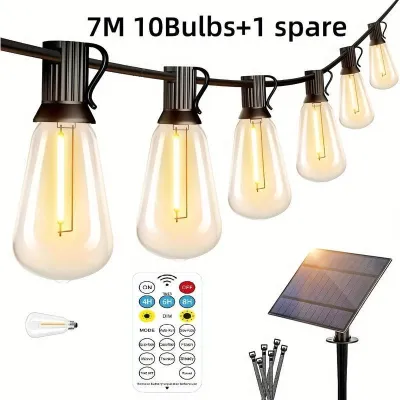
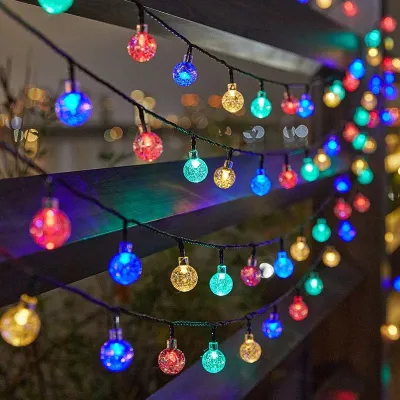
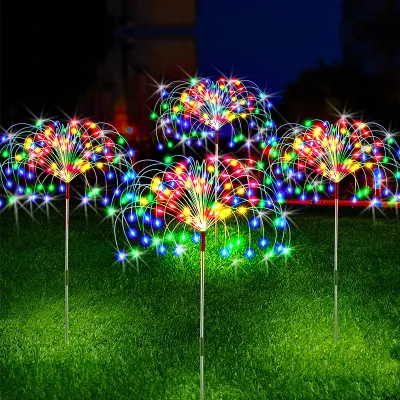
Prices are valid at publication and may change. Please refer to the product page for the latest price.
Additionally, condo property management associations in the Philippines typically enforce strict guidelines regarding structural modifications. Drilling holes into exterior concrete walls, ceilings, or metal railings is generally prohibited to preserve building integrity and uniform aesthetics. Consequently, any outdoor lighting installation must rely on non-permanent, damage-free mounting solutions. Solar-powered options are highly advantageous here because they do not require access to outdoor electrical outlets or complex wiring installations.
Finally, the local climate plays a massive role in the longevity of outdoor fixtures. The Philippines experiences intense tropical heat, high relative humidity, and sudden, torrential downpours, especially during the monsoon season. Outdoor light strings are constantly exposed to moisture, salt-laden air in coastal cities, and high temperatures. Selecting materials specifically designed to withstand these harsh environmental factors is essential to prevent rapid degradation, electrical short circuits, or structural failure.
Choosing the Right Solar Fairy Lights Outdoor Specifications for Your Space
Transitioning a space from a functional concrete slab to an intimate outdoor oasis relies on understanding the technical specifications of your lighting. To find the ideal setup, you must evaluate three primary pillars: light quality, weatherproofing, and power configuration. These factors distinguish cheap indoor novelty lights from durable, high-performing outdoor ambient fixtures.

Setting the Mood with Color Temperature and Lumens
Color temperature determines the visual warmth of the light. For a relaxing balcony atmosphere, warm white lights ranging from 2200K to 3000K are highly recommended. This range mimics the soft, amber glow of candlelight or sunset, which helps signal the body to relax after a long day. In contrast, cool white lights (5000K or higher) emit a bright, blue-toned light that can feel clinical, harsh, and overly task-oriented in a small, enclosed space.
Lumens measure the total amount of visible light emitted by a source. For ambient fairy lights, a lower lumen output is actually preferred. High-lumen bulbs can cause uncomfortable glare when reflected off close balcony walls or glass sliding doors. Opting for a soft, low-lumen glow ensures the balcony remains cozy and private. Always verify the manufacturer’s lumen specifications on the product packaging to ensure the output matches your ambient goals.
Checking Weather Resistance for Tropical Climates
When installing any electrical device outdoors, verifying its weather resistance is a critical safety step. The Ingress Protection (IP) rating is an international standard that defines how well an electrical enclosure protects against solids and liquids. An IP rating consists of two numbers: the first indicates protection against solid objects like dust, and the second indicates protection against liquids. For outdoor balcony use, you should never use lights rated below IP44, which only protect against splashing water.
Given the intensity of tropical storms and monsoons in the Philippines, aiming for an IP65 or IP67 rating is highly advisable. An IP65 rating means the lights are completely dust-tight and can withstand water projected from a nozzle, making them safe to leave out during heavy downpours. Always locate the IP rating on the product label or official user manual before installation to ensure the lights are protected against both dust ingress and water exposure from rain.
Beyond the LED bulbs themselves, the structural materials of the light string must resist environmental wear. High humidity levels can rapidly corrode unprotected metal wires, leading to snapped connections and electrical failures. Look for wire materials that are insulated with durable, UV-resistant plastics or high-quality copper wires that have been treated with protective anti-corrosion coatings to prevent rust.
Evaluating Battery and Solar Panel Configurations
The performance of solar fairy lights outdoor systems depends heavily on how the solar panel and battery are configured. Integrated solar panels are built directly into the light fixture or battery box, which can be convenient but limits your placement options. If the entire string must be placed in a shaded area of the balcony, an integrated panel will not receive enough sunlight to charge the battery. This often results in dim lights or a runtime of only one or two hours.
A detached solar panel design offers far greater flexibility for condo balconies. This configuration connects the solar panel to the light string via a long lead wire, allowing you to mount the panel in the sunniest spot on your railing while draping the actual lights in shaded seating areas. When purchasing, verify the length of this lead wire to ensure it can comfortably reach from your desired light layout to the sunniest corner of your balcony.
Battery capacity, measured in milliampere-hours (mAh), is another critical specification to check. A larger battery capacity can store more energy collected during the day, allowing the lights to run longer into the night. However, a large battery is only useful if your solar panel is efficient enough to fully charge it. Check the manufacturer’s estimated charging and runtime specifications, keeping in mind that these estimates are typically based on optimal, direct sunlight conditions that may vary on a shaded balcony.
Selecting Fairy Light Styles for Compact Outdoor Layouts
The physical design of your fairy lights influences both how easy they are to install and the visual impact they create. By matching the style of the light string to your balcony’s layout, you can solve specific spatial challenges while achieving your desired aesthetic.
Draping and Canopy Styles for Overhead Seating
Draping lights overhead is an excellent way to create a cozy ceiling effect, making a small balcony feel like an intimate outdoor room. Net-style or canopy fairy lights consist of a grid of interconnected bulbs that can be stretched across a space. This style is ideal if you have an outdoor ceiling, awning, or a small pergola structure. It provides an even distribution of light across a seating or dining area below.
To secure overhead lights without violating condo rules against drilling, you can utilize damage-free solutions. Heavy-duty, outdoor-rated adhesive hooks or tension rods wedged between balcony walls can support lightweight light strings securely. If you are using adhesive hooks, ensure the mounting surface is thoroughly cleaned and dried before application, as high tropical humidity can affect the adhesive’s bond. Always check the manufacturer’s weight limits for both the hooks and the light strings.
Before purchasing overhead styles, carefully measure the dimensions of your balcony ceiling or the area you intend to cover. Buying a net light that is too large will result in awkward bunching, while a string that is too short will fail to create the desired canopy effect. Verify the product dimensions on the packaging and compare them to your physical measurements, leaving a small amount of slack so the wires do not experience excessive tension.
Copper Wire and Micro LEDs for Railings and Plants
If you want a delicate, minimalist look, copper wire micro LED lights are an exceptional choice. These lights feature tiny, teardrop-shaped LEDs embedded directly into ultra-thin, flexible metal wires. The wire itself is highly bendable, allowing you to weave it through the leaves of potted plants, wrap it tightly around balcony railings, or shape it around decorative trellises. Because the wire is so thin, it virtually disappears during the day, leaving only the tiny light points visible at night.
This delicate style creates a starry night effect that adds depth to compact plant arrangements without adding visual clutter. However, because the wires are thin, they are more susceptible to physical damage than thicker, plastic-sheathed cables. When wrapping copper wire lights, avoid bending them at sharp angles repeatedly, as this can fatigue the metal and cause the internal circuit to snap.
It is also vital to confirm that the copper wire is coated with a clear, protective lacquer or insulation layer designed for outdoor use. Uncoated copper will oxidize rapidly when exposed to rain and humid air, turning green and losing its conductivity. Check the product details to verify that the wire is rated for outdoor applications and possesses adequate corrosion resistance before wrapping it around damp soil or metal railings.
Curtain Lights for Privacy and Vertical Spaces
Curtain lights, also known as waterfall lights, consist of a main horizontal wire from which multiple vertical light strands hang down. This design is perfect for maximizing vertical space on a condo balcony. You can hang them against bare concrete walls, drop them down along a privacy screen, or suspend them directly behind your balcony railing to create a glowing vertical backdrop.
In addition to providing beautiful ambient light, curtain lights can act as a soft visual barrier. When illuminated at night, the vertical strands draw the eye and create a sense of privacy from neighboring units or street-level onlookers, without blocking natural airflow. This makes them a highly functional design choice for closely packed high-rise buildings where privacy is often difficult to maintain.
When choosing curtain lights, pay close attention to the drop length specified by the manufacturer. If the vertical strands are too long, they will pool on the balcony floor, creating a tripping hazard and exposing the bottom bulbs to standing water during heavy rains. Conversely, strands that are too short may look incomplete. Measure the vertical distance from your mounting point to the floor, and select a product that hangs slightly above ground level.
Optimizing Solar Panel Placement in Shaded High-Rise Areas
Achieving reliable performance from your solar fairy lights outdoor system on a high-rise balcony requires strategic planning. Unlike open backyards, balconies are subject to complex shading patterns throughout the day. To maximize solar charging efficiency, you must actively track the sun’s path across your balcony over a few days. Note which areas receive the most consistent direct sunlight—typically the outer edge of the railing or the upper corners of the balcony frame.
Once you identify the sunniest zone, mount your solar panel in that exact location. If you are using a detached solar panel model, this is relatively simple, as you can position the panel on the outermost edge of the railing while keeping the lights closer to your seating area. If your balcony faces east or west, you will only get direct sunlight during half of the day. In these scenarios, angling the solar panel directly toward the sun’s path during those peak hours is crucial to capture as much energy as possible.
Another common issue in urban condo environments is artificial light pollution. Solar panels typically feature built-in light sensors that automatically turn the fairy lights on at dusk and off at dawn. However, if your balcony is exposed to bright streetlights, security floodlights, or intense lighting from neighboring balconies, the sensor may be tricked into thinking it is still daytime. This can prevent your fairy lights from turning on automatically.
To resolve light pollution interference, you can position the solar panel facing away from direct artificial light sources, or construct a small, non-flammable shield to block ambient glare from streetlights. Some advanced solar panels also include a manual override switch or a remote control, allowing you to turn the lights on regardless of ambient light levels. Verify these features if you suspect your balcony is subject to high levels of nighttime light pollution.
For safe, non-permanent mounting of the solar panel, avoid drilling into condo structures. Instead, use heavy-duty, outdoor zip ties to secure the panel’s mounting bracket to your balcony railing. Adjustable clamps or weighted bases placed on a high shelf can also hold the panel securely in place. Always ensure the panel is fastened tightly to prevent it from being dislodged by strong winds, which are common at high altitudes.
Finally, conduct a brief testing period before finalizing your light installation. Place the solar panel in your chosen location and let it charge for three to five days while observing how long the lights run each night. This trial period allows you to adjust the panel’s angle or position to optimize charging efficiency before you spend time carefully wrapping and securing the actual fairy light strings around your balcony.
Maintaining Your Outdoor Lights in a Tropical Climate
Maintaining your solar fairy lights outdoor setup is essential to extend their lifespan in a humid, tropical environment. Over time, outdoor solar panels accumulate a layer of dust, pollen, soot from urban traffic, and water spots from rain. This buildup acts as a physical barrier, blocking sunlight from reaching the photovoltaic cells and significantly reducing charging efficiency. To prevent this, gently wipe the surface of the solar panel with a soft, damp cloth to remove dust, pollen, and water spots that block sunlight absorption. Avoid using abrasive scrubbers or harsh chemical cleaners, which can scratch the protective cover and permanently degrade performance.
Regular visual inspections are also vital, especially after severe weather events like heavy monsoon rains or tropical storms. Check the wire connections, LED bulb casings, and the battery compartment for any signs of moisture ingress, rust, or physical wear. If you notice water trapped inside a bulb casing or the battery box, turn off the system immediately. Disconnect the components if possible, allow them to dry completely in a well-ventilated indoor area, and inspect them for damage before attempting to use them again.
Like all rechargeable electronics, the batteries inside solar light systems have a limited lifespan. If you notice that your fairy lights run for significantly shorter periods—even after a full day of bright, direct sunlight—the battery may be reaching the end of its useful life. Many outdoor solar lights use standard rechargeable batteries (such as Ni-MH or Li-ion AA/AAA sizes) housed in an accessible compartment. Check the manufacturer’s guidelines to see if the battery is user-replaceable, and always replace it with a battery of the exact same specification and voltage.
During extreme weather events, such as typhoons or prolonged periods of heavy rain, the safest course of action is to temporarily uninstall your lights and store them indoors. High-altitude winds on condo balconies can exert immense force on lightweight structures, potentially tearing wires or shattering solar panels. Storing your lights in a dry, safe place during severe storms protects your investment and ensures the system remains functional for years to come. Always follow the manufacturer’s care and storage instructions to maintain product safety and warranty coverage.
Frequently Asked Questions (FAQ)
Do solar fairy lights work on shaded condo balconies?
Yes, solar fairy lights can work on shaded condo balconies, but their performance depends heavily on the setup. While direct sunlight is ideal for rapid charging, some high-efficiency solar panels can charge in bright, indirect light, though it will take longer and may result in a shorter runtime at night. To optimize performance in shaded high-rise areas, choose a model with a detached solar panel. This allows you to mount the panel on the sunniest outer edge of your balcony railing while keeping the decorative lights in the shade, and manage expectations regarding runtime on heavily shaded balconies.
Can I leave solar fairy lights outside during heavy monsoon rains?
Whether you can leave your lights outside depends entirely on their Ingress Protection (IP) rating. You should verify that your lights have an IP rating on the product label or description that explicitly covers protection against heavy rain and water jets, such as IP65 or higher. If your lights lack a clear outdoor weatherproof rating, or during severe typhoons with high winds, it is highly recommended to bring all outdoor lighting fixtures indoors to prevent physical damage and water ingress.

Community discussion
Share your experience or ask a question. Comments are reviewed before publication.