
To illuminate a garden effectively, you must match the specific solar panel light outdoor to the unique requirements of each zone. Pathways require low-profile path lights for safe navigation, flower beds benefit from adjustable spotlights to highlight specific plants, and patios need decorative or string lights to create a relaxing ambiance. Selecting the right fixture involves verifying technical specifications on the product label, such as weather resistance ratings and battery capacities, rather than relying on a single universal light type.
Matching Solar Lights to Your Garden Zones
Designing a cohesive outdoor lighting scheme requires dividing your garden into functional zones. Each area serves a distinct purpose, whether it is guiding foot traffic safely, showcasing prized tropical foliage, or setting a warm mood for evening gatherings. By aligning the light’s design, beam angle, and mounting style with these specific zones, you can create a balanced landscape that is both practical and visually appealing.
Pathways: Safety and Guidance
Pathways demand consistent, glare-free illumination to ensure safe foot traffic during dark tropical nights. Low-profile path lights with downward-facing or shielded beams are highly suitable for this task because they direct light exactly where feet land without shining directly into a walker’s eyes. When positioning these fixtures, a staggered layout on alternating sides of the path often provides more balanced coverage than a straight, runway-like alignment.
Products mentioned in this guide
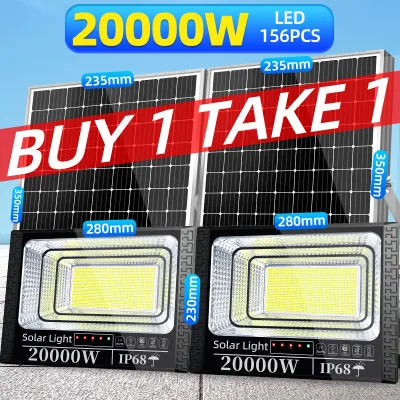
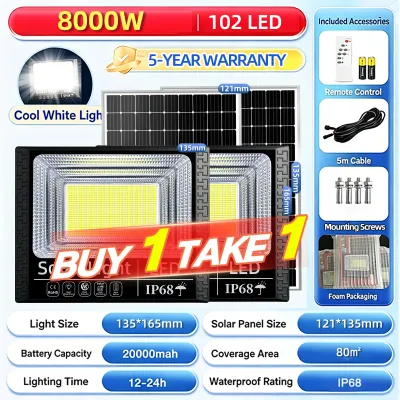
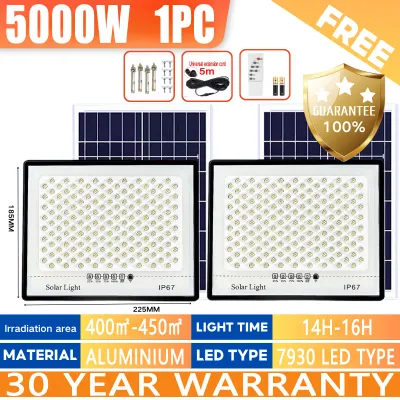
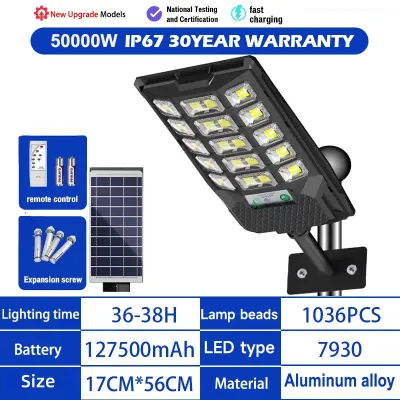
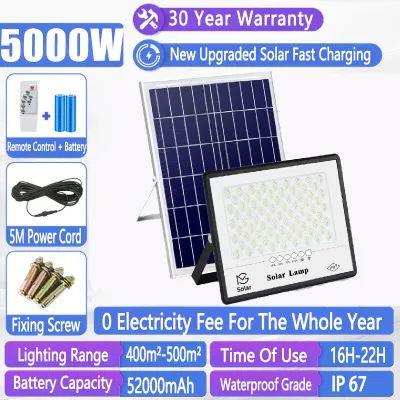
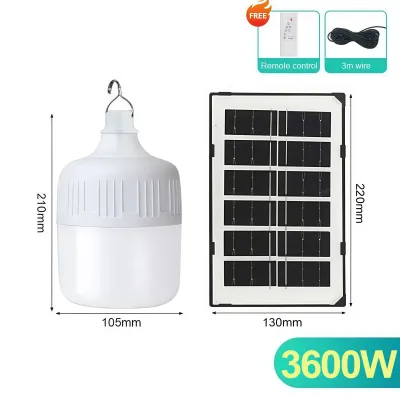
Prices are valid at publication and may change. Please refer to the product page for the latest price.
To avoid dark patches or uneven pools of light, check the product packaging for the manufacturer’s stated light spread width. This measurement helps determine the exact spacing required between each fixture along your walkway. In areas prone to heavy rain or high humidity, ensuring the path lights are securely staked into stable soil prevents them from shifting or leaning over time.
Flower Beds: Highlighting Features
Flower beds and garden borders offer an opportunity to showcase dramatic foliage, such as broad-leafed monsteras or vibrant ornamental plants. Adjustable spotlights with focused beam angles are an effective choice here, allowing you to direct a concentrated beam of light upward or forward to accentuate specific textures. Placing these fixtures at the base of a plant and angling the light upward can create striking shadows and depth against garden walls.
When positioning spotlights, consider the distance between the light source and the foliage to prevent physical interference or potential heat buildup, even though LED fixtures generally run cool. It is also important to check the color temperature indicated on the product label before purchasing. Cooler white temperatures can make green foliage look crisp and modern, while warmer white tones tend to highlight earthy textures and create a softer, more traditional garden feel. These color choices are conditional preferences rather than universal performance rules.
Patios: Ambiance and Gathering
Patios and outdoor dining areas serve as social hubs where harsh, direct lighting can disrupt the relaxed atmosphere. For these gathering spaces, decorative options like solar string lights, hanging lanterns, or festoon lights are excellent for creating an inviting, warm glow. Hanging these lights overhead or draping them along fences and pergolas helps define the boundaries of your living space while keeping the ground clear.
Before purchasing string lights, verify the total length of the cord and check the packaging for connectability limits if you plan to link multiple sets together. Opting for fixtures with lower lumen outputs and warmer color temperatures helps maintain a cozy, intimate environment suitable for long conversations. Additionally, ensure that any overhead mounting hardware is securely fastened to withstand sudden tropical gusts or heavy downpours.
Key Specifications to Check on the Product Label
Selecting a reliable solar panel light outdoor requires looking past the attractive packaging and carefully examining the technical specifications. The performance of any solar fixture depends heavily on the quality and capacity of its internal components.

First, inspect the label for details regarding the solar panel type and the battery capacity, usually measured in milliampere-hours (mAh). A larger battery capacity relative to the LED wattage generally supports a longer runtime, but this is always contingent on the panel receiving sufficient sunlight during the day. Verify whether the battery is a standard rechargeable type or a specialized lithium-ion cell, as this affects both longevity and future replacement options. You should also verify the cost in ₱ of compatible replacement batteries before purchasing to ensure long-term affordability.
Next, evaluate the brightness, measured in lumens, and the manufacturer’s stated runtime under optimal conditions. For path lights, a modest output of 10 to 80 lumens is typically sufficient, whereas spotlights may require 100 lumens or more to highlight tall features. Keep in mind that the stated runtime is a maximum estimate based on full solar exposure; actual performance will vary depending on daily weather patterns and seasonal cloud cover.
Weather resistance is a critical factor, especially in humid or rainy tropical climates. Look for the Ingress Protection (IP) rating on the product box, which consists of two numbers indicating protection against solids and liquids. For general outdoor use, a minimum rating of IP44 is recommended to withstand splashing water, while fixtures placed in low-lying areas prone to temporary pooling should feature a higher rating, such as IP65 or IP67.
Finally, check the label for integrated sensors and operating modes that can enhance convenience and conserve battery power. Many modern solar lights feature automatic dusk-to-dawn sensors that turn the light on when ambient light levels drop. Others include motion sensors that boost brightness when movement is detected, which is highly useful for security lighting, or manual on/off switches that allow you to save power when the lights are not needed. If you are considering hybrid models that connect to mains power, always verify the voltage, base/interface, wattage limit, and electrical certification to ensure compatibility and safety.
Placement and Maintenance for Optimal Performance
To maximize the lifespan and efficiency of your solar panel light outdoor, proper installation and routine upkeep are essential. Because these fixtures rely entirely on solar energy, their placement directly dictates how long and how brightly they will shine each night.
Position the solar panels in areas that receive unobstructed, direct sunlight for the majority of the day. Avoid placing them under the deep shade of trees, wide roof eaves, or adjacent walls, as even partial shading can drastically reduce the charging efficiency of the photovoltaic cells. If your chosen lighting location is naturally shaded, consider using fixtures with detached solar panels that can be mounted several meters away in a sunnier spot.
Regular maintenance is necessary to keep the solar panels operating at peak efficiency. Dust, pollen, bird droppings, and water spots can accumulate on the panel’s surface, blocking sunlight and reducing the charge rate. Wipe the panels gently with a soft, damp microfiber cloth at regular intervals, avoiding abrasive cleaners or rough scrubbing pads that could scratch the protective outer layer.
Battery care is another important aspect of long-term maintenance. Over time, rechargeable batteries lose their ability to hold a full charge and will eventually need to be replaced. Always consult the manufacturer’s instructions for the correct battery replacement intervals, compatible battery chemistry, and proper local disposal procedures to prevent environmental contamination.
For safety, always establish clear boundaries during installation. If you are mounting heavy fixtures overhead, modifying existing electrical structures, or placing lights near water features like ponds or swimming pools, consult a qualified professional. Ensure all fixed wiring, work at height, or high-voltage hybrid systems are handled by a licensed electrician to prevent electrical hazards and guarantee compliance with local safety standards. Always isolate the power source before performing any maintenance on wired components.
Frequently Asked Questions (FAQ)
Do solar panel lights work on cloudy or rainy days?
Yes, solar panel lights can still charge on cloudy or rainy days, but their efficiency is significantly reduced. Photovoltaic cells can utilize indirect sunlight filtered through clouds, but the energy generated is much lower than what is produced during a clear, sunny day. Consequently, you should expect a shorter runtime and potentially dimmer light output during consecutive overcast days. When planning your layout, check the product specifications for low-light performance indicators and ensure panels are placed where they can capture the maximum possible ambient light.
Can I replace the batteries in my solar garden lights?
Whether you can replace the batteries depends entirely on the design of the specific solar fixture. Many budget-friendly or highly compact models feature sealed housings that cannot be opened without damaging the weather-resistant seals, meaning the entire unit must be replaced once the battery fails. Conversely, mid-range and premium fixtures often have accessible battery compartments. Always check the user manual or product packaging to verify if the battery is replaceable, and only use the exact battery type and voltage specified by the manufacturer to avoid damaging the internal circuitry.

Community discussion
Share your experience or ask a question. Comments are reviewed before publication.