
Selecting the ideal stand lamp shade living room accessory for a Philippine home requires balancing functional illumination, aesthetic harmony, and tropical environmental resilience. There is no single universal option; instead, the right choice depends on whether you need diffused ambient light for family gatherings, focused task lighting for a reading corner, or a durable material that can withstand high humidity. By understanding how different shapes, materials, and sizes interact with your space, you can make an informed decision that enhances both the utility and beauty of your home.
Evaluating your living room’s layout, daily activities, and existing light sources is the first step in this process. From there, comparing common shade shapes will help you determine the exact lighting effect you need. Additionally, considering the unique challenges of a tropical climate ensures your chosen shade remains durable and safe for years to come.
Assessing Your Living Room Space and Lighting Needs
Philippine living rooms are dynamic spaces where families gather, children play, and guests are entertained. Because these rooms often serve multiple purposes, selecting the right stand lamp shade living room accessory requires a careful evaluation of your physical space. Before browsing styles, measure the available floor area and the height of your ceiling. A shade that is too wide can restrict movement in a compact condominium, while a shade that is too small will look lost in a spacious, high-ceilinged suburban home.
Products mentioned in this guide
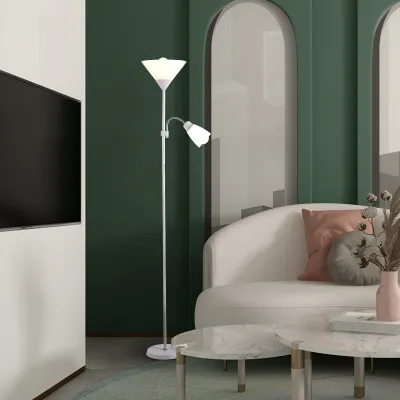
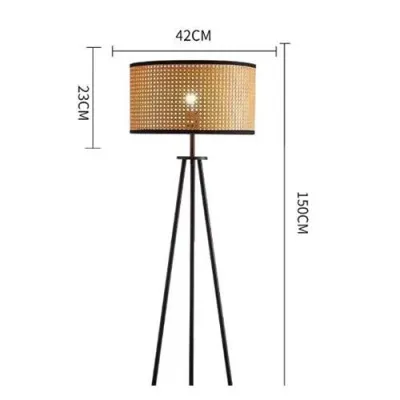
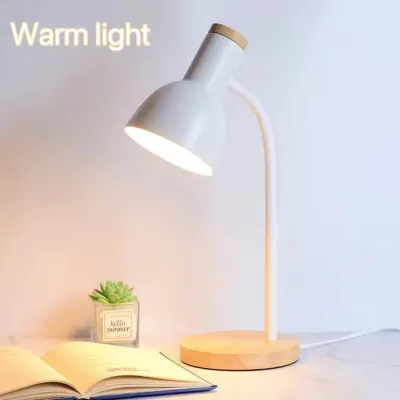
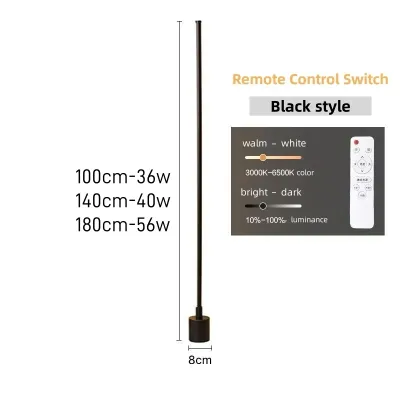
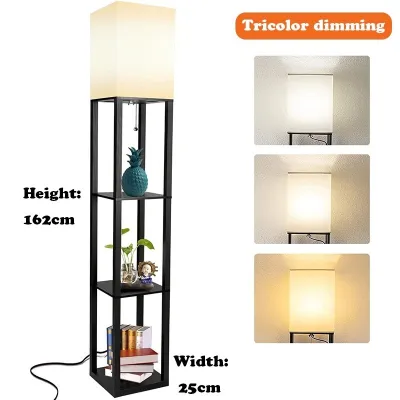
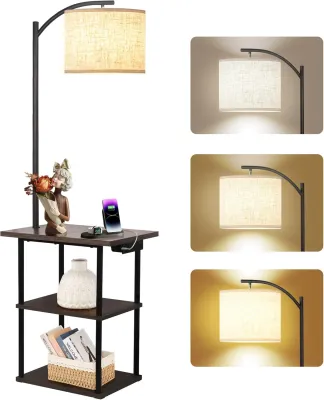

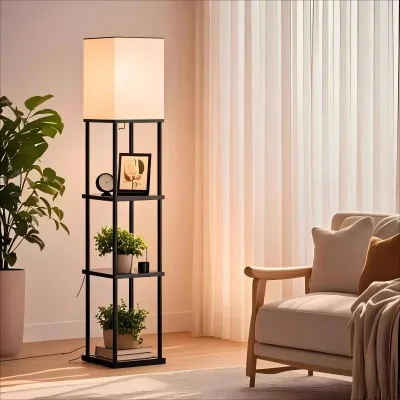
Prices are valid at publication and may change. Please refer to the product page for the latest price.
To maintain a balanced look, aim for a shade diameter that is proportional to your floor lamp’s base and the surrounding furniture. As a general guideline, the shade should not be wider than the table or seating next to which it sits. Additionally, ensure there is at least a 30-centimeter clearance between the outer edge of the shade and any major walkways. This prevents family members or guests from accidentally bumping into the lamp as they move through the room.
Next, identify the primary activities that take place in the specific area where the lamp will stand. If the lamp is positioned next to a sofa where you read or do close-up work, you will need a shade design that directs light downward. Conversely, if the lamp is meant to soften a dark corner or provide general illumination for the entire room, a shade that diffuses light outward is a more suitable choice.
Finally, take note of the existing light sources in your living room. Consider how much natural light the room receives during the day through windows or glass doors, and evaluate the placement of overhead fixtures like ceiling fans or recessed downlights. A floor lamp should fill in the gaps left by these primary light sources, reducing harsh shadows and creating a more layered, comfortable visual environment during the evening.
Comparing Common Shade Styles and Their Lighting Effects
The shape of a lamp shade directly dictates how light is distributed throughout your living room. Drum shades, which feature a uniform cylindrical shape with equal top and bottom diameters, are highly popular for their balanced light distribution. They allow light to escape evenly from both the top and bottom while diffusing a soft glow through the sides. This makes drum shades an excellent choice for general ambient lighting in seating areas where people gather to socialize.

Cone and bell shades offer a different lighting dynamic by tapering toward the top. A cone shade has straight, sloping sides, while a bell shade features a gentle, outward curve at the bottom. Both styles direct the majority of the light downward in a wide, focused pool. This concentrated illumination is ideal for task-oriented zones, such as a reading nook or a corner desk, where clear visibility is essential for comfort.
Empire and coolie shades are classic options that feature a more pronounced slope. An empire shade has a top diameter that is roughly half the size of its bottom diameter, while a coolie shade has a very wide, flared bottom and a narrow top. These shapes excel at focusing light downward while significantly reducing upward glare toward the ceiling. They are particularly useful in rooms with low ceilings, as they prevent the light from reflecting harshly off the ceiling surface.
For those looking to add a contemporary touch, tiered or multi-layered shades feature overlapping sections of material. These designs create a striking visual statement and help soften the glare from high-wattage bulbs by breaking up the light path. However, the multiple layers and crevices can accumulate dust and airborne particles more quickly. If you choose a tiered design, be prepared for more frequent cleaning to maintain its appearance and light output.
Evaluating Shade Materials for Tropical Indoor Climates
The tropical climate of the Philippines, characterized by high humidity and seasonal temperature shifts, plays a significant role in how lamp shade materials perform over time. When selecting a stand lamp shade living room fixture, it is essential to check the manufacturer’s labels for humidity resistance and specific care instructions. Some materials are highly sensitive to moisture and may degrade quickly if placed in poorly ventilated areas.
Easy-to-clean, non-porous materials like powder-coated metal, treated glass, and high-quality plastics are exceptionally resilient in humid environments. These surfaces do not absorb moisture, making them highly resistant to mold and warping. They can be easily wiped down with a dry or slightly damp microfiber cloth, making them low-maintenance options for busy households or open-air living spaces.
In contrast, porous materials such as raw linen, cotton, silk, and untreated paper require more careful consideration. In high-humidity conditions, these fabrics can absorb moisture from the air, which may lead to sagging, staining, or the growth of mildew. If you prefer the soft look of fabric shades, ensure your living room has consistent ventilation, and avoid placing the lamp near open windows where rain or damp air can directly reach it.
Heat tolerance is another critical factor when evaluating shade materials. Verify the maximum recommended bulb wattage for both the lamp socket and the shade itself. High-wattage incandescent bulbs generate substantial heat, which can discolor fabric shades, warp plastics, or create safety hazards. Opting for energy-efficient LED bulbs is a practical solution, as they emit minimal heat and are highly compatible with almost all shade materials.
Natural materials like rattan, bamboo, abaca, and capiz shells are highly sought after for their organic, tropical aesthetic. However, do not assume these materials are automatically durable or pest-resistant. Always verify with the manufacturer that the natural fibers have been properly treated, sealed, or lacquered. Untreated natural materials can attract insects or develop mold when exposed to persistent indoor humidity.
Matching the Shade to Your Interior Design Theme
A floor lamp should not only provide functional light but also complement the overall design theme of your living room. For modern minimalist interiors, look for shades with clean lines, simple geometric shapes, and neutral colors. A white, cream, or matte black drum shade made from untextured fabric or sleek metal integrates seamlessly into minimalist spaces, providing clean illumination without cluttering the visual landscape.
If your home embraces a tropical or resort-inspired aesthetic, woven textures and organic shapes are ideal. Shades made from treated rattan, bamboo, or woven grasses add warmth and tactile interest to the room. When lit, these textured shades often cast beautiful, intricate shadow patterns on the walls, enhancing the cozy, relaxed atmosphere of a tropical living space. Ensure the lamp base is sturdy enough to visually anchor these textured designs.
For industrial or contemporary living rooms, metal shades, wireframe structures, and designs with exposed hardware work exceptionally well. These materials offer a sleek, utilitarian look that pairs perfectly with exposed brick, concrete, or dark wood elements. Metal shades are also highly durable and easy to maintain, making them a practical choice for high-traffic areas.
The interior lining of the lamp shade is a crucial detail that is often overlooked. The color and material of the lining directly affect the warmth of the emitted light. A white or silver lining reflects a cooler, brighter light that is excellent for reading and task work. A gold, brass, or cream lining warms up the light, creating a soft, golden glow that enhances the cozy ambiance of your living room during the evening. Use color swatches or test the lamp in different areas of the room to see how the lining interacts with your existing decor.
Verifying Fit, Stability, and Electrical Safety
Ensuring physical and electrical compatibility between your chosen shade and the lamp base is vital for safety and performance. Before purchasing, identify the fitter type required by your lamp base. The most common types are spider fitters, which sit on a metal harp and are secured with a decorative finial; uno fitters, which screw directly onto the light socket; and clip-on fitters, which attach directly to the bulb. Match the fitter type and the ring diameter precisely to avoid a loose, unstable shade.
Always check the maximum wattage rating printed on the lamp socket. Exceeding this limit can cause the socket to overheat, damaging the shade material and posing a serious fire hazard. Additionally, ensure the lamp is compatible with the standard Philippine voltage of 220V. Look for official safety certification marks, such as the Philippine Standard (PS) or Import Commodity Clearance (ICC) marks, on the product packaging to verify compliance with local safety standards.
Stability is another key safety consideration, particularly in busy living rooms where children, pets, or guests might accidentally bump into the furniture. Confirm that the overall height and weight of the shade are proportional to the lamp base. A heavy glass, metal, or large woven shade requires a heavy, solid base—such as cast iron, marble, or thick wood—to prevent the lamp from tipping over easily.
If you plan to make any electrical modifications, such as installing smart switches, adding inline dimmers, or if you notice any signs of wear like frayed cords or flickering lights, prioritize safety. Always isolate the power source by unplugging the lamp or turning off the circuit breaker. For any complex wiring tasks or repairs, consult a qualified electrician to ensure the work is completed safely and in accordance with electrical codes.
Frequently Asked Questions (FAQ)
Can I use a fabric shade in a living room with high humidity?
Yes, you can use a fabric shade, but you must take steps to protect it from moisture damage. Always check the manufacturer’s care label for specific humidity thresholds and indoor usage limits. Ensure your living room has adequate ventilation, such as running a ceiling fan or air conditioning, to prevent damp air from settling on the fabric. Avoid placing the lamp near open windows or doors where sudden tropical rain showers or high outdoor humidity can directly affect the material.
How do I clean a woven or textured stand lamp shade?
To clean a woven or textured shade safely, use a soft brush attachment on a vacuum cleaner or a dry microfiber cloth to gently remove dust from the crevices. Avoid using liquid cleaners, wet sponges, or submerging the shade in water, as moisture can warp natural fibers like rattan, rust metal frames, or leave permanent water stains on delicate fabrics. Always refer to the manufacturer’s cleaning instructions for specific material care.

Community discussion
Share your experience or ask a question. Comments are reviewed before publication.