
A well-suited table lamp for a living room center table—often referred to locally as a senter table sala—balances soft, glare-free illumination with a physical design that does not disrupt the flow of conversation. Because a center table sits in the middle of the room, any lamp placed on it is highly visible from every angle and must serve as a beautiful, 360-degree visual anchor. The right choice combines a stable, proportional base with a shade that diffuses light comfortably at eye level, creating a warm and inviting atmosphere for family gatherings.
Selecting this lighting fixture requires looking beyond simple aesthetics. You must consider how the lamp interacts with the surrounding seating, the physical dimensions of your table, and the unique environmental conditions of your home. By focusing on scale, materials, and safety, you can turn a basic lighting source into a functional centerpiece that elevates your entire living space.
Understanding the Lighting Role of a Center Table
Placing a lamp on a central living room table serves a very different purpose than placing one on a side table or a desk. Instead of providing focused task lighting for reading, a center table lamp is designed to offer soft ambient or accent lighting. It fills the middle of the room with a warm glow, bridging the gap between bright overhead ceiling lights and darker corners. This mid-level lighting is essential for creating a cozy, layered atmosphere during evening relaxation.
Products mentioned in this guide
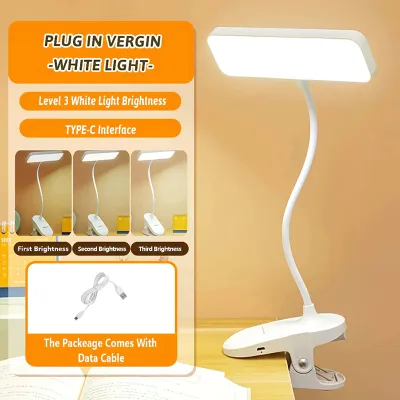
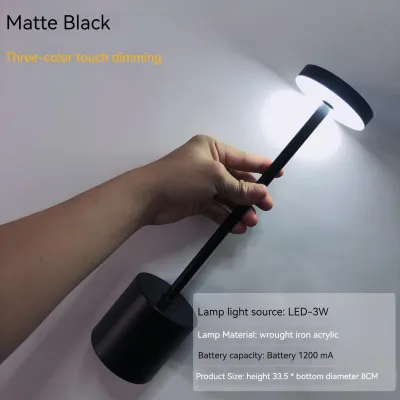
Prices are valid at publication and may change. Please refer to the product page for the latest price.
Because the center table is positioned in the open, the lamp is exposed to 360-degree visibility. There is no wall to hide messy cords, unfinished backplates, or awkward angles. Every side of the lamp must be visually appealing and meticulously finished. This all-around exposure means the design of the base and the neatness of the assembly are just as important as the light it emits.
Another critical factor is maintaining clear sightlines across the room. The sala is a place for conversation, storytelling, and laughter. If a table lamp is too tall, too wide, or features an incredibly bulky shade, it acts as a physical barrier between people sitting on opposite sofas. Choosing a design that allows face-to-face interaction without forcing guests to lean sideways is key to a comfortable seating arrangement.
Key Design Elements for Your Senter Table Sala
To choose a lamp that enhances your living room, you must evaluate how its style coordinates with your existing furniture. The center table is the focal point of the sala, meaning any item placed on it will draw immediate attention. A well-chosen lamp should complement the textures, colors, and materials of your sofas, rugs, and entertainment units rather than competing with them.

The overall visual impact of the lamp relies on the relationship between its base and its shade. A heavy, textured base paired with a delicate, sheer shade can look unbalanced, just as a very thin base with an oversized shade can feel top-heavy. Balancing these two components ensures the lamp looks like a cohesive piece of art even when the light is turned off.
Matching Base Materials to Your Decor
Ceramic and glass bases are practical choices for modern, transitional, or coastal living rooms. A clear or tinted glass base offers a lightweight, airy quality that prevents a small center table from looking cluttered. Ceramic bases, with their rich glazes and varied textures, can introduce a pop of color or a sophisticated matte finish that grounds the room’s design.
For homes embracing a rustic, tropical, or bohemian aesthetic, natural materials like wood, rattan, or woven bamboo are ideal. These materials bring warmth and organic texture to the sala, echoing the natural beauty of tropical landscapes. However, when selecting natural wood or woven fibers in humid climates, it is important to verify that the material has been properly treated, sealed, or varnished to prevent warping, mold, or insect damage over time.
If your home features an industrial or minimalist style, metal or stone bases provide a sleek, structured look. A solid marble, concrete, or heavy iron base offers exceptional stability. This physical weight is a major advantage for a center table lamp, as it prevents the fixture from easily tipping over if the table is bumped during busy family gatherings or by active pets.
Selecting Shade Designs for Ambiance
Fabric and paper shades are the traditional choices for creating soft, diffused ambient lighting. Linen, cotton, and parchment shades gently scatter light outward, softening shadows and creating a relaxing environment. In tropical regions with high humidity, high-quality fabric shades are generally more durable than paper alternatives, which can sag, warp, or discolor when exposed to moisture in the air.
Metal, glass, or dark-lined fabric shades offer a different lighting effect by directing the light downward or upward rather than diffusing it outward. A metal dome shade, for example, concentrates light onto the tabletop surface, highlighting decorative trays, books, or floral arrangements. This directional lighting is highly effective at reducing direct glare, provided the bulb itself is shielded from the direct line of sight of seated guests.
The shape of the shade also dictates how light spreads across your center table. Drum shades provide a clean, modern silhouette and distribute light equally from the top and bottom. Empire and bell shades, which flare out at the bottom, cast a wider pool of light downward onto the table surface while narrowing the light directed upward. This flared design is highly functional for illuminating the center of the sala while keeping the light source comfortable for those sitting nearby.
Sizing and Proportions for the Center Table
Achieving the correct proportions is the most important step in selecting a center table lamp. If the lamp is too large, it will dominate the room and leave no space for practical items like coffee cups, remote controls, or books. If it is too small, it will look lost and fail to provide adequate light.
To find a suitable height, sit on your living room sofa and measure the height from the floor to your eye level. Ideally, when the lamp is placed on the center table, the bottom of the lampshade should sit at or slightly below your eye level. This placement ensures that you are not staring directly into an exposed, bright lightbulb while chatting or watching television. For a standard center table that stands around 40 to 50 centimeters high, a lamp height of 55 to 65 centimeters usually provides a comfortable balance of light distribution and clear sightlines.
The diameter of the lamp base and shade must also leave plenty of usable surface area on your table. As a general rule, the widest part of the lamp—usually the bottom of the shade—should not occupy more than one-third of the table’s narrowest width. If you have a round center table with a diameter of 90 centimeters, your lampshade should not exceed 30 centimeters in width, leaving ample room around the perimeter for daily use.
Visual weight is another crucial factor in maintaining balance. A solid, dark, or heavily textured lamp has a high visual weight and works best on a large, sturdy wooden or stone table. Conversely, a delicate glass, slender metal, or light-colored lamp has a lower visual weight, making it highly suitable for smaller tables or glass-topped center tables where you want to maintain a sense of openness and space.
Practical Electrical and Safety Checks
Because a center table sits in the middle of the room, away from walls, managing electricity safely is a unique challenge. A loose power cord stretching across the floor is a severe tripping hazard for family members and guests. Before purchasing a lamp, plan exactly how you will route the power cord to the nearest wall outlet.
If your living room does not have a floor outlet directly beneath the center table, you must secure the cord safely. You can run the cord down a table leg using clear, non-damaging adhesive clips, and then route it under a thick area rug to the wall. If the cord must cross an open walkway, always use a flat, heavy-duty rubber cord protector to prevent trips and protect the wire from wear. Alternatively, consider choosing a modern, high-quality cordless table lamp that runs on a rechargeable battery, completely eliminating the need for cords in the middle of the room.
Always verify the electrical specifications of the lamp to ensure compatibility with local power standards. In the Philippines, household electricity is supplied at 220 volts and 60 hertz. Check that the lamp’s socket, plug, and internal wiring are rated for this voltage, and look for safety certification marks on the product label. Ensure the lamp uses a standard, easily replaceable bulb base, such as an E27 screw base, which is widely available in local hardware stores.
Using the correct bulb type is essential for safety and comfort. LED bulbs are highly recommended because they consume very little energy and emit minimal heat compared to old incandescent bulbs. In a warm, tropical climate, the last thing you want is a table lamp that adds noticeable heat to your living space. Opt for a warm white LED bulb (around 2700K to 3000K) with a low wattage to keep the atmosphere cozy, relaxed, and cool.
Finally, consider how easy it is to turn the lamp on and off. An inline switch located halfway down the power cord can be incredibly frustrating to reach if the cord is tucked under the table or behind a rug. Look for lamps with a switch located directly on the socket, a pull chain, or a touch-sensitive base. These designs allow you to easily control the light without having to bend down or reach awkwardly under the center table.
Frequently Asked Questions (FAQ)
Can I use a desk lamp on a living room center table?
While you can physically place a desk lamp on a center table, it is generally not recommended for everyday living room use. Desk lamps are engineered for task lighting, projecting a focused, concentrated beam of light downward onto a workspace. On a center table, this directional light can create harsh shadows, leave the rest of the room feeling dark, and cause uncomfortable glare for anyone sitting nearby. If you love the look of a specific desk lamp, ensure it is fitted with a very low-wattage, warm bulb, and angle the head away from seating areas to minimize eye strain.
How do I hide the power cord on a center table?
To keep your living room safe and visually clean, start by securing the power cord flat against one of the table legs using clear adhesive wire clips or matching hook-and-loop straps. Once the cord reaches the floor, you can run it underneath a large area rug directly to the nearest wall outlet, ensuring the cord lies completely flat to prevent a bump in the rug. If the cord must cross a high-traffic walkway, use a low-profile rubber cord cover that grips the floor. For a completely clutter-free look, a rechargeable, cordless LED table lamp is an excellent modern alternative.

Community discussion
Share your experience or ask a question. Comments are reviewed before publication.