
Selecting the right UFO solar lights for your outdoor space depends on matching their unique circular design to the specific functional needs of your pathways, patios, and garden beds. These distinct, disc-shaped fixtures offer a wide, 360-degree light distribution that can either illuminate a broad walking path, cast a warm glow over an outdoor dining table, or highlight the lush textures of tropical foliage. By evaluating key technical specifications—such as ingress protection, lumen output, and mounting configurations—you can select fixtures that withstand local weather patterns while creating a beautifully balanced landscape.
Understanding Core Specs for Outdoor Zones
To make an informed choice, start by examining the product label for solar panel and battery specifications. Monocrystalline solar panels generally offer higher conversion efficiency in compact spaces, which is particularly beneficial during overcast days or the rainy season. Check the battery capacity, typically listed in milliampere-hours (mAh), to estimate how much energy the fixture can store. A larger capacity generally supports longer runtimes, provided the panel receives sufficient daily sunlight to charge the battery fully.
Water and dust resistance are critical for any outdoor installation. Look for the Ingress Protection (IP) rating on the packaging. For open garden areas exposed to heavy tropical downpours, an IP65 rating or higher is typically recommended to prevent water intrusion from damaging the internal circuitry. Lower ratings may suffice for sheltered patio areas, but fully exposed pathways and garden beds require robust sealing.
Products mentioned in this guide
![[Free shipping]500000W UFO solar street light outdoor waterproof IP67 heavy duty Outdoor Lighting garden Led lamp with motion sensor led light solar lights with solar panel](https://img.lazcdn.com/g/p/44cfe23a59423aa8929ee904103063ef.jpg_400x400q80.jpg_.webp)
![[Free shipping]UFO Solar Street Light Outdoor Waterproof IP67 500000W Heavy Duty Energy Saving Solar Lights Garden Motion Sensor Automatic Spot light With Solar Panel remoter control Stable light Radar mode](https://img.lazcdn.com/g/p/e73335a25f9b4b262940cb6832af8352.jpg_400x400q80.jpg_.webp)
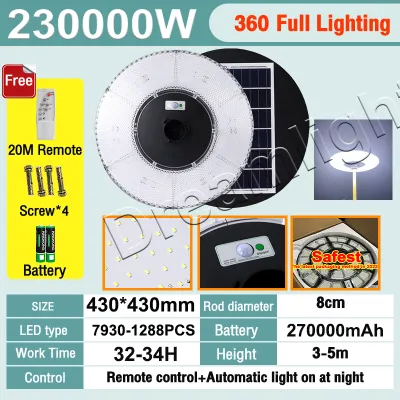
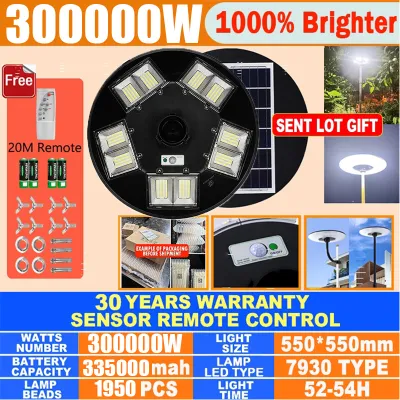
![[Truth watts]500000W UFO solar street light outdoor waterproof IP67 heavy duty Outdoor Lighting garden Led lamp with motion sensor led light solar lights with solar panel](https://img.lazcdn.com/g/p/f24aad0a835da72818a617a939c32609.jpg_400x400q80.jpg_.webp)
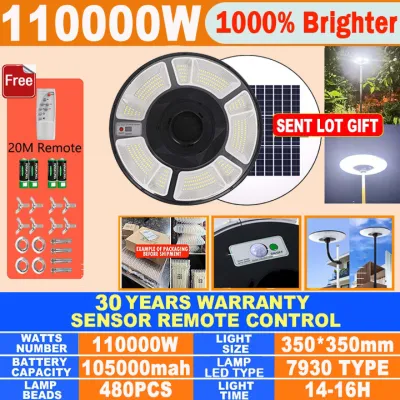
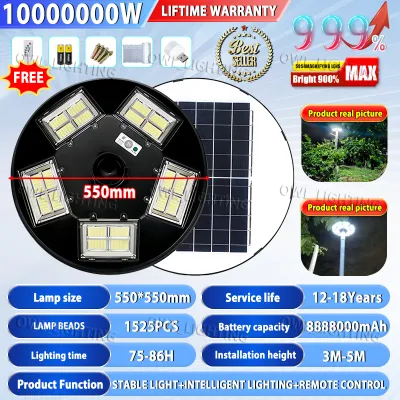
Prices are valid at publication and may change. Please refer to the product page for the latest price.
Brightness and visual warmth are determined by lumens and color temperature, measured in Kelvin (K). Lumens indicate the total amount of visible light emitted by the fixture. For subtle accent lighting, lower lumen counts are ideal, whereas functional pathway safety demands higher output. Color temperature dictates the mood: cooler temperatures (5000K and above) mimic daylight and provide crisp visibility, while warmer temperatures (2700K to 3000K) offer a soft, inviting glow.
Finally, assess the physical dimensions, mounting versatility, and electrical certifications of the UFO design. These circular fixtures come in various diameters and support different installation methods, including ground stakes, wall mounts, or hanging brackets. Verify that the product carries recognized electrical safety certifications and check the manual for any specific wattage limits or base interface requirements if you are considering a hybrid solar-wired model.
Matching Brightness and Angles for Pathways
Pathway lighting requires a careful balance between safety and visual comfort. When selecting UFO solar lights for walkways, prioritize models designed with downward-facing beam angles. Because UFO lights naturally distribute light in a wide circle, downward shielding or angled optics help direct the illumination onto the walking surface, preventing glare from shining directly into the eyes of pedestrians.

The brightness of your pathway lights should be sufficient to reveal steps, elevation changes, and potential tripping hazards without overpowering the natural darkness of the surrounding garden. Check the manufacturer’s specifications to find a lumen level that provides clear visibility along the ground. Overly bright lights can create harsh contrast, making it more difficult for your eyes to adjust to the darker areas of your yard.
Proper spacing is essential to avoid creating alternating patches of bright light and deep shadow. Calculate the spacing between your UFO fixtures by reviewing the estimated beam spread or coverage area listed in the product manual. Placing the lights close enough to allow the edges of their light pools to overlap slightly will create a continuous, safe path of travel.
Ground stability is another key factor for pathway installations, especially in regions with soft, sandy, or highly saturated clay soils. Verify the length and material of the included ground stakes. Longer, heavy-duty stakes provide better anchorage, ensuring the circular UFO fixtures remain upright and level over time, even during periods of heavy wind and rain.
Creating Comfortable Patio Illumination
Patios and outdoor seating areas serve as social hubs, requiring lighting that fosters relaxation and conversation. For these zones, opt for UFO solar lights with warmer color temperatures, typically between 2700K and 3000K. This warm, golden light mimics traditional incandescent bulbs, creating a cozy and welcoming atmosphere for evening meals or family gatherings.
To prevent discomfort while seated, look for fixtures that feature adjustable brightness settings or integrated diffused covers. Diffused lenses scatter the light gently, reducing harsh shadows and eliminating the intense glare that can occur with exposed light-emitting diodes (LEDs). Verify the dimming method—whether it uses a remote control, step-dimming buttons, or automatic light sensors—to ensure it matches your preferred level of convenience.
Elevated mounting options are highly effective for distributing light evenly across patio tables and seating arrangements. Hanging UFO solar lights or wall-mounted brackets can elevate the light source above eye level, casting a broad, downward pool of light that covers the entire gathering space. When installing suspended loads or hanging fixtures, always follow the manufacturer’s weight limits and mounting instructions to prevent safety hazards.
Consider the physical footprint of the UFO design in relation to your patio layout. In compact outdoor spaces, large fixtures can feel visually intrusive or physically obstruct movement. Choose a slim, low-profile UFO design that complements your patio furniture and architectural lines without cluttering the overhead space or blocking views of the night sky.
Highlighting Plants and Landscape Features
Using UFO solar lights in garden beds allows you to showcase the unique shapes, textures, and colors of your plants. Select directional or adjustable UFO fixtures that let you angle the light beam toward specific focal points, such as ornamental shrubs, statues, or the trunks of mature trees. This targeted approach adds depth and drama to your landscape design.
Matching the color temperature of your lights to your foliage types can dramatically enhance their natural beauty. Cooler light temperatures (around 4000K to 5000K) tend to make green foliage look vibrant and crisp, highlighting the lushness of ferns and broad-leafed tropical plants. Conversely, warmer light temperatures are excellent for highlighting the rich, earthy tones of flowering plants, wooden structures, or decorative stone pathways.
Careful positioning is necessary to create appealing visual effects while maintaining comfort. Place the fixtures so they cast interesting shadows behind or through the plants, a technique known as silhouetting or shadowing. Ensure the light source is angled away from primary viewing areas, such as patios or windows, so the bright LEDs do not shine directly into anyone’s eyes.
Keep future plant growth and routine garden maintenance in mind when placing your fixtures. Ensure that the height of the UFO light and its stake placement allow room for plants to mature without blocking the solar panel. Additionally, position the lights clear of lawnmowers, trimmers, and foot traffic to prevent accidental damage during regular yard care.
Verifying Weather Resistance and Safe Placement
To ensure reliable performance, verify that the solar panel on your UFO light receives unobstructed, direct sunlight for the full duration specified in the manufacturer’s manual. In tropical climates, seasonal cloud cover and heavy rainfall can reduce charging efficiency, making optimal panel placement crucial. Avoid placing fixtures directly under dense tree canopies or roof overhangs that block the sun.
Check the manufacturer’s IP rating and operating temperature limits to confirm the light can withstand local environmental conditions. High humidity, intense heat, and torrential rains require durable housing materials, such as UV-resistant plastics or corrosion-resistant metals, along with high-quality rubber gaskets to seal the battery and electronic compartments.
Avoid installing solar fixtures in low-lying garden areas prone to standing water or pooling during heavy storms. Even highly rated IP65 or IP67 fixtures are generally not designed for continuous submersion unless explicitly certified for underwater use. Additionally, position the lights away from direct spray zones of automatic sprinkler systems to minimize unnecessary wear on the seals.
If you plan to integrate solar fixtures with an existing hardwired landscape lighting system, prioritize safety. Always isolate the power supply of the hardwired system before performing any installation or maintenance nearby. If you are unsure about electrical compatibility, wiring configurations, or safe placement near existing high-voltage lines, stop the installation and consult a qualified professional.
Frequently Asked Questions (FAQ)
How long do UFO solar lights typically last on a full charge?
To determine the expected runtime, check the manufacturer’s product label or manual for the stated operating hours under optimal charging conditions. Actual performance varies based on daily sunlight exposure, the age of the rechargeable battery, and seasonal weather patterns. During periods of extended cloud cover, the light may run for a shorter duration than specified.
Can I replace the batteries inside my UFO solar lights?
Review the product manual to verify if your specific UFO solar light features a user-replaceable battery compartment. Some models allow you to swap out old rechargeable batteries to extend the life of the fixture. However, you should avoid opening sealed, non-replaceable units, as doing so will compromise the IP weatherproofing rating and void the manufacturer’s warranty.
Do UFO solar lights work in shaded garden areas?
Solar panels require direct sunlight to charge their internal batteries effectively. If placed in deeply shaded garden beds or under thick tree canopies, the lights may fail to charge fully, resulting in dim output or short runtimes. For shaded areas, consider choosing UFO models that feature a detachable solar panel, allowing you to mount the panel in a sunny spot while running a cable to the light fixture in the shade.

Community discussion
Share your experience or ask a question. Comments are reviewed before publication.