
The ideal fairy lights for a backdrop depend on the desired visual density, the physical frame, and the installation environment. While curtain and net lights offer broad, even coverage for portraits, standard waterproof string lights provide versatile outlining for custom shapes. Selecting the right configuration requires balancing aesthetic goals with practical setup needs, especially when dealing with outdoor weather conditions and power accessibility.
In tropical climates where sudden rain showers and high humidity are common, selecting the correct specifications is crucial for both safety and performance. By understanding the different styles, verifying technical labels, and planning a secure installation, you can create a stunning, reliable backdrop for any photo shoot or event.
Understanding Fairy Light Styles for Backdrops
Curtain lights consist of a main horizontal cord from which multiple vertical light strands hang down. This design is highly effective for creating a dense, waterfall-like wall of light. When placed behind sheer fabrics like tulle or organza, curtain lights diffuse beautifully, making them a popular choice for formal photo booths and stage backdrops.
Products mentioned in this guide
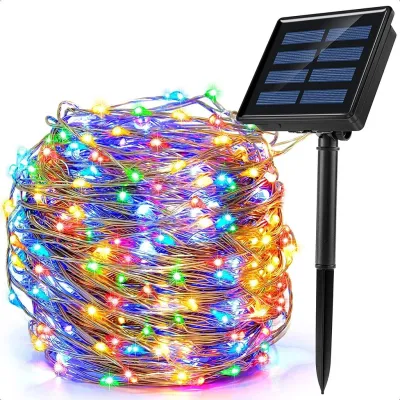
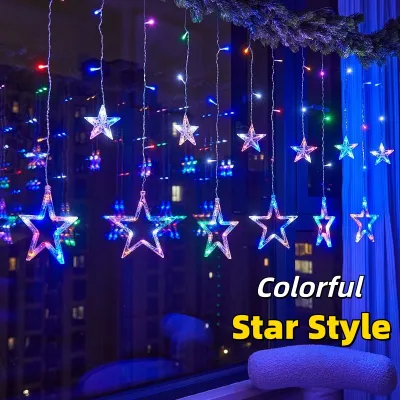
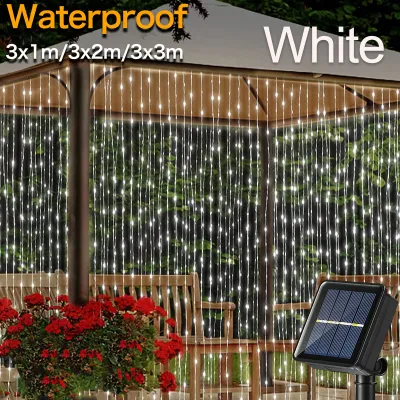
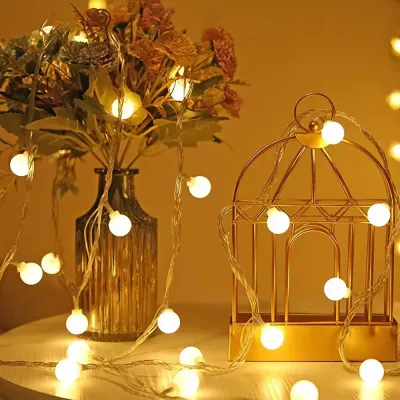
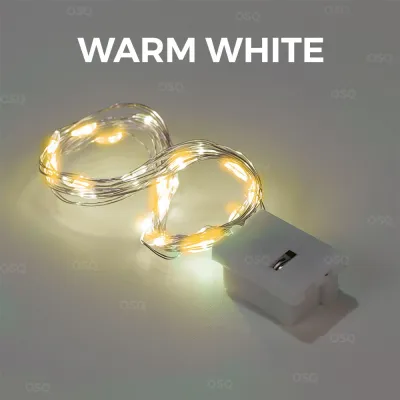
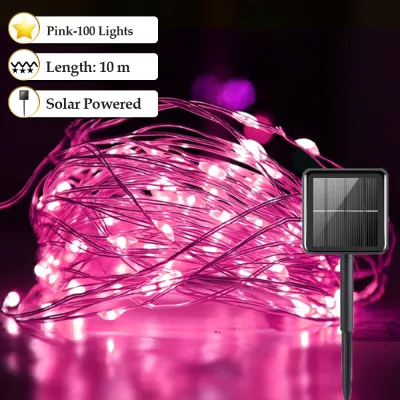
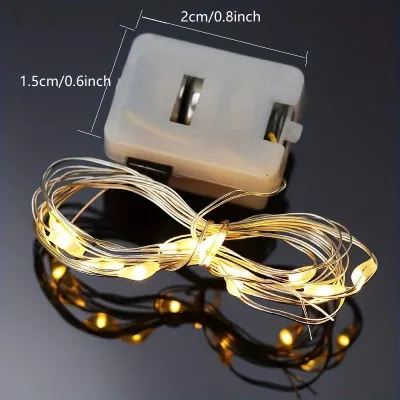
Prices are valid at publication and may change. Please refer to the product page for the latest price.
Net lights feature a pre-woven grid pattern that simplifies the process of covering large, flat surfaces. Instead of hanging individual strands, you can drape a single net over a rectangular backdrop frame or a green foliage wall. This configuration ensures perfectly even horizontal and vertical spacing between bulbs, saving significant setup time during busy event preparations.
Standard waterproof string lights consist of a single continuous wire with bulbs spaced at regular intervals. This classic style offers the greatest flexibility for custom designs. You can wrap them around support poles, weave them through floral arrangements, or outline geometric shapes on a custom-built wooden backdrop frame.
Icicle lights feature alternating vertical drops of different lengths, mimicking natural dripping ice. While traditionally used for rooflines, they add a unique textured, dripping edge when hung along the top perimeter of an outdoor backdrop frame. This style works well for rustic or whimsical themes, drawing the eye upward and framing the top of the photo area.
Essential Specifications for Outdoor and Event Use
When planning an event, verifying technical specifications on product labels is essential to ensure safety and durability. The first detail to check is the Ingress Protection (IP) rating. For outdoor setups exposed to humidity, dew, or sudden rain, look for at least an IP44 rating, which protects against splashing water. For complete peace of mind in open-air garden venues, an IP65 rating provides superior protection against water jets and dust.

Power source accessibility dictates how you manage your venue layout. Plug-in fairy lights offer consistent, reliable brightness throughout long events, but they require proximity to electrical outlets and careful cable routing. Solar-powered options are highly convenient for outdoor night events, though their performance depends entirely on daytime sun exposure to charge the batteries. Battery-operated packs offer maximum portability for quick, temporary setups, but you must verify the expected runtime to ensure they last the entire duration of your event.
Color temperature significantly influences the mood of your photos and how camera sensors capture the scene. Warm white lights (typically 2700K to 3000K) emit a cozy, inviting glow that flatters skin tones and complements rustic or classic wedding themes. Cool white lights (5000K and above) provide a crisp, modern aesthetic but may require manual white balance adjustments on cameras to avoid a harsh, blue-tinted look. Always choose LED bulbs, as they emit minimal heat, reducing fire risks when placed in direct contact with fabrics or foliage.
The physical construction of the light set affects both aesthetics and durability. Inspect the wire color and material thickness before purchasing. Clear or silver wires blend seamlessly against white drapes or sheer fabrics, while green or black wires are ideal for foliage walls and dark wooden structures. Ensure the wire insulation is thick and flexible enough to withstand repeated bending, hanging, and tension during installation.
Planning Dimensions and Safe Installation
Accurate measurements prevent last-minute setup delays. Begin by measuring the height and width of your backdrop frame. If you are using curtain lights, the main horizontal support wire should match the width of your frame. For standard string lights, calculate the total length needed by multiplying the height of the frame by the number of vertical columns you plan to drape, adding an extra two to three meters to account for slack, wrapping, and reaching the nearest power outlet.
Securing your lights safely requires non-damaging mounting hardware that matches your frame material. For metal pipe-and-drape systems, plastic zip ties or spring-loaded backdrop clips provide a secure hold without slipping. If you are working with a painted wooden frame, removable adhesive hooks are an excellent choice to prevent surface damage. Never use staples, nails, or tacks directly over the wires, as they can easily pierce the protective insulation and create severe electrical hazards.
Cable management is critical for guest safety, especially in high-traffic photo booth areas. Keep all electrical plugs, splitters, and extension cord connections elevated off the ground, particularly on damp grass or outdoor surfaces. Use heavy-duty gaffer tape or rubber cord protectors to secure cables running across walkways, eliminating tripping hazards. If you are connecting multiple light sets together, verify the manufacturer’s limit on end-to-end connections to prevent overloading the circuit.
While most fairy light installations are straightforward, certain scenarios require professional assistance. If your backdrop design involves complex overhead rigging, suspended loads over guests, integration with permanent venue electrical panels, or working at heights that require scaffolding, stop and consult a qualified professional. Prioritizing electrical safety and structural integrity ensures a beautiful, hazard-free event.
Matching Light Configurations to Event Scenarios
For weddings and formal portraits, the goal is soft, flattering, and elegant illumination. Prioritizing warm white curtain lights placed behind a layer of sheer white chiffon creates a classic “wall of stars” effect. This setup diffuses the light beautifully, producing a soft background glow and a pleasing circular bokeh effect in professional portrait photography.
Outdoor parties and lively festivals demand durable, highly visible lighting that can withstand changing weather. Utilizing heavy-duty, IP65-rated waterproof string lights wrapped tightly around wooden pillars or woven through rustic pallets ensures the installation remains safe and vibrant, even if a sudden tropical downpour occurs during the festivities.
Intimate gatherings, indoor apartments, or temporary pop-up booths benefit from minimal cable clutter. Opting for battery-operated copper wire fairy lights allows you to place the backdrop anywhere in the room without worrying about finding a nearby wall outlet or taping down long extension cords. The thin, flexible copper wire can be easily molded around small decorative props or table frames for a clean, minimalist look.
Frequently Asked Questions (FAQ)
Can I use indoor fairy lights for an outdoor backdrop?
Using indoor-rated fairy lights for an outdoor backdrop is highly discouraged due to safety and durability risks. Indoor lights lack the specialized weatherproofing seals and robust insulation required to withstand outdoor elements. Exposure to morning dew, high humidity, or unexpected rain can easily cause electrical short circuits, damage the light controller, or present a shock hazard. Always verify the IP rating on the product packaging to confirm the lights are certified for outdoor use before installing them outside.
How do I prevent fairy lights from tangling during setup?
Preventing tangles starts with careful handling during unboxing and packing. When setting up, keep the light strands bundled or tied together until you have secured the main horizontal support wire to your backdrop frame. Once the main wire is anchored, untie and drop each vertical strand one by one. When dismantling the setup, wind the lights systematically around a sturdy piece of cardboard or a dedicated storage reel, starting from the end furthest from the plug, to ensure a smooth, frustration-free installation at your next event.

Community discussion
Share your experience or ask a question. Comments are reviewed before publication.