
Finding the best waterproof outdoor solar lights for your home in the Philippines requires looking beyond generic product listings and focusing on how well a fixture can survive intense tropical weather. Because the local climate subjects outdoor fixtures to extreme weather cycles—from scorching dry seasons with high ultraviolet exposure to torrential monsoon rains and high humidity—the ideal solar light must feature robust ingress protection, UV-stabilized materials, and reliable battery storage. By understanding how to evaluate these technical specifications, homeowners can select durable lighting solutions that keep gardens, pathways, and perimeter walls safely illuminated year-round without adding a single ₱ to the monthly electricity bill.
Investing in high-quality solar lighting not only enhances home security and curb appeal but also eliminates the need for complex underground electrical wiring, which can be hazardous in flood-prone areas. However, the market is flooded with low-grade options that fail after a few heavy downpours. To make a smart, long-term investment, you must know how to decode manufacturer specifications, match the right light types to specific outdoor zones, and perform basic maintenance to keep the systems running efficiently.
Understanding Waterproof Ratings for Tropical Weather
When evaluating a solar light outdoor waterproof fixture, the Ingress Protection (IP) rating is the most critical specification to check. This standard international rating consists of two digits: the first indicates protection against solid objects and dust, while the second measures protection against liquids. For outdoor solar lights exposed to heavy tropical rains, an IP65 rating is generally the baseline standard. This means the fixture is completely dust-tight and can withstand water jets projected from any angle, making it highly capable of handling typical monsoon downpours.
Products mentioned in this guide
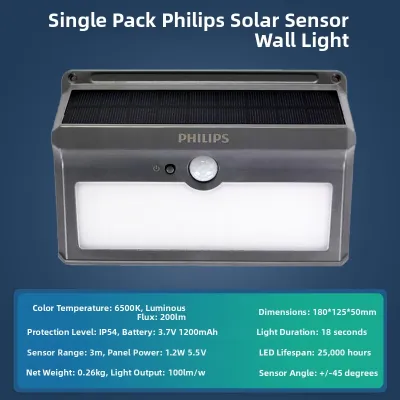
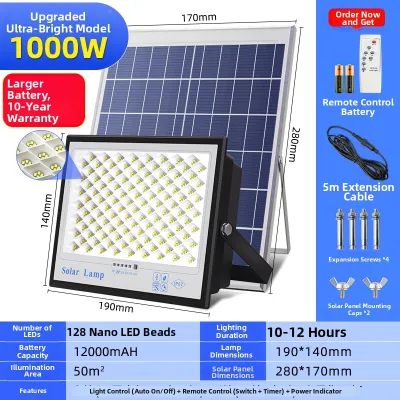
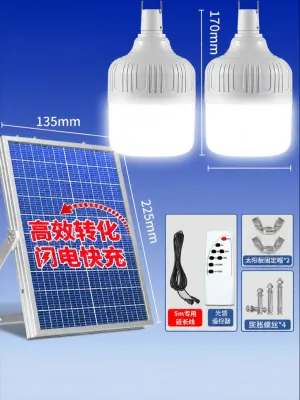
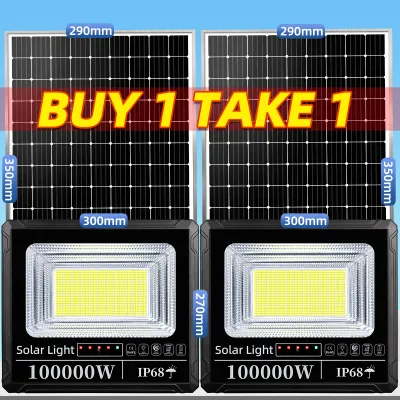
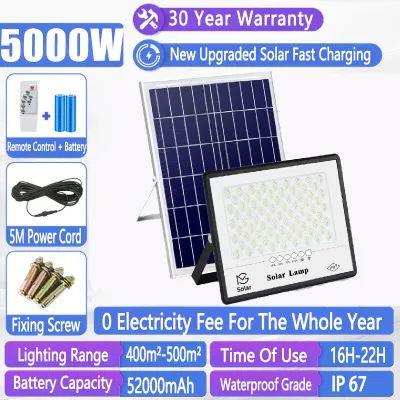
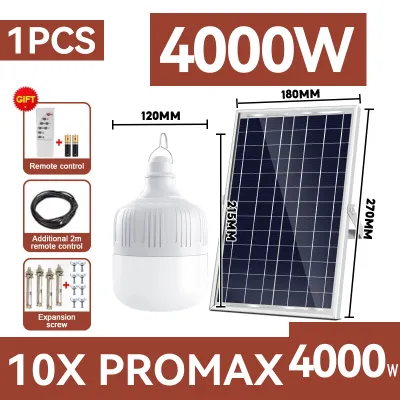
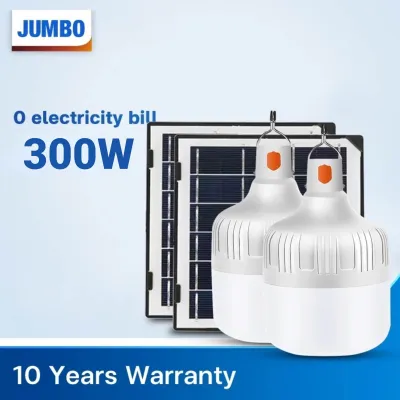
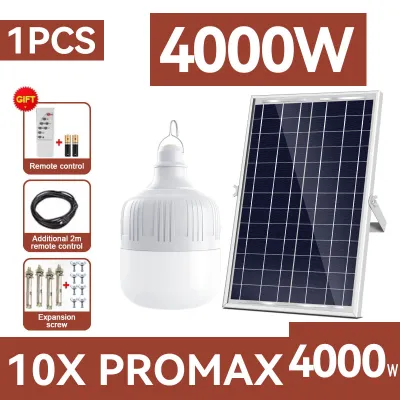
Prices are valid at publication and may change. Please refer to the product page for the latest price.
In low-lying garden areas, pathways prone to temporary pooling, or ground-level installations, upgrading to an IP67 rating is highly recommended. An IP67-rated fixture is designed to withstand temporary submersion in water up to one meter deep for thirty minutes. This level of protection ensures the internal electronics remain dry and functional even if your garden temporarily floods during a severe storm. Conversely, fixtures rated IP44 or lower are only splash-proof and should be reserved for covered patios or areas protected by roof overhangs.
Material selection is equally critical for long-term durability in tropical environments. Constant exposure to intense sunlight can rapidly degrade cheap plastics, causing them to become brittle, crack, and yellow over time, which ultimately compromises the waterproof seal. Look for housings made from UV-stabilized polycarbonate or high-grade ABS plastic, which resist solar degradation. For metal fixtures, powder-coated aluminum or high-grade stainless steel is preferred to prevent rust and corrosion, especially on coastal properties where salt air accelerates metal decay.
Before installing any new solar light, always inspect the physical seals and gaskets upon unboxing. High-quality fixtures feature thick, flexible rubber or silicone O-rings around the battery compartment, lens cover, and wire entry points. Ensure these seals are seated correctly within their grooves and are free from tears, debris, or manufacturing defects. Avoid making any physical modifications to the housing, such as drilling custom mounting holes, as this will immediately void the manufacturer’s water-resistance rating and allow moisture to bypass the protective barriers.
Key Specifications to Evaluate Before Purchase
To find a reliable solar light, you must look past misleading marketing claims like “1000W equivalent” or high LED bead counts, which rarely reflect actual performance. Instead, evaluate the rated lumen output, which measures the actual visible light emitted by the fixture. For pathway lighting, 100 to 200 lumens is generally sufficient to guide steps safely, while security floodlights require 500 to 1,000 lumens or more to illuminate wide driveways and dark corners effectively.

The beam angle is another crucial factor that determines how the light is distributed across your yard. A narrow beam angle of 15 to 30 degrees is ideal for spotlighting specific garden features, trees, or architectural details. For broad area illumination, look for fixtures with a wide beam angle of 90 to 120 degrees, which distributes light evenly over a larger surface area and reduces harsh shadows.
The battery is the heart of any solar lighting system, determining how long the light can run after sunset. Lithium iron phosphate (LiFePO4) batteries are highly recommended for tropical climates because they offer superior thermal stability, handle high ambient temperatures safely, and endure significantly more charge-discharge cycles than standard Lithium-ion (Li-ion) or Nickel-Metal Hydride (NiMH) alternatives. Check the battery capacity, measured in milliampere-hours (mAh), and compare it to the fixture’s power consumption to ensure it can sustain illumination through the night.
Verify whether the battery is user-replaceable before making a purchase. Many budget-friendly solar lights feature sealed, non-replaceable batteries, meaning the entire fixture must be discarded once the battery degrades. Choosing fixtures with accessible battery compartments allows you to replace the battery when it eventually loses capacity, greatly extending the overall lifespan of the housing and reducing electronic waste.
Solar panel efficiency directly impacts how quickly the battery charges during the day. Monocrystalline solar panels are more efficient and perform better in low-light or overcast conditions compared to polycrystalline panels, making them highly advantageous during the rainy season. Additionally, consider whether the fixture features an integrated panel or a split design. A split design, where the solar panel is connected to the light fixture via a long waterproof cable, allows you to mount the panel in direct sunlight on a roof or pole while placing the light fixture in a shaded porch or under a dense tree canopy.
Matching Light Types to Your Outdoor Spaces
Different zones of your home’s exterior require specific types of solar fixtures, each with its own installation and structural considerations. Pathway and stake lights are excellent for defining garden borders, walkways, and driveways, but they require careful placement to remain functional and safe. When installing stake lights, check the soil stability of your garden beds; loose, sandy soil or highly saturated mud may require longer spikes or concrete footings to keep the lights upright.
Ensure the spike length is sufficient to anchor the light firmly against strong winds, and position them slightly away from high-traffic paths to prevent trip hazards or accidental damage from lawnmowers and weed trimmers. If your garden soil becomes compacted and hard during the dry season, never force the plastic stakes into the ground, as they can easily snap. Instead, soften the soil with water or use a metal tool to create a pilot hole before inserting the stake.
Wall-mounted and security lights, such as solar floodlights or motion-activated sconces, are essential for perimeter safety and illuminating dark entryways. When selecting these fixtures, evaluate the detection range and angle of the passive infrared (PIR) motion sensor to ensure it covers the desired approach path. Mounting height and structural anchoring are critical for security lights; ensure the mounting surface can support the weight of the fixture, especially if it has an integrated heavy battery, and use appropriate wall plugs or masonry anchors to secure the bracket against high winds.
If installing fixtures at significant heights, always prioritize safety by using stable ladders, securing the work area, and consulting a qualified professional if complex structural drilling is required. For fixtures that interface with existing household electrical wiring for hybrid backup power, ensure the power source is isolated before installation to prevent electrical hazards.
Decorative and string lights add ambiance to patios, pergolas, and outdoor dining areas, but they must be rated for continuous outdoor exposure. Verify that the wire insulation is thick and weather-resistant, and check the hanging weight limits of your support structures to prevent sagging or snapping. Because string lights are highly susceptible to wind damage, secure them along a guide wire or cable using outdoor-rated zip ties rather than letting the electrical cord bear the physical tension, which can pull on the connections and compromise the waterproof seals.
Safe Installation and Routine Maintenance
To maximize the lifespan and efficiency of your waterproof outdoor solar lights, proper installation and regular maintenance are essential. Always select installation locations that receive unobstructed sunlight for the majority of the day, keeping in mind that seasonal changes can alter shadow patterns cast by trees and buildings. When securing mounts, ensure all screws and brackets are tightened firmly to withstand the strong winds common during tropical storms.
Routine cleaning is the simplest way to maintain charging efficiency. Dust, pollen, bird droppings, and salt residue can accumulate on the solar panel’s surface, blocking sunlight and drastically reducing the energy transferred to the battery. Clean the solar panels periodically using a soft, non-abrasive cloth or sponge dampened with clean water. Avoid using harsh chemical detergents, abrasive scrubbing pads, or high-pressure washers, as these can scratch the protective tempered glass or degrade the anti-reflective coatings on the panel.
Regularly inspect the physical condition of the fixtures, paying close attention to the seals and joints. Look for signs of moisture ingress, such as condensation inside the lens cover, which indicates a compromised seal or a loose battery compartment door. If you detect moisture inside a fixture, switch it off, open the compartment according to the manufacturer’s instructions, dry the interior thoroughly, and inspect the gasket for damage before reassembling.
Strictly follow the manufacturer’s guidelines regarding battery replacement and off-season storage. If you need to store the lights during extended periods of non-use, charge the batteries fully beforehand and store them in a cool, dry place. This prevents the batteries from discharging completely, which can permanently damage their chemistry and render them unable to hold a charge when redeployed.
Frequently Asked Questions (FAQ)
Do solar lights work effectively during the rainy season?
Yes, solar lights can still work during the rainy season, but their performance will be noticeably reduced due to prolonged cloud cover. Because solar panels rely on daylight rather than direct sunlight to charge, they will still generate power on overcast days, though at a fraction of their maximum capacity. To manage expectations during extended rainy periods, consider adjusting the light settings to a lower brightness level or utilizing motion-sensor modes rather than continuous-on modes to conserve battery power. Ensuring the panels are clean and angled slightly to allow rainwater to run off naturally will also help maximize light absorption during brief sunny intervals.
Can I leave solar lights outside during severe typhoons?
While high-quality waterproof solar lights are designed to withstand heavy rain, it is highly recommended to temporarily remove and store lightweight or decorative fixtures during severe typhoons. Extreme winds can turn unsecured stake lights, string lights, and small decorative lanterns into flying debris, risking damage to the fixtures themselves or surrounding property. For permanently mounted security lights and heavy floodlights, verify that the mounting brackets are structurally secure before the storm arrives. After the typhoon passes, inspect all outdoor fixtures for physical damage, loose mounts, or water ingress before turning them back on or resuming regular use.

Community discussion
Share your experience or ask a question. Comments are reviewed before publication.