
To withstand the intense tropical climate of the Philippines during the holiday season, outdoor solar Christmas lights should have a minimum rating of IP65. This rating ensures the light string and its solar charging unit are completely dust-tight and protected against low-pressure water jets from any direction, such as heavy monsoon downpours. While lower ratings like IP44 might survive under a covered porch or veranda, fully exposed garden displays, roofline arrangements, and tree wraps require the robust protection of IP65 or even IP67 to prevent premature electrical failure caused by water ingress and high humidity.
Investing in outdoor holiday decor means preparing for sudden weather shifts, where a scorching afternoon can quickly turn into a torrential evening thunderstorm. Standard indoor lights or poorly sealed outdoor alternatives will rapidly fail when moisture penetrates the delicate circuitry of the solar controller or the individual LED bulbs. By understanding how to evaluate waterproof specifications and inspect physical build quality, you can safeguard your ₱2,000 holiday lighting setup and ensure your lights continue to shine safely throughout the festive season.
Decoding IP Ratings for Tropical Rain and Humidity
The Ingress Protection (IP) rating system is an international standard used to define the sealing effectiveness of electrical enclosures against intrusion from foreign bodies and moisture. When shopping for solar Christmas lights, you will typically see the letters “IP” followed by two digits. The first digit, ranging from 0 to 6, measures protection against solid objects like dust, dirt, and insects. The second digit, ranging from 0 to 9, measures protection against liquids, which is the most critical factor for surviving the wet season.
Products mentioned in this guide
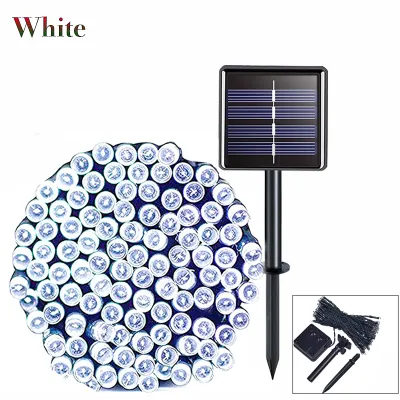
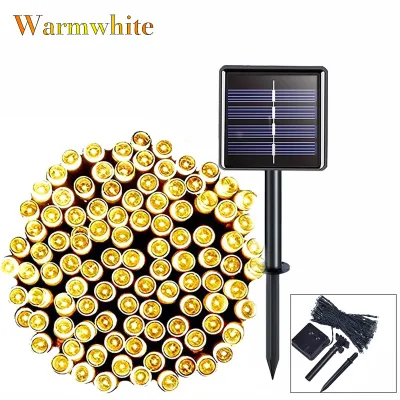
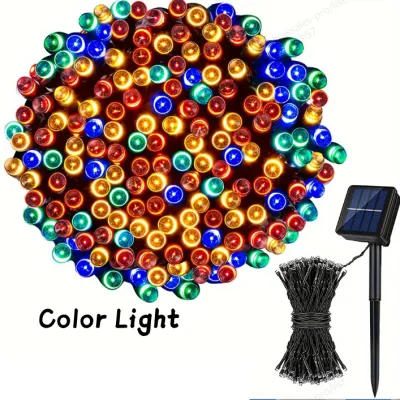
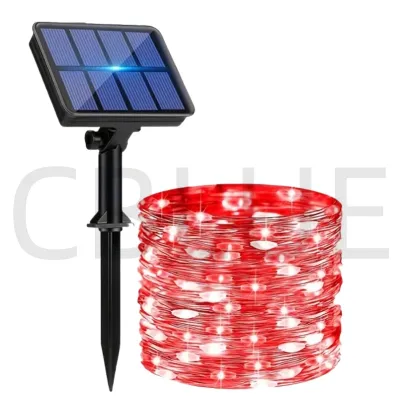
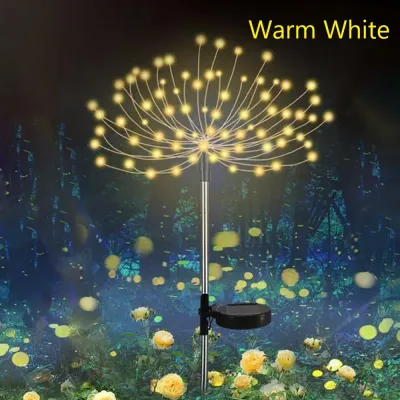
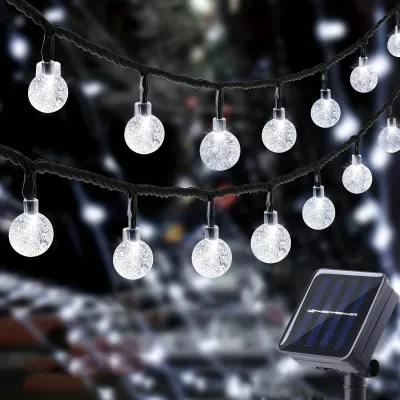
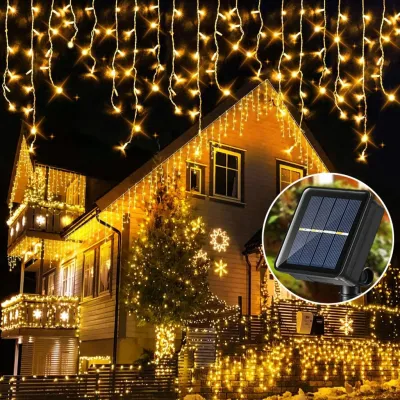
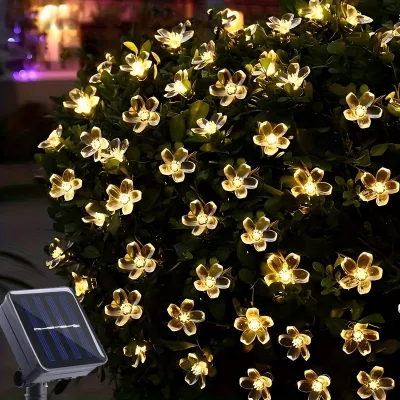
Prices are valid at publication and may change. Please refer to the product page for the latest price.
For outdoor holiday lighting, the second digit dictates how well the product can handle water exposure. A rating of IPX4 means the device can resist splashing water from any angle, making it suitable only for semi-sheltered areas like covered patios. An IPX5 rating indicates protection against water jets projected by a nozzle, which is the bare minimum for lights exposed to moderate rain. An IPX6 rating signifies protection against powerful water jets, while IPX7 means the unit can withstand temporary immersion in water up to one meter deep for 30 minutes.
In tropical environments, high relative humidity and prolonged moisture exposure present a silent threat to outdoor electronics. Even when it is not actively raining, persistent moisture in the air can slowly penetrate weak seals through a process called capillary action or vapor transmission. Over several weeks, this trapped moisture condenses inside the light housing, leading to short circuits, battery corrosion, and ruined LED chips. Choosing a higher rating, such as IP65 or IP67, provides a much tighter seal that keeps both liquid water and high-humidity vapor out of the sensitive internal components.
To ensure you are getting genuine protection, always cross-reference the IP rating printed on the product packaging with the manufacturer’s official specification sheet or user manual. Some low-quality products sold on online marketplaces may carry inflated waterproof claims on their listing titles while the actual packaging reveals a much lower rating or lacks certification entirely. Verifying these details before purchase helps you avoid wasting money on lights that will fail after the first heavy downpour.
Essential Waterproofing Features to Verify Before Purchase
While a high IP rating is an excellent starting point, physical inspection of the product’s construction provides practical proof of its durability. The solar panel housing is the most vulnerable component because it must remain fully exposed to the elements to charge. Examine the edges where the protective glass or plastic cover meets the frame; this seam should be sealed with a thick, continuous bead of silicone or a rubberized gasket. The cable entry point at the back of the panel must also feature a tight-fitting rubber boot or a compression gland to prevent water from running down the wire and entering the housing.

The battery compartment, which is often integrated into the back of the solar panel or housed in a separate control box, requires meticulous sealing. Look for compartments that secure with multiple screws rather than simple plastic clips, as screws provide even pressure across the sealing gasket. Open the compartment to verify the presence of a flexible rubber or silicone O-ring along the perimeter of the lid. Additionally, check if the internal design elevates the battery holder slightly above the bottom of the casing, which helps protect the cells from any minor condensation that might form inside.
Cable and connector quality directly impact the lifespan of your light string. Cheap solar lights often use thin, brittle plastic insulation that degrades rapidly under the intense sun, leading to cracks that allow rainwater to seep directly into the copper wiring. Opt for light strings with thick, heavy-duty insulation made of UV-resistant materials like rubber or heavy-duty PVC. If the light string consists of multiple segments, ensure the screw-together connectors feature rubber washers and threaded locking collars to keep the junctions completely watertight.
Finally, inspect the individual light sockets and bulb housings. On high-quality outdoor string lights, each LED is permanently molded into its socket or protected by a sealed plastic cap that prevents water from pooling around the electrical contacts. Avoid designs where the bulb sits loosely in a shallow socket, as gravity will pull rainwater directly into the connection, causing rapid corrosion and causing the entire string to fail.
Strategic Placement and Installation for Better Weather Resistance
Proper installation is just as important as buying the right equipment when it comes to weatherproofing your holiday display. When positioning the solar panel, find a location that receives maximum direct sunlight—typically facing south or southwest—to ensure the battery charges fully during the shorter, cloudier days of the wet season. However, you must avoid placing the panel directly beneath roof valleys, gutters, or overhanging trees where concentrated streams of runoff water will pelt the unit during a storm.
When hanging your string lights along fences, gutters, or tree branches, use dedicated plastic mounting clips, zip ties, or insulated hooks. Never use metal staples, nails, or tacks to secure the wires, as these can easily pierce the protective insulation, exposing the live copper wire to moisture and creating a serious short-circuit hazard. When routing the cable from the light string to the solar panel or control box, always incorporate a “drip loop.” This is a simple, downward-facing curve in the wire just before it enters the housing, which forces running rainwater to pool and drip off the bottom of the loop rather than traveling directly into the connection point.
Elevating the battery unit and control box is a critical step to prevent water damage from ground-level hazards. Never lay the solar panel stake or control box in low-lying garden beds, grassy areas, or pathways where water tends to puddle during heavy downpours. Instead, mount the control unit securely to a wall, fence post, or elevated stake at least 30 centimeters above the ground. This keeps the sensitive electronics clear of splashing mud, standing water, and localized flooding.
Before finalizing your installation, always consult the product’s official installation manual for specific clearance, mounting, and safety requirements. If your holiday display involves working at heights, such as installing lights along rooflines or high tree branches, prioritize safety by using a stable ladder, securing your tools, and working with a partner. For complex setups that require connecting solar controllers to existing outdoor electrical systems or installing permanent outdoor receptacles, always hire a qualified professional to ensure compliance with local electrical codes.
Wet Season Maintenance and Safe Troubleshooting Steps
Regular maintenance during the wet season will significantly extend the life of your solar Christmas lights. Heavy tropical rains often splash mud, sand, and organic debris onto low-mounted solar panels, while wind can cover them in fallen leaves. This debris blocks sunlight, reducing charging efficiency and leaving your lights dim or non-functional. Once a week, gently wipe the solar panel surface with a soft, damp microfiber cloth to remove dirt buildup; avoid using abrasive scrubbers or harsh chemical cleaners that could scratch the protective cover and permanently reduce solar absorption.
Periodic moisture checks are essential to catch potential failures before they cause permanent damage. Every few weeks, turn off the system, isolate the power, and inspect the battery compartment and accessible connectors for signs of water ingress, such as condensation droplets, rust, or green copper corrosion. If you notice any moisture inside, immediately disconnect the unit and stop using it. Leaving a water-compromised solar light active can ruin the rechargeable batteries and permanently damage the internal control board.
Severe weather events, including tropical depressions and typhoons, are common during the late-year holiday season. When local authorities issue severe weather warnings or typhoon signals, you must take proactive steps to protect your decor. Safely disconnect the solar panel, wind up the light strings carefully to avoid kinking the wires, and store the entire system in a dry, indoor location. Standard IP65 or IP67 ratings are designed to withstand rain, but they cannot protect the physical structure of the lights from being torn apart by high winds or struck by flying debris.
If you discover that water has penetrated the internal electronics of your solar lights, do not attempt complex DIY electrical repairs or try to splice damaged low-voltage wires while the system is wet. Working on damp electrical components poses safety risks, even with low-voltage solar systems. Instead, consult the manufacturer’s troubleshooting guide, check if the product is still covered under warranty, or seek assistance from a qualified professional to determine if the unit can be safely repaired or if it must be replaced.
Frequently Asked Questions (FAQ)
Can I leave solar Christmas lights outside during a typhoon?
No, you should not leave solar Christmas lights outside during a typhoon. While an IP65 or IP67 rating indicates excellent resistance to water and dust, these ratings do not account for the extreme wind speeds, flying debris, and structural stress associated with tropical storms. High winds can easily rip the wires from their mounts, tear the insulation, or shatter the solar panel. To protect your investment and prevent safety hazards, always take down and store your outdoor lights indoors when typhoon warnings are active.
What should I do if water gets inside the battery box?
If you find water inside the battery box, immediately turn off the power switch and disconnect the solar panel from the light string if possible. Carefully open the compartment, remove the rechargeable batteries, and wipe away any standing water with a dry cloth. Leave the compartment open and place the unit in a shaded, well-ventilated indoor area to air dry completely for at least 24 to 48 hours. Once dry, inspect the metal contacts for rust or corrosion; clean them gently with a dry cotton swab if necessary, insert fresh batteries, and test the unit. If the lights still do not function, contact the manufacturer for support.

Community discussion
Share your experience or ask a question. Comments are reviewed before publication.