
Selecting the right willow vine fairy lights for your condo bedroom or living room requires balancing physical dimensions, desired light output, and safe mounting methods. These cascading, branch-like LED fixtures add an organic, sculptural element to modern urban spaces, but their physical bulk can easily overwhelm a compact studio or two-bedroom layout. To find the ideal match, you must measure your target wall space, verify your power source locations, and select a color temperature that complements your existing decor. By focusing on scale, safety, and brightness control, you can create a cozy tropical sanctuary without cluttering your living area.
Assessing Your Condo Room Dimensions and Layout
Before purchasing any decorative lighting, you need to measure the exact physical boundaries of your intended installation area. Use a metal measuring tape to find the linear footage of the wall space, headboard, window frame, or corner where you plan to drape the willow branches. Because these lights feature spreading branches rather than a single thin wire, they require both vertical height and horizontal clearance to look natural.
In typical condominium layouts, wall space is often shared with structural columns, built-in cabinets, or air conditioning units. You must ensure that the spreading branches of the vine do not overlap with these fixtures, as this can disrupt the visual flow and block access to essential controls.
Products mentioned in this guide
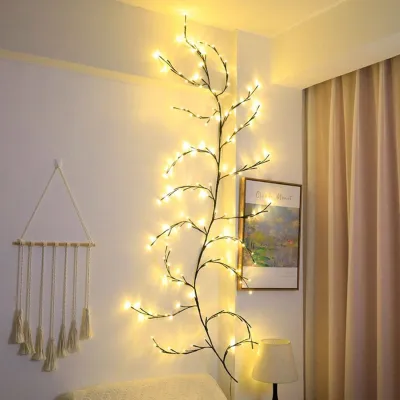
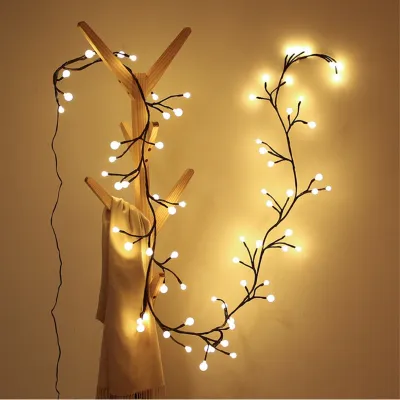
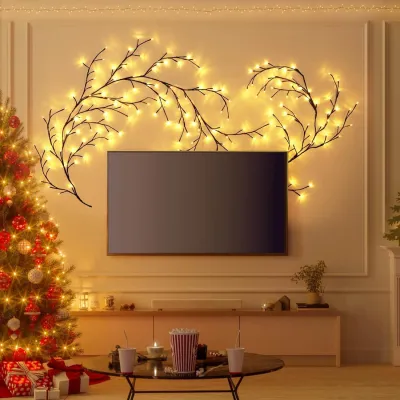
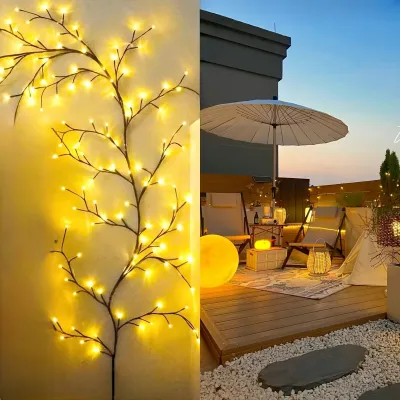
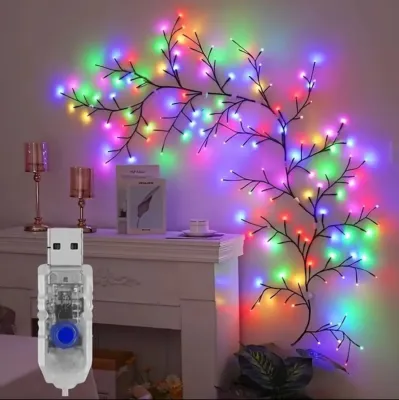
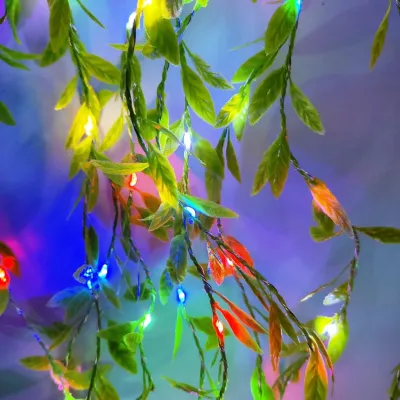
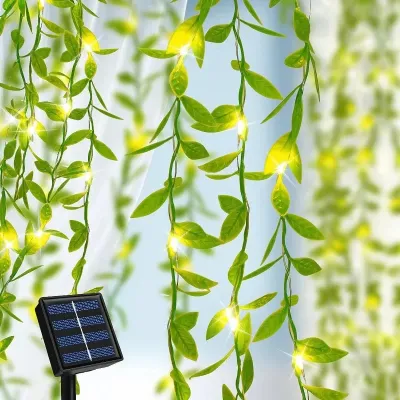
Prices are valid at publication and may change. Please refer to the product page for the latest price.
Next, locate your nearest electrical outlets and plan the routing of the power cord. In many Philippine condominiums, outlets are placed at standard heights near the floor, which means you may need a longer lead wire or a safe extension cord to reach a high-mounted vine. Ensure the path from the outlet to the start of the vine does not cross high-traffic walkways where it could become a tripping hazard.
Finally, take note of your ceiling height and any structural limits for hanging. Concrete walls, which are standard in many local high-rise developments, require different mounting strategies than gypsum board partitions. Keep in mind that heavy furniture, curtains, or wall-mounted air conditioning units can block the visual effect or even pose safety risks if they come into direct contact with the light branches.
Matching Willow Vine Length and Density to Your Space
Choosing the correct strand length and branch density prevents your condo from feeling either cluttered or sparse. When calculating the length you need, always add a practical buffer of at least 10% to 15% to allow for natural draping, wrapping around corners, and reaching the power source without tension. A vine that is pulled too taut looks rigid and puts unnecessary stress on the internal copper wiring.

Willow vine lights generally come in different branch densities, ranging from sparse, delicate strands to thick, heavily clustered foliage. In a compact bedroom nook, a sparse configuration is often preferable because it provides a subtle accent without dominating the room’s visual weight. For larger living room feature walls or spaces above a sofa, a denser branch layout can serve as a striking focal point.
Consider how the physical scale of the branches interacts with your room’s proportions. A massive, dense vine on a small studio wall can make the ceiling feel lower and the room more cramped. Conversely, a single short, thin strand on a large living room wall may look lost and unfinished, failing to deliver the cozy ambiance you want.
You should also think about the negative space around the installation. Leaving empty wall space around the edges of the vine helps the branch structure stand out as an artistic feature rather than looking like random clutter.
Choosing Brightness and Color Temperature for Room Ambiance
The color temperature and brightness of your willow vine lights should align with the primary function of the room. For bedrooms, warm white tones ranging from 2200K to 2700K are ideal because they mimic candlelight and promote relaxation before sleep. In multi-functional living areas, you might prefer neutral white tones around 3000K, or adjustable color temperature models that let you transition from daytime productivity to evening relaxation.
To gauge the actual brightness of a product, check the manufacturer’s specifications for the total LED count and the rated lumen output rather than relying on product photos alone. High-density vines with hundreds of LEDs can be surprisingly bright, sometimes requiring a dimmer to prevent glare in a small room.
Always verify the control options and power source compatibility before buying. Look for models that include a remote control, a mobile app interface, or a physical inline switch with dimming capabilities so you can adjust the light levels easily. Additionally, decide whether a standard plug-in, a USB-powered model, or a battery-operated version best suits your setup, keeping in mind that plug-in models generally offer more consistent brightness over time.
If you choose a USB-powered model, make sure your USB wall adapter has the correct amperage rating specified by the manufacturer. Using an underpowered adapter can cause the lights to flicker or dim prematurely.
Safe Installation and Mounting for Condo Environments
Installing decorative lighting in a condo often requires damage-free methods to protect rental walls or avoid violating homeowner association rules. Lightweight adhesive hooks, clear cable clips, or tension rods are excellent options for securing the willow branches without drilling into concrete or drywall. Ensure the adhesive you choose is rated for the specific weight of the vine and is compatible with your wall paint, especially in humid tropical climates where moisture can weaken adhesives.
Before applying any adhesive hooks, clean the wall surface thoroughly with rubbing alcohol to remove dust and oils, which helps ensure a secure bond. Allow the adhesive to cure for the manufacturer-recommended time before hanging the weight of the vine.
Electrical safety is paramount when installing any continuous lighting fixture. Verify that the voltage of the lights matches your condo’s electrical supply, and check for local safety certifications on the packaging. Keep all cords, adapters, and light branches away from heat sources like cooking appliances or high-humidity zones like bathroom entrances to prevent short circuits or fire hazards.
If your installation plan involves complex ceiling mounts, running wires behind drywall, or hardwiring the lights into your condo’s main electrical system, stop and consult a qualified professional. Attempting DIY electrical modifications without proper training can violate building codes and compromise your safety.
Common Sizing and Placement Mistakes to Avoid
One of the most common mistakes is ignoring the physical bulk and visual weight of the willow branches in confined spaces. Unlike flat wall art, these three-dimensional branches stick out from the wall, which can make narrow hallways or small bedrooms feel even tighter if placed incorrectly.
Another frequent oversight is underestimating the space needed for bulky power adapters and controller boxes. These components often end up dangling awkwardly or blocking adjacent outlets, disrupting the clean aesthetic of your condo.
Additionally, avoid placing the lights where they block natural light from windows or interfere with the daily movement of doors, cabinets, and furniture. Placing hot LED components too close to sheer curtains or synthetic fabrics can also create a safety hazard, so always maintain a safe clearance.
Frequently Asked Questions (FAQ)
Can I connect multiple willow vine strands together?
Whether you can connect multiple strands depends entirely on the manufacturer’s specifications, which you must check before attempting to link them. Many low-voltage USB or battery-powered willow vines are not designed for daisy-chaining, and connecting them can overload the power source, dim the lights, or damage the internal circuitry. If the product is explicitly rated as connectable, ensure you do not exceed the maximum number of strands specified by the manufacturer, and always use the provided heavy-duty adapters to handle the increased electrical load safely.
How do I store willow vine lights without tangling the branches?
To preserve the delicate shape and internal copper wiring of your willow vine lights, store them carefully when they are not in use. Avoid folding or compressing the branches tightly, as this can snap the thin wires inside. Instead, gently wrap the main vine around a sturdy piece of cardboard or use soft Velcro ties to secure the branches in their natural, flat position. Store the wrapped lights in a cool, dry place, away from heavy items that could crush the delicate LED bulbs or bend the branches out of shape.

Community discussion
Share your experience or ask a question. Comments are reviewed before publication.