
To create a cozy, relaxing bedroom ambiance in a compact condo, the most suitable USB string lights are those that feature a warm white color temperature (ideally between 2700K and 3000K), adjustable brightness levels, and a flexible wire backing that conforms easily to your space. Because condo bedrooms often have limited floor area and concrete walls that make permanent installations difficult, low-voltage USB-powered options offer a highly versatile, safe, and non-damaging way to elevate your interior decor.
Selecting the right lighting involves balancing technical specifications with your room’s physical layout. By focusing on wire flexibility, power source compatibility, and control features, you can transform a standard sleeping space into a warm, inviting sanctuary without risking electrical overload or damaging your walls.
Quick Guide to Choosing USB String Lights for Your Bedroom
When shopping for ambient lighting, prioritizing a warm color temperature is the most critical step. Cool white or blue-toned lights mimic natural daylight, which can interfere with your body’s circadian rhythm and make it difficult to unwind at the end of the day. Opting for warm white or extra-warm white tones helps signal to your brain that it is time to rest.
Products mentioned in this guide
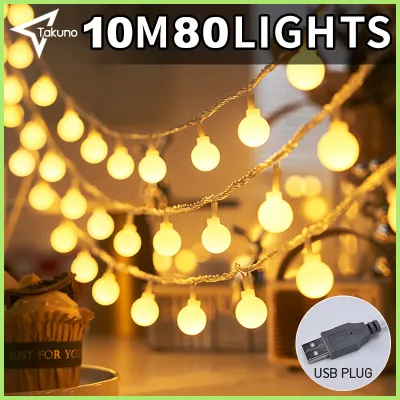
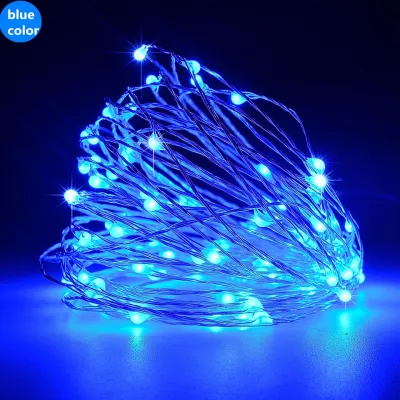
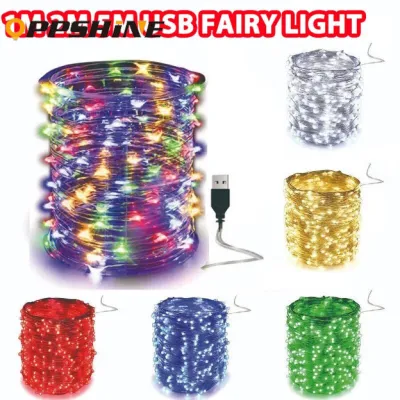
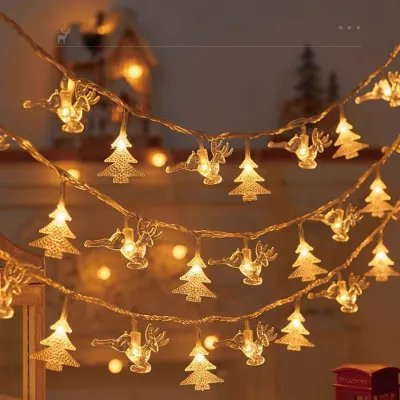
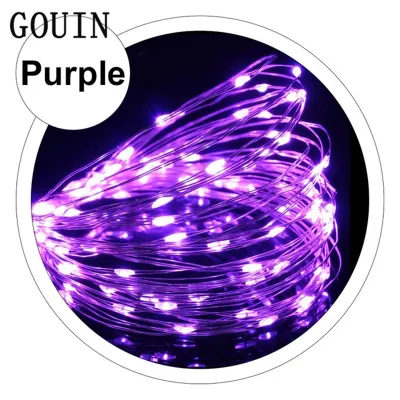
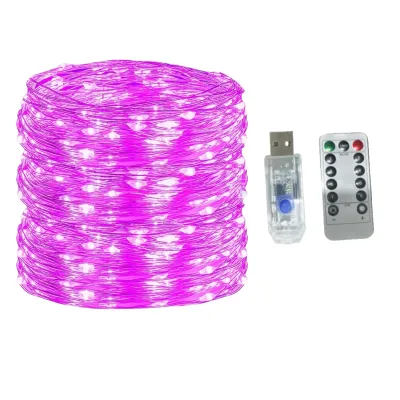
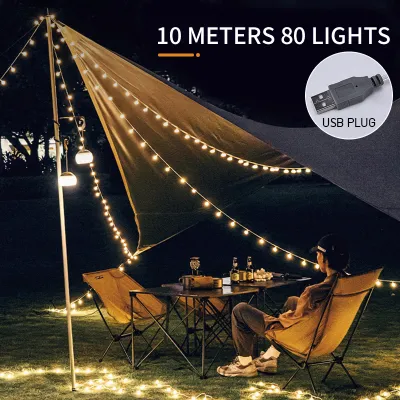
Prices are valid at publication and may change. Please refer to the product page for the latest price.
Matching the physical length and wire type of the strand to your bedroom layout prevents unnecessary clutter. A strand that is too short will look incomplete, while an excessively long one can result in messy, bunched-up wires that are difficult to secure. Measuring your headboard, curtain rod, or wall shelf beforehand ensures a clean, intentional look.
Verifying basic USB power compatibility is essential for a seamless setup. Most modern string lights operate on a standard 5-volt power supply, meaning they can run off common phone chargers, power banks, or wall outlets with built-in USB ports. Checking these requirements beforehand ensures your lights will function reliably without flickering or overheating.
Lighting Features That Create a Cozy Ambiance
To achieve a soft, relaxing glow, pay close attention to the color temperature labels on product packaging. Look for specifications indicating a range of 2700K to 3000K, often labeled as “warm white.” This range emits a gentle, golden light that softens harsh shadows and creates a soothing atmosphere reminiscent of candlelight.

Dimmability is another key feature to consider for bedroom environments. A strand with a dedicated remote control or an inline dimmer switch allows you to adjust the brightness from a functional reading level down to a faint, sleep-friendly nightlight. Look for models that offer steady-on modes rather than rapid flashing or chasing patterns, as constant movement can be highly distracting when you are trying to sleep.
Bulb spacing and wire visibility also play a significant role in the overall aesthetic of your room. Strands with closely spaced LEDs (around 5 to 10 centimeters apart) provide a continuous, seamless glow, whereas wider spacing can look sparse. Thin copper or silver wire backings are highly flexible and blend into the background during the day, making the light source appear almost invisible when turned off.
For those who prefer a more structured look, plastic-coated wire strands or larger globe-style USB lights offer a distinct retro charm. However, these thicker wires are heavier and less flexible, requiring more robust mounting solutions. Assessing how the physical wire looks against your wall or headboard during daylight hours will help you maintain a polished, clutter-free bedroom design.
Condo Setup and USB Power Compatibility
Condo living often presents unique layout challenges, such as concrete walls that resist nails and limited electrical outlets. USB string lights are highly advantageous in these spaces because they can be powered by portable power banks, eliminating the need to run long, unsightly extension cords across the floor. This portability allows you to place lights on high shelves or floating headboards where wall outlets are out of reach.
Before plugging in your lights, verify the power output of your chosen USB port. Most standard LED string lights require a 5V/1A or 5V/2A power source to operate at full brightness. Using an underpowered adapter can cause the lights to dim prematurely or flicker, while an incompatible high-voltage fast charger might damage the inline controller over time.
Cable routing must be planned carefully to maintain both safety and aesthetics in a compact bedroom. Running cables across walkways creates a tripping hazard and can pull the lights down if caught. Utilizing self-adhesive cable clips along baseboards, bed frames, or the back of furniture keeps the power cord taut, organized, and safely out of the way.
In tropical climates where high humidity or air conditioning condensation can occur, keeping the USB connection dry is vital. Avoid placing the power adapter directly beneath air conditioning units or near open windows where sudden rain showers could introduce moisture. Ensuring the plug remains in a dry, well-ventilated area helps prevent short circuits and extends the lifespan of your lighting setup.
Evaluating Options When Shopping Online
When browsing online marketplaces, it is easy to be misled by heavily edited product photos that show impossibly bright or perfectly draped lights. To make an informed purchase, focus on the technical specifications listed in the product description rather than the promotional images. Look for the exact length of the lighted section versus the total cable length, which includes the unlit lead wire.
Compare the wire materials carefully to ensure they match your installation plans. Bare copper wire is incredibly lightweight and easy to shape around bedposts or wall hooks, but it can tangle easily if handled roughly. Insulated plastic-coated wires are more durable and resistant to tangling, making them a practical choice if you plan to take the lights down or reposition them frequently.
Be cautious of listings that claim unusually high brightness levels for low-voltage USB lights. True ambient lighting should be soft and subtle; excessively bright LEDs can cause glare and eye strain in a small bedroom. Reading customer reviews and looking at user-submitted photos provides a much more realistic representation of the actual light output and color tone.
Finally, check the seller’s rating, return policies, and warranty terms before finalizing your purchase. Reliable sellers often provide clear instructions and are willing to replace defective units. Investing a small amount more, perhaps budgeting around ₱150 to ₱500 for a quality strand from a reputable online store, can save you the hassle of dealing with flickering bulbs or broken controllers shortly after installation.
Safe Installation and Daily Maintenance
Installing your USB string lights safely requires keeping them clear of highly flammable materials. Although low-voltage LEDs generate very little heat compared to traditional incandescent bulbs, they should still not be tightly wrapped in heavy curtains, thick bedding, or delicate mosquito nets where heat can build up over several hours of continuous use.
Regularly inspect the entire length of the strand for any signs of physical damage. Look closely for frayed insulation, exposed copper wires, or cracked LED casings, especially if the lights are wrapped around metal bed frames or sharp corners. If you notice any damage, or if the inline controller becomes unusually warm to the touch, unplug the strand immediately.
Because low-voltage USB string lights are highly integrated, attempting DIY repairs on broken wires or dead bulbs is not recommended. Splicing thin copper wires without proper tools can create high-resistance points that increase the risk of short-circuiting. If a strand stops working or shows signs of wear, the safest course of action is to replace the entire unit.
To make daily operation more convenient, consider pairing your USB lights with a simple smart plug or a mechanical timer. This allows you to schedule the lights to turn on automatically at sunset and turn off after you fall asleep, reducing unnecessary energy use and minimizing wear on the LEDs.
Frequently Asked Questions (FAQ)
Can I leave USB string lights on all night while sleeping?
While low-voltage LED string lights generate minimal heat and are generally much safer than older incandescent styles, leaving them on all night is not recommended. Continuous operation can gradually warm the inline controller or the USB adapter, especially if they are placed in areas with poor airflow. To ensure safety and prolong the lifespan of the lights, it is best to use a timer or a smart plug that automatically shuts them off after you fall asleep.
Do USB string lights consume a lot of electricity?
No, USB-powered LED string lights are highly energy-efficient and consume very little electricity. A typical 10-meter strand draws approximately 5 watts of power, which is significantly less than standard overhead room lighting or traditional lamps. Running these lights for several hours a night will have a negligible impact on your monthly condo electricity bill, costing only a few centavos per use.
How do I hide the USB cord in a small bedroom?
To maintain a clean, minimalist look in a compact condo bedroom, use small, clear adhesive cable clips to route the power cord along the back edges of your headboard, nightstand, or baseboards. You can also use paintable cord covers that blend seamlessly with your wall color. Never use metal staples, nails, or tacks to secure the cord, as these can easily pierce the thin protective insulation, damage the internal wiring, and create a serious short-circuit hazard.

Community discussion
Share your experience or ask a question. Comments are reviewed before publication.