
Narrow hallways and corridors are essential transition zones that often suffer from a lack of natural light and limited physical clearance. Selecting the right accent lights wall fixtures requires balancing illumination with physical space. The best solutions are low-profile, flush-mount, or slim-profile wall sconces that direct light vertically rather than projecting it directly into your eyes. This approach keeps the walkway clear of physical obstructions while washing the walls with soft, indirect light that makes the corridor feel wider and more welcoming.
In tropical climates like the Philippines, where homes often feature open-air ventilation or high-humidity transition zones, choosing fixtures with appropriate moisture-resistant finishes is essential. Dust and humidity can quickly degrade poorly sealed fixtures, making material selection just as important as physical dimensions. By focusing on slim designs and smart light distribution, you can transform a dark, cramped passage into a bright, safe, and stylish pathway.
Key Features to Look for in Narrow Hallway Sconces
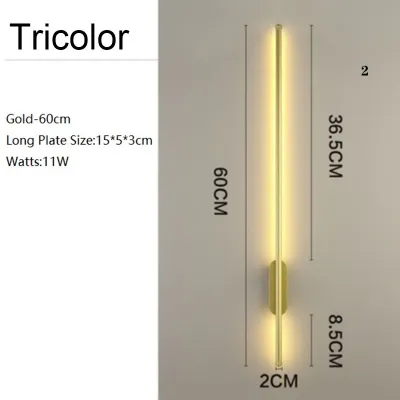
When walking through a tight corridor, every centimeter counts. Standard wall fixtures can protrude significantly, creating a physical hazard. Look for “slim-profile” or “flush-mount” sconces. Check the product specifications to ensure the fixture extends no more than 10 centimeters (about 4 inches) from the wall. This ensures that family members can pass freely without bumping into the lights, especially when carrying bulky items like laundry baskets.
Products mentioned in this guide
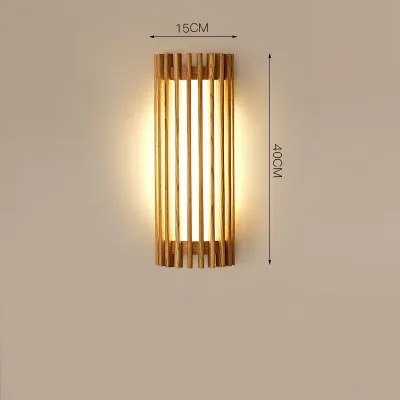
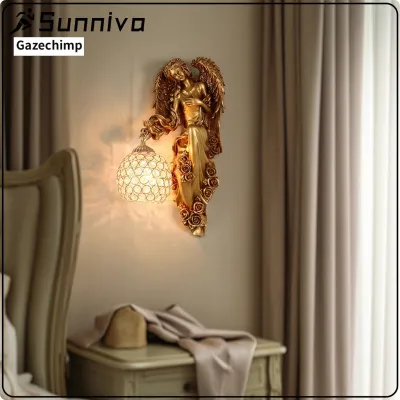
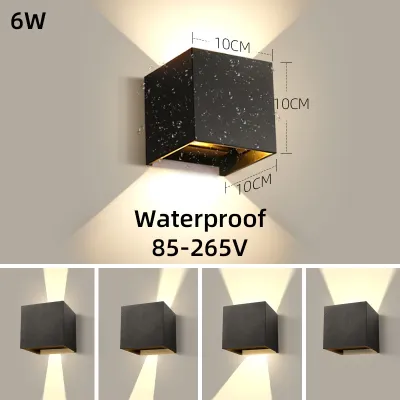
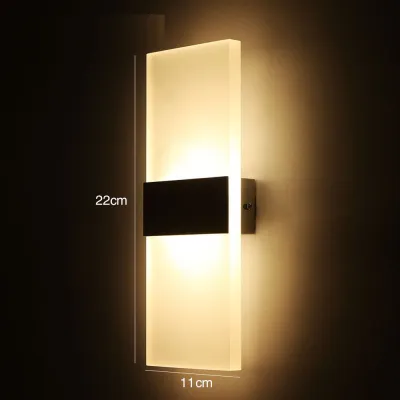
Prices are valid at publication and may change. Please refer to the product page for the latest price.
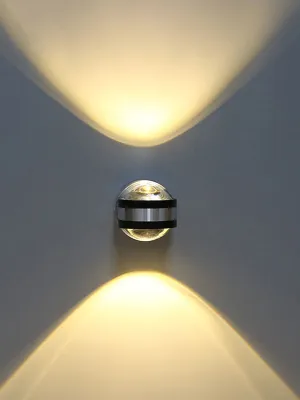
Direct outward illumination in a narrow space often leads to intense glare and eye strain. Instead, prioritize fixtures designed for vertical light distribution. Up-and-down sconces cast light toward the ceiling and floor, using the wall surface as a natural reflector. This indirect illumination visually expands the boundaries of the corridor, making a cramped hallway feel taller and more spacious.
The material covering the bulb dictates how light enters the room. Clear glass shades can expose the bare bulb, leading to harsh glare in tight quarters. Opt for frosted glass, fabric shades, or opaque metal shields. Frosted and fabric diffusers scatter the light evenly, creating a soft glow. Opaque shields block direct horizontal light entirely, directing the output precisely where it is needed without blinding passersby.
Sizing and Placement Guidelines for Tight Spaces
Positioning your sconces correctly is vital to hide the internal bulb and prevent glare. A general guideline is to mount the center of the fixture approximately 150 to 170 centimeters (about 60 to 66 inches) above the finished floor. However, you must adjust this measurement based on your household’s average height and your ceiling height. The goal is to position the light source so that the bulb remains hidden from direct view whether you are standing or walking past. Always refer to the manufacturer’s installation template to confirm the exact mounting points.

To achieve balanced lighting without dark spots or overly bright patches, space your sconces evenly along the corridor. A common rule of thumb is to place fixtures approximately 1.8 to 2.4 meters (6 to 8 feet) apart. For shorter hallways, a single well-placed sconce near a doorway or transition point may suffice. For longer corridors, calculate the total length of the wall and divide it evenly to ensure a continuous, harmonious flow of light.
Before finalizing your purchase, verify the maximum extension of the fixture from the wall. In high-traffic zones, a protruding light can easily be knocked loose. Keeping the protrusion under 10 centimeters ensures compliance with standard safety practices for narrow pathways. This is particularly important if you have children or elderly family members who rely on clear, unobstructed walkways for safe navigation.
Electrical and Installation Checks Before Buying
Before buying any lighting fixture, verify that its electrical specifications match your home’s system. In local households, the standard voltage is 220V. Ensure the sconce is rated for this voltage to prevent electrical hazards or premature bulb failure. Additionally, measure your existing wall junction boxes. Some imported fixtures require specialized mounting brackets or specific junction box shapes that may not align with standard local installations.
Hardwired sconces offer a clean, seamless look with all wiring hidden behind the drywall or concrete. However, they require existing electrical boxes or new wiring runs. If cutting into your walls is not feasible, plug-in sconces provide an alternative. These fixtures mount to the wall and plug into a nearby outlet. If choosing a plug-in model, use decorative cord covers to secure the cable flat against the wall, preventing it from becoming a tripping hazard in your narrow corridor.
Working with electricity carries inherent risks. For any fixed-wiring installation, always isolate the power at the main circuit breaker before handling components. If your hallway lacks existing wall wiring, or if you need to install complex multi-way switches (allowing you to turn the lights on from both ends of the hall), hire a qualified professional electrician. A certified professional ensures that all wiring meets local safety codes, handles structural modifications safely, and verifies that the installation can withstand local humidity levels.
Matching Sconce Styles to Corridor Aesthetics
In a narrow corridor, visual clutter can make the space feel just as cramped as physical obstacles do. Minimalist sconces with clean lines and low-profile shapes blend seamlessly into the wall. Flush-mount designs that mimic the wall’s texture or color help the fixtures recede into the background when turned off, maintaining an airy and open feel.
To create a cohesive design, match the metal or painted finishes of your sconces with other hardware in the immediate area. Consider the finishes of your doorknobs, hinges, light switches, and baseboard trim. For instance, matte black or brushed brass fixtures can provide a sophisticated contrast against light-colored walls, while white or neutral-toned fixtures offer a subtle, integrated look.
The color temperature of your bulbs significantly influences the mood of the transition space. Warm white tones (around 2700K to 3000K) create a cozy, inviting atmosphere, which is ideal for residential hallways. Neutral white tones (around 4000K) offer a cleaner, more modern look that can make narrow spaces feel brighter and more alert. Because color perception is highly subjective, test different bulbs against your wall paint color to see how the light interacts with your specific interior finishes.
Frequently Asked Questions (FAQ)
Can I use smart bulbs in narrow hallway wall sconces?
Yes, you can use smart bulbs in your hallway sconces, provided the bulb’s base matches the fixture’s socket (such as standard E27 or GU10 bases) and the bulb fits within the physical dimensions of the shade. Smart bulbs are highly convenient for corridors, allowing you to program dimming schedules or change color temperatures throughout the day. However, ensure there are no conflicts with existing wall dimmer switches; smart bulbs require a steady flow of power and should not be paired with traditional analog dimmers. For hands-free convenience, consider pairing your smart bulbs with wireless motion sensors, so the hallway illuminates automatically when someone enters.
How do I clean wall accent lights in a dusty corridor?
Regular maintenance keeps your fixtures looking bright and prevents dust buildup, which is especially common in high-traffic corridors with open ventilation. Before cleaning, always turn off the light and isolate the power if necessary to ensure safety. Allow the bulbs to cool completely. Use a dry, soft microfiber cloth to gently wipe away dust from the fixture body and diffusers. For delicate glass or fabric shades, follow the manufacturer’s specific cleaning instructions. Avoid using harsh chemical cleaners, abrasive pads, or excessive moisture, as these can strip protective coatings, rust metal components, or damage delicate finishes over time.

Community discussion
Share your experience or ask a question. Comments are reviewed before publication.