
Selecting the right christmas curtain lights for your outdoor holiday display in the Philippines requires balancing festive aesthetics with robust weather protection. The tropical climate brings unique challenges, including sudden heavy downpours, high humidity, and intense afternoon heat. To ensure your home remains both safe and beautifully illuminated throughout the festive season, you must carefully evaluate waterproof ratings, material durability, and proper installation techniques.
By focusing on key technical specifications rather than brand names, you can find reliable lighting that withstands the elements. This guide outlines the essential criteria for choosing, installing, and maintaining outdoor curtain lights, helping you create a stunning holiday display that performs safely all season long.
Understanding Waterproof Ratings for Outdoor Holiday Lights
When shopping for outdoor holiday decorations, understanding the Ingress Protection (IP) rating system is your first line of defense against electrical hazards and premature product failure. The IP rating consists of two numbers: the first indicates protection against solid objects like dust, while the second measures resistance to liquids. For outdoor holiday lighting exposed to the elements, the liquid resistance rating is the most critical factor to consider.
Products mentioned in this guide
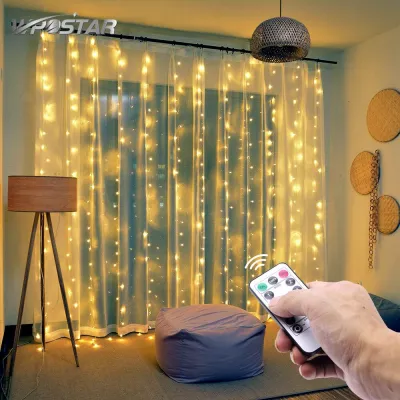
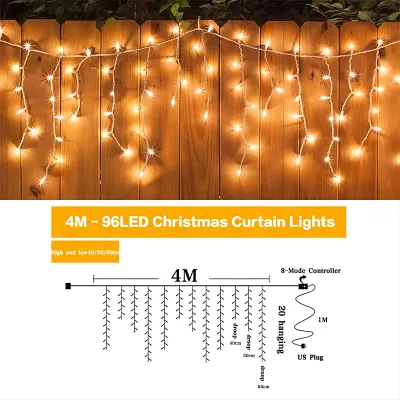
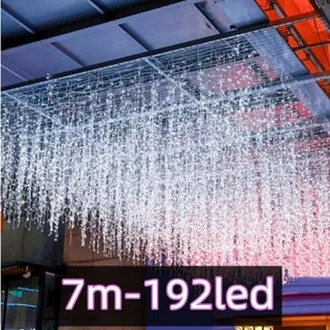
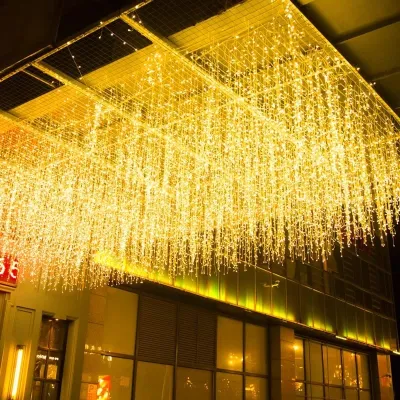
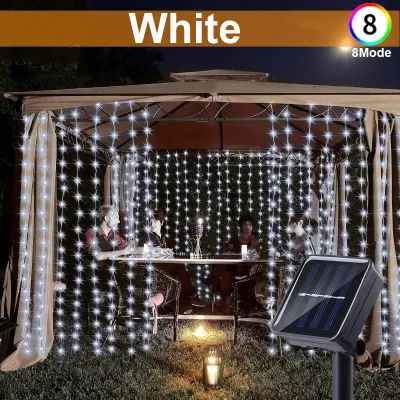
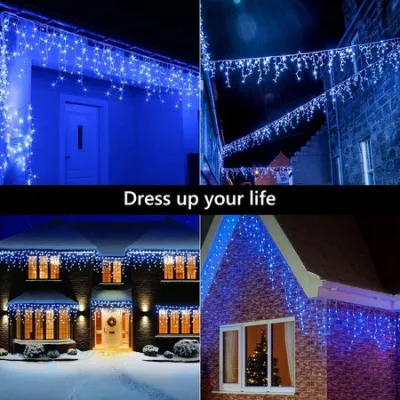
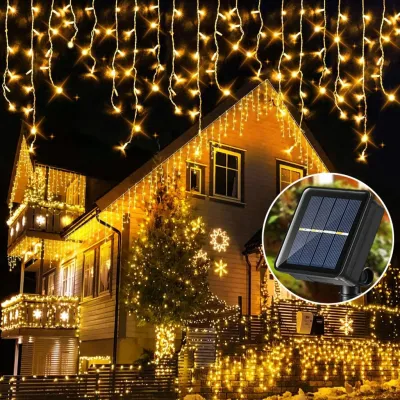
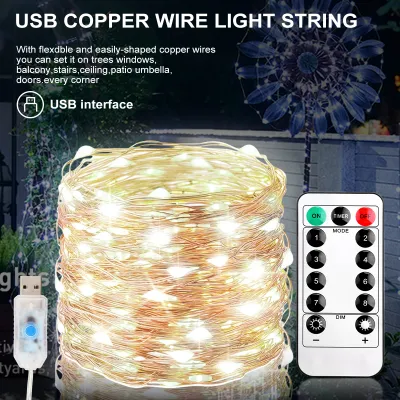
Prices are valid at publication and may change. Please refer to the product page for the latest price.
Standard indoor lights offer no protection against moisture and should never be used outside. For semi-protected outdoor areas, such as covered porches, verandas, or deep roof eaves, lights with an IP44 rating are generally sufficient. An IP44 rating means the product is protected against splashing water from any direction. However, if you plan to hang your christmas curtain lights in fully exposed areas—such as along gutters, fences, or open garden walls—you should look for an IP65 rating or higher. IP65-rated lights are designed to withstand low-pressure water jets, ensuring they remain safe and functional even during heavy tropical downpours.
A common pitfall is assuming that an entire light set is waterproof just because the packaging displays an outdoor rating. In many cases, only the LED light string itself is waterproof, while the power adapter, controller box, and plug are only rated for indoor use (often IP20). Before purchasing, carefully read the product specifications to verify the rating of each component. If the plug or controller is not rated for outdoor use, you must take extra precautions to keep these parts completely dry.
Additionally, always check for recognized electrical safety certifications on the product packaging. Reliable outdoor lighting products should feature official safety marks indicating they have been tested to meet local and international electrical standards. These certifications ensure the wiring, voltage compatibility, and insulation materials are safe for residential use, reducing the risk of short circuits or electrical fires.
Key Features to Evaluate Before Buying
Choosing the right power source is a fundamental decision that affects both the placement and performance of your outdoor christmas curtain lights. Plug-in lights are the most common choice for large, bright displays because they deliver a consistent and reliable flow of electricity. In the Philippines, where the standard residential voltage is 220V, ensure that the plug-in lights you select are compatible with this voltage without requiring an external transformer, unless one is included in the package.

Solar-powered curtain lights offer an eco-friendly alternative that eliminates the need for outdoor outlets and extension cords. These systems use a small solar panel to charge an internal battery during the day, which then powers the lights at night. While highly convenient, solar lights depend entirely on receiving direct sunlight. During the Philippine holiday season, overcast skies and frequent rainy afternoons can limit the solar panel’s ability to charge fully, resulting in dimmer lights or a shorter runtime at night.
Battery-operated curtain lights provide excellent flexibility for remote areas of your garden or yard where power outlets are inaccessible. However, because curtain lights contain numerous LED strands, they can drain batteries relatively quickly. This makes battery power less practical for primary, high-impact displays that you plan to run for several hours every night throughout December.
The material of the wiring itself plays a major role in how well your lights survive the outdoor environment. Thin copper wire lights are highly flexible and lightweight, making them easy to drape over delicate foliage or wrap around railings. However, they are more fragile and can snap under the tension of strong winds. PVC-insulated wires are thicker and offer better physical protection, making them suitable for standard outdoor displays. For the ultimate durability, look for heavy-duty rubber-insulated cables, which provide superior resistance to moisture, physical wear, and the intense UV rays of the tropical sun.
Before finalizing your purchase, measure the physical dimensions of the area you wish to decorate. Curtain lights are defined by their horizontal width and the vertical drop length of the light strands. A standard window or porch railing might only require a 1.5-meter to 2-meter drop, while a two-story facade or a tall garden wall may require drops of 3 meters or more. Additionally, consider the LED density—the spacing between individual bulbs and vertical strands—as a higher density creates a more solid, vibrant curtain effect.
Finally, look for convenient functional features such as built-in timers and memory functions. A built-in timer automatically manages your display, turning the lights on for a set period (such as 6 hours) and off for the rest of the day, saving energy. A memory function is equally valuable, as it ensures the controller remembers your preferred lighting mode (such as steady-on or a gentle fade) even after the power is cut, preventing you from having to manually reset the mode every night.
Safe Installation and Weatherproofing Practices
Properly mounting your christmas curtain lights is essential to prevent damage to both the light strings and your home’s exterior. Always use non-invasive, outdoor-rated mounting accessories such as plastic gutter clips, adhesive hooks designed for outdoor surfaces, or UV-resistant zip ties. Never use metal staples, nails, or tacks to secure the wires. Metal fasteners can easily pinch or pierce the protective plastic insulation, exposing live wires and creating a severe risk of electrical shock or short circuits.
Even when using fully waterproof IP65-rated lights, the electrical connection points remain highly vulnerable to moisture. The plugs, extension cord connections, and controller boxes must be protected from direct rain and ground moisture. The most reliable way to secure these connections is by placing them inside a dedicated, IP-rated weatherproof electrical enclosure or junction box. Avoid relying solely on electrical tape to waterproof your connections; tropical humidity and heavy rain can quickly degrade the adhesive, allowing water to seep into the plug.
When routing power to your display, use only heavy-duty extension cords that are explicitly rated for outdoor use. Ensure the cord’s wattage capacity matches or exceeds the total draw of your light display. When connecting multiple sets of curtain lights together, strictly follow the manufacturer’s guidelines regarding the maximum number of connectable strands. Daisy-chaining too many sets can overload the wires, causing them to overheat and potentially melt, which poses a significant fire hazard.
Electrical safety should always be your top priority during installation. Before hanging, adjusting, or plugging in your lights, ensure the power source is completely isolated by turning off the corresponding circuit breaker. If your holiday display involves working at significant heights, routing permanent wiring through walls, or modifying your home’s main electrical panel, do not attempt to do it yourself. Stop and consult a qualified professional electrician to ensure your installation is safe, secure, and compliant with local electrical codes.
Maintenance and Storage for Longevity
Taking down your christmas curtain lights with care at the end of the holiday season is just as important as installing them safely. Avoid the temptation to pull or yank on the vertical strands to remove them quickly. Pulling puts excessive stress on the internal copper wiring, which can cause invisible breaks that prevent the lights from working next year. Instead, untangle and wrap each vertical strand systematically, securing them with twist ties to prevent a tangled mess.
Before packing the lights away, take the time to clean off any accumulated outdoor debris. Use a soft, slightly damp microfiber cloth to gently wipe away dust, dirt, and tree sap from the wires and LED bulbs. Avoid using harsh chemical cleaners or abrasive pads, as these can damage the protective plastic coatings. Allow the entire light set to air-dry completely in a shaded, well-ventilated area before placing them in storage. Packing away damp lights can trap moisture, leading to mold growth and corrosion of the metal plug pins.
Store your dry lights in a cool, dark, and dry location to prevent material degradation. The high humidity in the Philippines can accelerate the breakdown of plastics and metals if lights are stored in damp environments. Use airtight plastic storage bins rather than cardboard boxes, which can absorb moisture from the air. To provide extra protection against humidity, place a few silica gel packets inside the storage bin. Avoid storing your lights in hot attics or uninsulated metal sheds, as extreme heat can make the wire insulation brittle and prone to cracking.
Before reusing your lights the following year, perform a thorough safety inspection. Lay the curtain lights out on a dry indoor floor and check the entire length of the wires for any signs of fraying, cracking, or damage from pests. Inspect the plug pins for corrosion or bending. Plug the set in briefly to verify that all LEDs light up and that the controller functions correctly before you begin the outdoor installation process.
Frequently Asked Questions (FAQ)
Can I leave outdoor curtain lights up year-round?
While some high-quality outdoor lights are built to be highly durable, leaving them exposed to the elements year-round is generally not recommended unless they are specifically rated for permanent outdoor installation. Continuous exposure to the intense tropical sun causes UV degradation, which makes plastic insulation brittle and prone to cracking over time. Additionally, prolonged exposure to heavy rain and high humidity increases the risk of moisture slowly seeping into the seals. To maximize the lifespan of your christmas curtain lights, it is best to take them down, clean them, and store them properly after the holiday season.
How do I connect multiple curtain light sets safely?
To connect multiple sets safely, first check the manufacturer’s instructions for the maximum number of connectable strands. This limit is determined by the wire gauge and the wattage capacity of the plug or controller. Never exceed this specified limit. Ensure that the connection points between the sets are tightly screwed together and sealed with their built-in waterproof caps. If the connection points lack built-in seals, place them inside a weatherproof connection cover to prevent rain from causing a short circuit.

Community discussion
Share your experience or ask a question. Comments are reviewed before publication.