
Outdoor spaces in the Philippines, from urban balconies in Metro Manila to garden patios in provincial homes, offer the perfect setting for relaxation and social gatherings. Enhancing these areas with decorative lighting, particularly light curtains, can instantly transform a plain wall or railing into a warm, inviting backdrop. However, the local climate presents unique challenges that can quickly ruin standard indoor lights or poorly constructed outdoor alternatives. With intense tropical heat, high humidity levels, and sudden torrential downpours during the monsoon season, selecting the right waterproof light curtains requires careful consideration of technical specifications and material durability.
To make an investment that lasts, you must look beyond aesthetic appeal and evaluate how well a product can withstand environmental stressors. This guide outlines the essential criteria for choosing outdoor light curtains in the Philippines, focusing on Ingress Protection (IP) ratings, material construction, power source safety, and practical installation methods. By understanding these technical aspects, you can ensure your outdoor lighting setup remains safe, functional, and beautiful throughout the changing seasons.
Understanding IP Ratings and Weather Resistance
When shopping for outdoor light curtains on any ecommerce platform or at a local home improvement store, the Ingress Protection (IP) rating is the most critical specification to verify. This international standard defines how effectively an electrical enclosure seals against solids and liquids. An IP rating consists of two digits: the first indicates protection against solid objects like dust and insects, while the second measures resistance to water. For outdoor applications in a tropical environment, you should never use lights rated below IP44, which only protect against splashing water.
Products mentioned in this guide
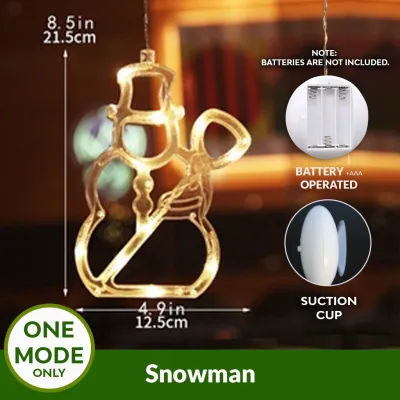
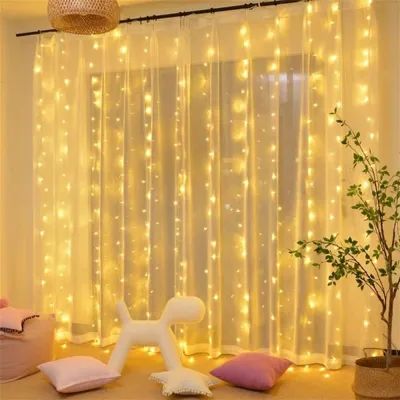
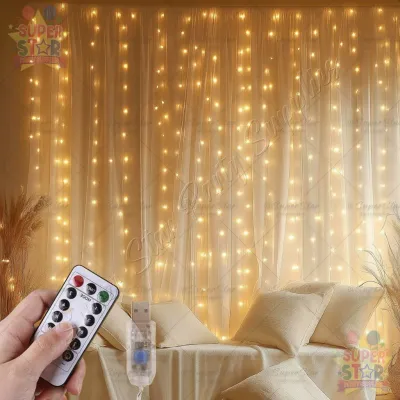
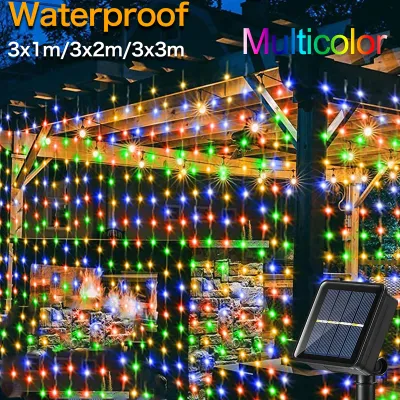
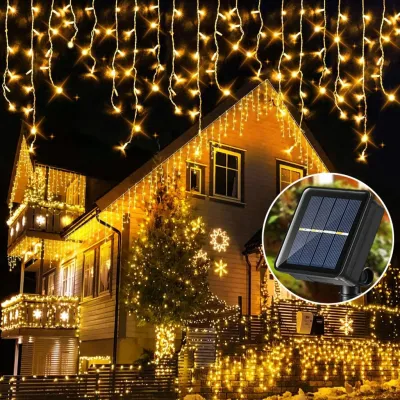
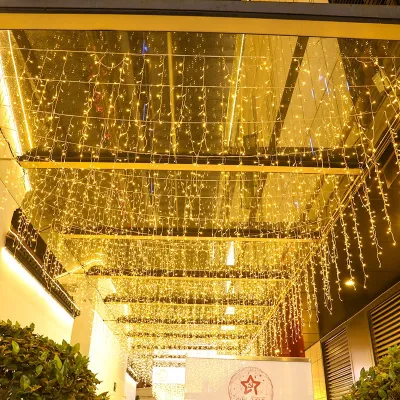
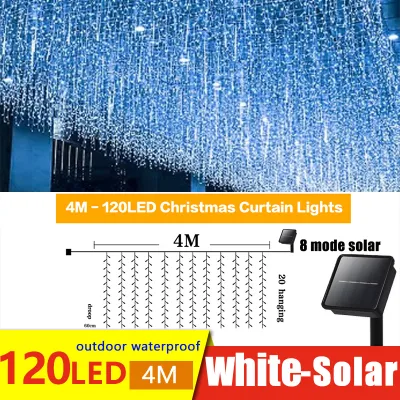
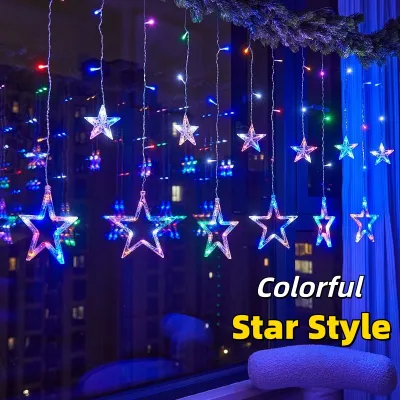
Prices are valid at publication and may change. Please refer to the product page for the latest price.
For true peace of mind during heavy tropical rains, look for light curtains with an IP65 or IP67 rating. An IP65-rated light curtain is designed to withstand low-pressure water jets from any direction, making it highly resilient against wind-driven rain and intense downpours. If your installation area is prone to temporary pooling, minor flooding, or is highly exposed to severe weather, upgrading to IP67-rated lights is a wise decision. IP67-rated enclosures can survive temporary immersion in water up to one meter deep for a limited duration, offering the highest level of protection against water ingress in residential outdoor lighting.
Beyond water resistance, the materials used in the wiring and bulb casings play a vital role in the longevity of your light curtains. The intense ultraviolet (UV) radiation from the Philippine sun can rapidly degrade standard plastics, causing them to turn yellow, become brittle, and eventually crack. Look for light curtains that specify UV-resistant materials, such as heavy-duty rubber or thick, weather-resistant PVC cabling. Rubber-insulated cables generally offer superior flexibility and durability under constant sun exposure compared to thin, clear plastic wires often found on cheap decorative lights.
Additionally, check the manufacturer’s specifications for operating temperature ranges and wind resistance. High ambient temperatures combined with direct sunlight can cause low-quality LED drivers to overheat, leading to premature failure. Ensure the product is rated to operate safely in temperatures up to 40°C or higher. Wind resistance is another factor to consider, especially for long, hanging light curtains. Heavy winds can put significant physical stress on the connections between the main strand and the individual drops, so choosing models with reinforced joints and thicker wire gauges will prevent tearing during stormy afternoons.
Key Design and Illumination Features to Evaluate
Selecting the right light curtain also involves matching its design and illumination characteristics to your specific outdoor space and aesthetic preferences. Color temperature is one of the primary visual decisions you will make, and it should be treated as a conditional preference based on the mood you want to create. Warm white light, typically ranging from 2700K to 3000K, emits a soft, golden glow that is ideal for creating a cozy, intimate atmosphere on patios, balconies, or outdoor dining areas. In contrast, cool white light, ranging from 5000K to 6500K, provides a bright, crisp illumination that works well for modern architectural facades, security accents, or high-visibility festive displays.

To achieve a balanced look, you must carefully assess the LED density, total drop length, and spacing of the light curtain. LED density refers to how closely the individual bulbs are spaced along each vertical strand, while drop spacing determines how far apart the vertical strands hang from the main horizontal cable. A high-density light curtain with closely spaced drops creates a solid, wall-like sheet of light, which is perfect for covering blank concrete walls or creating a dramatic backdrop for events. For a more subtle, twinkling effect along a balcony railing or garden fence, a lower-density model with wider spacing may be more appropriate and cost-effective.
Control features can significantly enhance the convenience and functionality of your outdoor lighting setup. Many modern light curtains come equipped with built-in timers, dimmable capabilities, and remote controls. Timers allow you to program the lights to turn on automatically at dusk and turn off after a set number of hours, conserving energy and extending the lifespan of the LEDs. If you prefer adjustable brightness levels to transition from a bright dinner setting to a dim, relaxed evening vibe, ensure the light curtain and its controller explicitly support dimming.
If you are considering smart light curtains that connect to mobile applications or smart home systems, keep in mind that these features require a stable wireless connection. Outdoor environments often present challenges for Wi-Fi or Bluetooth signals, as thick concrete walls and metal reinforcements common in Philippine homes can severely degrade signal strength. Before purchasing a smart model, verify that your home network extends reliably to the intended installation site, or consider installing a wireless range extender to ensure consistent control.
Power Sources and Electrical Safety Considerations
The power source you choose for your outdoor light curtains impacts not only their performance but also the safety and complexity of the installation. There are three primary power options available: solar-powered, plug-in, and battery-operated. Solar-powered light curtains are highly convenient and eco-friendly, as they require no external wiring or proximity to an electrical outlet. However, their performance is entirely dependent on receiving direct, unobstructed sunlight during the day to charge the internal battery. During the rainy season or on heavily overcast days, solar lights may experience reduced brightness and significantly shorter run times.
Plug-in light curtains offer consistent, reliable brightness and do not suffer from the weather-dependent limitations of solar models. They are the preferred choice for permanent installations where high-quality, continuous illumination is required. However, plug-in models require access to a safe, outdoor-rated electrical outlet. Battery-operated light curtains offer maximum portability and are excellent for temporary setups, such as outdoor parties or holiday gatherings, but they are generally not practical for long-term daily use due to the ongoing cost and waste of replacing batteries.
When installing plug-in light curtains, verifying electrical safety and local voltage compatibility is paramount. The standard residential voltage in the Philippines is 220V at 60Hz. Always ensure that the light curtain’s power adapter or transformer is rated for this specific voltage to prevent electrical shorts, overheating, or fire hazards. Furthermore, any extension cords, power strips, or timers used in the setup must be explicitly rated for outdoor use, featuring weather-resistant covers and heavy-duty insulation to prevent water from entering the connections.
To maintain a safe electrical environment, establish clear boundaries during installation. Never daisy-chain multiple light curtains together beyond the manufacturer’s stated maximum limit, as overloading the circuit can cause a significant voltage drop, dimming, or dangerous overheating of the wires. Always isolate the power supply by turning off the circuit breaker or unplugging the system before making any adjustments or handling the wires. If your outdoor space lacks a dedicated, weather-resistant GFCI (Ground Fault Circuit Interrupter) outlet, or if you need to run fixed wiring through damp areas, always consult a licensed electrician to perform the installation safely and in compliance with local electrical codes.
Installation, Maintenance, and Off-Season Storage
Proper installation and regular maintenance are essential to maximizing the lifespan of your waterproof light curtains and preventing safety hazards. When mounting the lights, use safe fastening methods that do not compromise the integrity of the electrical wires. Plastic cable ties (zip ties), specialized outdoor adhesive hooks, or plastic mounting clips are excellent choices because they secure the strands firmly without pinching or piercing the insulation. Avoid using metal staples, nails, or bare wire ties directly over the electrical cables, as these can easily cut through the protective jacket over time, exposing live copper wires to moisture and creating a severe shock hazard.
Routine maintenance should be performed periodically, especially before and after the rainy season. For solar-powered models, gently wipe down the solar panel with a damp, soft cloth to remove dust, pollen, and bird droppings, ensuring maximum sunlight absorption and charging efficiency. For all types of light curtains, conduct a thorough visual inspection of the entire length of the wires. Look for any signs of fraying, cracking, animal bites, or exposed copper. If you detect any damage to the insulation or the bulb casings, discontinue use immediately and replace the unit to prevent electrical shorts or water ingress.
Proper storage during extreme weather events or the off-season is equally important for preserving your investment. While high-quality light curtains are designed to be waterproof, they are not built to withstand the extreme physical forces of severe typhoons. When a tropical storm warning is issued, it is highly recommended to take down your outdoor lights. Before packing them away, ensure the power is completely isolated and unplugged. Wipe the light curtain down to remove dirt, and allow it to dry completely in a well-ventilated area. Storing damp lights in a sealed container can lead to mold growth, corrosion of the electrical contacts, and premature failure of the internal components. Once dry, coil the strands loosely to prevent kinking and store them in a cool, dry place away from direct sunlight.
Frequently Asked Questions (FAQ)
Can I leave waterproof light curtains outside during heavy typhoons?
No, you should not leave waterproof light curtains outside during heavy typhoons. While an IP65 or IP67 rating indicates excellent resistance to water penetration, these ratings do not account for the extreme wind shear, flying debris, and falling branches associated with tropical storms. Strong winds can tear the vertical drops, pull the main cable from its mounts, or cause physical damage to the LED casings. To protect your investment and prevent electrical hazards from downed lines, always unplug and take down your light curtains when severe weather warnings are active.
How do I calculate the right size and number of drops for my wall or fence?
To calculate the correct size, start by measuring the linear width of the wall, fence, or balcony railing you wish to cover. When purchasing, look for a light curtain with a horizontal main cable length that matches this measurement, adding a 10% buffer to allow for natural draping and securing the ends without tension. Next, measure the vertical height of the area to determine the required drop length. Ensure the drops hang at least 10 to 15 centimeters above the ground or floor level to prevent the bottom LEDs from sitting in standing water or being damaged by lawnmowers and foot traffic.
Are solar-powered light curtains bright enough for security lighting?
Solar-powered light curtains are generally designed for ambient decoration and mood lighting rather than high-lumen security illumination. They emit a soft, decorative glow that enhances the aesthetic appeal of your garden or patio but lacks the focused intensity required to deter intruders or illuminate dark pathways clearly. If security is your primary goal, you should install dedicated, high-lumen outdoor floodlights or motion-sensor security lights. Always check the lumen output on the product label if you require a specific level of visibility for your outdoor space.

Community discussion
Share your experience or ask a question. Comments are reviewed before publication.