
To find the most reliable waterproof outdoor solar lights with built-in panels for a garden in the Philippines, you must look beyond basic aesthetic designs and focus on how well the fixtures handle intense tropical downpours, high humidity, and relentless heat. Integrated solar panels offer a clean, wire-free installation, but because the panel and light share the same housing, every component is directly exposed to the elements. Selecting the right fixture requires verifying specific ingress protection ratings, durable housing materials, and heat-tolerant battery chemistries that can survive local weather patterns. By understanding these technical specifications, you can choose lighting that remains functional year-round, even through the wettest monsoon seasons.
Key Specifications for Withstanding Heavy Rain and Humidity
When shopping for outdoor solar lights, the Ingress Protection (IP) rating is the most critical specification to verify. This rating consists of two numbers: the first indicates protection against solid objects like dust and insects, while the second measures resistance to water. For garden environments in the Philippines, where heavy downpours are common, a minimum rating of IP65 is highly recommended for wall-mounted or elevated pathway lights. This ensures the fixture can withstand low-pressure water jets from any direction without failing. For ground-level spikes, well lights, or path lights situated in areas prone to temporary water pooling during intense storms, look for IP67 or IP68 ratings, which certify that the unit can survive temporary or continuous immersion in water.
The choice of housing material directly impacts how long a solar light will last in a humid, tropical climate. Cheap, untreated plastics degrade rapidly under intense ultraviolet (UV) radiation, becoming brittle, fading, and eventually cracking. Once the outer shell cracks, moisture easily penetrates the internal electronics, causing short circuits. To prevent this, look for fixtures constructed from high-grade Acrylonitrile Butadiene Styrene (ABS) or polycarbonate that has been specifically treated with UV stabilizers. If you prefer metal fixtures, opt for powder-coated aluminum or marine-grade stainless steel, which resist rust and corrosion far better than standard ferrous metals when exposed to constant humidity and salt-laden air in coastal regions.
Products mentioned in this guide
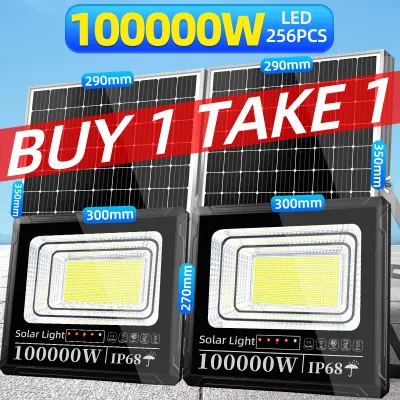
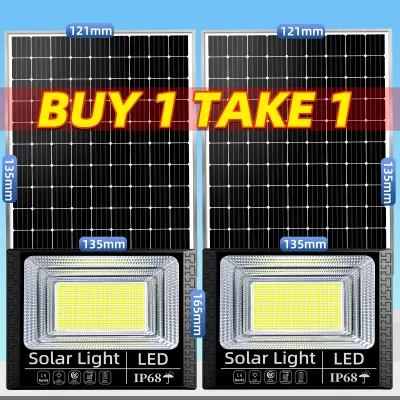
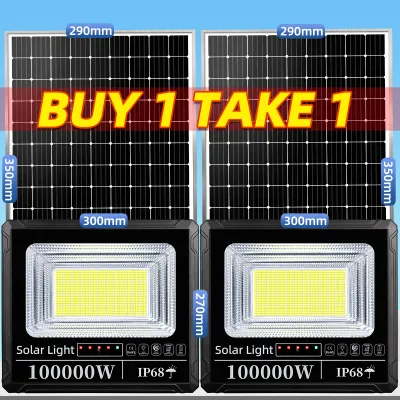
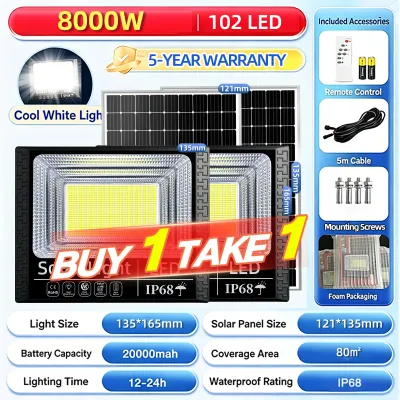
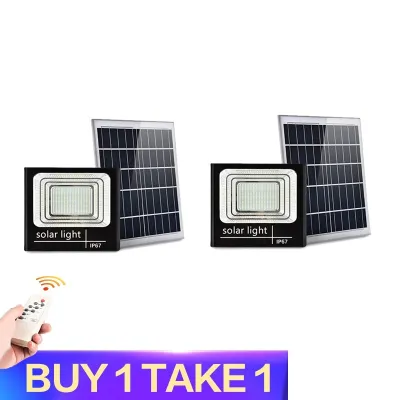
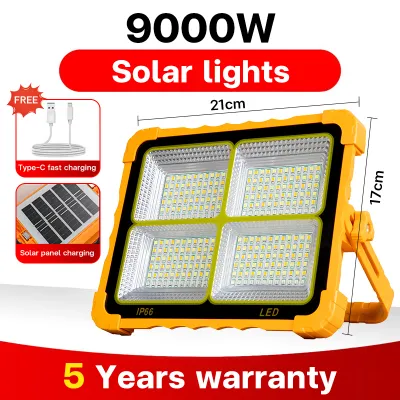
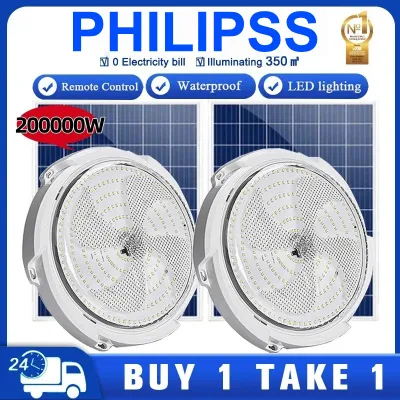
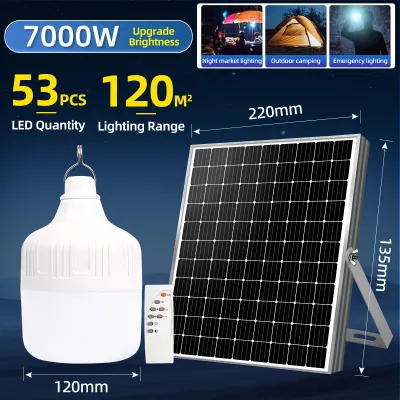
Prices are valid at publication and may change. Please refer to the product page for the latest price.
Another often-overlooked factor is the operating temperature range and battery heat tolerance of the fixture. Solar lights with integrated panels must sit in direct, unshaded sunlight to charge, which means the internal battery compartment can reach extremely high temperatures during hot tropical afternoons. Standard lithium-ion (Li-ion) batteries can degrade quickly or even become unstable when subjected to prolonged, extreme heat. Lithium Iron Phosphate (LiFePO4) batteries are highly recommended for tropical climates because they offer superior thermal stability, a lower risk of overheating, and a significantly longer lifespan of several thousand charge cycles. Always check the manufacturer’s specifications to confirm that the operating temperature range of the light accommodates typical local daytime temperatures.
Assessing Built-In Panel Performance in Shaded Gardens
Integrated solar lights feature a built-in solar panel on top of the fixture, which simplifies installation but introduces strict placement requirements. Unlike split-panel solar lights—where you can mount the panel on a sunny roof and run a wire to a light placed in a dark corner—built-in units require the entire fixture to be positioned where it can receive direct sunlight. This means you cannot place an integrated path light directly under a dense garden canopy or in the shadow of a perimeter wall and expect it to function effectively. The entire unit must have an unobstructed view of the sky during the peak sun hours of the day to generate enough power for nighttime operation.

Evaluating the relationship between the physical size of the solar panel, the battery capacity, and the advertised lumen output is essential for realistic performance expectations. A small, compact solar panel has a limited surface area, meaning it can only generate a specific amount of watt-hours of electricity even in perfect sunlight. If a manufacturer claims a fixture produces a very high lumen output, such as 1,000 lumens, but features a tiny built-in panel and a small battery, the light will likely only run for an hour or two before exhausting its power. For continuous overnight illumination, look for moderate lumen ratings, such as 50 to 150 lumens for pathway lights, which strike a sustainable balance between brightness and energy consumption.
Physical obstructions in a tropical garden can change throughout the year, heavily impacting charging efficiency. Lush foliage from mango trees, banana plants, or large ornamental ferns can quickly grow over pathway lights, casting shadows that block the built-in panels. Even partial shading on a single cell of a monocrystalline or polycrystalline solar panel can reduce its energy output by more than half. When planning your garden layout, observe how shadows move across your yard at different times of the day. Be prepared to trim back overhanging branches regularly or adjust the placement of your solar fixtures to ensure they receive at least six hours of unshaded sunlight daily.
Choosing the Right Form Factor for Your Landscape
Selecting the appropriate physical design for your solar lights depends on the specific layout of your landscape and the surfaces available for installation. Pathway stakes are highly effective for lining walkways, defining garden borders, and illuminating flower beds. However, because these stakes are pushed directly into the ground, they must be sturdy enough to remain upright when the soil becomes soft and saturated during the rainy season. Wall-mounted fixtures are ideal for securing to concrete perimeter walls, wooden fences, or patio pillars, keeping the sensitive electronics elevated and completely clear of ground-level mud and standing water. Ground spikes and well lights sit flush with the turf, offering a sleek, modern look, but they require meticulous installation to ensure they do not become submerged during heavy downpours.
The functionality of your outdoor lighting can be enhanced by choosing fixtures with built-in motion sensors and adjustable lighting modes. Passive Infrared (PIR) motion sensors are highly practical for security and energy conservation. Instead of running at full brightness all night, a fixture with a dim-to-bright mode will maintain a low, ambient glow to outline your garden paths, then instantly switch to maximum brightness when it detects movement. This feature is particularly useful during consecutive cloudy days when the battery has not received a full charge, as it prevents the light from draining its power prematurely. For purely decorative areas, simple continuous low-voltage lighting is often sufficient to create a relaxing atmosphere.
Color temperature plays a significant role in the visual appeal and comfort of your outdoor space. Warm white light, typically ranging from 2700K to 3000K, produces a soft, golden glow that mimics traditional halogen lighting, making it ideal for creating a cozy, resort-like ambiance in residential gardens. Cool white light, ranging from 5000K to 6500K, provides a bright, bluish-white light that enhances visibility and security, making it suitable for driveways and dark side yards. However, cool white light can feel harsh and clinical if overused, and it can cause distracting glare for your neighbors. When positioning your fixtures, ensure they are angled downward or shielded to direct the light exactly where it is needed, preventing light pollution and unwanted glare.
Pre-Purchase Checklist for Online and In-Store Shopping
Before purchasing solar lights from online marketplaces or local home improvement stores, it is crucial to verify the product specifications to ensure you are getting a durable product. Many low-cost listings use exaggerated marketing terms without providing technical details. Always look for a detailed specification sheet that clearly states the battery capacity in milliampere-hours (mAh), the solar panel wattage, and the exact IP rating. If a seller cannot provide these basic technical details, it is best to look for an alternative product from a transparent manufacturer.
A reliable warranty is a strong indicator of a manufacturer’s confidence in their product’s durability. Look for products that offer at least a one-year warranty that explicitly covers water ingress and premature battery degradation. Because tropical conditions are exceptionally harsh on outdoor electronics, budget fixtures without a warranty often fail within a few months of exposure to heavy rain and high humidity. Additionally, confirm that the package includes all necessary mounting hardware, such as rust-resistant screws, wall anchors, or heavy-duty ground stakes, so you do not have to make extra trips to the hardware store.
Finally, review the seller’s return and replacement policies before finalizing your purchase. Since it is impossible to test the waterproof seals or the actual battery runtime of a solar light until it has been installed and exposed to real-world garden conditions, having a flexible return window is essential. Once your lights arrive, inspect the housing joints, rubber seals, and solar panel cover for any visible gaps or manufacturing defects before installing them in your garden. Testing the lights in a dark room after a full day of charging can also help you verify that the motion sensors and light sensors are functioning correctly.
Routine Maintenance for Longevity in Tropical Climates
To maximize the lifespan of your waterproof outdoor solar lights, establishing a simple, regular maintenance routine is essential. Over time, a fine layer of dust, pollen, bird droppings, and hard water spots from rain can accumulate on the surface of the built-in solar panel. This debris acts as a physical barrier, blocking sunlight and significantly reducing the panel’s ability to charge the internal battery. Every few weeks, gently wipe the solar panel surface with a soft, damp microfiber cloth and a mild, non-abrasive soap solution. Avoid using harsh chemical cleaners, rough scrubbing pads, or high-pressure water hoses, as these can scratch the protective coating of the panel and compromise its weather resistance.
After severe weather events, such as typhoons or prolonged periods of torrential rain, take a few minutes to inspect each fixture in your garden. Check the housing joints, lens covers, and battery compartments for any signs of water ingress, such as internal condensation or fogging. If you detect moisture inside a light, turn off the power switch immediately to prevent electrical damage. If the design allows, carefully open the battery compartment, remove the battery, and allow all components to dry completely in a warm, dry, shaded area. Inspect the rubber gaskets for any dirt, cracks, or misalignment before reassembling the fixture, ensuring a tight, waterproof seal.
Rechargeable batteries naturally degrade over time, losing their ability to hold a full charge after a few years of daily use. If you notice that your solar lights are only staying illuminated for an hour or two despite receiving a full day of direct sunlight, the battery likely needs to be replaced. Refer to the manufacturer’s instruction manual to confirm if the battery is user-replaceable and to identify the exact battery chemistry, voltage, and capacity required. When installing a new battery, ensure the compartment is clean and dry, and that the sealing gasket is perfectly positioned. Always dispose of old rechargeable batteries responsibly by taking them to a local electronic waste recycling center rather than throwing them in regular household trash.
Frequently Asked Questions (FAQ)
Do built-in solar panels work during the Philippine rainy season?
Yes, built-in solar panels will continue to function during the rainy season, but their charging efficiency will be significantly reduced. Solar panels generate electricity from daylight, meaning they can still charge on overcast, cloudy, or rainy days, but they will produce much less power than they would under clear, sunny skies. During extended periods of heavy cloud cover, the battery may not receive enough energy to power the light for the entire night. To ensure reliable performance during the wet season, select fixtures equipped with energy-saving modes, such as motion-activated settings, which conserve battery power by only illuminating at full brightness when someone is nearby.
Can I replace the battery in a waterproof solar light?
Whether you can replace the battery depends entirely on the specific design of your solar light fixture. Many high-quality waterproof solar lights are designed with an accessible battery compartment that is secured with screws and sealed with a rubber gasket, allowing you to easily swap out degraded cells. However, some budget-friendly or ultra-compact models are permanently sealed during manufacturing to achieve a high waterproof rating, meaning the battery cannot be replaced without destroying the housing. Always consult the manufacturer’s manual before attempting to open a fixture, and ensure the waterproof seal is perfectly aligned when reassembling the unit to prevent future water damage.

Community discussion
Share your experience or ask a question. Comments are reviewed before publication.