
Decorating the exterior of a home for the holidays is a cherished tradition in the Philippines, but the local climate presents unique challenges. With the transition between intense tropical sun and sudden, heavy downpours, outdoor holiday decorations must endure extreme environmental stress. Solar-powered Christmas lights offer an attractive solution, eliminating the need for complex outdoor extension cords and helping to keep holiday electricity bills manageable. However, because these lights remain entirely exposed to the elements, selecting a set that can truly withstand the local weather is essential. Navigating the sea of options on online marketplaces requires a careful eye, as many products claim to be waterproof without meeting the technical standards necessary for long-term outdoor survival. This guide provides a practical framework to help you evaluate technical specifications, choose the right styles for your outdoor spaces, and verify product durability before making a purchase.
Essential Specifications for Philippine Outdoor Conditions
To ensure your outdoor lights survive the holiday season without short-circuiting, you must look past marketing buzzwords and examine the technical specifications. The most reliable indicator of water and dust resistance is the Ingress Protection (IP) rating, which is typically printed on the product packaging or detailed in the technical specifications of the user manual. An IP rating consists of two digits: the first digit (ranging from 0 to 6) measures protection against solid objects like dust, while the second digit (ranging from 0 to 9) measures protection against liquids. For outdoor holiday lighting in tropical climates, look for a minimum rating of IP44, which protects against splashing water from any direction. If the lights will be fully exposed to heavy monsoon rains or placed close to the ground where water might pool, aiming for an IP65 or IP66 rating is highly recommended, as these ratings indicate protection against low-pressure and high-pressure water jets respectively.
Beyond water resistance, the performance of solar lighting depends heavily on the quality of the solar panel and the internal battery. When reviewing product specifications, check the stated battery capacity, which is usually measured in milliampere-hours (mAh). A larger battery capacity allows the system to store more energy during the day, which is crucial for keeping the lights illuminated throughout the evening. Additionally, look for specifications regarding LED efficiency; high-efficiency LEDs draw less power while producing adequate brightness, maximizing the utility of the stored solar energy.
Products mentioned in this guide
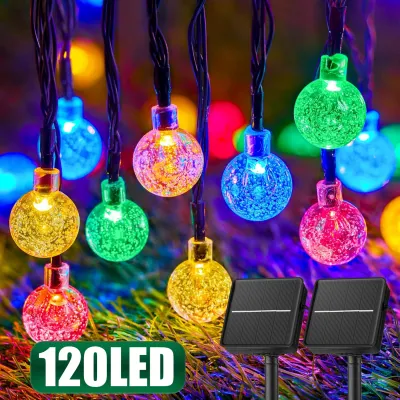
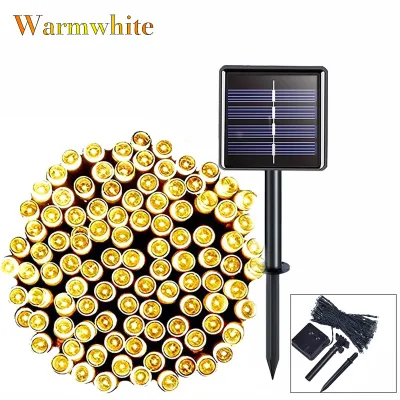
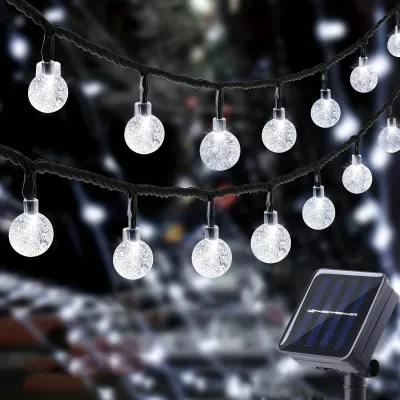
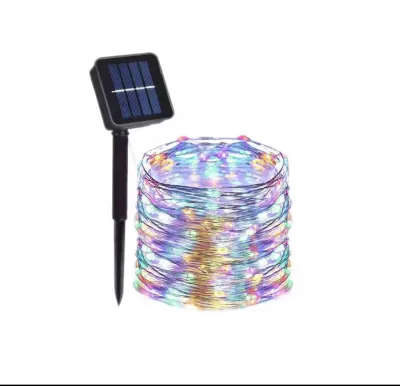
Prices are valid at publication and may change. Please refer to the product page for the latest price.
Physical materials also dictate how long your lights will last under the intense Philippine sun. Constant exposure to ultraviolet (UV) radiation can degrade cheap plastics, causing them to become brittle and crack within weeks. Check the product details for UV-resistant cable jackets, which protect the internal copper wiring from exposure to moisture. Furthermore, ensure that any exposed metal components, such as connectors, screws, or mounting brackets, are made of rust-proof materials like stainless steel or treated aluminum to prevent corrosion caused by high humidity.
When evaluating solar lights, also verify the electrical certification marks on the packaging, which indicate the product has passed safety standards. While solar lights operate on low-voltage direct current (DC) and do not require fixed high-voltage wiring, any integrated charging adapters or hybrid AC/DC backup systems must match your local voltage standards (typically 220V in the Philippines) and wattage limits. If your installation requires working at heights, mounting near existing fixed outdoor wiring, or handling suspended loads, always isolate the main power source first and consider consulting a qualified professional to ensure safety.
Recommended Light Styles for Different Outdoor Spaces
While color temperature (such as warm white or cool white) and spatial effects are matters of personal preference rather than performance indicators, matching the physical design of the lights to your home’s architectural features ensures both a beautiful display and a setup that can withstand seasonal weather shifts. The physical design of your solar Christmas lights does more than just define their visual appeal; it also dictates where they can be safely installed, how much structural support they require, and how vulnerable they are to wind and rain.

Flexible Copper Wire and Fairy Lights
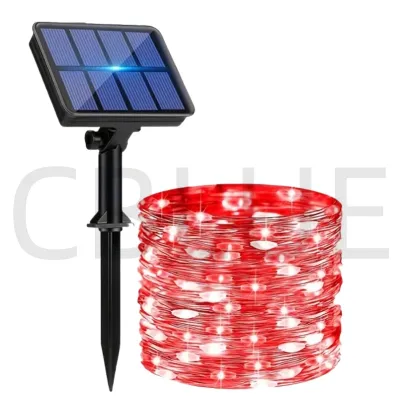
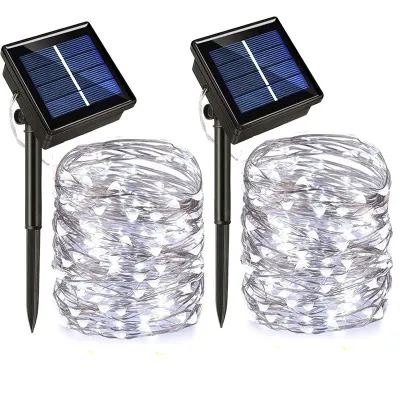
Flexible copper wire lights, often referred to as fairy lights, feature tiny LEDs embedded directly along a thin, bendable wire. These lights are highly versatile and are best applied when wrapped tightly around tree trunks, wound along balcony railings, or draped in semi-sheltered indoor-outdoor transition zones like verandas and patios. Because the wire is highly malleable, it can conform to complex shapes without requiring heavy mounting hardware.
However, this delicate construction introduces specific limitations. Thin copper wires are highly vulnerable to physical damage from strong winds, which can cause them to snap or snag on rough tree bark. When evaluating these lights, check the product specifications for the thickness of the wire coating; a thicker protective lacquer or plastic sleeve helps shield the delicate copper from moisture and physical wear. Additionally, because the solar panel and battery pack are separate from the wire strand, you must verify that the battery housing itself carries an independent outdoor waterproof rating, as this component is highly sensitive to moisture ingress.
Vintage Globe and Bulb String Lights
Vintage globe and bulb string lights offer a classic, warm aesthetic that is ideal for larger outdoor gathering spaces. These lights are best suited for draping across open patios, hanging inside gazebos, or defining the borders of outdoor dining areas. Because the bulbs are larger and more visible than standard fairy lights, they create a distinct focal point even when turned off during the day.
When choosing bulb string lights, material selection is critical for safety and longevity. Opt for shatterproof plastic bulbs rather than traditional glass, as plastic is far less likely to break if the strand swings against a wall or post during a sudden gust of wind. It is also essential to inspect the seals around each bulb socket; high-quality outdoor strings feature tight rubber gaskets that prevent rainwater from seeping into the electrical contacts.
Keep in mind that these larger bulb strings are significantly heavier than wire lights. This added weight requires robust structural support. Instead of relying solely on plastic adhesive hooks, you may need to install secure metal anchor points or run a dedicated support wire (such as a guide wire) to bear the tension and weight of the light strand, preventing sagging and physical strain on the electrical connections.
Icicle and Net Lights for Rooflines and Trees
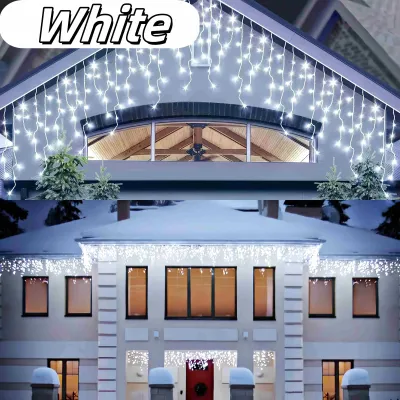
Icicle and net lights are designed to provide broad, sweeping coverage with minimal installation effort. Icicle lights, which feature vertical drops of varying lengths, are best applied along roof eaves, gutters, and balcony edges to mimic hanging ice. Net lights, on the other hand, consist of a grid of interconnected LEDs that can be easily draped over wide hedges, large shrubs, or shaped garden bushes, providing uniform illumination without the need to wrap individual branches.
While these styles offer high visual impact, they concentrate weight and wind resistance across a larger surface area. Before hanging icicle lights from your gutters, verify that the gutter brackets are secure and capable of supporting the added weight, especially when wet. Similarly, ensure that the branches of your shrubs are sturdy enough to hold net lights without bending or breaking.
Because these designs involve complex networks of wiring, they often feature a central connection hub where multiple strands or the main power cable meet. This hub is a primary point of vulnerability. When setting up your display, ensure this connection hub is positioned face-down or housed within a protective, weather-resistant enclosure to prevent rainwater from pooling inside the connection ports.
How to Verify Waterproof Claims and Build Your Shortlist
When shopping on online marketplaces, product titles often use the word “waterproof” as a generic search keyword rather than a verified technical specification. To build a reliable shortlist, you must perform your own verification checks before clicking the purchase button. Start by cross-referencing the seller’s written description with actual product images, user manual uploads, or close-up photos of the battery compartment. Look for physical evidence of weatherproofing, such as a thick rubber gasket lining the inside of the battery cover and sealed rubber boots over the power switches.
Be on the lookout for common red flags in product listings. If a product is advertised as fully waterproof but the close-up photos reveal exposed metal battery contacts, unsealed battery compartments, or open USB charging ports without tight-fitting rubber caps, the lights are highly unlikely to survive a heavy downpour. Another red flag is a listing that claims a high IP rating but fails to provide any corresponding documentation or clear photos of the product’s physical seals.
Additionally, take time to review the return policies and warranty terms offered by sellers on e-commerce platforms. Because solar lights are highly exposed to environmental stress, look for sellers who offer a clear return window or a warranty that specifically covers weather-related failures or units that arrive dead on arrival. Avoid purchasing from shops with poor customer ratings regarding durability or those that do not offer clear avenues for customer support.
Once you have filtered out questionable listings, create a comparison shortlist of your top candidates. Compare their verified IP ratings, the total length of the cable (ensuring there is enough unlit lead wire to reach from your solar panel’s sunny mounting spot to the start of the light display), and the physical size of the solar panel. A larger solar panel generally indicates a higher capacity to capture sunlight, which is a key factor in ensuring consistent performance.
Safe Installation and Weather Maintenance Practices
Proper installation and regular maintenance are just as important as buying the right product when it comes to extending the lifespan of your solar Christmas lights. When mounting your solar panel, prioritize structural safety and water integrity. Avoid drilling screws directly into waterproof roof membranes, flashing, or plastic gutters, as this can create pathways for water leaks into your home. Instead, utilize non-invasive mounting options such as heavy-duty plastic gutter clips, zip ties, or the ground stakes included with the product, ensuring the panel is firmly anchored to resist strong winds.
Once installed, your solar lights require routine maintenance to perform at their best. Over the course of the holiday season, dust, fallen leaves, and debris can accumulate on the surface of the solar panel, blocking sunlight and reducing charging efficiency. Periodically wipe the panel surface with a damp, soft cloth to remove dirt. Additionally, check the positioning of the panel to ensure that rainwater is draining off the surface naturally rather than pooling on top of the casing, which can eventually degrade the seals.
Finally, establish a clear protocol for severe weather. The Philippine holiday season can still bring severe typhoons and prolonged monsoons. If a major storm warning is issued, do not leave your solar lights exposed to extreme winds and torrential rain. Safely disconnect the solar panel, carefully coil the light strands to prevent tangling or stretching, and store the entire system indoors until the weather clears. This simple precaution can save your investment and prevent loose wires from causing damage to your property.
Frequently Asked Questions (FAQ)
How long do solar Christmas lights typically stay lit on a full charge?
The duration your solar Christmas lights remain illuminated depends on several variables, including the battery capacity, the total number of LEDs on the strand, and the selected lighting mode. Flashing or chasing modes generally consume less power than a steady-on setting, allowing the lights to run longer on the same charge. Additionally, solar lights feature built-in ambient light sensors that automatically turn the LEDs on at dusk; if your solar panel is installed near bright artificial streetlights or security lights, the sensor may be fooled into thinking it is still daytime, preventing the lights from turning on. Because performance varies widely based on these factors, you should always refer to the manufacturer’s specific runtime estimates under optimal charging conditions rather than relying on generic averages.
Will the solar panel charge effectively during the rainy season?
Solar panels can still generate electricity under diffused light or cloudy conditions, but their efficiency is significantly reduced compared to when they receive direct, unshaded sunlight. During the rainy season, consecutive overcast days mean the internal battery may not reach its full capacity. As a result, you should manage your expectations, as you may notice a dimmer light output or a significantly shorter runtime during cloudy weeks. To maximize charging efficiency when sunlight is limited, ensure the solar panel is positioned at an angle that captures the maximum amount of daylight and is completely free from shadows cast by trees, roof overhangs, or neighboring buildings.
Where is the safest and most effective place to mount the solar panel?
To get the most out of your solar Christmas lights, mount the solar panel in a location that receives unobstructed sunlight for the majority of the day, completely clear of shadows from roofs, trees, or adjacent structures. Because tropical weather can bring sudden, strong winds, ensure the mounting bracket or ground stake is firmly secured to prevent the panel from shifting or becoming a flying hazard. When routing the power cables from the panel to the light strands, keep them clear of high-traffic walkways to prevent tripping hazards, avoid pulling them tightly over sharp metal edges that could cut the insulation, and secure them out of reach of domestic pets or pests that might chew through the wiring.

Community discussion
Share your experience or ask a question. Comments are reviewed before publication.