
When upgrading outdoor spaces in the Philippines, finding a reliable solar light with panel water proof capabilities is essential for withstanding heavy rain, high humidity, and intense tropical heat. Because marketing claims can often be misleading, making a smart purchase requires looking beyond generic buzzwords. A truly durable outdoor lighting setup relies on verified technical specifications, appropriate physical configurations, and robust build materials that can endure the local climate year-round.
Whether you are illuminating a garden pathway, securing a dark driveway, or adding decorative accents to a backyard patio, understanding how these systems operate is key. Solar lights offer an energy-efficient, wire-free alternative to traditional grid-powered lighting, but their performance depends entirely on their exposure to sunlight and their ability to keep moisture out. By evaluating your specific yard layout and matching it with the right technology, you can ensure your outdoor spaces remain bright and safe even during the wettest months of the year.
This guide provides a practical framework for evaluating waterproof solar lights available on e-commerce platforms and in local hardware stores. You will learn how to decode Ingress Protection (IP) ratings, compare integrated and split-panel designs, analyze critical battery and material specifications, and implement maintenance routines that extend the lifespan of your fixtures.
Products mentioned in this guide
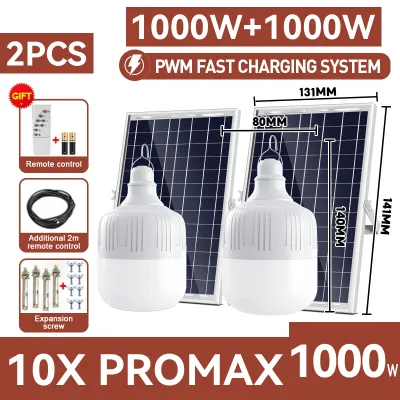
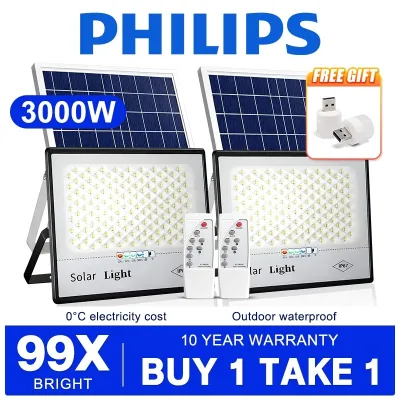
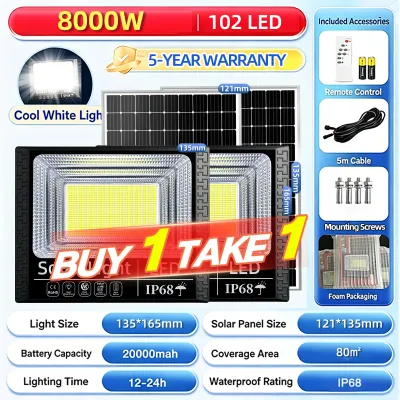
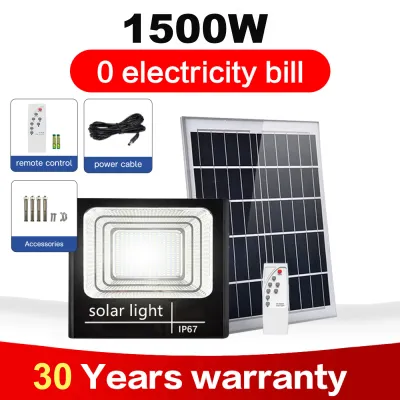
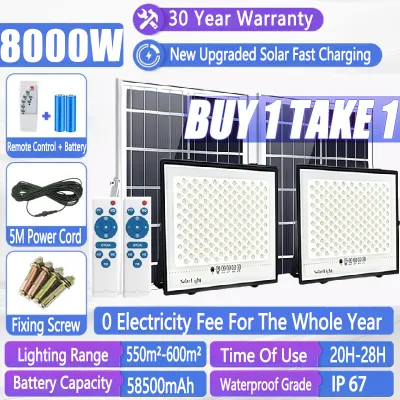
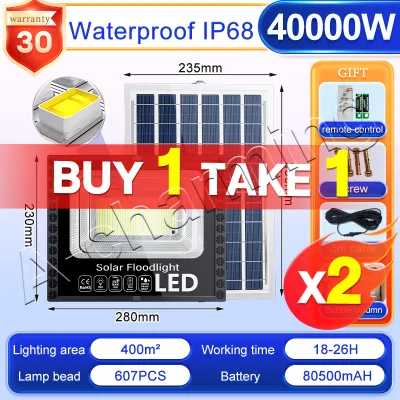
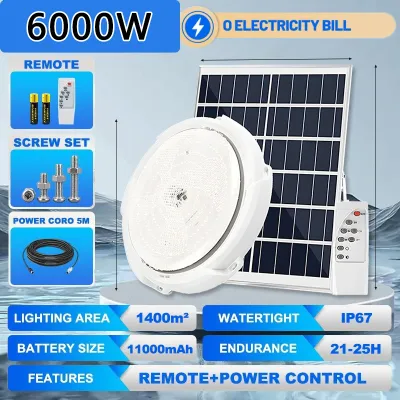
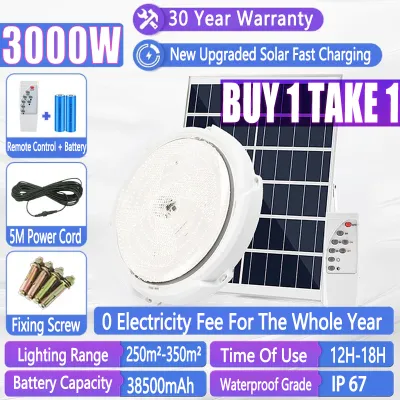
Prices are valid at publication and may change. Please refer to the product page for the latest price.
Understanding "Waterproof" Ratings for Tropical Weather
When browsing for outdoor lighting, the term “waterproof” is frequently used as a generic marketing label. To find a fixture that can actually survive torrential downpours and high tropical humidity, you must look for the Ingress Protection (IP) rating. This international standard defines exactly how well an electrical enclosure protects against the entry of solid objects and liquids, providing a reliable metric instead of unverified product titles.
An IP rating consists of two digits. The first digit, ranging from 0 to 6, indicates protection against solid particles like dust, soil, and insects. A rating of 6 means the fixture is completely dust-tight, which is crucial for preventing fine tropical dust or small insects from nesting inside the housing and damaging the internal circuitry. The second digit, ranging from 0 to 9K, measures protection against water ingress. For outdoor garden and yard lights, you will typically encounter ratings between 5 and 8.
An IP65 rating signifies that the light is protected against water jets projected by a nozzle from any direction. This level of protection is generally sufficient for standard rain, light monsoons, and splashes from garden hoses. An IP66 rating offers a higher level of defense, certifying that the enclosure can withstand strong, high-pressure water jets, making it highly suitable for areas exposed to severe wind-driven rain.
For low-lying garden areas, pathways near drainage channels, or spots prone to temporary pooling during heavy downpours, look for an IP67 rating. This certification indicates that the fixture can withstand temporary immersion in water up to one meter deep for up to 30 minutes. While IP67 provides excellent peace of mind against flash floods, it is important to remember that standard outdoor pathway and garden lights are not designed for continuous submersion. True underwater applications, such as pond or pool lighting, require an IP68 rating and specialized installation procedures.
To verify these ratings, always check the physical product packaging, embossed markings on the light housing, or the official manufacturer specification sheets. If a product listing on an online marketplace claims to be waterproof but fails to provide a certified IP rating, it is best to proceed with caution. Relying on unverified claims often leads to premature product failure when the first heavy monsoon arrives.
Integrated vs. Separate Solar Panels: Which Setup Fits Your Space?
Choosing the right physical configuration for your solar lights depends heavily on the layout of your outdoor space and the availability of direct sunlight. Outdoor solar lights generally fall into two categories: all-in-one integrated designs and split-panel systems. Each configuration offers distinct advantages and limitations depending on where you plan to install them.

All-in-one integrated solar lights feature the solar panel built directly onto the top of the light fixture itself. This design is highly compact, visually streamlined, and incredibly easy to install since there are no external wires to manage. These fixtures are ideal for fully exposed, unshaded areas such as open garden pathways, fence tops, and lawn perimeters. However, their primary limitation is that the entire unit must be placed in a spot that receives direct, unobstructed sunlight for several hours each day. If you mount an integrated light under a roof eave, beneath a dense tree canopy, or along a shaded side wall, the panel will not receive enough sunlight to charge the battery fully, resulting in dim illumination or extremely short runtimes.
In contrast, split-panel solar lights separate the light fixture from the solar panel, connecting the two components with a durable, weather-resistant cable. This setup offers maximum installation flexibility. You can mount the light fixture exactly where you need illumination—such as inside a dark carport, under a deep veranda, or along a heavily shaded pathway—while positioning the solar panel several meters away on a sunny roof, pole, or wall. This ensures the panel receives maximum solar exposure while the light performs its duty in the shade.
When opting for a split-panel system, you must carefully evaluate several installation constraints. First, check the manufacturer’s specified cable length, which typically ranges from two to five meters, to ensure it can bridge the distance between your desired light location and the sunniest mounting spot. Second, proper wire management is essential; loose, hanging cables can flap violently during strong winds, get damaged by pests, or create tripping hazards. Always secure the connecting wires along walls or posts using UV-resistant cable ties, mounting clips, or protective conduits. Finally, ensure that both the mounting surface for the light and the bracket for the separate panel are structurally sound and capable of supporting the wind load during stormy weather.
Key Specifications to Check Before Buying
To make an informed purchase on e-commerce platforms or at local hardware stores, you need to evaluate a practical checklist of technical specifications. Looking beyond the exterior design allows you to assess how well the light will perform in terms of brightness, battery life, and long-term durability.
First, evaluate the brightness and coverage area of the fixture. Rather than relying on wattage, which only measures power consumption, look at the lumen (lm) output. For low-level pathway marking, decorative garden accents, or soft ambient lighting, an output of 50 to 150 lumens is usually sufficient. General yard, patio, or driveway lighting typically requires 200 to 500 lumens to provide clear visibility. For high-visibility security lighting or floodlights designed to illuminate large open areas, prioritize fixtures that deliver 800 to 1,500 lumens or more. Additionally, consider the beam angle: a narrow beam angle of 30 to 60 degrees creates a focused spotlight effect, whereas a wide beam angle of 120 degrees or more is ideal for broad, even area coverage.
Second, examine the battery chemistry and charging capacity. Modern solar lights typically use either Lithium-ion (Li-ion) or Lithium Iron Phosphate (LiFePO4) batteries. LiFePO4 batteries are highly recommended for tropical climates because they offer superior thermal stability in high temperatures, a significantly longer lifespan with more charge-discharge cycles, and better safety profiles compared to older battery types. Ensure the solar panel wattage (W) is sufficient to charge the battery capacity (measured in milliampere-hours, mAh, or watt-hours, Wh) within a standard day of sunlight. A large-capacity battery paired with an undersized solar panel will struggle to charge fully, especially during overcast days.
Third, inspect the build materials of the housing. The fixture must endure intense UV radiation, high humidity, and physical impacts. High-quality Acrylonitrile Butadiene Styrene (ABS) plastic with UV-resistant coatings is lightweight, rust-proof, and cost-effective, but low-grade plastics can quickly become brittle, yellow, and crack under the tropical sun. For maximum durability and heat dissipation, die-cast aluminum housings are excellent. Proper heat dissipation is critical because excessive heat can degrade LED chips and reduce their lifespan. If choosing aluminum, ensure it features a high-quality, corrosion-resistant powder coating to prevent oxidation in humid coastal environments.
Fourth, treat decorative style, perceived color temperature, and spatial effects as conditional preferences rather than universal performance facts. For instance, a cool white light (typically 5000K to 6500K) may enhance visibility and security along a driveway, while a warm white light (around 2700K to 3000K) might create a more welcoming, relaxed atmosphere for a garden patio. The right choice depends entirely on your aesthetic preferences and the specific spatial effect you wish to achieve in your yard.
Finally, verify technical compatibility and safety standards. If the fixture features a hybrid design that connects to your home’s electrical grid, verify the input voltage requirements, base or interface types, and wattage limits to prevent electrical overloads. For models that include a backup USB charging port, check the interface type (such as USB-C) and the recommended input voltage. Always look for recognized electrical certifications on the product label or manual to ensure the internal charging circuitry has been tested for safety, rather than assuming a product is safe based solely on its category name.
Installation and Maintenance for Longevity
Proper installation and routine maintenance are vital to maximizing the lifespan and performance of your outdoor solar fixtures. By following safe practices and manufacturer guidelines, you can protect your investment from premature wear and environmental damage.
Before beginning any installation, establish clear safety boundaries. If your lighting project involves fixed electrical wiring, working in damp areas, working at height to mount heavy floodlights on high eaves, or handling suspended loads, always prioritize safety. Ensure all power sources are isolated before touching any electrical connections. Always follow the manufacturer’s installation instructions carefully. If the installation requires climbing tall extension ladders, drilling into high concrete walls, or working near overhead power lines, consult a qualified professional electrician or contractor to perform the work safely.
When positioning your solar lights, follow strict placement rules to optimize charging. Ensure the solar panel is completely free from shadows cast by trees, roof overhangs, or adjacent structures. In the Philippines, which is located in the northern hemisphere close to the equator, tilting the solar panel at an angle of approximately 10 to 15 degrees facing south is generally recommended. This tilt maximizes year-round solar energy absorption and allows rainwater to run off naturally, carrying away loose dust and debris. Secure all mounting brackets firmly to solid surfaces using appropriate masonry screws, wall anchors, or heavy-duty mounting hardware to prevent the fixtures from shifting or detaching during strong winds.
Routine maintenance is simple but essential for long-term performance. At least once a month, clean the surface of the solar panel using a soft, damp microfiber cloth and clean water. Accumulated dust, pollen, bird droppings, and salt residue can form a film over the photovoltaic cells, significantly reducing charging efficiency. Avoid using abrasive chemical cleaners, harsh detergents, or rough scrubbing pads, as these can scratch the protective glass or plastic coating, permanently degrading the panel’s performance.
During your regular cleaning, inspect the physical housing of the light for any signs of damage, such as hairline cracks in the plastic, loose screws, or condensation building up inside the lens. If you notice condensation, check the seals and gaskets; some manufacturers provide instructions on how to dry the unit and re-apply silicone sealant to restore the waterproof barrier. Finally, when the battery’s runtime begins to degrade significantly after several years of use, follow the manufacturer’s instructions to replace the battery. Always use a replacement battery that matches the original specifications in terms of voltage, chemistry, and capacity to ensure safe and reliable operation.
Frequently Asked Questions (FAQ)
Do solar lights work during the rainy season?
Yes, solar panels can still charge under cloudy, overcast, or rainy skies, but their charging efficiency is significantly reduced compared to direct, bright sunlight. During prolonged periods of rain, the panel may only generate a fraction of its typical power, meaning the battery will not reach a full charge. This can result in shorter runtimes at night or dimmer light output. To ensure reliable performance during the wet season, prioritize solar lights equipped with high-efficiency monocrystalline solar panels, larger battery capacities, and energy-saving smart modes—such as motion-sensor-only activation—which conserve stored power by only illuminating when someone is nearby.
Can I leave solar lights outside during typhoons?
While high-quality waterproof solar lights are designed to withstand heavy rain and wind, extreme weather events like typhoons present severe hazards, including flying debris, falling tree branches, and localized flooding. For temporary ground-mounted stake lights, decorative pathway lights, or lightweight fixtures, it is highly recommended to temporarily remove and store them indoors before a typhoon makes landfall. For permanently mounted wall lights, floodlights, or pole-mounted fixtures, ensure that all mounting brackets are securely bolted to solid structural surfaces and that any connecting cables are tightly fastened to prevent wind damage. Additionally, verify that all rubber seals and cable entry points are fully intact to prevent wind-driven rain from forcing its way into the housing.

Community discussion
Share your experience or ask a question. Comments are reviewed before publication.