
Decorating your home’s exterior for the holidays brings a festive warmth to the neighborhood, but the tropical climate in the Philippines presents unique challenges for outdoor lighting. High humidity, sudden heavy downpours, and intense daytime heat can quickly compromise standard indoor lights, leading to short circuits or premature product failure. To ensure your outdoor Christmas decor remains safe and vibrant throughout the holiday season, you must select string lights specifically engineered to withstand moisture and environmental exposure.
Choosing the right waterproof string lights involves evaluating key technical specifications, such as Ingress Protection (IP) ratings, wire insulation materials, and power delivery systems. By matching these product characteristics to your specific outdoor layout—whether it is an open garden, a covered patio, or a balcony—you can prevent electrical hazards and enjoy a reliable display. This guide outlines the essential factors to consider when purchasing and installing outdoor holiday lights, helping you make an informed decision for your home.
Decoding Waterproof Ratings for Outdoor Holiday Lighting
When shopping for outdoor Christmas decor, you will frequently encounter terms like “waterproof” and “water-resistant” on product packaging. However, these marketing terms can be ambiguous and do not guarantee a specific level of protection. To make a reliable choice, you should look for the Ingress Protection (IP) rating, which is an international standard that defines how effectively an electrical enclosure seals against solids and liquids.
Products mentioned in this guide
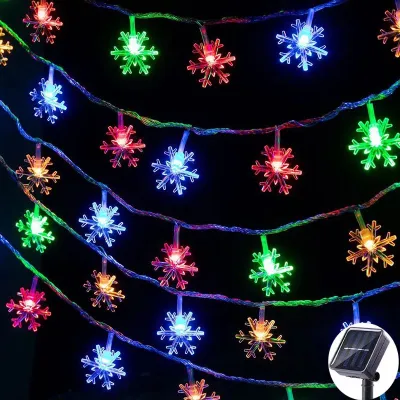
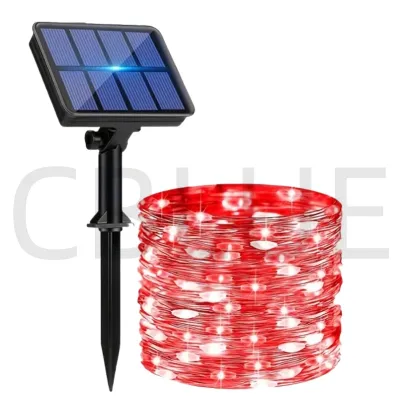
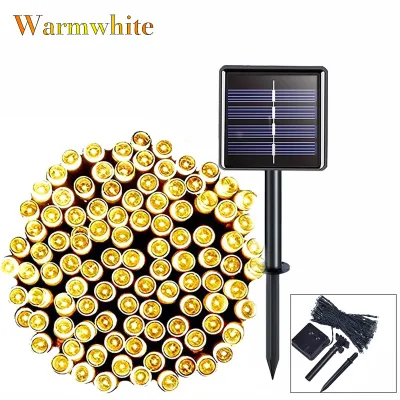
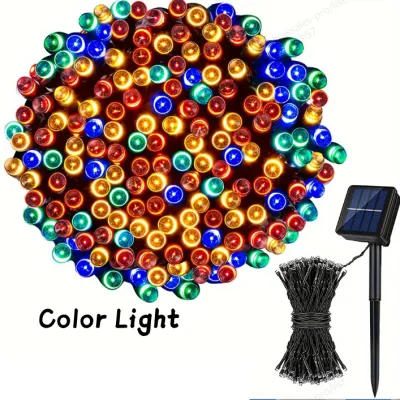
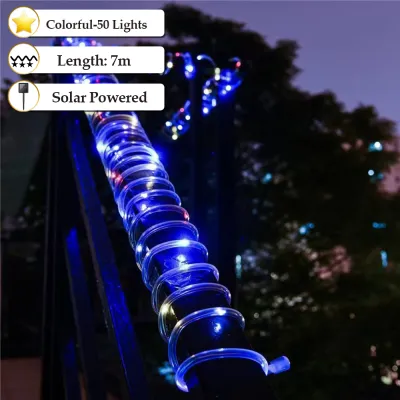
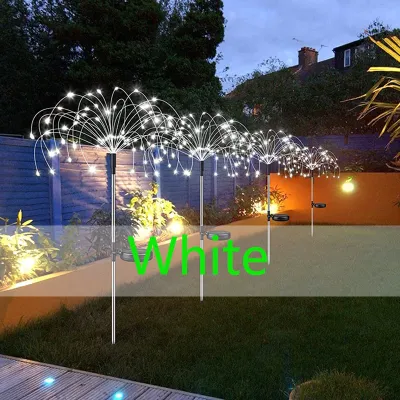
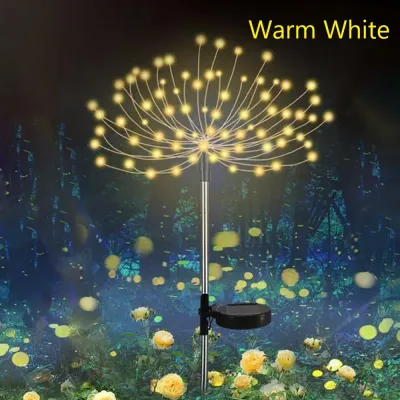
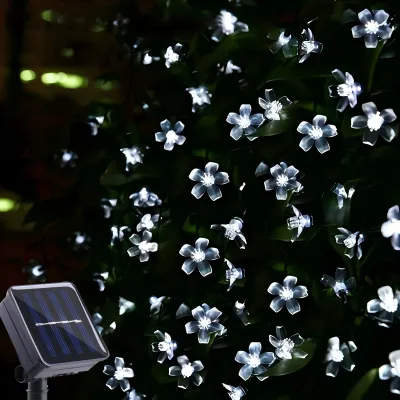
Prices are valid at publication and may change. Please refer to the product page for the latest price.
An IP rating consists of two digits. The first digit (ranging from 0 to 6) indicates protection against solid objects like dust, while the second digit (ranging from 0 to 9) measures protection against water. For outdoor holiday lighting in the Philippines, where seasonal rains can be intense, you should focus primarily on the second digit to ensure the lights can handle wet conditions.
An IP44 rating is generally considered the minimum standard for outdoor use. Lights with this rating are protected against splashes of water from any direction. This makes them suitable for semi-protected outdoor areas, such as covered porches, balconies, or under deep eaves where they will not face direct, heavy downpours.
For fully exposed areas like open gardens, trees, fences, or rooflines, an IP65 rating or higher is highly recommended. IP65-rated string lights are completely dust-tight and can withstand low-pressure water jets from any angle. This level of protection ensures that the lights remain operational and safe even during severe tropical rainstorms.
Before purchasing any lighting product, always physically check the manufacturer’s label, product packaging, or official specification sheet for the exact IP code. If a product is labeled “outdoor” but lacks a verifiable IP rating, it may not have undergone standardized testing, making it a risky choice for wet environments.
Evaluating Materials and Power Sources for Local Climates
The longevity of your outdoor Christmas decor depends heavily on the materials used in the light strands and how they are powered. The intense tropical sun and high humidity can rapidly degrade low-quality plastics and thin wires, leading to exposed conductors and electrical failures.

The wire jacket material is your first line of defense against environmental wear. Heavy-duty rubber cables (often labeled as rubberized or neoprene) offer excellent resistance to UV radiation, high temperatures, and moisture absorption. In contrast, standard PVC (polyvinyl chloride) jackets are lighter and more affordable but tend to degrade, stiffen, and crack when exposed to prolonged sunlight and heat, which can allow water to seep into the wiring.
Power sources also play a critical role in your setup’s convenience and safety. Plug-in string lights provide consistent, bright illumination and are ideal for large displays, but they require proximity to outdoor outlets and careful cable management. Solar-powered string lights offer an eco-friendly alternative that eliminates the need for extension cords, though their performance depends entirely on receiving several hours of direct sunlight daily to charge the internal batteries. Battery-operated lights are highly portable and convenient for small, isolated accents like wreaths on gates, but they have limited runtimes and require regular battery replacements.
When comparing light sources, light-emitting diode (LED) bulbs offer significant advantages over traditional incandescent bulbs for outdoor holiday displays. LEDs consume up to 80% less energy, emit virtually no heat, and are constructed from durable plastic rather than fragile glass. This low heat emission is particularly important when draping lights over living plants, wooden structures, or synthetic materials, as it significantly reduces the risk of heat damage or fire.
Electrical Safety and Installation Boundaries
Installing outdoor electrical equipment requires strict adherence to safety protocols to protect your home from electrical shocks or short circuits. Water is an excellent conductor of electricity, meaning any outdoor lighting setup must be thoroughly insulated and properly configured.
All extension cords used for your display must be explicitly rated for outdoor use, featuring heavy-duty insulation and weather-resistant plugs. Standard indoor extension cords should never be used outside, as their thin jackets cannot withstand moisture or physical wear. Additionally, all outdoor plug connections must be housed inside weatherproof socket covers or specialized outdoor connection boxes to prevent rainwater from seeping into the plugs.
Before beginning any installation, it is crucial to identify the boundaries of safe DIY work. If your holiday display requires modifying your home’s fixed electrical wiring, installing new outdoor outlets, mounting lights at extreme heights that require specialized climbing gear, or running cables through damp, subterranean areas, you must isolate the power at the main breaker and consult a licensed electrician. Attempting complex electrical work without professional training poses severe safety risks.
Another critical safety factor is avoiding circuit overloading. Every light strand has a maximum wattage limit and a specific limit on how many strands can be safely connected end-to-end (daisy-chained). Always read the manufacturer’s instructions to determine the maximum number of allowable connections, and calculate the total wattage of your display to ensure it does not exceed the capacity of your outdoor outlet’s circuit breaker.
Planning Layouts and Placement for Your Outdoor Space
A successful outdoor holiday display requires careful planning and precise measurements to ensure the lights fit beautifully without putting physical stress on the wires. Hanging lights too tightly can stretch the copper conductors inside the cables, leading to internal breaks and partial outages.
To determine the total length of string lights needed, use a simple measurement formula. First, measure the straight-line distance between your planned anchor points using a measuring tape. Next, multiply this distance by a sag factor of approximately 1.1 to 1.15 to account for a natural, graceful drape. Finally, add the distance from the first bulb to your power outlet (the lead cord length) to ensure you do not have unlit bulbs stretching awkwardly toward the plug.
The visual ambiance of your display is also influenced by your choice of color temperature, which is a matter of personal preference. Warm white lights (typically around 2700K to 3000K) emit a soft, golden glow that creates a cozy, traditional holiday atmosphere. Cool white lights (5000K to 6500K) provide a bright, crisp, bluish-white light that offers a modern, high-contrast look, which can make architectural lines stand out sharply against the night sky.
When securing your lights to existing structures like balcony railings, tree branches, or roof eaves, use safe fastening methods that do not damage the wire insulation. Plastic zip ties, insulated cable clips, and temporary outdoor adhesive hooks are excellent choices because they hold the wires securely without pinching. Never use metal staples, nails, or bare wire twists to secure your light strands, as these can easily cut through the protective jacket and create a dangerous short circuit.
Post-Holiday Maintenance, Storage, and Troubleshooting
Proper care at the end of the holiday season is essential for extending the lifespan of your waterproof string lights, ensuring they remain safe and functional for future use. Taking the time to clean and store your lights correctly prevents material degradation and physical damage during the off-season.
Before performing any maintenance, always turn off the power and unplug the light strands from the wall. To clean the lights, gently wipe the bulbs and wires with a soft, damp microfiber cloth to remove accumulated dust, pollen, and outdoor grime. Avoid using harsh chemical solvents or abrasive scrubbing pads, as these can degrade the plastic housings and damage the waterproof seals around the bulbs.
Allow the light strands to dry completely in a shaded, well-ventilated area before packing them away. Storing damp lights in airtight containers can trap moisture, leading to mold growth and corrosion of the metal electrical contacts. When packing, coil the wires loosely using the over-under method to avoid twisting or kinking the internal copper strands, which can cause permanent wire fractures. Store the coiled lights in a cool, dry place away from direct sunlight and pests.
If you encounter issues like flickering or partial outages when setting up your lights, follow a basic troubleshooting checklist. First, check the plug for a replaceable fuse, which is common in many plug-in strands; a blown fuse can often be replaced with the spare typically included in the original packaging. Next, inspect individual bulbs to ensure they are securely seated in their sockets, as a loose bulb can interrupt the electrical circuit in series-wired strands. Finally, carefully examine the entire length of the wire for any signs of physical damage, such as cracks or chew marks from pests, and discard any strands with compromised insulation.
Frequently Asked Questions (FAQ)
Can I leave waterproof string lights outside year-round?
While high-quality waterproof string lights with an IP65 rating are designed to withstand wet weather, leaving them installed outdoors year-round is generally not recommended unless they are explicitly rated for permanent installation. Continuous exposure to intense tropical UV rays, high humidity, and seasonal storms will accelerate the degradation of plastic wire jackets and silicone seals over time. To maximize the lifespan of your lights, it is best to check the product manual for usage classifications and take seasonal lights down after the holidays.
Are solar-powered string lights bright enough for Christmas decoration?
Solar-powered string lights are highly effective for creating ambient decorative accents, such as wrapping tree trunks or draping along garden pathways. However, because they rely on solar panels and internal batteries, their brightness is typically lower than that of plug-in models, and their runtime will be significantly reduced on cloudy or rainy days during the monsoon season. For primary holiday displays or areas requiring high-impact illumination, plug-in LED string lights remain the more reliable choice.

Community discussion
Share your experience or ask a question. Comments are reviewed before publication.