
Selecting the right wire gauge and length for fairy string lights in a condo bedroom is essential for balancing cozy ambiance with electrical safety. For typical low-voltage USB or battery-operated setups, thin copper or silver wires (often around 24 to 30 AWG) are highly flexible and virtually invisible against bedroom walls. If you are using mains-powered string lights, you will need a thicker, insulated wire (typically 18 to 22 AWG) to safely handle the higher voltage. To find the perfect length, measure your target area—such as a headboard or window frame—and add a practical buffer of at least 1 to 2 meters to reach the nearest outlet without stretching the cord.
Understanding Wire Gauge and Power Ratings
When shopping for christmas lights wire, you will often encounter the American Wire Gauge (AWG) system. This standard measures the thickness of the metal conductor inside the wire. A lower AWG number indicates a thicker wire, which can safely carry more electrical current over longer distances without overheating. Conversely, higher AWG numbers represent very thin wires, which are common in delicate decorative lighting.
Fairy string lights generally fall into two categories: low-voltage and mains-powered. Low-voltage options, such as those powered by USB ports or AA batteries, typically operate on 5V or 12V. These systems use incredibly thin wires, often between 24 AWG and 30 AWG, making them highly flexible and easy to drape over delicate bedroom decor. Mains-powered lights plug directly into your condo’s 220V wall outlets and require much thicker, heavily insulated wires—usually 18 AWG to 22 AWG—to safely manage the higher voltage.
Products mentioned in this guide
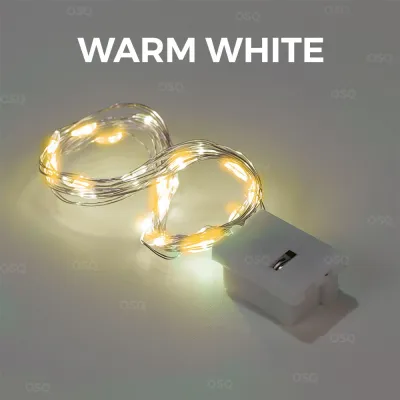
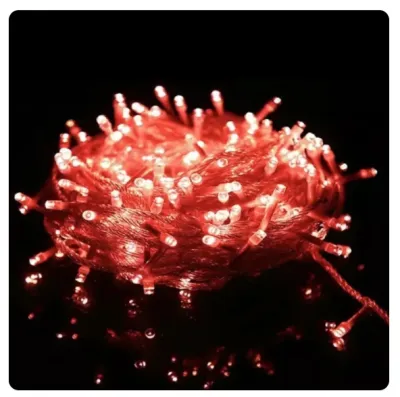
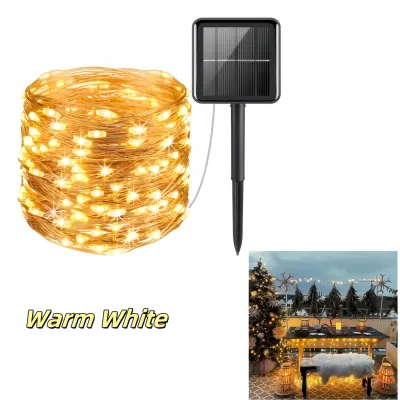
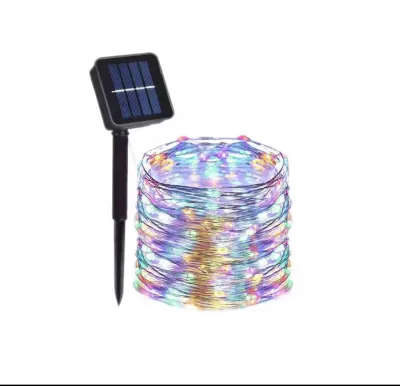

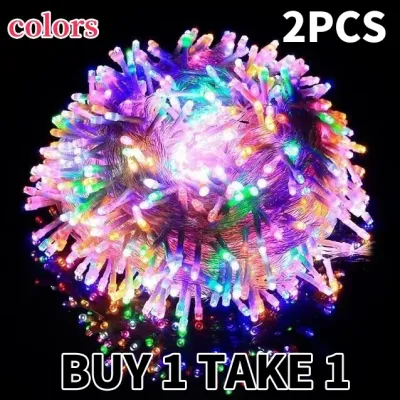
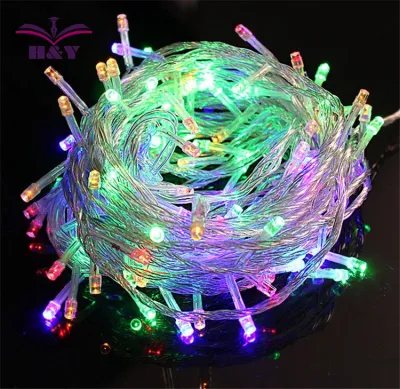
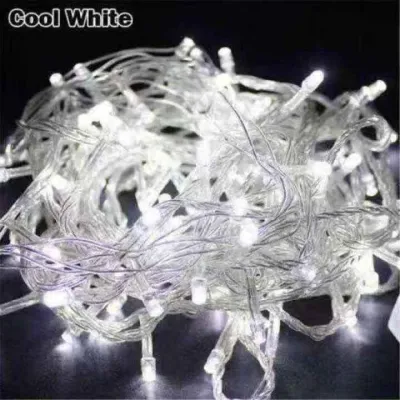
Prices are valid at publication and may change. Please refer to the product page for the latest price.
If you choose a low-voltage setup with an exceptionally long wire run, you may encounter a phenomenon known as voltage drop. This occurs when electrical resistance causes the voltage to decrease as it travels down the line, resulting in bulbs that look noticeably dimmer at the far end of the string. To prevent this, manufacturers limit the length of thin-gauge wire strings or use slightly thicker conductors for longer runs.
Before purchasing any lighting product, always inspect the manufacturer’s product label or specification sheet. Look for the maximum wattage, current limits (measured in amperes), and the recommended power supply specifications. Verifying these details ensures your power adapter or USB wall charger can safely support the electrical load of the lights without overloading.
Calculating Wire Length for Small Bedroom Layouts
To determine how much christmas lights wire you need, start by mapping out your bedroom layout. Use a flexible measuring tape to trace the exact path where the lights will hang, whether you are outlining a wooden headboard, framing a window, or running a warm glow along the ceiling edges. Write down these measurements to establish your baseline length.

Always add a practical buffer of 1 to 2 meters to your final measurement. This extra length ensures the wire can drape naturally and reach the nearest wall outlet comfortably. Stretching a wire tight creates mechanical tension that can damage the internal conductors or pull the plug loose, posing a safety hazard in a busy bedroom.
The length you choose also dictates the visual density of the lights. If you prefer a subtle, minimalist accent, a single straight run of thin copper wire works beautifully. For a brighter, more dramatic effect, you might want to double back or cluster the strings closely together, which requires twice or three times the baseline length of wire.
While it is tempting to connect multiple light strings to cover a larger area, you must never daisy-chain them beyond the maximum limit specified in the product manual. Overloading a single run can exceed the current-carrying capacity of the thin wire gauge, leading to excessive heat buildup and potential electrical failure.
Electrical Safety and Installation Boundaries
Electrical safety is paramount when installing ambient lighting in a cozy, enclosed condo bedroom. Before hanging any string lights, carefully inspect the entire length of the wire for cracked insulation, exposed copper, or loose plug connections. Ensure the product features recognized safety certification marks, which indicate the lights have undergone standard safety testing.
Never attempt to cut, splice, or modify the factory wire gauge or length at home. Altering the original wiring compromises its insulation and changes the electrical resistance, which can lead to short circuits or fire hazards. If a string is too long, do not bunch the excess wire tightly together; instead, adjust your layout or choose a shorter product.
When routing your lights, keep the wires away from flammable materials. Avoid draping active wires directly across bedding, heavy curtains, or paper decorations, as even low-voltage lights can generate mild heat over hours of continuous use. In the warm, humid climate of the Philippines, ensuring your electrical connections remain dry and well-ventilated is especially important to prevent moisture-related short circuits. Ensure the wires are not pinched behind heavy furniture like wardrobes or bed frames, which can crush the insulation.
If your condo bedroom lacks accessible wall outlets, or if you are considering a permanent, hardwired lighting installation, do not attempt a DIY workaround. Always isolate the power at the circuit breaker before handling any fixed electrical components, and consult a qualified professional to install new outlets or permanent wiring safely.
Frequently Asked Questions (FAQ)
Can I use an extension cord if the fairy light wire is too short?
Yes, using a properly rated extension cord is significantly safer than attempting to splice or modify the light’s original wire. Ensure the extension cord’s power rating comfortably exceeds the total wattage of your fairy lights, and verify that it carries local safety certification marks. Never run extension cords under area rugs, across high-traffic walkways where they present a tripping hazard, or through pinched spaces like doors and windows that can damage the protective outer jacket.
Does the wire color affect the ambient lighting effect?
The color of the wire plays a major role in how seamless your lighting setup looks when the bulbs are turned off. Copper and silver wire options are highly flexible and blend beautifully with warm wood tones, metallic accents, or minimalist white walls. Green wires are ideal if you are weaving lights through indoor plants or holiday garlands, while clear plastic wires are excellent for glass, mirrors, or highly modern, neutral backdrops where you want the wiring to remain as unobtrusive as possible.

Community discussion
Share your experience or ask a question. Comments are reviewed before publication.