
Choosing the right reading light is the key to creating a comfortable, strain-free nighttime reading routine. The decision between a clip-on book lamp and a traditional bedside lamp ultimately depends on your bedroom layout, your physical reading posture, and whether you share your sleeping space with a partner. While one offers highly focused, localized illumination, the other provides a broader, ambient glow that serves multiple purposes in the room.
By evaluating how each lamp type distributes light, handles power, and adjusts to your posture, you can select the ideal fixture for your space. This guide compares the core features of both options to help you make an informed decision for your home.
Core Differences in Light Distribution and Space
Clip-on book lamps and traditional bedside lamps distribute light in fundamentally different ways, which directly impacts your reading comfort. A clip-on lamp typically utilizes a narrow-angle lens or a small, concentrated LED array to project a highly directional beam. This focused light illuminates only the pages of your book or the screen of your e-reader, leaving the surrounding environment dark. This localized illumination is highly efficient and prevents light spill from disturbing a sleeping partner.
Products mentioned in this guide
![[Ready Stock+COD] Portable Clip Desk Lamp Eyes Protection Clamp Clip Light Bendable USB Reading Lamp Desk Bedroom](https://img.lazcdn.com/g/p/fe3ecec97a78b930c65c5dda67f67fbd.png_400x400q80.png_.webp)
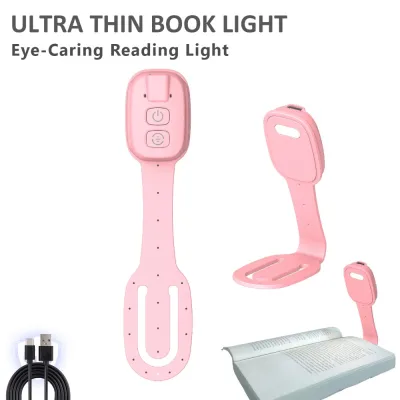
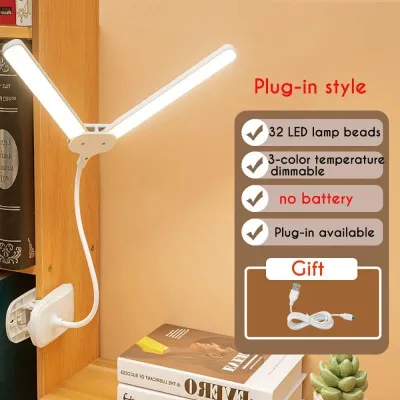
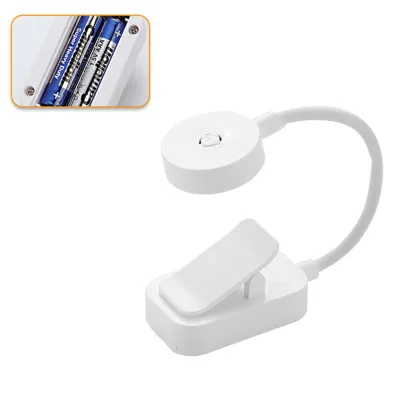
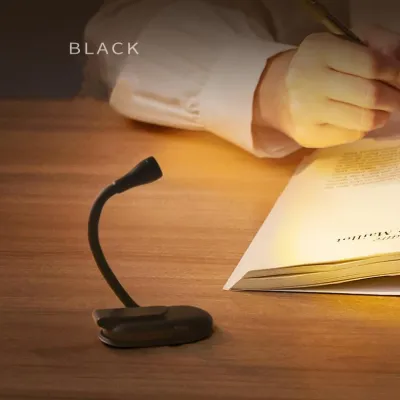
Prices are valid at publication and may change. Please refer to the product page for the latest price.
In contrast, a traditional bedside lamp is designed to provide a broader, ambient spread of light. These fixtures usually feature a fabric, glass, or plastic shade that diffuses light in a 360-degree pattern, casting a warm glow across a larger portion of the room. While this ambient light is excellent for winding down before sleep, navigating the room safely, or performing general bedside tasks, it is less targeted and can create unwanted glare on highly reflective book pages.
Space constraints also play a major role in determining which lamp fits your bedroom. In compact urban bedrooms or shared living spaces where floor area is limited, a traditional nightstand might not be practical. Clip-on lamps bypass the need for a side table entirely, as their mounting mechanisms require only a compatible lip, edge, or headboard to secure themselves. Bedside lamps, however, require a stable, flat surface to sit on, which can crowd your bedside table with other essentials like phones, water glasses, or books.
Your typical reading posture also dictates how shadows and glare affect your eyes. If you prefer to lie flat or lean to one side while reading, a fixed bedside lamp can cast distracting shadows across your book as your head or shoulders block the light path. Because a clip-on lamp attaches directly to your reading material or moves with your headboard, you can position the light source to maintain a consistent, shadow-free view of your text regardless of how you shift your body.
Power Sources, Portability, and Setup Constraints
Understanding how each lamp type is powered is essential for planning your bedroom layout and ensuring electrical safety. Traditional bedside lamps are almost exclusively plug-in fixtures that rely on a nearby wall outlet. In the Philippines, this means verifying that the lamp is rated for the standard 220V electrical grid and features a compatible plug interface. Relying on a wall outlet means your bed placement is somewhat restricted by the location of your electrical sockets, unless you run extension cords.

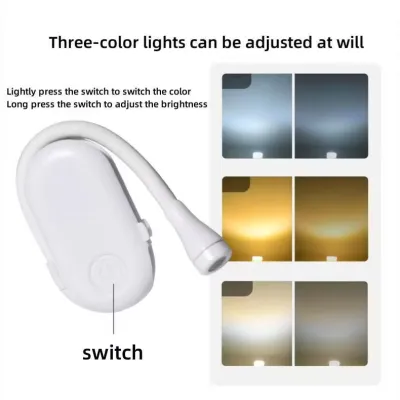
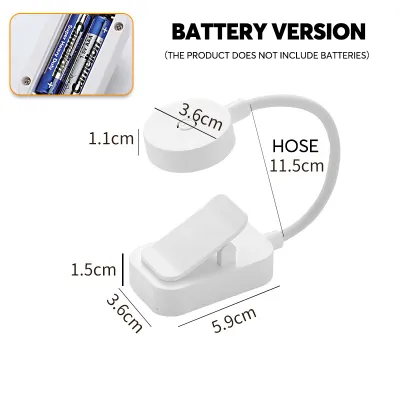
Clip-on reading lamps offer a highly portable alternative, with many models utilizing rechargeable lithium-ion batteries or direct USB power connections. This cordless design allows you to read anywhere in the room, on a balcony, or even during power interruptions without being tethered to a wall outlet. However, this portability comes with the trade-off of regular maintenance, as you must manage charging schedules or replace disposable batteries to prevent the light from dimming mid-chapter.
When setting up any lighting fixture near your bed, electrical safety should always be a priority. For plug-in bedside lamps, avoid daisy-chaining multiple extension cords or overloading a single outlet with adapters for your phone, fan, and lamp. Ensure that all power cords are routed safely away from high-traffic areas where they could be tripped over, and check that they are not pinched by the bed frame, which can damage the cord insulation over time.
Before purchasing any electrical fixture, it is wise to check for recognized safety certifications, such as the Philippine Standard (PS) mark or the Import Commodity Clearance (ICC) sticker. These marks indicate that the product has undergone rigorous testing for voltage stability and thermal safety. For rechargeable clip-on models, verify the charging interface and ensure you use a compatible wall adapter that matches the manufacturer’s specified input voltage to prevent overheating.
Ergonomics and Adjustability for Nighttime Reading
Ergonomic adjustability is a critical factor in preventing eye strain and maintaining a comfortable reading posture over long periods. Clip-on lamps excel in this category, often featuring highly flexible goosenecks or multi-axis adjustable arms. This flexibility allows you to bend, twist, and micro-adjust the light source to target your book precisely, eliminating harsh reflections on glossy pages or digital screens.
Traditional bedside lamps offer much more limited physical adjustability. While some modern industrial designs feature adjustable swing arms, most standard bedside lamps are static fixtures. To alter the direction or intensity of the light, you must physically move the entire lamp base or rely on built-in dimming features. The design of the lampshade also dictates the light’s path; an opaque shade concentrates light downward for reading, while a translucent shade scatters light outward, which can increase eye strain if the bulb is directly visible at eye level.
Physical stability and surface protection are also important practical considerations for both lamp types. A clip-on lamp relies entirely on the tension of its spring-loaded clamp to stay in place. If the clip lacks protective silicone or rubber padding, it can easily scratch wooden headboards, damage painted shelves, or slip off smooth metal frames. You must verify that the clip’s jaw opening is wide enough for your mounting surface and that the spring tension is strong enough to support the weight of the lamp head without drooping.
For bedside lamps, the weight and balance of the base are the primary safety factors. A top-heavy lamp can easily be knocked over in the dark or tipped by the breeze from a nearby desk fan or air conditioning unit. Look for bedside lamps with weighted bases and non-slip bottom pads to ensure they remain securely anchored to your nightstand, especially if you have pets or young children in the home.
Decision Framework: Choosing the Right Lamp for Your Environment
To finalize your choice, evaluate your specific reading habits, bedroom layout, and lifestyle preferences against the following practical scenarios.
Choose a clip-on book lamp if:
- You have limited bedroom space and do not have room for a dedicated bedside table.
- You share a bed and need a highly targeted beam of light that will not wake your partner.
- You prefer a lightweight, portable light source that you can easily pack for travel or move to different reading spots around the house.
- You read in various postures and need a flexible gooseneck to constantly adjust the light angle and eliminate page glare.
Choose a bedside lamp if:
- You have ample surface space on a sturdy nightstand and prefer a permanent, plug-in lighting setup.
- You want a multi-purpose light source that provides warm, ambient illumination for the entire bedside area.
- You prefer not to worry about recharging batteries or managing USB cables near your bed.
- You view lighting as a key decorative element and want a fixture that complements your bedroom's interior design style.
Verify first if:
- The thickness of your headboard, bed frame, or shelf matches the maximum jaw opening of the clip-on lamp you plan to buy.
- Your bedside table is sturdy enough to support a weighted lamp base, and a certified 220V wall outlet is within safe reaching distance of the power cord.
- The color temperature of the bulb (measured in Kelvins) matches your preference, keeping in mind that warm light (2700K to 3000K) is generally more relaxing for nighttime reading than cool blue light.
Frequently Asked Questions (FAQ)
Can I use a clip-on lamp on a thick headboard?
Yes, but you must verify the manufacturer’s maximum jaw opening specification before purchasing. Most standard clip-on lamps accommodate surfaces between 1.5 to 2.5 inches thick. If your headboard is exceptionally thick, heavily padded, or tufted, the clip may slip or fail to attach securely. In these cases, consider clipping the lamp to a nearby wall shelf, a floating ledge, or even the top edge of your book’s cover.
Are rechargeable book lamps safe to leave on the bed?
Rechargeable book lamps are generally safe, but they require basic thermal precautions. Because they contain lithium-ion batteries, you should regularly check the housing for unusual heat buildup during extended use. Never leave a charging or active lamp covered by heavy blankets, pillows, or soft furnishings, as trapped heat can degrade the battery or pose a safety risk. Always follow the manufacturer’s guidelines regarding continuous run times and charging safety.

Community discussion
Share your experience or ask a question. Comments are reviewed before publication.