
Finding the right led reading light is not about searching for a single universal solution, but rather about matching the light’s physical design to your personal reading habits, posture, and room layout. The way you position your body while reading—whether you are sitting upright at a desk, lounging on a sofa, or lying flat in bed—dictates how light should fall on your pages. Choosing a style that does not align with your posture can lead to awkward shadows, neck strain, or even sleep disruption for others sharing your space.
By comparing clip-on, neck-worn, and traditional desk LED reading lights, you can identify which form factor fits your physical environment. Each style offers distinct advantages in terms of beam spread, portability, and mounting requirements. Evaluating these options against your typical reading positions and space constraints ensures you select a light that protects your eyes and enhances your reading comfort.
Assessing Your Reading Posture and Space Constraints
Before looking at specific light designs, take a moment to observe how and where you read. If you prefer sitting upright in bed, your lighting needs will differ significantly from someone who reads lying flat on their back or curled up on their side. Upright readers generally benefit from elevated light sources that cast a wide, downward beam, while side-lying readers require highly adjustable, low-profile illumination to prevent shadows cast by their own heads or hands.
Products mentioned in this guide
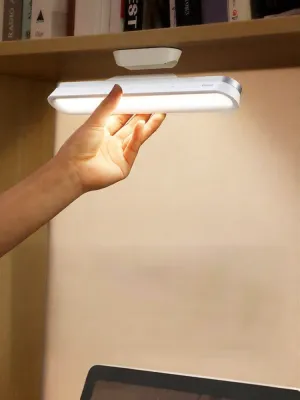
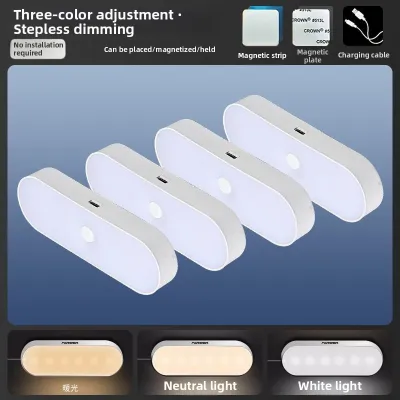
Prices are valid at publication and may change. Please refer to the product page for the latest price.
Physical space constraints also play a critical role in your decision. Take a close look at your immediate surroundings: do you have a thick wooden headboard, a minimalist metal bed frame, or a spacious nightstand? A lack of flat surfaces immediately rules out traditional desk lamps, while a padded or fabric-covered headboard might not accommodate a heavy clamp.
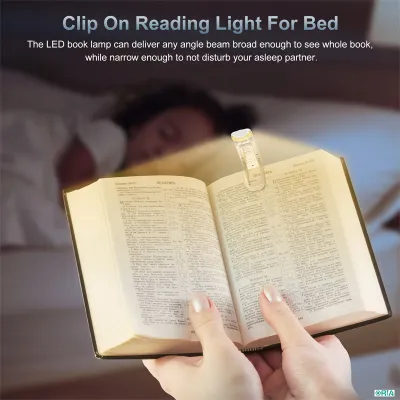
Additionally, consider your living environment and household dynamics. In many homes, especially during warm tropical evenings when fans or air conditioners are running, you might position yourself in specific areas of the room to stay comfortable. If you share a bed with a partner who is sensitive to light, a broad, ambient lamp will likely cause disruption. In such cases, a highly directional beam that illuminates only your book is essential for maintaining a peaceful shared space.
Clip-On LED Reading Lights: Ideal for Tight Spaces and Headboards
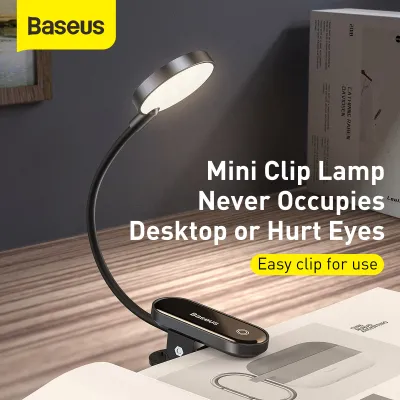
Clip-on LED reading lights are highly valued for their compact footprints and notable versatility. These devices feature a spring-loaded clamp at the base, allowing you to attach the light directly to book covers, e-readers, headboards, or nearby shelving. Because they do not require a flat tabletop, they are an excellent solution for small bedrooms or minimalist spaces where a nightstand is absent or fully occupied.

For readers who maintain a relatively fixed, upright, or semi-reclined position in bed, a clip-on light provides reliable, close-range illumination. The flexible neck—often referred to as a gooseneck—allows you to bend and twist the light source to direct the beam precisely onto your page. This portability also makes them highly convenient for travel, easily packing into a bag to provide familiar lighting in hotel rooms or during transit.
However, you must verify several physical limitations before choosing a clip-on model. First, measure the thickness of your headboard or bed frame and compare it to the manufacturer’s specified clamp jaw width. A clamp that is too narrow will fail to grip securely, leading to slips that can scratch or dent wooden furniture. Look for clips equipped with rubberized grips or foam padding to protect delicate finishes from wear.
Power configurations also require careful inspection. If you select a plug-in clip-on light, ensure the power cord is long enough to reach your nearest wall outlet without creating a tripping hazard. For battery-powered or rechargeable models, consider the weight distribution; a heavy battery pack located in the clip can make the light top-heavy when attached to a thin paperback book, causing the pages to bend or the light to sag during use.
Neck-Worn LED Reading Lights: Ideal for Movement and Shared Beds
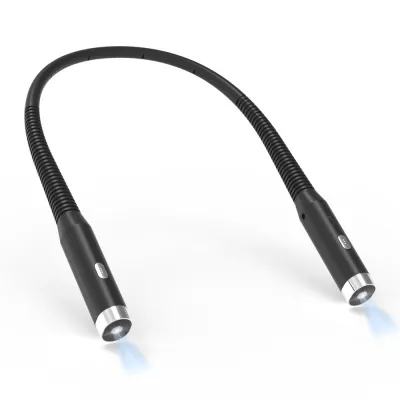
Neck-worn LED reading lights represent a modern, highly personal approach to task lighting. Designed to rest comfortably around your neck, these flexible, collar-like devices feature independent light heads on each end. This configuration allows you to direct two separate beams of light precisely where your hands are holding your book or device, completely independent of any nearby furniture.
This style is particularly well-suited for restless readers who change positions frequently, as well as side sleepers. Because the light source is physically resting on your body, the beam moves naturally with your head and shoulders. You no longer need to manually readjust a lamp or clip every time you shift from your back to your side, ensuring uninterrupted focus on your reading material.
For those who share a bed, neck-worn lights offer a high level of light control. The beams are typically highly focused and narrow, illuminating only the immediate reading area without spilling ambient light across the entire bed. This targeted illumination allows you to read late into the night without disturbing a sleeping partner, even in close quarters.
When evaluating neck-worn models, comfort and physical fit are paramount. Because the device rests on your collarbone, you must verify its overall weight and the materials used in its construction. In warm, humid climates, soft, breathable, and sweat-resistant silicone or lightweight plastics are preferable to heavy, non-breathable bands that can cause skin irritation during long reading sessions. Additionally, check that the flexible arms are rigid enough to hold their shape once adjusted, preventing the light from shifting as you breathe or move.
Desk LED Reading Lamps: Ideal for Stable Surfaces and Broad Coverage
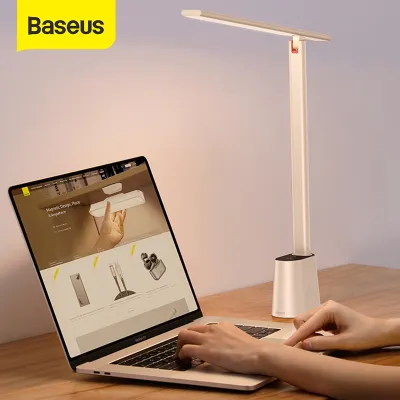
Traditional desk LED reading lamps remain a highly reliable option for readers who have dedicated, flat surfaces and prefer a broad, uniform field of light. Designed to sit securely on a nightstand, side table, or study desk, these lamps provide a stable lighting foundation that does not rely on clamping to furniture or resting on your body.
If you prefer to read while sitting upright in an armchair or propped up with supportive pillows in bed, a desk lamp offers unmatched structural support. Many models feature multi-jointed adjustable arms and swiveling heads, allowing you to customize the height and angle of the light over a wide range. This flexibility ensures you can position the light source high enough to eliminate shadows cast by your hands or the book itself, creating a highly comfortable reading environment.
The primary trade-off with desk lamps is their physical footprint. They require a dedicated, stable surface, which may not be feasible if your nightstand is small or cluttered with other daily essentials. Before purchasing, measure your available tabletop space and compare it to the dimensions of the lamp’s base to ensure a secure fit.
Stability and reach are critical specifications to verify. A high-quality desk lamp should feature a weighted base to prevent tipping, especially when the adjustable arm is fully extended over your reading material. Check the manufacturer’s specifications regarding the maximum reach of the arm and the weight of the base to ensure the lamp remains balanced and secure in all positions.
Key Specifications to Verify Across All Styles
Regardless of which form factor best fits your reading position, several technical specifications must be verified to ensure eye comfort and safety. First, look for adjustable brightness levels and color temperature settings. Reading under harsh, cool white light can strain your eyes and disrupt your sleep cycle by suppressing melatonin production. Opt for lights that offer a warm light setting (around 2700K to 3000K) and dimming capabilities, allowing you to transition smoothly into a restful state before sleep.
Power source reliability is another crucial factor, particularly in regions prone to occasional power fluctuations or outages. Rechargeable LED reading lights with USB charging compatibility offer excellent versatility, allowing you to power your light using standard mobile phone chargers, power banks, or laptops. If you choose a plug-in model, verify that the voltage is compatible with local standards and look for recognized electrical safety certifications to ensure safe operation within your home.
To protect your eye health during extended reading sessions, check manufacturer specifications for flicker-free technology and diffused lenses. Low-quality LEDs can exhibit rapid, invisible flickering that leads to headaches and eye fatigue over time. A diffused lens helps scatter the light evenly, reducing harsh glare on glossy book pages or e-reader screens.
Below is a general comparison of the three primary LED reading light styles to help you visualize their typical characteristics:
| Feature | Clip-On Lights | Neck-Worn Lights | Desk Lamps |
|---|---|---|---|
| Primary Mounting | Clamps onto edges | Worn around the neck | Rests on flat surfaces |
| Beam Spread | Narrow to medium | Highly focused | Broad and uniform |
| Portability | High (compact) | Maximum (wearable) | Low (stationary) |
| Surface Required | Sturdy edge/headboard | None (body-worn) | Flat, stable surface |
| Best Posture | Fixed upright/semi-reclined | Shifting, side-lying, or active | Upright sitting or propped |
Final Decision Framework: Matching the Light to Your Needs
To make your final decision, map your primary reading habits directly to the strengths of each style. Choose a clip-on light if you have a sturdy headboard or nearby shelf, limited nightstand space, and prefer to read in a relatively consistent, upright position. This option keeps your surfaces clear while providing targeted, adjustable illumination.
Opt for a neck-worn light if you share a bed with a light-sensitive partner, change positions frequently, or enjoy reading while lying flat on your back or side. The body-worn design ensures the light moves with you, keeping the beam focused strictly on your pages without spilling light across the room.
Select a desk lamp if you have a spacious nightstand or desk, prefer a wide and uniform spread of light, and read primarily while sitting upright. Before finalizing your purchase, always verify physical compatibility: check clamp jaw widths for clip-ons, weight and material comfort for neck lights, and base stability for desk lamps.

Community discussion
Share your experience or ask a question. Comments are reviewed before publication.