
Choosing the perfect light source for reading in bed is not a one-size-fits-all decision. Neither a clip-on lamp nor a traditional bedside lamp is universally superior; instead, the ideal choice depends heavily on your specific bedside space, headboard design, and preferred reading posture. While a clip-on lamp offers exceptional space-saving flexibility and highly targeted illumination, a traditional bedside lamp provides a stable, weighted base and a broader wash of ambient light that can warm up the entire bedroom. Understanding how these two distinct form factors perform under daily use will help you select a lighting setup that prevents eye strain and integrates seamlessly into your bedroom layout.
Space and Mounting Flexibility
Traditional bedside lamps require a dedicated, flat surface on a nightstand or bedside table. In smaller bedrooms or tight urban spaces where square footage is at a premium, dedicating a significant portion of a nightstand to a lamp base can limit your storage for essentials like books, glasses, or a glass of water. If your bedside table is compact or non-existent, a traditional lamp may not even be a viable option.
In contrast, clip-on lamps bypass the need for table space entirely by utilizing vertical surfaces. By clamping directly onto a headboard, a nearby floating shelf, or even the edge of a bed frame, these compact fixtures keep your nightstand completely clear. This makes them highly suitable for minimalist bedrooms, bunk beds, or tight corners where a standard table cannot fit.
Products mentioned in this guide
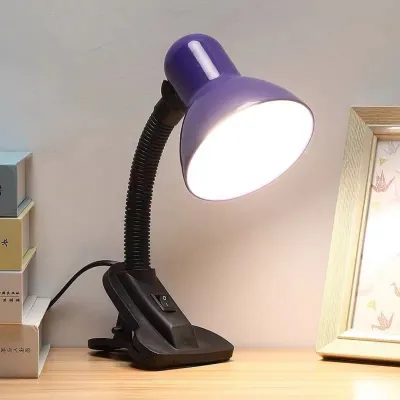
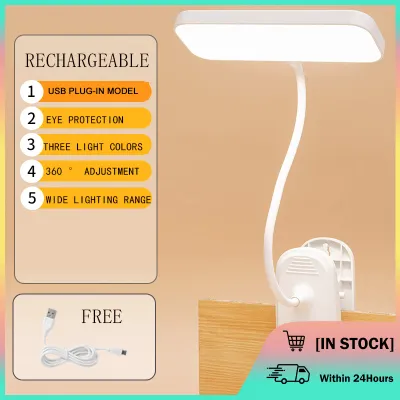
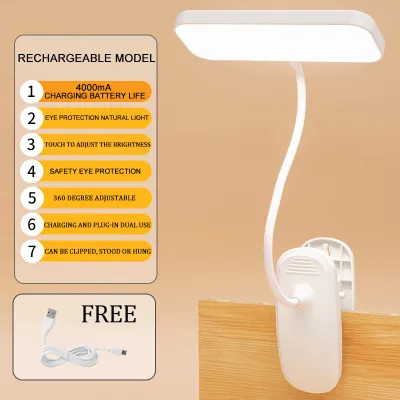
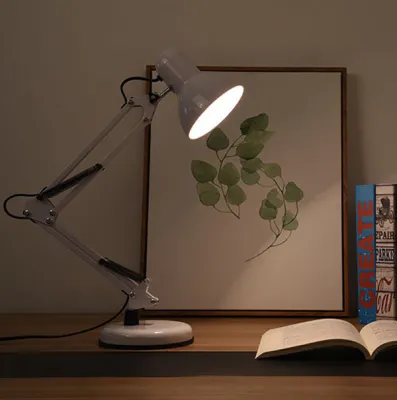

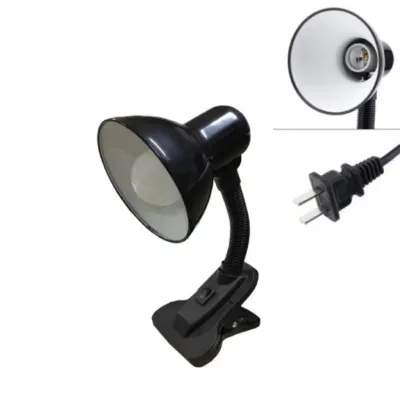
Prices are valid at publication and may change. Please refer to the product page for the latest price.
However, clip-on models require a compatible and secure mounting surface to function safely. Before purchasing, you must measure the thickness of your headboard or shelf and compare it against the maximum jaw opening specified by the lamp manufacturer. A clamp that is forced onto an overly thick headboard can slip, lose its grip, or even snap under tension. Additionally, delicate materials like soft pine, upholstered fabrics, or thin plastics may suffer from indentation marks or structural damage under the constant pressure of a heavy spring clamp.
Another physical factor to consider is how movement affects each lamp type. A traditional bedside lamp rests on a heavy, weighted base that isolates it from minor bed movements, though it remains vulnerable to being accidentally knocked over if you reach out in the dark. A clip-on lamp, while immune to being tipped over onto the floor, is directly coupled to your bed frame. If you toss and turn, adjust your pillows, or sit up, the resulting vibrations can cause a poorly secured clip-on lamp to wobble, shift its angle, or transfer distracting vibrations through a flexible gooseneck arm.
Light Quality and Adjustability
The way light is directed plays a crucial role in your reading comfort, especially if you share a bed. Clip-on lamps typically feature highly adjustable goosenecks or multi-axis swivels paired with narrow, focused shades. This design allows you to direct a concentrated beam of light precisely onto your book pages or e-reader screen, minimizing light spill across the bed. This targeted illumination is ideal for late-night reading sessions when you want to avoid waking a sleeping partner.

Traditional bedside lamps, on the other hand, generally utilize fabric, glass, or paper shades that diffuse light in a wide, 360-degree pattern. While this creates a warm, inviting ambient glow that illuminates the entire bedside area, it offers very little directional control. The broad light cast can easily spill over to the other side of the bed, potentially disrupting anyone sleeping next to you. However, for solo sleepers who prefer a soft, room-filling glow rather than a harsh spotlight, the ambient distribution of a traditional lamp is often more relaxing.
Regardless of the form factor, you must verify the technical specifications on the product packaging or label to ensure the light is suitable for reading. Look for adjustable brightness settings and color temperature controls. For nighttime reading, a warm color temperature between 2700K and 3000K is highly recommended, as it minimizes blue light exposure that can interfere with your sleep cycle. Ensure the lamp provides sufficient lumens—typically between 200 and 450 lumens for reading—without being so bright that it causes discomfort in a dark room.
Glare is a major contributor to eye fatigue during extended reading sessions. Traditional lamps with open tops or bottoms can expose your eyes to direct bulb glare if the lamp is positioned too high or too low relative to your eye level. Clip-on lamps, while easier to position away from your direct line of sight, can create harsh, high-contrast hot spots on glossy book pages or reflective digital screens if the beam is pointed at a sharp angle. Adjusting the angle so the light grazes the page rather than bouncing directly back into your eyes is essential for maintaining visual comfort.
Power Options and Cable Management
Power accessibility is a practical detail that dictates where you can place your lamp. Traditional bedside lamps almost exclusively rely on standard AC plug-in cords, requiring a nearby wall outlet. Clip-on lamps offer more diverse power configurations, including standard plug-in models, USB-powered designs, and rechargeable battery-operated units. Rechargeable clip-on models provide ultimate placement freedom, allowing you to read in areas completely devoid of electrical outlets, though they do introduce the chore of regular recharging.
Managing cables safely is particularly important when a light source is mounted directly to your bed. A traditional lamp cord typically drops straight down behind the nightstand, keeping it tucked away and out of sight. A plug-in clip-on lamp, however, requires a cord to drape down from the headboard or wall shelf. If left loose, this hanging cable can become an unsightly clutter hazard, get tangled in pillows, or be accidentally yanked when you adjust your bedding. Using adhesive cable clips to route the wire neatly along the back of the headboard is a practical way to maintain a tidy and safe setup.
Electrical safety should always be a priority when setting up bedside lighting. Always verify that the lamp’s voltage matches your local household supply—such as the standard 220V system in the Philippines—or use a certified USB adapter if the lamp is low-voltage. Adhere strictly to the manufacturer’s maximum wattage limits, especially if you are installing a replacement LED or incandescent bulb in a traditional lamp socket. For clip-on lamps attached to adjustable or moving bed frames, ensure the power cord has enough slack so it does not get pinched, stretched, or frayed within the moving joints of the bed, which could pose a serious short-circuit or fire hazard.
Decision Framework: Choose Based on Your Setup
A clip-on lamp is the ideal choice if you are working with a highly compact bedroom layout, have limited or no nightstand surface area, or share a bed with a partner who is sensitive to light. It is also the superior option if you prefer a highly focused, adjustable beam that you can position precisely over your shoulder or directly onto your reading material. Ensure you have a sturdy, thick headboard or a nearby shelf edge that can securely accommodate the clamp mechanism.
A traditional bedside lamp is better suited for those who have ample nightstand space and prioritize a cohesive, decorative aesthetic that anchors the bedroom’s design. It is the preferred option if you enjoy a soft, ambient glow that illuminates the entire bedside area for activities beyond reading, such as relaxing or dressing. Traditional lamps also offer a more stable, permanent feel, free from the worries of clamp slippage or battery degradation over time.
Before making your final purchase on any online marketplace or at a local home improvement store, perform a few quick checks. Inspect your headboard material to ensure it can withstand clamp pressure without scratching or denting, or verify that you have a suitable protective barrier to place under the clamp. Finally, map out your nearest electrical outlet to confirm that your chosen lamp’s cord length or charging requirements align with your room’s physical layout.
Frequently Asked Questions (FAQ)
Can I use a clip-on lamp on a metal or glass bed frame?
Yes, you can use a clip-on lamp on metal or glass bed frames, but you must exercise extreme caution to prevent damage and ensure stability. Metal frames can be slippery, causing a standard plastic clamp to slide out of position, while glass surfaces are highly fragile and can crack under concentrated clamp pressure. To use a clip-on lamp safely on these materials, choose a model equipped with thick, non-slip rubber grips or protective silicone padding inside the clamp jaws. This padding distributes the clamping force evenly, prevents scratches on metal finishes, and cushions fragile glass edges against direct pressure.
Are battery-operated clip-on lamps bright enough for extended reading?
Many modern battery-operated clip-on lamps are fully capable of providing adequate brightness for extended reading, but their performance depends heavily on their battery capacity and light settings. When shopping, check the product packaging for the lumen output; a reading light should ideally deliver at least 150 to 200 lumens on its medium or high setting. Keep in mind that running a rechargeable lamp at maximum brightness will drain the battery much faster, often leading to gradual dimming mid-chapter. To avoid frequent interruptions, look for models with lithium-ion batteries that specify a runtime of at least 4 to 6 hours on a single charge, or keep a USB charging cable nearby for easy top-ups.

Community discussion
Share your experience or ask a question. Comments are reviewed before publication.