
Choosing the right wall sconce light requires matching the fixture’s physical design and light output to the specific demands of your space. While a corridor demands wide, glare-free illumination to ensure safe passage, a bedside setup requires highly targeted, adjustable light that supports reading without disturbing a partner. Prioritizing the wrong features can lead to cramped hallways or uncomfortable glare in the bedroom. By understanding the distinct requirements of these two areas, you can select fixtures that enhance both the safety and comfort of your home.
Brightness and Beam Angle: Navigation vs. Reading
Choosing the right light output and beam spread is the first step in selecting a wall sconce light. In a corridor, the primary goal is safe navigation. Hallways are transitional zones where you need uniform, glare-free illumination to prevent tripping hazards. To achieve this, prioritize fixtures designed for wide light diffusion. Sconces with frosted glass, fabric shades, or opaque covers are excellent choices because they scatter light evenly across the floor and walls. When evaluating product specifications, look for the lumen output rather than just wattage, as modern LED fixtures provide high brightness with minimal energy consumption. Avoid exposed-bulb designs in narrow hallways, as they can create uncomfortable glare at eye level.
For a bedside setting, the lighting requirements shift from general ambient illumination to focused task lighting. If you enjoy reading in bed, a wide-beam sconce can be problematic because it spills light across the entire sleeping area, potentially disturbing a partner. Instead, look for fixtures with a narrow, concentrated beam angle. Many bedside sconces feature adjustable spotlights or cylindrical metal shades that direct light precisely onto your book or tablet. Additionally, verify the dimming method and compatibility of the fixture. A bedside sconce should support dimmable bulbs or feature an integrated dimmer switch, allowing you to transition from a bright reading light to a soft, relaxing glow before sleep. Always check the bulb base or interface type specified by the manufacturer to ensure you can easily source compatible dimmable bulbs.
Products mentioned in this guide
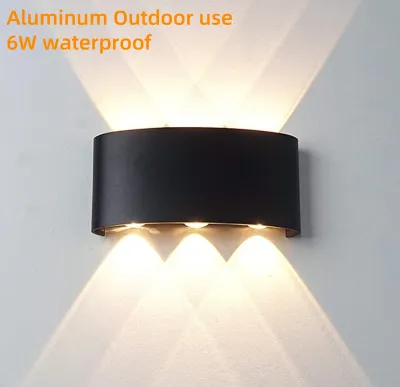
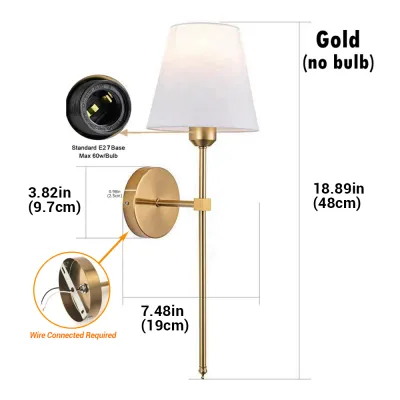

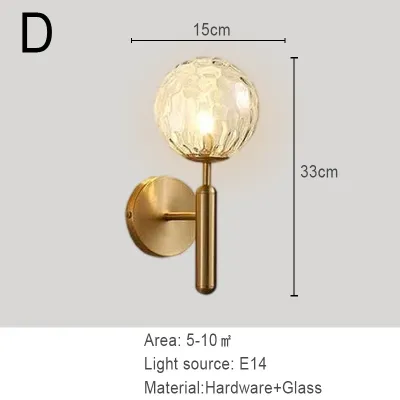
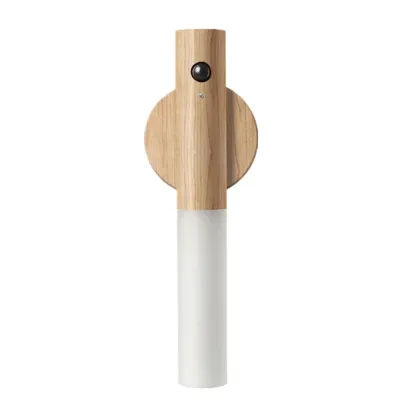
Prices are valid at publication and may change. Please refer to the product page for the latest price.
Understanding how to interpret product labels is essential for matching a sconce to its environment. Do not assume that a single color temperature or light distribution pattern works universally. For corridors, a neutral to warm color temperature (such as 3000K) is often preferred to maintain clear visibility while keeping the space feeling welcoming. For bedside areas, a warmer, softer tone (around 2700K) is highly popular because it minimizes blue light exposure and promotes relaxation. Always check the manufacturer’s packaging for light distribution diagrams to verify whether the fixture casts light upward, downward, or in all directions.
Sconce Design and Placement: Clearance vs. Accessibility
Physical dimensions and placement strategies are critical when dealing with the spatial constraints of hallways and bedrooms. In a corridor, walking clearance is the most important physical factor. Narrow hallways require low-profile or flush-mount sconces that do not protrude excessively from the wall. A bulky fixture can easily be bumped by passing shoulders, moving furniture, or carrying bags. Before purchasing, check the product’s depth specification. Many standard design guidelines recommend selecting fixtures with a shallow projection—ideally under 4 inches (10 centimeters)—to ensure the pathway remains completely unobstructed.

Spacing is another key consideration for corridor layouts. To avoid creating dark pockets or uneven shadows along your hallway, space your fixtures consistently. Review the manufacturer’s installation instructions and spacing guides, which typically suggest placing sconces several feet apart depending on the fixture’s lumen output and the width of the corridor.
Bedside ergonomics, on the other hand, prioritize accessibility and flexibility over a flush profile. A fixed, flat-to-the-wall sconce is rarely ideal for reading because it cannot adapt to different sitting or lying positions. Instead, look for bedside wall sconce light models featuring adjustable swing arms, scissor joints, or swivel heads. These mechanical features allow you to pull the light source closer when reading and fold it neatly back against the wall when finished. Furthermore, ensure the physical switch is positioned within easy reach from a lying position, saving you from having to stretch uncomfortably or get out of bed to turn off the light.
Balancing decorative style with physical depth and visual weight is a subjective preference that directly impacts the feel of each space. A heavy, highly ornate wrought-iron sconce might look stunning in a spacious entryway but can feel visually oppressive in a tight hallway or right next to your pillow. Sleek, minimalist designs with clean lines often work best in confined corridors, while softer materials like fabric, ceramic, or wood can add a cozy, tactile element to a bedroom setting.
Cross-Scenario Compatibility: Can One Sconce Fit Both?
It is common to wonder if a single, versatile wall sconce light design can successfully serve both corridor and bedside applications. Maintaining a consistent fixture style throughout your home can create a cohesive aesthetic. Some dual-purpose fixtures are designed to bridge this gap. For example, sconces with fully adjustable heads or dual-directional light output (casting light both upward and downward) can adapt to different roles. A dual-directional sconce can provide soft, indirect ambient light in a hallway, or it can be mounted lower in a bedroom to offer focused downward reading light while softly illuminating the wall above.
However, using a fixed ambient corridor sconce for bedside reading usually involves significant functional compromises. A fixed, shaded fixture cannot direct light onto your reading material, which may lead to eye strain or force you to sit in an uncomfortable position. Conversely, installing a highly focused bedside reading spotlight in a corridor will create harsh, dramatic pools of light and deep shadows. This uneven illumination can make a hallway feel dark and cave-like, compromising safety.
When deciding between specialized fixtures and versatile multi-use models, evaluate your daily habits and priorities. If you rarely read in bed and only require soft ambient light to wind down, a simple, fixed-shade sconce that matches your corridor aesthetic may be perfectly adequate. However, if you are an avid reader, investing in a specialized bedside fixture with an adjustable arm and a dedicated task light is highly recommended for optimal comfort and utility.
Wiring, Installation, and Safety Checks
Before purchasing any wall sconce light, performing thorough electrical and structural checks is essential for a safe installation. First, verify the voltage rating of the fixture to ensure it matches your local electrical system, which is typically 220V in the Philippines. Next, check the bulb base or interface type, wattage limits, and electrical certifications (such as safety marks) to ensure compatibility with your existing setup. Inspect the wall junction boxes to confirm they are securely mounted and capable of supporting the weight of the new fixture. If you are mounting a heavy or extended swing-arm sconce, verify that the wall structure—whether concrete, drywall, or wood—is strong enough to handle the physical leverage without sagging or pulling loose.
Understanding the boundary between DIY tasks and professional electrical work is crucial for home safety. Plug-in sconces, which mount to the wall and plug directly into a standard electrical outlet, are excellent DIY projects and are highly suitable for rental properties where permanent modifications are not allowed. However, hardwired sconces require direct connection to your home’s electrical wiring. For any hardwiring task, always isolate the power at the main circuit breaker before touching any wires. If your project involves routing new electrical lines through the wall, installing new junction boxes, or working at heights, always hire a qualified, licensed electrician to ensure compliance with local electrical codes and prevent fire hazards.
Environmental conditions must also guide your fixture selection. If your corridor connects directly to a bathroom, kitchen, or an open-air patio exposed to tropical humidity, standard indoor sconces can degrade rapidly. Check the product packaging for safety labels and damp-location ratings. Fixtures rated for damp locations feature sealed components and corrosion-resistant finishes that protect the internal wiring from moisture buildup, ensuring long-term safety and performance in humid environments.
Frequently Asked Questions (FAQ)
Do bedside wall sconces need to be hardwired?
No, bedside wall sconces do not have to be hardwired. Many manufacturers offer plug-in versions that mount easily to the wall and feature a cord that plugs into a nearby outlet. This is a highly convenient option for renters or those who want to avoid cutting into drywall. However, if you prefer a clean, seamless look without visible cords, hardwiring is the best choice. If you choose to hardwire but do not have existing bedside junction boxes, consult a licensed electrician to safely run the necessary wiring behind your walls.
How do I control bedside sconces without reaching for a wall switch?
To maximize convenience, look for bedside sconces that feature built-in controls directly on the fixture itself, such as a toggle switch, rotary dimmer, or pull chain. Another highly effective solution is utilizing smart home technology. By installing a compatible smart bulb, you can control the light via a smartphone app, voice commands, or a wireless remote switch mounted right next to your pillow. This eliminates the need to stretch or stand up to turn off the light before sleeping.

Community discussion
Share your experience or ask a question. Comments are reviewed before publication.