
To create a cozy cafe ambiance at home, you need a combination of warm-toned track lights and adjustable spot lights that layer your illumination. Replicating the intimate, relaxed vibe of your favorite neighborhood coffee shop requires moving away from harsh, uniform overhead lighting. Instead, a thoughtful layout of track and spot lights lets you direct light exactly where you need it—highlighting a coffee bar, a dining table, or a piece of wall art—while leaving other areas in soft shadow. By focusing on warm color temperatures, narrow beam angles for dramatic contrast, and dimmable fixtures, you can easily adjust the mood from a bright morning brew to a relaxed evening wind-down.
Defining the Cafe Lighting Aesthetic
The magic of cafe lighting lies in its warmth and intimacy. In many homes, a single central ceiling fixture floods the entire room with bright, uniform light, which can feel sterile and uninviting. Cafes, on the other hand, use warm color temperatures—typically between 2700K and 3000K—to create a golden, welcoming glow. In tropical climates like the Philippines, where natural daylight is intense and humid afternoons can feel draining, transitioning to this warm, low-glare illumination in the evening instantly signals your mind and body that it is time to rest and unwind.
Achieving this aesthetic requires a technique known as layered lighting. Instead of relying on one light source to do all the work, you combine ambient, task, and accent lighting. Ambient light provides a soft, general glow that allows you to navigate the room safely. Task lighting focuses bright, clear light onto specific work surfaces, such as your kitchen countertop or home espresso station. Accent lighting draws the eye to decorative elements, such as textured brick walls, indoor plants, or framed artwork, adding depth and visual interest to the space.
Products mentioned in this guide
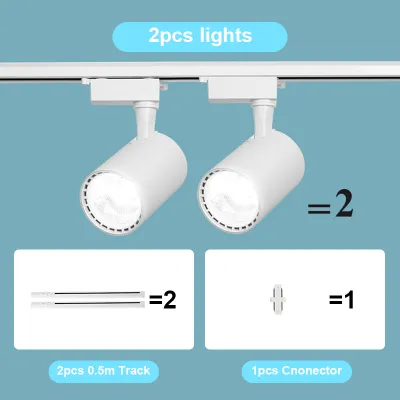
Prices are valid at publication and may change. Please refer to the product page for the latest price.
To mimic a boutique coffee shop, you must balance this ambient glow with focused accent beams. Using spot lights with narrow beam spreads creates distinct pools of light and shadow. This high-contrast environment makes large rooms feel more intimate by breaking them down into smaller, cozy zones. By leaving the spaces between these zones in soft shadow, you create a sense of privacy and comfort, making your dining table or reading nook feel like a secluded corner in a bustling city cafe.
Technical Specifications to Check Before Buying
Before purchasing any track lighting equipment, you must verify several critical technical specifications to ensure compatibility and safety. First, pay close attention to the track system standard. The three most common standards are H-type, J-type, and L-type tracks, named after the manufacturers that originally designed them. Because these systems use different track widths and contact configurations, track heads designed for an H-type track will not fit into a J-type or L-type rail. Always double-check that your chosen track rails and spot light heads share the exact same system standard.

Next, consider the bulb base compatibility of your fixtures. Track lights generally fall into two categories: integrated LED fixtures and fixtures with replaceable bulbs. Integrated LED fixtures have built-in light sources that offer a sleek, compact design, but the entire head must be replaced if the light fails. Fixtures with replaceable bulbs, which commonly use GU10 or MR16 bases, allow you to swap out bulbs easily. This flexibility is highly beneficial if you want to experiment with different beam angles, wattages, or color temperatures over time without replacing the entire track head.
Electrical capacity is another vital safety factor to calculate. Every track rail has a maximum wattage limit, and each individual track head has a maximum bulb wattage rating. To prevent overheating and potential fire hazards, the combined wattage of all the bulbs installed on a single track must never exceed the track’s total capacity. For example, if your track is rated for a maximum of 1000 watts, you can safely run multiple low-wattage LED spot lights, but you must be cautious if you are using older, high-wattage halogen bulbs.
To achieve the ultimate cafe mood, dimming capability is essential. However, achieving smooth dimming without annoying flickering or buzzing requires careful component matching. You must verify that your LED bulbs or integrated fixtures are explicitly labeled as dimmable. Furthermore, you need to pair them with a compatible wall dimmer switch, such as a trailing-edge dimmer designed specifically for low-voltage LED loads. Using a standard incandescent dimmer switch with LED bulbs often leads to poor performance and can shorten the lifespan of your lights.
Finally, always verify the voltage requirements of your lighting system. In the Philippines, standard residential electrical systems operate at 220V to 230V at a frequency of 60Hz. If you are purchasing track lights or bulbs from international online marketplaces, ensure they are rated for this specific voltage range. Installing fixtures designed solely for 110V systems will cause immediate damage to the electronics and poses a severe safety risk.
Configuring Fixtures for Your Room Layout
The physical arrangement of your track and spot lights plays a massive role in how comfortable your home cafe feels. For standard residential ceilings, which typically measure between 2.4 and 2.8 meters in height, selecting the right beam angle is crucial to avoid blinding glare. A narrow beam angle of 15 to 24 degrees is excellent for highlighting small decor items or creating sharp pools of light on a coffee bar. For general accent lighting over a dining table, a medium beam angle of 36 to 45 degrees provides a softer, more even spread of light that illuminates your food without shining directly into your eyes.
When choosing your track heads, you must decide between adjustable gimbal heads and fixed directional spots. Gimbal heads feature a rotating joint that allows you to tilt and turn the light source in almost any direction. This adjustability is highly recommended for home cafes, as it gives you the freedom to redirect your lights if you decide to rearrange your furniture, move your coffee cart, or hang new wall art. Fixed directional spots offer a more streamlined, minimalist look but limit your lighting design to a single, permanent direction.
The finishes and materials of your fixtures should complement your existing home decor while standing up to local environmental conditions. Matte black track systems are incredibly popular for creating an industrial, rustic cafe look, especially when paired with warm wood accents and exposed brick. Matte white fixtures offer a cleaner, modern aesthetic that blends seamlessly into light-colored ceilings, making the hardware less conspicuous. Because the tropical climate in the Philippines brings high humidity, look for fixtures made from powder-coated aluminum or rust-resistant alloys to prevent corrosion and maintain a clean appearance over time.
Carefully planning your track length and power feed location will save you significant installation headaches. Measure your ceiling space to determine whether a straight single-track run, an L-shaped configuration, or a U-shaped layout works best for your room. You must also locate your existing ceiling junction box, as this is where the track will draw its power. If the junction box is at the end of your planned run, you will need an end-feed connector; if it is in the middle, you will need a floating canopy connector to feed power to the track safely.
Installation Safety and Professional Boundaries
Working with residential electricity requires strict adherence to safety protocols to prevent shocks, short circuits, and structural damage. Before attempting to install, adjust, or clean any part of your track lighting system, you must shut off the power at the main circuit breaker panel. Never rely solely on a wall switch to turn off the power, as some switches only cut one leg of the electrical circuit, leaving live wires exposed. Use a reliable non-contact voltage tester at the ceiling junction box to confirm that no electrical current is flowing before you begin handling the wires.
Additionally, you must assess the structural integrity of your ceiling. Track systems, especially longer runs loaded with multiple heavy spot light heads, exert a continuous downward pull. If you have a gypsum or plasterboard ceiling, you must secure the track directly into the wooden or metal ceiling joists. If mounting to joists is impossible, use heavy-duty toggle bolts or specialized drywall anchors designed to support the weight of the system. For the solid concrete ceilings common in many local condominium units, you will need a rotary hammer drill and appropriate masonry anchors to ensure a secure, permanent mount.
Moisture is another critical factor to consider in tropical homes. If your home cafe setup is integrated into a kitchen area near a sink, or if it sits close to an open-air balcony or window prone to wind-driven rain, standard indoor track lights are not suitable. High humidity and direct water exposure can cause rapid corrosion of the electrical contacts, leading to short circuits. In these damp-prone zones, always verify that your track rails and spot light heads carry an appropriate IP rating or are certified by the manufacturer for damp or wet locations.
Knowing when to step back and call a professional is key to a safe home improvement project. While snapping a new spot light head onto an existing, properly installed track is a simple task that most homeowners can handle, complex electrical work is different. If you need to run new electrical wires through your ceiling, install a new junction box, or upgrade your electrical panel to handle a new lighting circuit, you should hire a licensed electrician. Budgeting around ₱1,500 to ₱3,000 for professional installation ensures that your system complies with the Philippine Electrical Code, keeping your home and family safe.
Frequently Asked Questions (FAQ)
Can I install track lights on a sloped or vaulted ceiling?
Yes, you can install track lights on sloped or vaulted ceilings, but you must verify the hardware requirements before purchasing. Standard track rails cannot be mounted directly to a sloped surface without causing the spot light heads to hang at awkward, non-adjustable angles. To solve this, look for track systems that offer specialized sloped ceiling adapters or pendant suspension kits. These accessories allow the track rail to hang perfectly level and horizontal, regardless of the ceiling’s angle. Additionally, ensure that your chosen spot light heads have a wide tilt range—ideally 90 degrees or more—so you can aim the light beams straight down toward your living space safely.
Do I need special bulbs to achieve the right cafe ambiance?
You do not need highly specialized or expensive bulbs, but you must read the product packaging carefully to select the correct specifications. To achieve a cozy cafe feel, look for LED bulbs with a warm color temperature of 2700K to 3000K. Additionally, check the packaging for a Color Rendering Index (CRI) rating of 90 or higher; a high CRI ensures that the rich colors of your coffee, wooden furniture, and decor look natural and vibrant under artificial light. Finally, always verify that the physical dimensions of the bulb fit comfortably inside your spot light housing and that the bulb is explicitly labeled as dimmable if you plan to use a dimmer switch.

Community discussion
Share your experience or ask a question. Comments are reviewed before publication.