
For outdoor Christmas lights to withstand rain and moisture in the Philippines, look for a minimum of IP65 for fully exposed areas, while IP44 is only suitable for covered patios. “Waterproof” is a spectrum, and understanding the two digits of the IP code is essential for safe, long-lasting holiday decorating.
During the festive season in the Philippines, outdoor decorations face unique environmental challenges. High humidity, sudden tropical downpours, and intense heat can quickly compromise poorly insulated electrical setups. Choosing the right level of moisture protection prevents short circuits, tripped breakers, and premature product failure.
Decoding the IP Code: What the Numbers Actually Mean
The IP (Ingress Protection) rating is an international standard used to define how effectively an electrical enclosure seals against foreign bodies and moisture. Instead of relying on vague marketing terms like “water-resistant” or “weatherproof,” checking this two-digit code on the product packaging provides a standardized measure of durability.
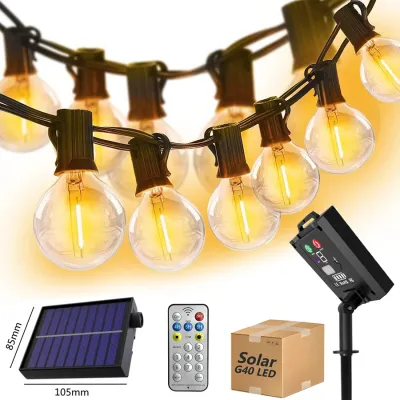
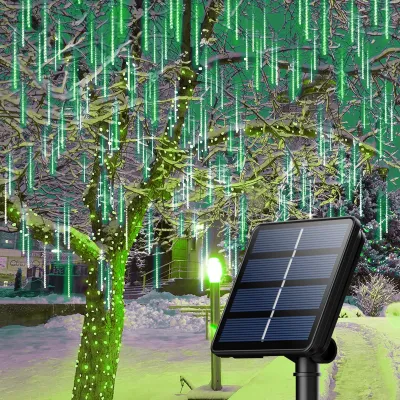
Products mentioned in this guide
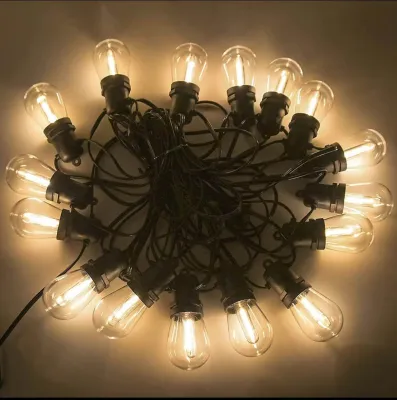
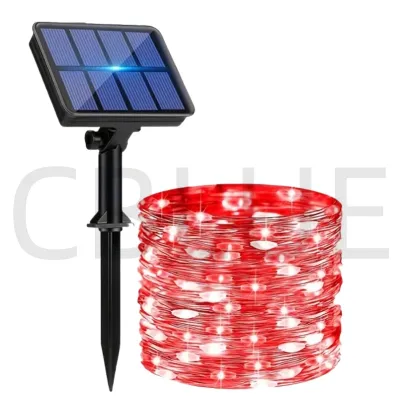
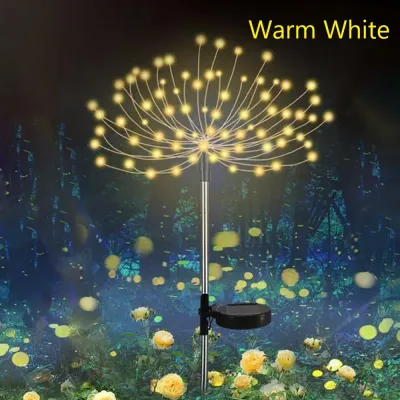
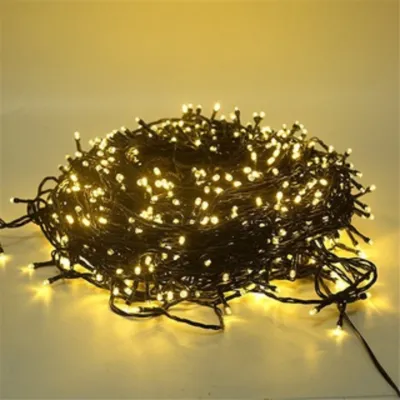
![[COD]Solar/Plug in Meteor Shower Rain Lights LED Outdoor Waterproof Icicle Fairy String Lights for Home Garden Christmas Raya Decoration](https://img.lazcdn.com/g/p/85b1aeff86b92f282b46324ab35f785c.jpg_400x400q80.jpg_.webp)
Prices are valid at publication and may change. Please refer to the product page for the latest price.
The first digit of the IP rating indicates protection against solid particles, such as dust, dirt, and accidental contact. This scale ranges from 0 to 6. A rating of 6 means the light string is completely dust-tight, preventing even microscopic particles from entering the internal wiring and causing damage.
The second digit represents liquid ingress protection, which is the most critical factor for outdoor holiday displays. This scale ranges from 0 to 8. A lower rating like 4 indicates protection against light splashes, while higher ratings like 5 or 6 signify resistance to water jets, and 7 or 8 denote protection against temporary or continuous submersion.
Relying solely on generic retail descriptions can be risky. A product labeled “waterproof” might only be splash-resistant under mild conditions, whereas a certified IP rating guarantees that the product has undergone standardized testing to verify its sealing capabilities.
Choosing the Right IP Rating for Your Exposure Level
Selecting the correct IP rating depends entirely on how directly your Christmas lights will interact with the elements. Matching the rating to the specific exposure level ensures safety without overspending on unnecessary industrial-grade specifications.

An IP44 rating offers basic protection against splashing water from any direction. This level is suitable only for sheltered outdoor areas, such as covered porches, deep eaves, or verandas where direct rain cannot reach. These lights cannot handle heavy downpours or wind-driven moisture.
An IP65 rating is the standard recommendation for general outdoor installations. Lights with this rating are dust-tight and can withstand low-pressure water jets from any angle. This means they will remain safe and functional even during heavy tropical rainstorms and high winds.
For extreme conditions, IP67 or IP68 ratings provide the highest level of protection. IP67 lights can survive temporary immersion in water, making them ideal for ground-level installations where water might pool. IP68 lights are designed for continuous submersion, which is necessary if you plan to run lights inside water features or ponds.
It is important to verify both digits rather than assuming a higher second digit automatically makes a product superior. For instance, a light string rated only for liquid protection without a certified solid protection rating may still allow fine dust or insects to compromise the internal circuitry over time.
Mapping IP Ratings to Specific Installation Spots
To ensure a safe and reliable holiday display, map your planned installation locations to the appropriate IP specifications before purchasing any equipment.
Rooflines, gutters, and open fascias are fully exposed to the elements. Because wind-driven rain can strike from any angle, these areas require a minimum of IP65-rated lights. This rating ensures that water running off the roof does not seep into the bulb sockets or wire connections.
Trees, shrubs, and garden foliage also demand IP65 protection. Foliage retains moisture long after a rain shower has passed, exposing the light strings to constant dripping, morning dew, and potential spray from garden sprinklers.
Covered balconies, high ceilings, and deeply recessed gazebos can safely accommodate IP44-rated lights. However, this is only acceptable if the structure completely shields the display from angled rain and high-velocity winds that could carry moisture into the sheltered zone.
Pathway borders and ground-level stakes are highly vulnerable to pooling water, especially during intense tropical downpours. For these low-lying areas, using IP67-rated lights is highly recommended to prevent short circuits when puddles form around the base of the fixtures.
Essential Safety Checks for Wet and Humid Setups
Even the highest-rated waterproof lights require proper installation and maintenance to guarantee safety in wet and humid environments.
Always verify that the power adapter, controller, and plug are also rated for outdoor use. Many commercial light strings feature IP65 bulbs but supply an adapter rated only for IP44 or indoor use. These vulnerable components must be housed inside a certified weatherproof enclosure or kept dry indoors.
Before hanging any decorations, thoroughly inspect the entire length of the cable. Look for cracks, brittle insulation, or exposed copper wires, which are common issues when reusing lights from previous years. Water entering a damaged cable will cause immediate short circuits and pose a fire hazard.
Check your local household voltage compatibility and ensure you do not exceed the maximum wattage limit of your extension cords. Overloading a single outlet with multiple daisy-chained light strings can cause overheating, particularly when high humidity limits natural heat dissipation.
For complex installations, such as high rooflines, permanent outdoor wiring, or setups requiring integration with your home’s main electrical panel, always isolate the power source before starting work. Consult a qualified professional electrician to ensure compliance with local electrical codes and safety standards.
Frequently Asked Questions (FAQ)
Can I use indoor Christmas lights outside if they are under a roof?
No, indoor Christmas lights should never be used outdoors, even in fully sheltered areas. Indoor models lack the UV-resistant insulation and moisture-tight seals required to handle high outdoor humidity, condensation, and temperature fluctuations, which can lead to rapid degradation and electrical hazards.
Does the IP rating cover the power adapter and plug?
Typically, no. The IP rating printed prominently on the packaging often applies only to the light string itself. The power adapter, plug, and controller frequently carry a lower rating or are designed strictly for indoor use, meaning they must be protected inside a weatherproof junction box elevated off the ground.

Community discussion
Share your experience or ask a question. Comments are reviewed before publication.